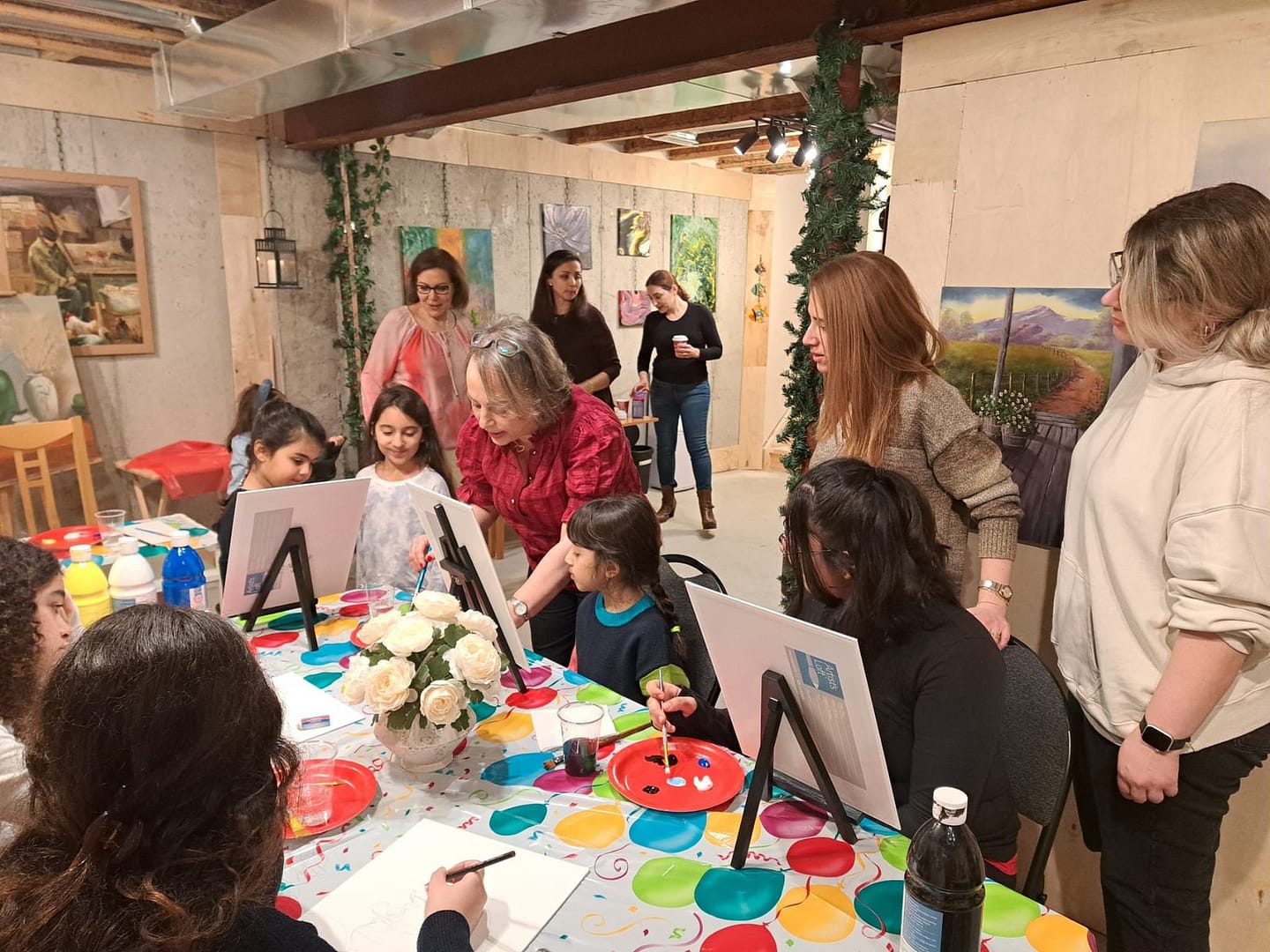
There are several types of Painting Class for kids options available for kids, each designed to cater to different ages, interests, and skill levels. Whether your child is a budding artist or simply looking for a creative outlet, there is a Painting class that will inspire their imagination and develop their artistic abilities.
One popular option is the basic Painting class, which focuses on fundamental skills such as learning to handle brushes, mixing colors, and creating simple compositions. These classes typically use watercolor or tempera paints, allowing young artists to experiment with different techniques and express themselves freely. Children in these classes explore shapes, forms, and color theory, building their confidence and fostering creativity.
For older kids or those with more experience, advanced Painting class options may include acrylic or oil painting. These classes emphasize more refined techniques, such as layering, shading, and blending, which help children develop a deeper understanding of texture and form. Acrylic paints, known for their versatility, allow children to experiment with both thick impasto techniques and thin washes, while oil paints provide a more classic approach with rich textures and blending possibilities.
In addition to traditional techniques, some Painting class programs focus on specific artistic styles, such as abstract or landscape painting. These specialized classes help kids explore various movements in art history while encouraging them to think creatively and develop their own unique artistic voice. Offering a wide range of styles and techniques, Painting class programs for kids provide the perfect platform for young minds to experiment, learn, and create.
A Painting class introduces kids to painting techniques, fostering creativity and artistic expression through guided activities and structured lessons.
Children explore colors, brushes, and artistic tools while developing problem-solving, patience, and fine motor skills in an engaging environment.
These classes encourage young artists to express emotions visually, helping them communicate ideas they may struggle to articulate with words.
A Painting class promotes confidence, allowing kids to experiment with styles, textures, and compositions in a supportive and inspiring space.
Children learn essential painting techniques, including brush control, color mixing, and layering, forming a strong foundation for artistic growth.
A Painting class introduces kids to watercolor, acrylic, and oil painting, teaching them how each medium behaves on different surfaces.
Instructors guide children through basic shading, perspective, and texture techniques, helping them create more visually engaging and realistic artwork.
These classes emphasize patience and practice, ensuring kids develop discipline while experimenting with different brush strokes and artistic approaches.
A Painting class focused on watercolors teaches children how to control water and pigment for unique artistic effects.
Watercolors allow young artists to create transparent layers, soft gradients, and expressive brush strokes, enhancing their ability to depict movement and emotion.
Kids experiment with wet-on-wet and dry-brush techniques, learning how different applications affect texture and overall composition.
These classes encourage spontaneity, as watercolor’s unpredictable nature fosters creative risk-taking and innovative thinking in young painters.
Acrylic Painting class programs introduce children to bold colors, quick drying times, and versatile painting techniques.
Kids experiment with layering, impasto, and brush techniques to create vibrant, textured compositions on canvas or paper.
Acrylic paint allows for mixed-media exploration, encouraging children to incorporate collage elements, sponges, and other materials into their work.
These classes help kids develop confidence by providing an adaptable medium that supports both abstract and detailed artistic styles.
An oil Painting class introduces young artists to blending, layering, and glazing techniques using slow-drying, richly pigmented paints.
Children learn patience as they work with oils, refining their artwork over multiple sessions to achieve depth and realism.
Oil painting enhances fine motor skills, encouraging kids to focus on precision, shading, and subtle color transitions.
These classes offer an introduction to traditional art techniques, preparing young painters for more advanced artistic exploration.
A digital Painting class teaches kids to use styluses, tablets, and software to create art with layers, brushes, and effects.
Children learn how digital tools replicate traditional painting techniques while offering greater flexibility for corrections and experimentation.
These classes introduce concepts like composition, lighting, and texture, helping kids understand digital painting as a modern artistic medium.
Digital painting fosters creativity while preparing children for potential careers in animation, graphic design, and multimedia arts.
Abstract Painting class sessions inspire kids to explore colors, shapes, and movement without focusing on realistic representations.
Children experiment with unconventional tools, such as sponges, palette knives, and dripping techniques, to create expressive, non-traditional artwork.
These classes promote artistic freedom, allowing kids to express emotions and ideas through bold compositions.
Abstract painting encourages creativity and problem-solving, helping young artists develop unique artistic voices.
A Painting class focused on landscapes teaches children how to depict nature, skies, trees, and water with depth and perspective.
Kids practice blending colors to capture atmospheric effects, learning to create realistic scenery using various brush techniques.
These classes encourage outdoor observation, helping children appreciate natural beauty while improving their artistic skills.
Painting landscapes strengthens spatial awareness and composition abilities, essential for creating balanced and visually engaging artwork.
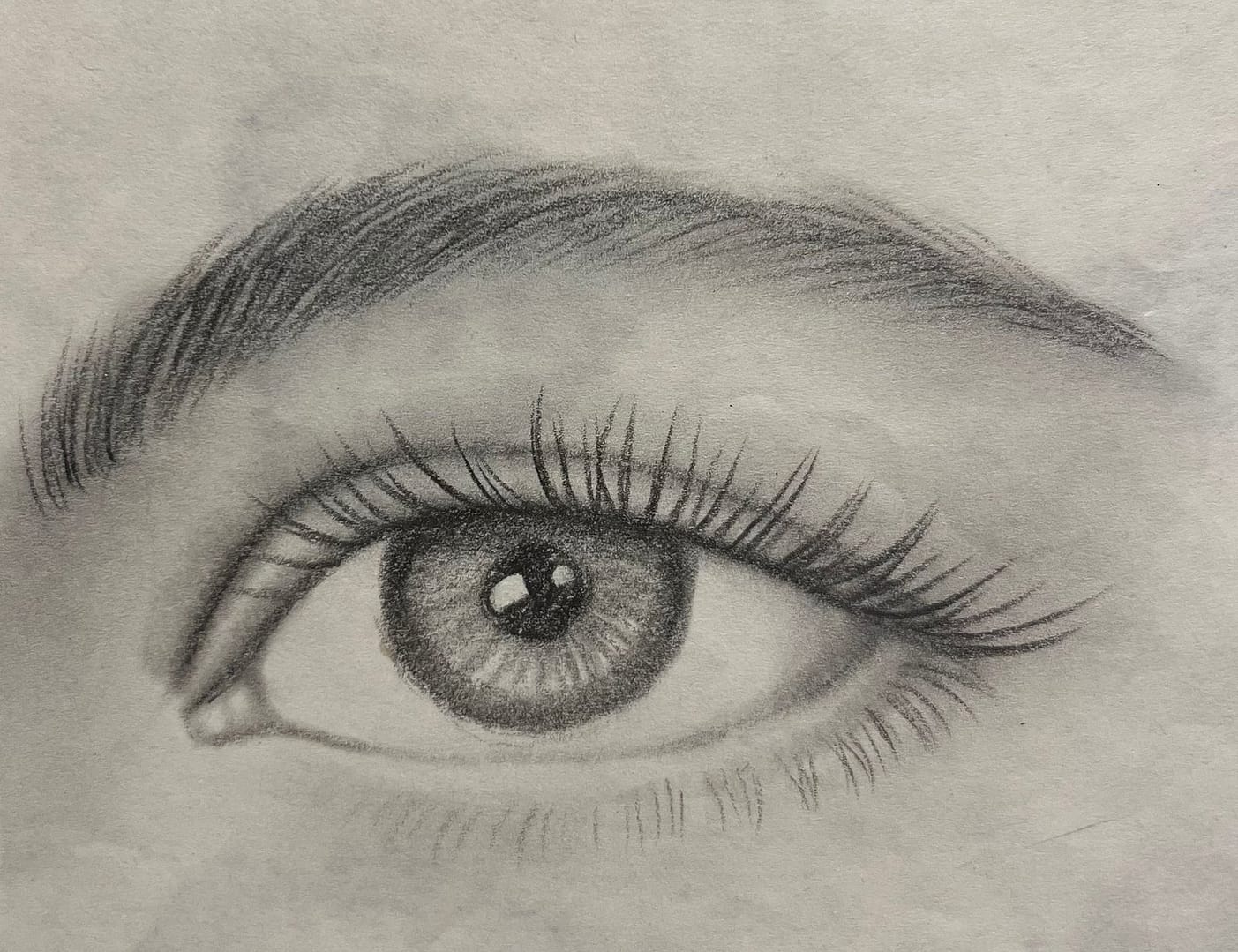
A Painting class on portraiture teaches kids facial proportions, shading, and color blending to create lifelike representations.
Children practice capturing expressions, emotions, and personality traits in their artwork through careful observation.
These classes develop patience, attention to detail, and fine motor skills essential for realistic portrait painting.
Portrait painting fosters emotional intelligence by encouraging children to analyze and interpret human expressions in art.
Still life Painting class sessions help kids develop observational skills by painting objects arranged in simple compositions.
Children learn about light, shadow, and texture while focusing on details in everyday objects.
These classes teach kids patience and discipline as they carefully replicate forms and colors.
Still life painting strengthens artistic technique and encourages children to appreciate the beauty of ordinary objects.
A Painting class incorporating mixed media allows kids to experiment with combining paint, paper, fabric, and textures.
Children explore layering techniques, collage elements, and unconventional materials to create visually dynamic artwork.
These classes encourage problem-solving, as kids decide how different materials interact within a composition.
Mixed media art fosters innovation, showing children that artistic expression is not limited to one medium.
A Painting class with a theme encourages kids to create artwork based on specific subjects, such as seasons, animals, or historical events.
These classes provide structure while allowing artistic freedom, helping children explore new ideas visually.
Kids learn storytelling techniques through painting, using color and composition to convey messages.
Thematic painting sessions engage children emotionally and intellectually, making art more meaningful.