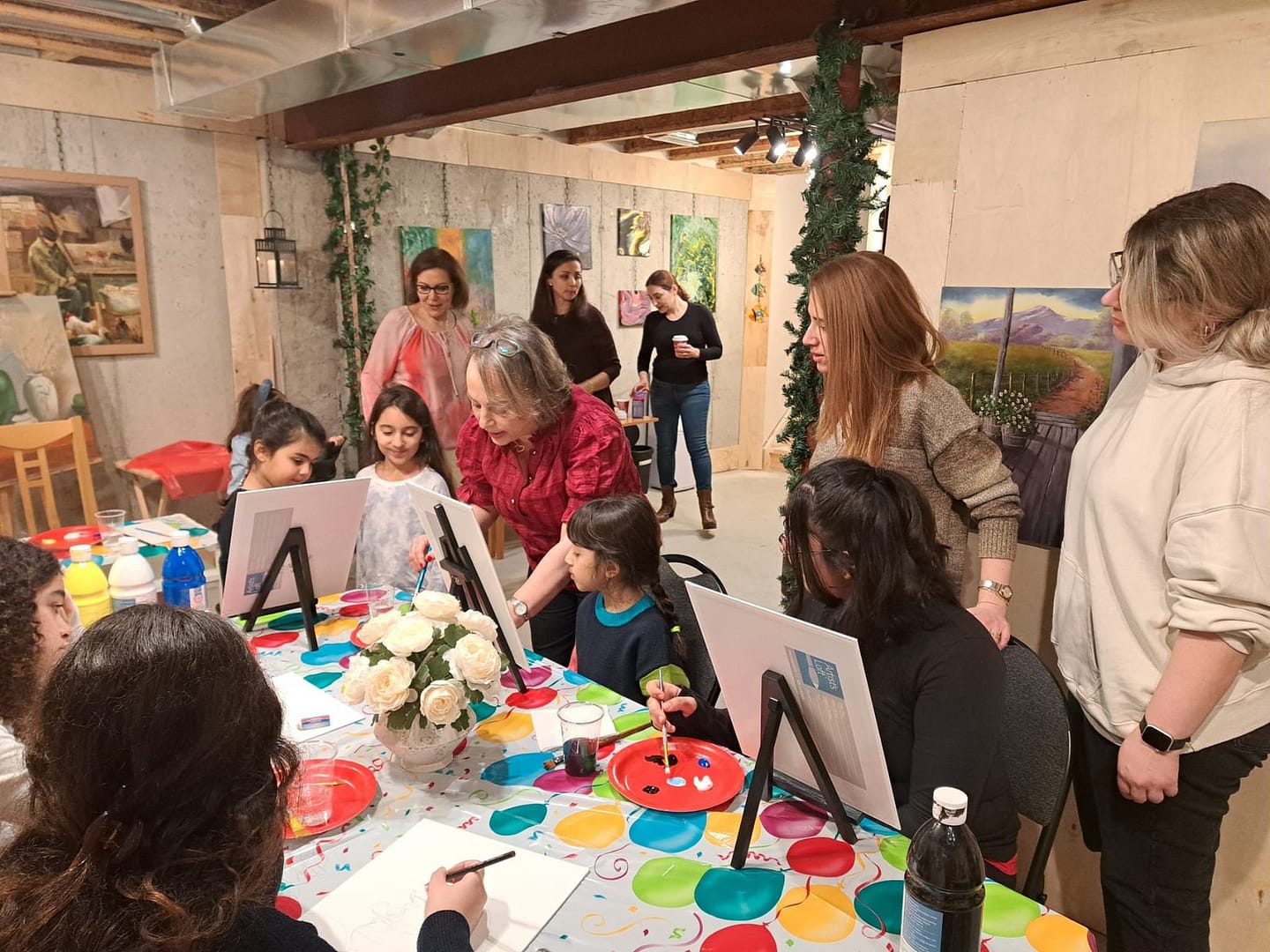
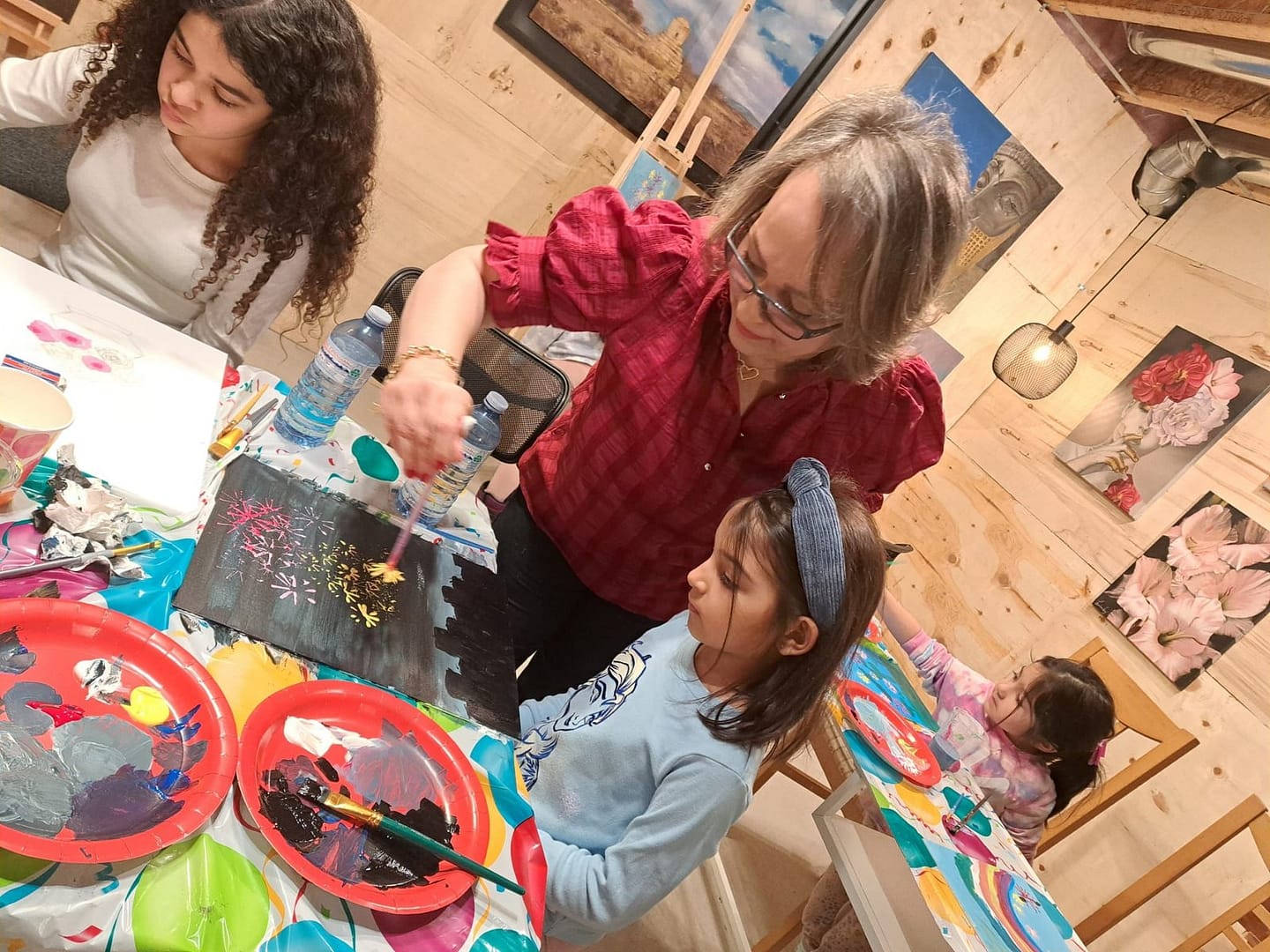
A painting class designed for children offers an exceptional opportunity to nurture creativity and self-expression from an early age. These classes are not merely about learning how to use brushes and paints, but rather about providing a dynamic environment where young minds can explore their imaginations and develop essential skills. From the very first stroke, children are introduced to the fundamentals of color theory, composition, and texture. As they engage with various techniques, they gain confidence in their artistic abilities.
In a Painting Class for kids , children are encouraged to experiment with different mediums—whether watercolor, acrylics, or pastels—each offering unique textures and results. This hands-on approach not only strengthens their fine motor skills but also enhances cognitive development by fostering problem-solving and critical thinking. Young artists often discover new ways to view the world around them, as painting encourages them to think abstractly and express emotions visually.
A well-structured painting class also helps children understand the importance of patience and perseverance. Creating a piece of art requires time, focus, and attention to detail, skills that are transferable to other aspects of life. Whether working on a simple landscape or a more intricate design, children learn to appreciate the process rather than just the outcome.
Ultimately, a painting class serves as a transformative space for children to express themselves, grow as individuals, and embrace the power of artistic creation. It is an enriching experience that not only cultivates artistic talent but also boosts self-esteem and encourages a lifelong passion for the arts.
A painting class is more than an extracurricular activity. It is a gateway to creative exploration and personal development. Children thrive in an environment where imagination takes center stage. Artistic expression allows them to communicate ideas beyond words.
The tactile experience of working with paints fosters sensory development. The brush’s movement across the canvas engages motor skills. Every color choice and brushstroke enhances decision-making abilities. Art encourages children to think independently and innovate fearlessly. It nurtures problem-solving skills essential for cognitive growth.
A structured painting class introduces young artists to foundational techniques. They learn about blending, shading, and layering. Exposure to diverse styles broadens their artistic vocabulary. These skills translate into other disciplines, including mathematics and science. Creative engagement fosters curiosity, improving overall academic performance.
Emotional well-being is another significant benefit. Art offers an outlet for self-expression. Children learn to channel emotions constructively. This process helps in developing emotional intelligence. A nurturing artistic environment builds confidence and resilience.
Additionally, social interaction in a painting class enhances communication skills. Group activities encourage collaboration and constructive critique. Young artists learn to appreciate different perspectives. They develop patience and perseverance through artistic practice. Each completed artwork instills a sense of accomplishment.
Parents should consider enrolling their children in a painting class. It is an investment in creativity, emotional growth, and cognitive enhancement. This immersive experience can shape their artistic journey and personal development.
Creativity is a cornerstone of childhood development. A painting class fosters imagination and encourages original thinking. Early exposure to art refines cognitive functions. Children learn to observe, analyze, and create.
The creative process stimulates brain activity. Artistic engagement strengthens neural connections. Problem-solving and abstract reasoning improve through visual storytelling. These cognitive skills benefit academic performance. Learning artistic techniques in a Children’s Visual Arts Painting Class refines hand-eye coordination. Fine motor skills develop through brush manipulation.
Painting provides children with emotional freedom. It enables self-expression beyond verbal communication. Colors and textures convey emotions in a unique way. A painting class helps children understand and regulate feelings. Artistic exploration reduces stress and anxiety.
Collaboration plays a vital role in artistic learning. Group projects in a painting class teach teamwork. Children learn to share materials and exchange ideas. Positive reinforcement from peers boosts self-confidence. Encouragement fosters a sense of belonging.
Creative thinking nurtured in a Children’s Visual Arts Painting Class benefits future career paths. Innovation is essential in various professions. Early artistic training refines problem-solving abilities. It enhances adaptability in an ever-evolving world.
Parents should encourage artistic expression at home. Providing paints, brushes, and canvases fuels creativity. Displaying children’s artwork builds confidence. A painting class offers structured guidance for deeper learning. The combination of self-led and guided exploration fosters holistic development.
A painting class is a powerful tool for cognitive development. Artistic activities engage multiple areas of the brain. They enhance memory, focus, and problem-solving skills.
When children mix colors, they engage in scientific exploration. They learn cause-and-effect relationships. Painting requires planning and spatial awareness. A painting class introduces young learners to perspective and depth.
Visual arts stimulate pattern recognition. Children analyze compositions and replicate intricate details. These skills transfer to subjects like mathematics and geometry. The logical thought process improves over time.
Art also fosters linguistic development. Describing artwork strengthens vocabulary. Children learn new terms related to colors, textures, and techniques. A painting class encourages storytelling through images. Visual narratives enhance comprehension skills.
Cognitive flexibility is another benefit. Problem-solving in painting fosters adaptability. Young artists learn to embrace mistakes and turn them into creative solutions. A painting class instills resilience and persistence.
Children who attend a Children’s Visual Arts Painting Class exhibit better attention spans. The immersive nature of art fosters deep concentration. This ability extends to academic tasks and daily activities.
Encouraging participation in a painting class supports overall intellectual growth. It provides a structured environment for exploration. With continuous practice, young minds sharpen analytical thinking. Painting enhances both creative and logical faculties.
A painting class exposes children to diverse artistic techniques. Learning multiple approaches refines their creative skills. Each technique offers unique challenges and opportunities.
Watercolor painting is a fundamental technique. It teaches fluidity and color blending. Young artists experiment with transparency and layering. Acrylic painting introduces vibrant and opaque effects. Children explore bold strokes and dynamic textures.
Oil painting provides a deeper understanding of color depth. Although advanced, some painting classes introduce its principles. Finger painting engages sensory exploration. This technique enhances motor skills and creativity.
Palette knife painting introduces a sculptural element. It encourages expressive textures and layering. Pointillism teaches precision and patience. Tiny dots create intricate visual effects.
Abstract art allows complete freedom. Children explore unconventional shapes and colors. This technique fosters individuality and bold expression. A painting class introduces surrealism, realism, and impressionism. Exposure to various styles nurtures artistic versatility.
Mixed media painting encourages innovation. Children combine different materials for unique effects. Fabric, sand, and collage elements enrich compositions. Learning multiple techniques keeps creativity dynamic.
A well-structured Children’s Visual Arts Painting Class ensures a balanced approach. It combines technical training with creative liberty. Young artists develop a personal style over time. Mastery of diverse techniques builds artistic confidence.
Colors influence emotions and cognitive responses. A painting class introduces color psychology. Children learn how colors convey feelings and moods.
Warm colors, like red and yellow, evoke energy. They inspire enthusiasm and confidence. Cool colors, like blue and green, promote calmness. A painting class helps children understand these effects.
Neutral colors provide balance. Black, white, and gray enhance compositions. Children learn to mix hues to create harmony. Artistic exploration teaches color symbolism.
Experimenting with colors enhances decision-making. Young artists choose palettes based on themes. They learn to express emotions visually. A painting class nurtures creative storytelling.
Color perception influences attention span. Bright colors attract focus. Pastel tones create a soothing atmosphere. A painting class educates children on visual impact.
Each child responds uniquely to colors. Some feel energized by vibrant hues. Others prefer muted tones. A painting class fosters individual artistic voices.
Parents should encourage color exploration at home. Allowing children to paint freely enhances confidence. Discussing color choices strengthens analytical thinking. Enrolling in a painting class refines these skills further.
A painting class is not just an individual journey. It also fosters teamwork and collaboration. Children learn to share ideas and inspire each other.
Group painting exercises encourage communication. Young artists discuss their creative choices. They exchange techniques and provide constructive feedback. This interaction strengthens their ability to articulate thoughts.
Collaboration in a painting class enhances problem-solving. Children work together on large murals or themed projects. They learn to compromise and blend artistic styles. These experiences build patience and adaptability.
A structured artistic environment reduces social anxiety. Painting provides a relaxed atmosphere for self-expression. Children develop confidence in sharing their artwork. Supportive feedback encourages them to refine their skills.
Working alongside peers sparks motivation. Friendly competition drives creative improvement. Observing different styles broadens artistic perspectives. A painting class nurtures respect for diverse approaches.
Social interactions in art classes translate to everyday life. Children develop listening skills through group critiques. They learn the value of constructive criticism. Expressing thoughts through art enhances communication abilities.
Encouraging teamwork strengthens emotional intelligence. Children become more empathetic toward peers’ creative struggles. A painting class provides an opportunity to celebrate each other’s progress. It fosters a sense of community and belonging.
Parental involvement further supports social development. Discussing shared art projects at home reinforces positive communication. Group-based activities in a painting class enhance both artistic and interpersonal skills.
Painting is a powerful therapeutic tool for emotional well-being. A painting class provides a safe space for self-expression. Children channel emotions into creative visuals.
Art reduces stress and anxiety. It offers a calming effect through repetitive motions. Brushstrokes and color choices reflect subconscious emotions. A painting class encourages children to process feelings nonverbally.
Creative expression strengthens emotional resilience. Children learn to cope with frustration and mistakes. The artistic process teaches patience and perseverance. Completing a painting boosts self-confidence.
Painting also enhances mindfulness. Focused engagement in art fosters present-moment awareness. Children develop concentration and relaxation techniques. A painting class helps manage hyperactivity by channeling energy into creativity.
Art therapy benefits children with emotional challenges. Those struggling with anxiety or trauma find relief in painting. Expressing thoughts visually reduces mental pressure. A painting class provides an outlet for self-discovery.
Colors play a role in mood regulation. Warm tones uplift spirits, while cool hues soothe the mind. Understanding color psychology deepens emotional awareness. A painting class teaches children to use color for self-expression.
Encouraging free artistic exploration nurtures mental well-being. Non-judgmental guidance allows children to experiment. Every brushstroke reflects individuality. A painting class promotes self-acceptance through creativity.
Parents should support artistic expression at home. Providing painting materials encourages stress relief. Art serves as a lifelong therapeutic practice. A painting class instills habits that enhance mental health.
A painting class refines fine motor control. Brushwork requires precise hand movements. Each stroke strengthens hand-eye coordination.
Holding a paintbrush enhances grip control. Children develop muscle strength in fingers and wrists. This improves handwriting and dexterity. A painting class provides structured activities that refine motor skills.
Techniques like stippling and cross-hatching require controlled movements. Fine detailing in artwork strengthens finger coordination. These skills transfer to tasks like buttoning clothes or using scissors.
Painting encourages spatial awareness. Children learn how to proportion shapes. Understanding composition improves depth perception. A painting class sharpens visual-motor integration.
Mixing colors involves hand precision. Children carefully blend shades to achieve desired hues. This process develops sensory perception. A painting class trains young artists to manipulate tools effectively.
Fine motor development supports academic performance. Writing, typing, and drawing benefit from strengthened muscles. Artistic training enhances concentration and focus. A painting class provides enjoyable practice for skill-building.
Parents can encourage fine motor activities at home. Finger painting enhances tactile sensitivity. Using different brush sizes improves grip control. A painting class systematically nurtures these essential abilities.
The benefits extend beyond art. Strong fine motor skills aid in daily tasks. Tying shoelaces and using utensils become easier. Enrolling in a painting class ensures holistic motor development.
A painting class is an excellent way to introduce art history. Children gain insight into the evolution of artistic styles. Exposure to famous artists inspires creativity.
Young artists learn about renowned painters. Studying Van Gogh, Monet, and Picasso sparks interest. Each artist’s style teaches unique techniques. A painting class brings history to life through hands-on learning.
Art movements provide context for creative expression. Impressionism, surrealism, and cubism offer diverse perspectives. Children experiment with different approaches. A painting class nurtures appreciation for artistic evolution.
Cultural influences shape artistic expression. Learning about indigenous and classical art deepens understanding. Children recognize how history impacts creativity. A painting class celebrates global artistic traditions.
Museum visits complement structured learning. Seeing masterpieces in person enhances appreciation. Discussing historical paintings strengthens analytical skills. A painting class integrates theory with practice.
Art history fosters critical thinking. Children compare styles and techniques. They understand how art reflects societal changes. A painting class encourages them to develop personal interpretations.
Introducing artistic pioneers builds inspiration. Young artists replicate famous works in their style. Understanding history enriches creative growth. A painting class connects past and present artistic expression.
Parents can support learning at home. Books on famous artists spark curiosity. Discussing historical art periods strengthens comprehension. Enrolling in a painting class ensures continuous artistic enrichment.
Parental encouragement is crucial for artistic growth. A painting class provides structured guidance, but home support enhances progress. Creating an art-friendly environment nurtures confidence.
Providing quality art supplies encourages exploration. Brushes, canvases, and vibrant paints inspire creativity. Having a dedicated art space promotes regular practice. A painting class is most effective with consistent engagement.
Praising effort rather than results builds self-esteem. Every artwork reflects personal growth. Avoiding harsh criticism fosters artistic confidence. A painting class reinforces positive reinforcement.
Engaging in collaborative painting strengthens family bonds. Parents and children can create artwork together. This shared activity deepens emotional connections. A painting class encourages artistic collaboration at home.
Discussing art history and techniques enriches learning. Watching documentaries on famous artists sparks curiosity. Visiting galleries broadens artistic perspectives. A painting class becomes more meaningful with external exposure.
Encouraging participation in art competitions boosts motivation. Public exhibitions enhance self-assurance. Celebrating achievements reinforces dedication. A painting class instills lifelong artistic passion.
Avoiding pressure maintains creativity. Children should enjoy artistic expression freely. Unstructured experimentation leads to innovative ideas. A painting class provides technical training while preserving artistic individuality.
Parents play a vital role in sustaining enthusiasm. Supporting art-related activities beyond class enhances development. Encouraging artistic independence fosters lifelong creativity. A painting class is the foundation for a lifelong love of art.