Unlocking Creativity: The Magic of an After-School Painting Class
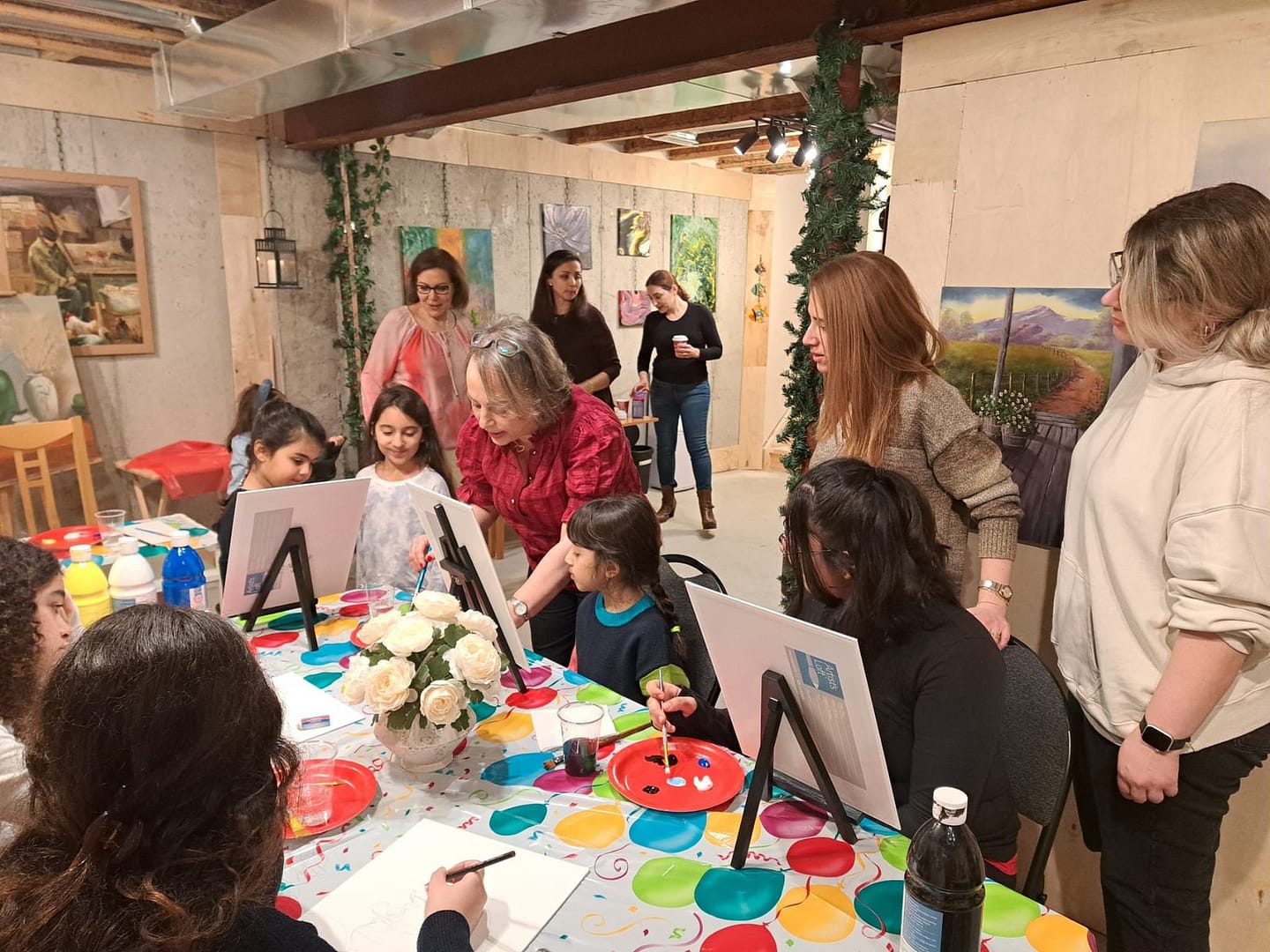
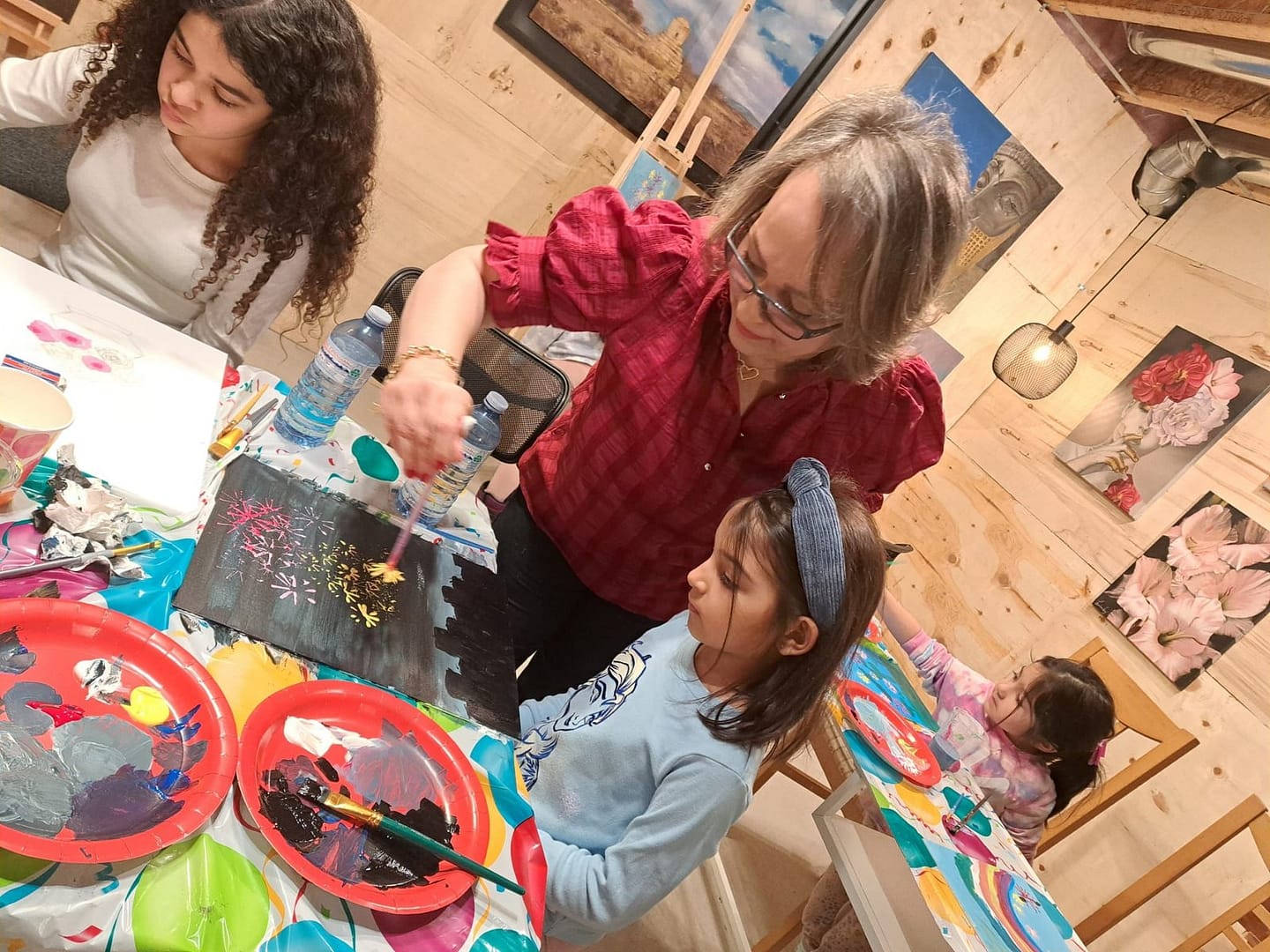
An after-school Painting Class for kids is more than just an extracurricular activity—it is an artistic sanctuary where young minds explore the boundless world of color, texture, and self-expression. As the school day winds down, students step into a realm where imagination reigns, and every brushstroke tells a story.
Guided by experienced instructors, children embark on a journey that transcends traditional learning. They experiment with watercolors, acrylics, and mixed media, refining their techniques while developing patience and concentration. Each session fosters an environment of creative freedom, encouraging students to interpret the world through their own unique lens.
Beyond technical skills, an after-school painting class cultivates emotional intelligence. Art becomes a vehicle for self-discovery, allowing young artists to communicate thoughts and emotions that words often fail to capture. This nurturing space also fosters camaraderie, as students share ideas, collaborate on projects, and inspire one another.
The benefits extend beyond the canvas. Studies show that engaging in visual arts enhances problem-solving abilities, boosts confidence, and strengthens cognitive functions. Parents often notice a newfound enthusiasm in their children—an eagerness to create, to observe, and to appreciate the beauty that surrounds them.
An after-school painting class is not merely about learning how to paint; it is about unlocking potential, building resilience, and instilling a lifelong appreciation for the arts. Whether a child dreams of becoming a professional artist or simply enjoys the therapeutic joy of painting, this creative outlet provides an invaluable foundation for personal growth.
An after-school painting class provides young learners with an enriching environment to develop artistic abilities. It is a haven where children can explore their creativity beyond academic constraints. With structured guidance, they gain a deeper understanding of artistic expression while fostering confidence in their abilities.
Each session introduces new techniques, from blending colors to experimenting with textures. These activities enhance motor skills, improving hand-eye coordination and precision. Engaging with different art forms cultivates patience, resilience, and a sense of accomplishment.
Furthermore, an after-school painting class nurtures critical thinking and problem-solving skills. Young artists learn to interpret their surroundings, translating emotions into compelling visual stories. They analyze compositions, experiment with mediums, and explore imaginative concepts that challenge conventional boundaries.
Beyond individual growth, these classes build a sense of community. Collaborative projects encourage teamwork and mutual inspiration, fostering a supportive environment where students celebrate each other’s progress. This camaraderie creates a profound connection to the artistic process.
Parents often witness a transformation in their children. With each brushstroke, they gain newfound confidence and a stronger voice for self-expression. An after-school painting class is not just about learning to paint; it is about discovering one’s potential through creativity.
Enrolling in an after-school painting class enhances fine motor skills, an essential aspect of childhood development. The act of holding a brush, mixing colors, and applying strokes demands precision, control, and dexterity. These seemingly simple tasks refine hand-eye coordination and strengthen muscle control.
Fine motor skills play a crucial role in daily activities such as writing, typing, and playing musical instruments. Through painting, children naturally refine their grip and develop better control over their movements. This leads to improved handwriting and enhanced performance in other creative disciplines.
Different painting techniques, such as stippling, glazing, and layering, require varying levels of hand pressure and movement. These exercises strengthen hand muscles while promoting a steady hand. Engaging in an after-school painting class regularly contributes to long-term motor skill advancement.
Beyond technical abilities, painting fosters concentration and patience. Children must focus on intricate details, ensuring their strokes align with their artistic vision. Over time, they develop perseverance, learning to refine their work through multiple attempts rather than seeking immediate perfection.
Additionally, engaging in creative activities boosts cognitive flexibility. By working on intricate designs and detailed compositions, children improve their ability to process information efficiently. An after-school painting class is more than an artistic endeavor—it is a developmental tool that enhances essential life skills.
An after-school painting class provides a powerful outlet for self-expression. Art serves as a visual language that transcends words, allowing children to communicate their emotions and thoughts freely.
Through painting, students channel their inner feelings into meaningful creations. Colors, strokes, and textures reflect their moods, fears, and aspirations. This process not only fosters creativity but also enhances emotional intelligence, helping children navigate complex emotions in a healthy manner.
Art therapy principles are embedded within painting sessions. When children feel overwhelmed or anxious, putting brush to canvas can be a cathartic experience. It provides a safe space to express vulnerability without judgment, fostering self-awareness and confidence.
In an after-school painting class, students explore various artistic styles, from abstract expressionism to realism. Each approach encourages them to embrace their individuality. They learn that art has no fixed rules, and every piece holds intrinsic value. This realization builds resilience and a positive self-image.
Encouraging self-expression at an early age shapes a child’s perspective on personal identity. The ability to translate emotions into art enhances communication skills and strengthens mental well-being. An after-school painting class is not just a creative pursuit—it is a medium for self-discovery and emotional growth.
The success of an after-school painting class greatly depends on the instructor’s ability to nurture talent and enthusiasm. A skilled instructor does more than teach techniques—they inspire, mentor, and cultivate a love for the arts.
Effective instructors create a balance between structured lessons and artistic freedom. They introduce students to fundamental concepts such as color theory, shading, and composition while encouraging experimentation. This dual approach allows children to grasp technical skills without feeling creatively restricted.
Patience and adaptability define a great instructor. Every child learns differently, and a one-size-fits-all approach does not work in art. A supportive mentor recognizes individual strengths, offering personalized guidance that helps students refine their unique artistic voices.
In an after-school painting class, the instructor fosters a positive and encouraging atmosphere. They instill confidence in hesitant students, celebrating progress rather than perfection. By demonstrating techniques and offering constructive feedback, they help students build a strong artistic foundation.
A great instructor also introduces students to the broader world of art. They expose them to famous artists, diverse cultural styles, and unconventional methods, broadening their creative perspectives. In this way, an after-school painting class becomes a dynamic learning experience that extends beyond the canvas.
An after-school painting class is not limited to traditional acrylics and watercolors. It serves as an exploration hub for diverse artistic mediums and techniques, expanding students’ creative horizons.
Young artists experiment with oil paints, gouache, and pastels, each offering unique textures and challenges. They learn how different surfaces, from canvas to wood panels, influence artistic outcomes. These experiences deepen their understanding of materials, preparing them for future artistic endeavors.
Techniques such as dry brushing, impasto, and sgraffito introduce students to innovative methods. These approaches encourage them to think beyond conventional painting styles, fostering originality. By blending various techniques, students develop a signature artistic style.
In an after-school painting class, multimedia exploration is highly encouraged. Combining paint with collage elements, digital enhancements, or textured materials creates multi-dimensional works. These projects inspire curiosity and a willingness to push creative boundaries.
Understanding different artistic processes builds confidence and adaptability. Students learn that mistakes can lead to unexpected masterpieces, reinforcing the importance of perseverance. An after-school painting class is an incubator for artistic exploration, allowing students to find their preferred medium while appreciating diverse styles.
Engaging in an after-school painting class provides profound psychological benefits, enhancing both mental and emotional well-being.
Art is known to reduce stress and anxiety. The act of painting activates the brain’s reward center, releasing dopamine and promoting relaxation. Children immersed in creative activities experience a sense of calm and mindfulness, similar to meditation.
Self-esteem flourishes in a supportive artistic environment. When students complete a painting, they feel a sense of achievement and pride. Overcoming creative challenges boosts confidence and fosters a positive mindset.
Artistic expression also improves focus and cognitive function. Painting requires attention to detail, spatial awareness, and problem-solving skills. These mental exercises translate into improved academic performance, particularly in subjects that require critical thinking.
Additionally, engaging in an after-school painting class enhances memory retention. The process of visualizing and translating ideas onto canvas strengthens neural connections, improving recall abilities.
The therapeutic effects of painting extend beyond childhood. Instilling an appreciation for art at an early age cultivates lifelong habits of self-expression and creativity. An after-school painting class is more than a skill-building activity—it is a tool for holistic personal development.
An after-school painting class provides a unique opportunity for children to enhance their social skills while engaging in creative exploration. Unlike solitary artistic pursuits, these classes emphasize collaboration, discussion, and shared artistic experiences.
Group projects encourage teamwork, teaching students how to communicate their ideas effectively. They learn to listen to different perspectives, appreciate diverse artistic approaches, and provide constructive feedback. These interactions build empathy and strengthen their ability to work harmoniously with others.
In an after-school painting class, peer encouragement plays a significant role in boosting confidence. When students share their artwork, they receive positive reinforcement from their classmates, fostering a sense of accomplishment. This validation nurtures self-esteem and reduces the fear of judgment, allowing young artists to express themselves freely.
Additionally, social interactions in a creative setting help children develop patience and adaptability. They navigate challenges together, problem-solve in collaborative projects, and celebrate collective achievements. This environment mirrors real-world teamwork scenarios, preparing them for future professional and personal interactions.
Art transcends language barriers, making it an inclusive medium for children from diverse backgrounds. An after-school painting class fosters cultural exchange and appreciation, allowing students to explore artistic traditions from around the world. By embracing diversity in art, children cultivate open-mindedness and a deeper respect for global creativity.
These social benefits extend beyond the classroom. The friendships formed in an after-school painting class often continue outside the artistic setting, creating lasting bonds rooted in shared creative experiences.
While an after-school painting class is primarily an artistic endeavor, its benefits extend into academic performance. The cognitive skills developed through painting contribute to enhanced learning abilities across multiple subjects.
One of the most significant academic advantages of painting is improved focus and attention span. Creating detailed artwork requires sustained concentration, training the brain to remain engaged for extended periods. This skill translates into better study habits and stronger retention of information.
Mathematical concepts such as symmetry, proportions, and spatial reasoning are naturally reinforced through painting. Understanding perspective, color mixing ratios, and geometric compositions strengthens problem-solving skills, which are directly applicable to STEM subjects.
In addition, storytelling through visual art enhances literacy skills. Students who participate in an after-school painting class learn to construct narratives within their artwork, developing their ability to organize thoughts and convey meaning. This skill benefits essay writing, reading comprehension, and communication.
Creativity nurtures critical thinking, a crucial component of academic success. By making artistic decisions, students evaluate different possibilities, anticipate outcomes, and refine their work based on observations. This type of analytical thinking extends to science experiments, historical analysis, and logical reasoning.
Furthermore, engaging in creative activities alleviates academic stress. Painting provides a mental break from traditional studying while keeping the brain actively engaged. An after-school painting class serves as both a cognitive enhancer and a therapeutic outlet, fostering a well-rounded approach to education.
Parents play a pivotal role in nurturing their child’s artistic journey, and their involvement can significantly enhance the impact of an after-school painting class. Encouragement, support, and exposure to creative opportunities contribute to a child’s confidence and passion for art.
One of the simplest yet most effective ways parents can support their child is by providing a creative space at home. A designated art corner with paints, brushes, and sketchbooks allows children to continue experimenting outside of class. This reinforcement helps solidify techniques learned in an after-school painting class.
Engaging in art discussions also strengthens a child’s appreciation for creativity. Parents can ask about their child’s latest project, discuss artistic inspirations, or visit art galleries together. These experiences broaden a child’s perspective and expose them to various artistic styles.
Recognizing and celebrating artistic achievements builds confidence. Displaying a child’s artwork at home, sharing it with family members, or even entering local art competitions can boost self-esteem and motivation.
Additionally, patience and open-mindedness are crucial. Art is subjective, and children should feel free to explore their unique artistic voice without rigid expectations. Encouraging experimentation fosters originality and personal growth.
By actively supporting their child’s participation in an after-school painting class, parents contribute to a lifelong appreciation for creativity. Their involvement strengthens the connection between art and emotional development, making the artistic journey even more fulfilling.
Participating in an after-school painting class can ignite a lifelong passion for art, potentially leading to diverse career opportunities. While some children may pursue art as a hobby, others may develop ambitions to turn their creativity into a professional endeavor.
A strong foundation in painting opens doors to various artistic fields. Traditional careers such as fine arts, illustration, and graphic design allow artists to showcase their skills in both digital and physical mediums. With technological advancements, new opportunities in animation, game design, and virtual reality art have emerged.
Beyond traditional art careers, creative thinking is highly valued in fields such as architecture, interior design, and fashion. The ability to visualize concepts, understand color theory, and create compelling compositions translates into practical applications across industries.
Additionally, art education fosters skills beneficial in unexpected career paths. Professions such as advertising, marketing, and brand development require a strong understanding of visual storytelling. Even in business and technology sectors, creative problem-solving is an invaluable asset.
For those passionate about teaching, an after-school painting class can inspire future educators, museum curators, or art therapists. The ability to pass on artistic knowledge and inspire others to embrace creativity is a fulfilling career choice.
Art is more than an extracurricular activity—it is a gateway to countless professional possibilities. Encouraging artistic growth from an early age ensures that students can explore their full creative potential, regardless of the career path they choose.
An after-school painting class provides more than just artistic instruction; it leaves a lasting impact on a child’s development. The skills learned extend far beyond the canvas, shaping personal growth, emotional intelligence, and cognitive abilities.
Children who engage in painting develop a heightened sense of observation. They learn to appreciate details in their surroundings, noticing colors, shapes, and patterns that others might overlook. This awareness fosters mindfulness and enhances problem-solving skills in daily life.
The confidence gained through artistic expression influences other areas of a child’s life. Whether speaking in front of a class, tackling a challenging subject, or engaging in social interactions, the self-assurance built in an after-school painting class translates into real-world resilience.
Additionally, art instills a lifelong appreciation for creativity. Many students continue painting as a hobby well into adulthood, using it as a form of relaxation and self-expression. Others pursue careers in the arts, carrying the inspiration from their childhood classes into professional endeavors.
Ultimately, the impact of an after-school painting class is immeasurable. It nurtures creativity, builds character, and provides children with tools that extend far beyond artistic skills. Encouraging young minds to explore the world through art ensures a future enriched with imagination and innovation.