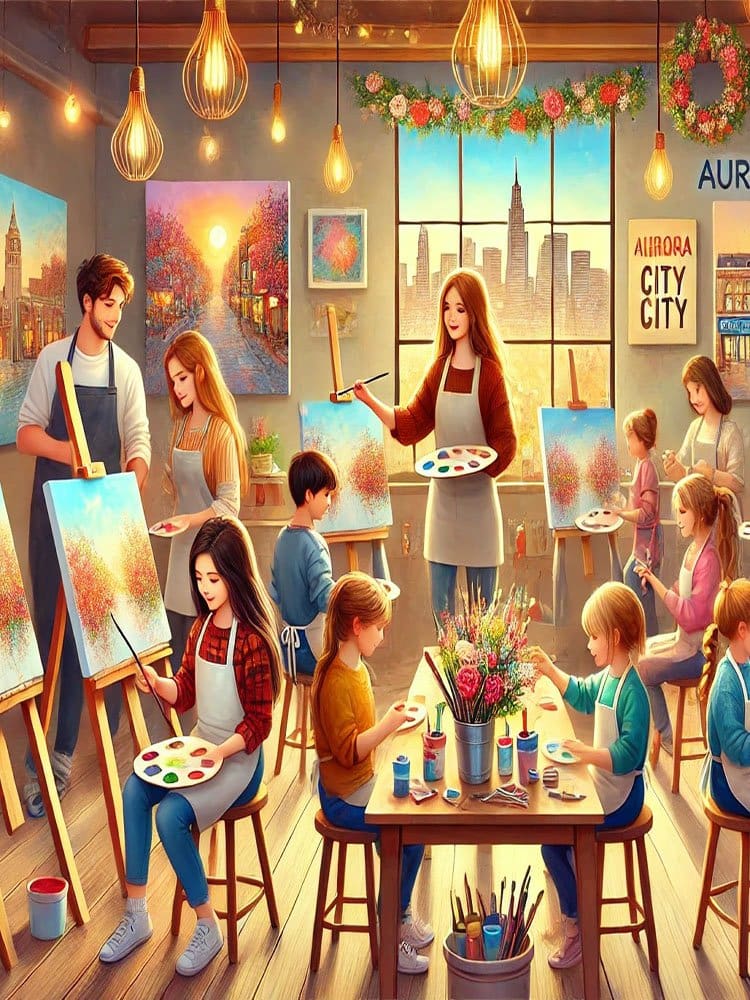

Watercolor painting is a mesmerizing art form, blending fluidity with controlled precision. A structured Painting Class provides the perfect environment for both beginners and experienced artists to refine their technique while exploring the delicate balance of pigment and water.
In a painting class, participants delve into fundamental concepts such as color theory, layering, and brush manipulation. Understanding how water interacts with paper and pigment is crucial for creating luminous washes and intricate details. Skilled instructors guide students through various techniques, from wet-on-wet blending to dry-brush detailing, fostering artistic confidence.
Beyond technical skills, a painting class nurtures creativity and self-expression. The unpredictable nature of watercolor encourages spontaneity, allowing each brushstroke to reveal unexpected beauty. Whether capturing ethereal landscapes, intricate botanicals, or abstract compositions, students cultivate a deeper appreciation for the medium’s versatility.
Additionally, these classes often introduce participants to premium watercolor supplies, emphasizing the importance of high-quality pigments, specialized brushes, and the right paper texture. Such insights enhance both the artistic process and the final outcome.
Watercolor painting is one of the most expressive and rewarding art forms for beginners and experienced artists alike. Its transparent colors, flowing washes, and delicate textures create artwork with a unique sense of light and movement. However, learning to control water, pigment, brushes, and paper can be challenging without proper guidance. This is where a structured painting class can make a significant difference.
Joining a watercolor painting class provides more than technical instruction. It gives students an opportunity to practice consistently, receive professional feedback, explore different artistic techniques, and develop confidence. Instead of trying to understand every watercolor technique alone, students can learn through demonstrations, guided exercises, and practical projects.
A well-designed painting class transforms artistic curiosity into practical skills. Students learn how to mix colors, control water, create smooth washes, develop texture, understand light and shadow, and build depth within a composition. With regular practice, watercolor becomes less unpredictable and much more enjoyable.
Whether you are looking for a beginner painting class, a creative hobby, or a structured way to improve your watercolor skills, understanding the fundamentals can help you get more from every lesson.

Watercolor painting is a timeless medium that combines transparency, fluidity, and spontaneity. Unlike opaque painting mediums, watercolor allows the white of the paper to contribute to the brightness of the artwork. This creates luminous effects that are difficult to reproduce with other materials.
However, watercolor also requires patience and control. Beginners often find it difficult to understand how much water should be placed on the brush. Too much water can create unwanted blooms and weak colors. Too little water can produce harsh edges and uneven washes.
A structured painting class helps students understand these relationships through practical exercises. Instead of learning only from written instructions or online videos, students can observe techniques in real time and immediately apply them to their own artwork.
A watercolor painting class typically introduces essential techniques such as:
Wet-on-wet painting
Wet-on-dry painting
Dry brushing
Layering and glazing
Color mixing
Lifting pigment
Negative painting
Controlled bleeding
Creating gradients
Splattering and texturing
Each technique produces a different visual effect. Wet-on-wet painting is excellent for soft skies and atmospheric backgrounds. Wet-on-dry painting creates sharper edges and is useful for detailed subjects. Dry brushing can create convincing textures for wood, stone, grass, and other rough surfaces.
Learning these techniques in sequence allows students to understand when and why each method should be used.
Many beginners avoid watercolor because they believe they lack drawing or painting skills. A supportive painting class can reduce this hesitation by breaking complex projects into manageable steps.
Students can begin with simple exercises. They may practice lines, shapes, gradients, and basic washes before progressing to landscapes, flowers, still-life paintings, or more detailed compositions.
With regular practice, mistakes become part of the learning process rather than a reason to stop.
Another important advantage of a painting class is the opportunity to learn alongside other artists. Students can observe different approaches to the same assignment and discover new creative ideas.
Instructor feedback also helps identify problems that may be difficult to notice independently. A teacher can explain why a wash became uneven, why a color appears muddy, or how a composition could be improved.
This combination of practice, observation, and feedback creates a more effective learning environment.

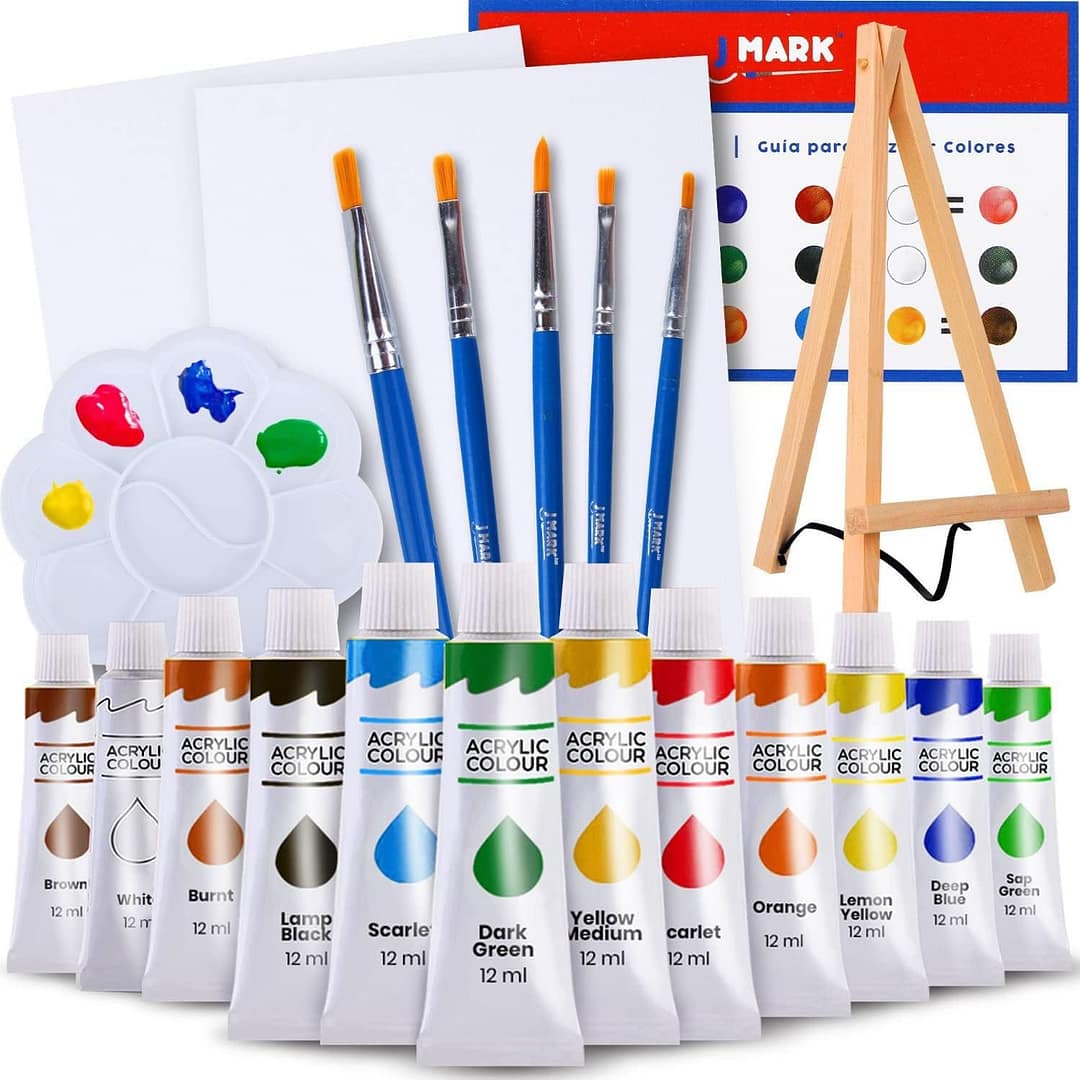
Choosing the right watercolor supplies can make learning easier and more enjoyable. Beginners do not necessarily need the most expensive materials. However, using reliable paper, brushes, and paints can prevent unnecessary frustration.
The three most important supplies are watercolor paper, brushes, and pigments.
Watercolor paper absorbs water differently depending on its weight and texture. Paper quality affects how colors spread, how washes dry, and how many layers can be applied.
Cold-pressed paper has a moderate texture and is one of the most versatile choices for students. It works well for landscapes, portraits, flowers, and general watercolor exercises.
Hot-pressed paper has a smoother surface. It is particularly useful when students want to create fine details, illustrations, or precise lines.
Rough watercolor paper has a more pronounced texture. It can create interesting effects in landscapes and expressive paintings.
A good painting class should introduce students to these differences so they can select paper according to their artistic goals.
Brushes determine how water and pigment are applied to the paper. Round brushes are among the most versatile options because they can create both broad strokes and fine lines.
Flat brushes are useful for large washes, straight edges, and architectural shapes. Mop brushes hold significant amounts of water and are helpful for backgrounds and large areas.
Detail brushes can be used for small features, while rigger brushes are useful for thin lines such as branches, grasses, wires, or fine hair.
Learning how to hold, load, and move a brush is an important part of any effective painting class.
Watercolor paints are available in student-grade and artist-grade varieties. Student-grade paints are generally more affordable and can be useful for beginners. Artist-grade paints usually provide stronger pigmentation, better mixing behavior, and greater color intensity.
Students should also learn about pigment transparency, staining properties, and color temperature. These characteristics influence how colors behave when mixed or layered.
A basic watercolor setup may also include:
A mixing palette
Two water containers
Paper towels
Masking tape
Masking fluid
A pencil and eraser
A spray bottle
A clean sponge
A hairdryer for controlled drying
A professional painting class can demonstrate how each material is used without requiring students to purchase unnecessary supplies.
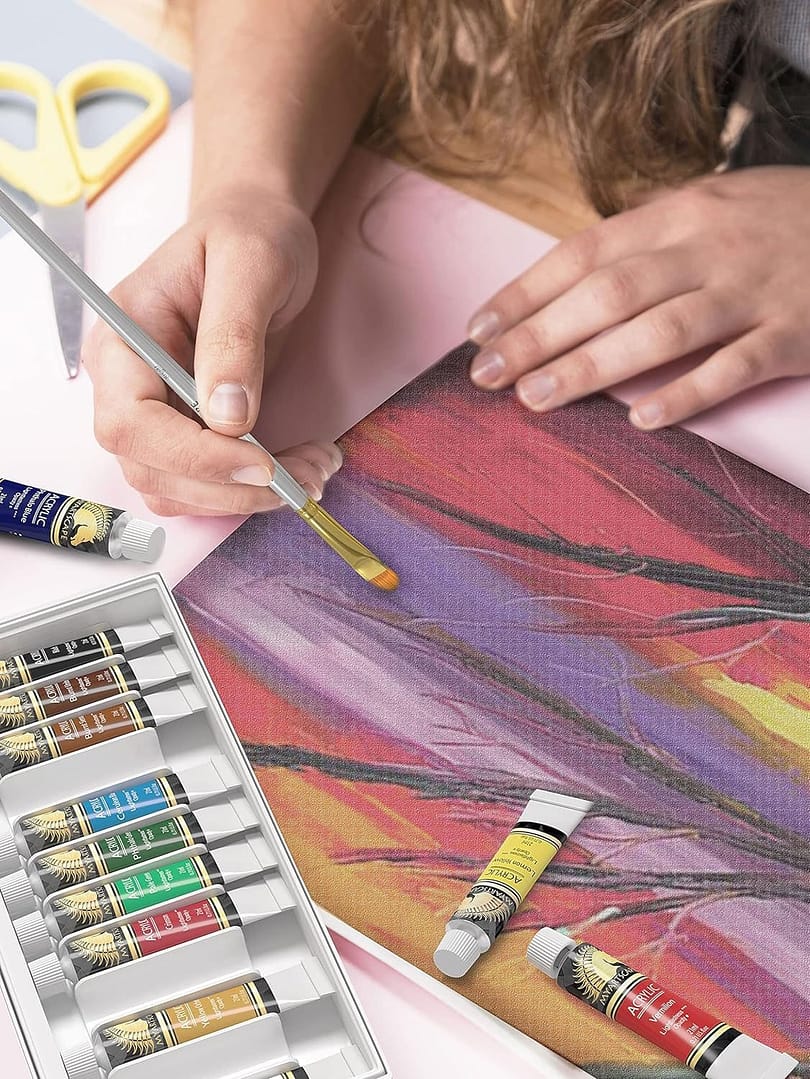
Color theory is one of the most important foundations of watercolor painting. Understanding color relationships allows artists to create harmony, contrast, atmosphere, and visual focus.
A painting class introduces students to primary, secondary, and tertiary colors. Traditionally, artists begin with red, yellow, and blue as primary colors. Mixing primary colors produces secondary colors such as orange, green, and purple.
Further combinations create tertiary colors, which provide greater variety and subtlety.
The color wheel helps artists understand relationships between colors.
Complementary colors appear opposite each other. They create strong visual contrast when used together. Analogous colors sit next to each other and generally create more harmonious compositions.
Color temperature is equally important. Warm colors can suggest sunlight, energy, or closeness. Cool colors can create feelings of calmness, distance, or atmosphere.
A watercolor painting class teaches students how to use these relationships intentionally instead of selecting colors randomly.
One of the most common problems for beginners is creating muddy mixtures. This often happens when too many pigments are mixed together.
Students can avoid this problem by understanding which pigments are being combined and how they interact.
Creating color charts is an excellent exercise. Students can paint small swatches and label their mixtures. Over time, these charts become useful references for future projects.
Color can also communicate distance. Objects in the foreground usually have stronger contrast and more saturated colors. Background elements can become lighter, softer, and less defined.
This principle is particularly important when painting landscapes.
A structured painting class helps students understand how color can influence both mood and spatial depth.
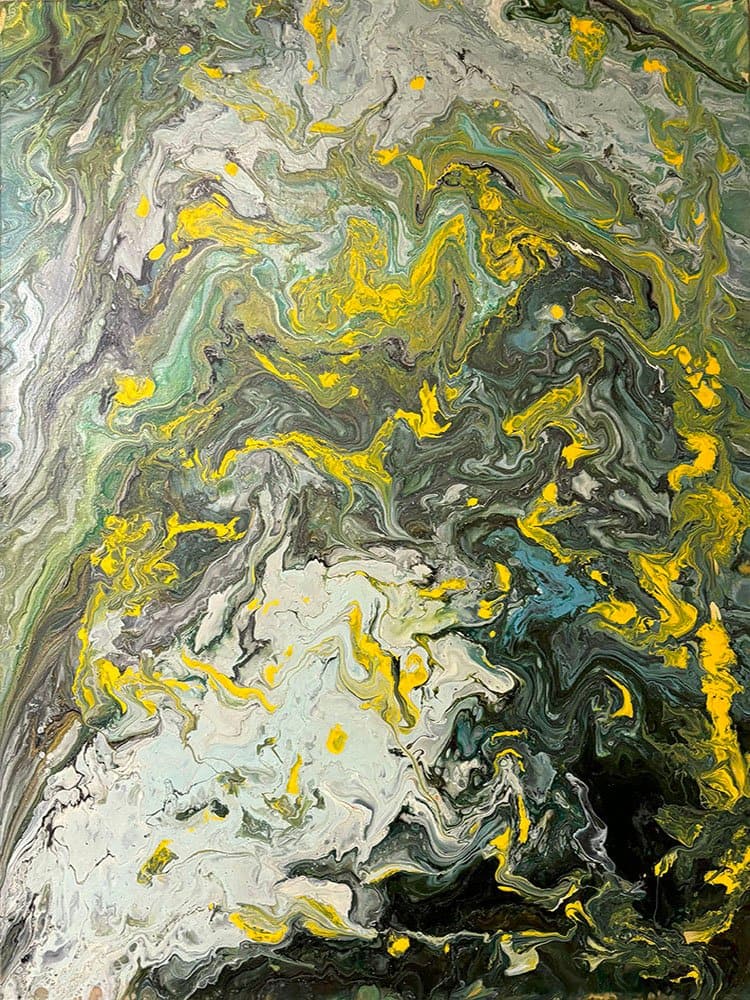
Brush control is fundamental to successful watercolor painting. The appearance of a stroke depends on pressure, angle, speed, water content, and pigment concentration.
Beginners often focus only on the brush itself. However, controlling the relationship between brush, water, pigment, and paper is what produces consistent results.
Wet-on-wet painting involves applying pigment to damp or wet paper. The color spreads naturally and creates soft transitions.
This technique is ideal for:
Clouds
Skies
Atmospheric backgrounds
Reflections
Soft flowers
Distant landscapes
The amount of moisture determines how far the pigment travels.
Wet-on-dry painting involves applying wet pigment to dry paper. This produces more controlled edges and is useful for detailed subjects.
Students often use this method for architectural details, leaves, facial features, branches, and foreground objects.
Dry brushing uses relatively little water. The brush skips across the paper texture, producing broken and expressive marks.
This technique is particularly effective for rocks, tree bark, grass, sand, and other textured surfaces.
As students become more comfortable, they can explore:
Splattering
Lifting
Negative painting
Controlled blooms
Softening edges
Color bleeding
Layered brushwork
Fine-line work
A hands-on painting class provides an opportunity to practice these techniques repeatedly until they become more natural.
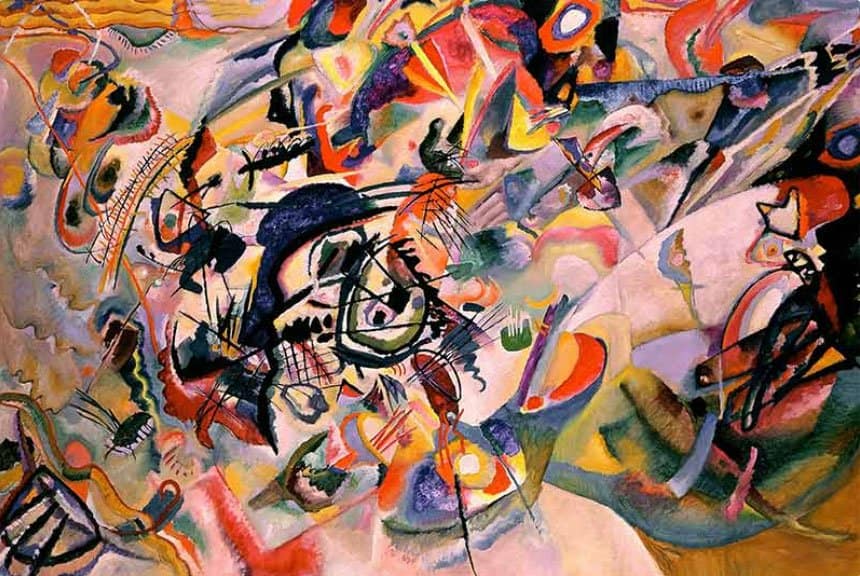
Creating depth is essential when an artist wants a two-dimensional sheet of paper to appear three-dimensional.
Layering is one of the most effective watercolor techniques for developing depth. Artists can begin with pale washes and gradually add stronger colors as the painting develops.
Because watercolor is transparent, each layer influences the layers beneath it. This creates luminous and complex color relationships.
Linear perspective uses vanishing points and converging lines to create spatial depth. It is particularly useful when painting buildings, roads, bridges, interiors, and other structured subjects.
Atmospheric perspective works differently. Objects become lighter, cooler, and less detailed as they move farther into the distance.
A painting class can combine both forms of perspective to create convincing landscapes and environments.
Contrast helps establish focal points. Stronger contrast often attracts attention, while softer contrast can push objects into the background.
Artists can use differences in:
Light and dark values
Warm and cool colors
Sharp and soft edges
Saturated and muted colors
Detailed and simplified areas
Understanding these relationships helps students create paintings that feel more intentional.
Composition determines how visual elements are arranged within the artwork.
The rule of thirds divides the image into nine sections. Placing important elements near these intersections can create a balanced composition.
Other useful composition strategies include leading lines, framing, repetition, and controlled negative space.
A good painting class teaches students not only how to paint objects but also how to decide where those objects should appear.
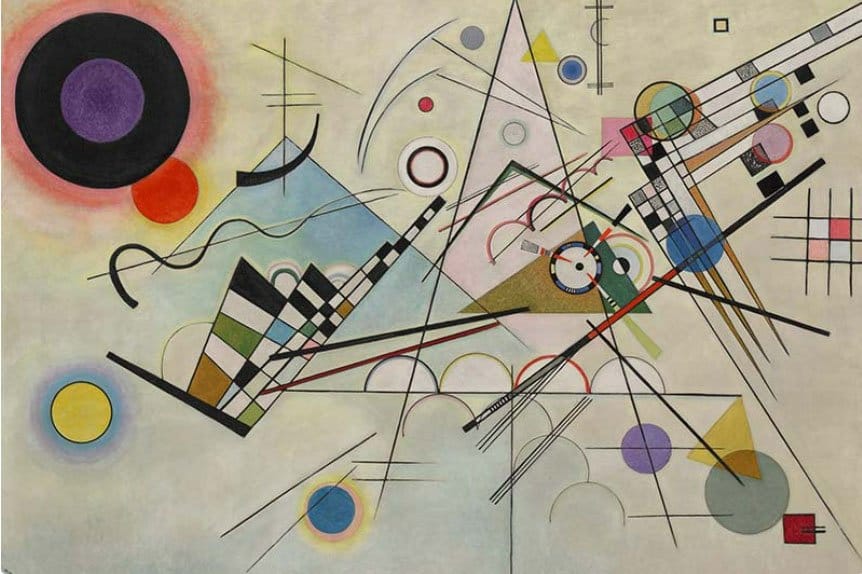
Texture adds visual interest and can make watercolor paintings feel more natural and expressive.
Artists can create texture through both brushwork and unconventional materials.
Dry brushing creates broken marks. Salt can produce distinctive crystalline patterns when applied to wet pigment. A sponge can create irregular surfaces that resemble foliage, clouds, or natural materials.
Wax resist can preserve areas of the paper and create interesting highlights. Scraping can introduce sharp marks and rough textures.
Different subjects require different approaches.
Tree bark may benefit from dry brush marks. Leaves can be created through layered shapes. Rocks can be developed with irregular edges and value changes. Water can be represented using horizontal strokes and carefully controlled reflections.
A watercolor painting class allows students to experiment with these techniques through practical projects rather than simply memorizing instructions.
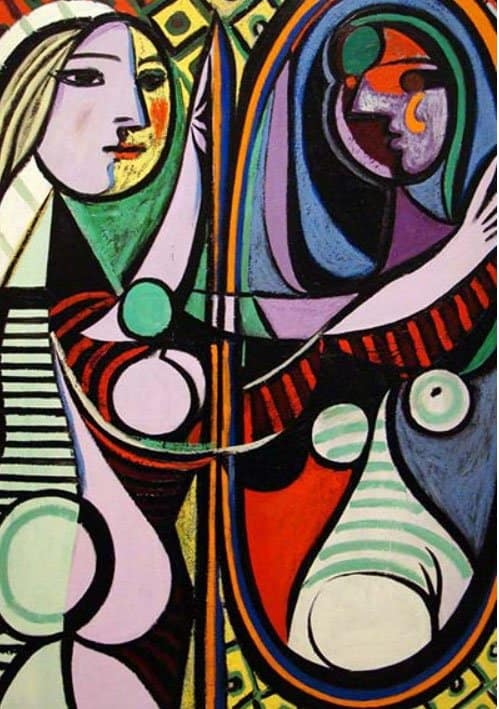
Light and shadow are essential for creating realism and dimension. Even a simple watercolor painting can become much more convincing when the artist understands where the light originates.
Students should first identify the main light source. They can then determine which areas receive direct light, reflected light, or shadow.
Value refers to how light or dark an area appears. Strong value differences can make forms easier to understand.
Before adding many colors, students can practice creating simple value studies. These exercises help them understand the structure of an image before focusing on color.
In watercolor, highlights are often preserved by leaving the paper untouched. This is one reason planning is particularly important.
Masking fluid can also protect small highlights. However, artists should use it carefully and remove it only after the surrounding paint has completely dried.
A painting class can demonstrate these processes step by step and help students avoid common mistakes.
Shadows should not always be painted as simple gray or black areas. Depending on the environment, shadows can contain blues, violets, greens, or other reflected colors.
Learning to observe these subtle differences creates more natural paintings.
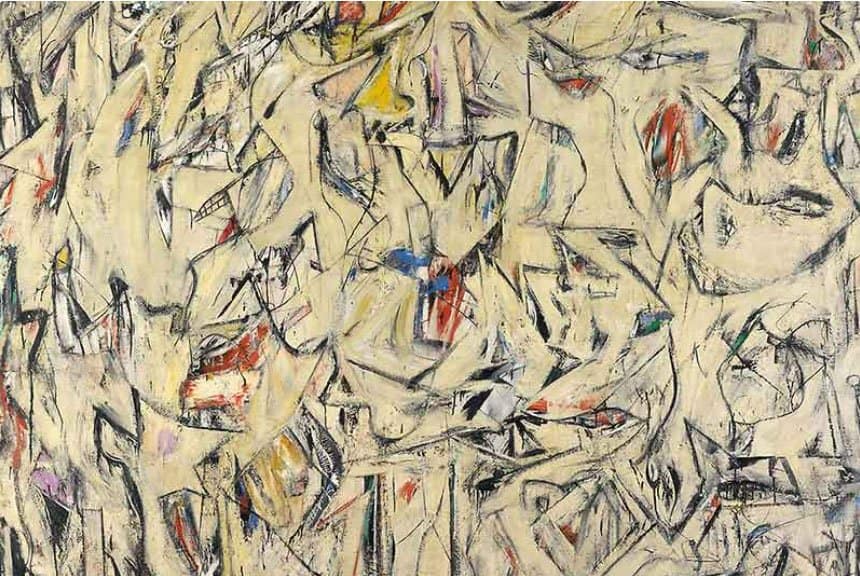
Landscapes are among the most popular subjects for watercolor students. They provide opportunities to practice skies, trees, mountains, water, buildings, and atmospheric perspective.
A beginner can start with a simple landscape containing a sky, distant mountains, a middle ground, and a foreground.
The background should generally contain softer edges and lighter values. Foreground elements can contain stronger contrast and more visible details.
Skies can be created using smooth gradients, wet-on-wet techniques, or layered washes.
Students can experiment with different moisture levels to create clouds and atmospheric effects.
Trees do not need to be painted leaf by leaf. Instead, artists can establish the overall mass of foliage first and then add selected details.
This approach creates a more natural result and prevents the painting from becoming overly detailed.
A structured painting class can teach students how to simplify complex natural subjects into manageable shapes.
Technical knowledge is important, but artistic development goes beyond technique.
After learning the fundamentals, students can begin experimenting with different subjects, color palettes, compositions, and brushwork.
Some artists prefer realistic watercolor paintings. Others enjoy loose, expressive washes. Some combine watercolor with ink, colored pencil, or mixed media.
A good painting class should encourage experimentation rather than forcing every student to produce identical artwork.
Personal style develops gradually through repeated practice and creative exploration.

Understanding common mistakes can accelerate learning.
One frequent problem is using too much water. Excess moisture can cause uncontrolled blooms and weak colors.
Another mistake is applying dark pigment too early. Watercolor often works best when artists gradually build values through transparent layers.
Overworking the paper is another common issue. Excessive brushing can damage the surface and make colors appear dull.
Beginners may also neglect planning. Because watercolor is relatively transparent, some corrections can be difficult.
A supportive painting class helps students recognize these problems and develop better habits through guided practice.

Consistent practice is one of the most effective ways to improve.
Students do not need to complete a large painting every day. Short exercises can produce significant progress.
A useful practice routine might include:
5 minutes: Brush-control exercises.
10 minutes: Color mixing and gradients.
15 minutes: Small studies of simple objects.
20–30 minutes: A focused watercolor project.
Keeping a sketchbook can also help students record ideas, color combinations, and observations.
The goal is not to create perfect paintings every time. The goal is to understand what works, identify mistakes, and gradually improve.
Not every class is designed for the same type of student.
Beginners should look for courses that explain basic materials, color mixing, brush control, washes, composition, and foundational techniques.
Intermediate students may benefit from more advanced subjects such as portrait painting, landscape composition, atmospheric perspective, glazing, and expressive brushwork.
Students should also consider the class format. Some prefer small in-person groups because they enjoy direct instructor feedback. Others may prefer online lessons for flexibility.
The best painting class is one that matches your current ability while providing enough challenge to encourage growth.

Learning watercolor through structured instruction offers several benefits.
Students receive organized lessons rather than having to determine what to study next. They can ask questions when they encounter difficulties and receive feedback on their technique.
A class also creates accountability. Having regular lessons encourages students to continue practicing.
Social interaction is another benefit. Sharing artwork with other students can provide motivation and inspiration.
Most importantly, a painting class can turn watercolor from a confusing hobby into a structured and enjoyable learning journey.
Improvement in art rarely happens overnight. It develops through observation, experimentation, repetition, and patience.
Students who initially struggle with color mixing may eventually create sophisticated palettes. Those who have difficulty controlling water can gradually develop a better sense of moisture and timing.
Each successful exercise builds confidence.
Over time, students begin making artistic decisions independently. They no longer need to think about every brush movement. Techniques become more intuitive, allowing creativity to take a larger role.
This is one of the greatest benefits of participating in a consistent painting class.
Watercolor offers endless opportunities for creative exploration. From delicate flowers and peaceful landscapes to expressive abstract compositions, the medium can adapt to many artistic styles.
However, learning watercolor does not have to be a frustrating process. The right instruction can simplify difficult concepts and provide practical experience with techniques, materials, color, composition, light, and texture.
A structured painting class gives students the opportunity to learn step by step, practice consistently, receive feedback, and develop their own artistic voice.
Whether you are completely new to painting or already have some experience, watercolor can become a rewarding creative practice.
If you have been waiting for the right opportunity to start painting, now is the time to begin. Join a supportive painting class, learn essential watercolor techniques, experiment with color and composition, and create artwork you can be proud of.
Start your artistic journey today and discover what you can create with watercolor.