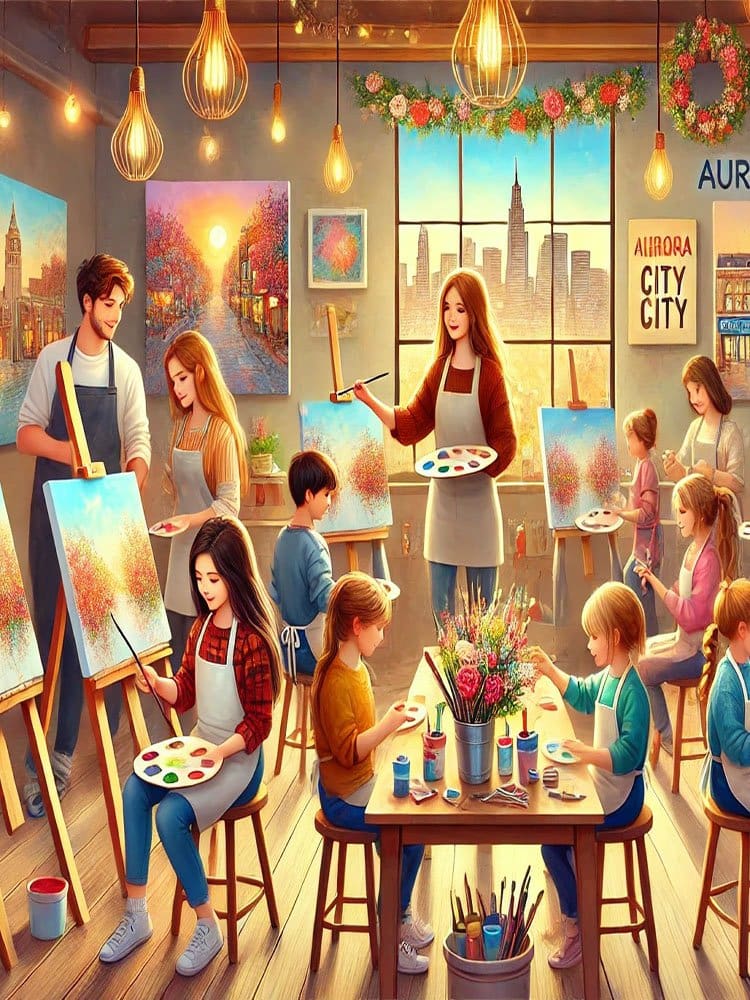

Embarking on a Painting Class is a transformative venture into the realm of artistic expression. Mastering foundational principles beforehand can significantly enhance your creative journey.
Familiarize yourself with the fundamentals of color theory. Understanding the interplay of primary, secondary, and tertiary hues is imperative. Colors evoke emotions, create spatial illusions, and breathe life into your artwork. Delve into the subtle dynamics between warm and cool palettes, and practice mixing to achieve nuanced shades. Such expertise not only enriches your technique but also fosters an intrinsic understanding of visual balance.
Equally essential is exploring diverse brush techniques. Experiment with dry brushing, glazing, and impasto methods to build tactile sensitivity. Each stroke conveys a unique narrative—swift or deliberate—empowering you to render texture and depth with precision. Short, vigorous experiments often yield unexpected insights, while long, methodical sessions cultivate refined control over your medium.
A rudimentary comprehension of composition and perspective further elevates your artistry. Grasp the significance of the rule of thirds, leading lines, and vanishing points. Sketching simple forms regularly nurtures an intuitive sense of proportion and spatial arrangement. This disciplined practice ultimately transforms theoretical knowledge into creative prowess.
Lastly, immerse yourself in art history. Investigate seminal movements and luminary figures to understand the evolution of techniques and styles. Historical insights inspire innovative interpretations and broaden your creative vision.

Embarking on a painting class is an exciting way to explore color, composition, technique, and personal creativity. Whether you are completely new to painting or already have some experience, preparing before your first lesson can make the learning process easier and more enjoyable. You do not need to become an expert before entering the studio. However, having a basic understanding of art concepts can help you understand demonstrations, follow instructions, and make more confident creative decisions.
A successful learning experience is not only about producing a finished painting. It is also about learning how to observe, experiment, solve visual problems, and understand why certain techniques work. Painting requires both technical knowledge and personal expression. For this reason, students can benefit from combining theoretical study with practical experimentation.
Before joining a painting program, it is useful to become familiar with fundamental concepts such as color theory, composition, perspective, brushwork, and different painting mediums. Learning about art history and observing the work of other artists can also broaden your understanding of artistic possibilities.
Most importantly, remember that every student develops at a different pace. Your first paintings may not look exactly as you imagined. That is a normal part of learning. Regular practice, constructive feedback, and patience can gradually help you develop stronger technical and creative skills.
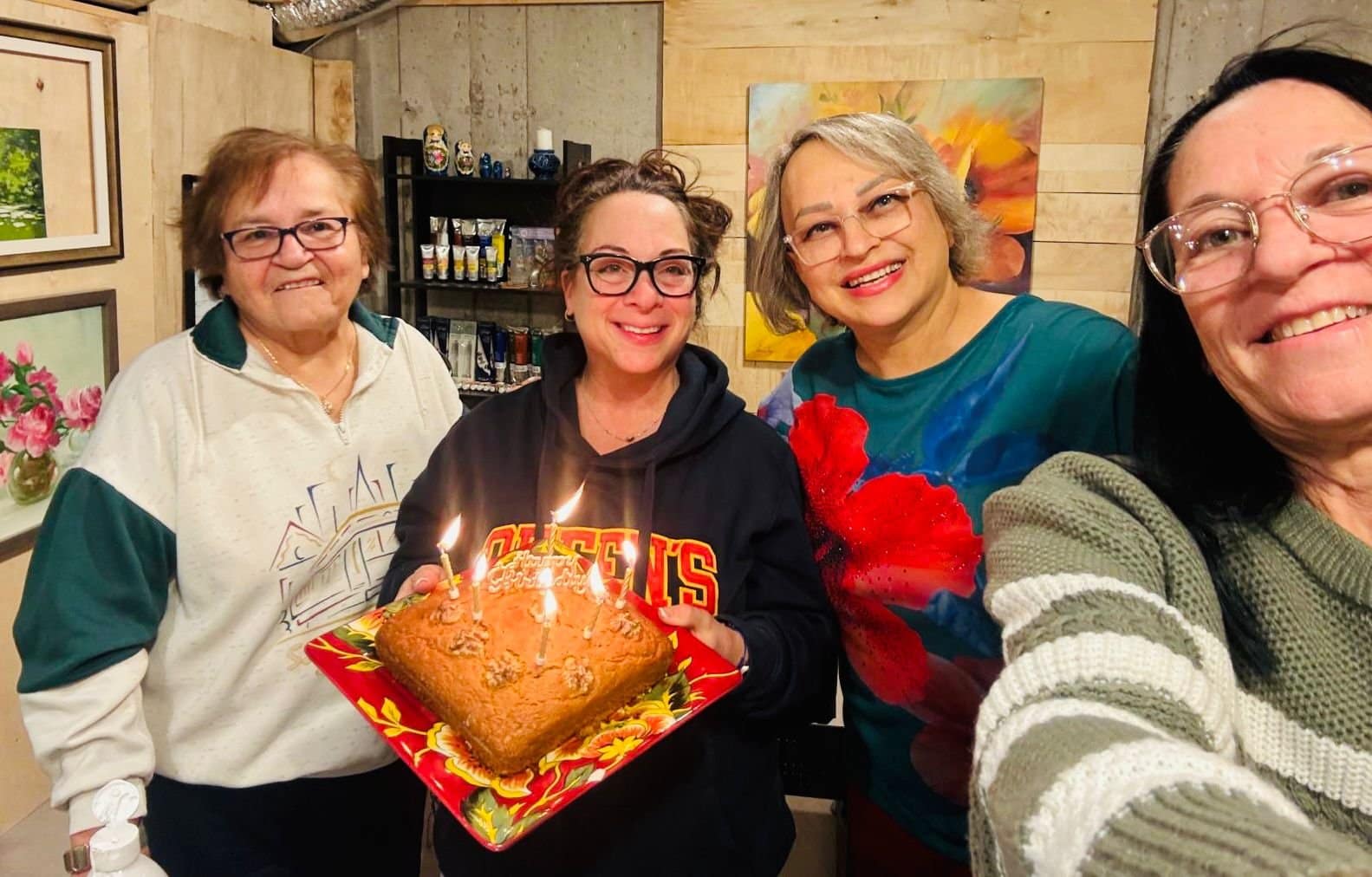
Before attending a painting class, it is helpful to understand some of the basic elements that artists use to create visual harmony. These concepts provide a foundation for making decisions about color, shape, space, texture, and composition.
You do not need to memorize every artistic principle before your first lesson. Instead, think of these ideas as useful tools. Your instructor can demonstrate how they work in practice and show you how to apply them to different subjects.
Color is one of the most important elements of painting. Understanding basic color relationships can help you mix more accurate colors and create a stronger visual effect.
The traditional color wheel introduces several important concepts:
Primary Colors: In traditional painting instruction, red, yellow, and blue are commonly presented as primary colors.
Secondary Colors: These are created by combining primary colors. For example, blue and yellow can produce green.
Tertiary Colors: These result from mixing a primary color with a neighboring secondary color.
Warm Colors: Reds, oranges, and yellows are generally described as warm colors.
Cool Colors: Blues, greens, and some purples are generally considered cool colors.
Complementary Colors: These are positioned opposite each other on the color wheel and can create strong visual contrast.
Analogous Colors: These are colors located close to each other on the color wheel and can create a more harmonious palette.
Understanding these relationships makes color mixing less intimidating. Instead of randomly combining paints, you can begin to predict how different colors will interact.
Color theory also involves more than simply identifying colors. Artists consider value, saturation, temperature, and contrast. A color can appear different depending on the colors surrounding it. Learning to observe these relationships is an important part of developing your artistic eye.
Value refers to how light or dark a color appears. Learning to recognize value is particularly important when painting objects, landscapes, portraits, and still life compositions.
A painting can contain many different colors but still appear flat if the values are too similar. Strong differences between light and dark areas can help create depth and direct attention toward important parts of the composition.
Before attending a class, try observing everyday objects under different lighting conditions. Notice where the strongest highlights appear and where shadows become deeper. This simple exercise can improve your ability to see value relationships.
A painting class will introduce different brush techniques, but becoming familiar with basic terminology beforehand can make demonstrations easier to follow.
Some common techniques include:
Dry Brush: Using a relatively small amount of paint to create a textured or broken effect.
Glazing: Applying a thin, transparent or semi-transparent layer over an existing layer to modify color and depth.
Scumbling: Applying a relatively thin layer of paint over another layer to create a textured or softened visual effect.
Impasto: Applying paint in thick layers so that brush or palette-knife marks remain visible.
Blending: Gradually transitioning between colors or values.
Layering: Building a painting through multiple applications of paint.
Wet-on-Wet: Applying fresh paint onto a surface that is still wet.
Wet-on-Dry: Applying paint to a dry surface, which generally provides more control over edges and shapes.
Different mediums respond differently to these techniques. A method that works well with oils may require modification when working with acrylics or watercolors.
The goal is not to master every technique immediately. Instead, becoming familiar with the basic vocabulary can help you understand your instructor and recognize different approaches during demonstrations.
Composition refers to how visual elements are arranged within an artwork. A strong composition can help guide the viewer’s attention and create a sense of balance.
Several composition concepts are useful for beginners:
Rule of Thirds: Dividing the image into sections and positioning important elements near key intersections.
Leading Lines: Using lines, edges, or shapes to guide the viewer’s eye.
Focal Point: Creating an area that attracts particular attention.
Balance: Distributing visual weight throughout the composition.
Negative Space: Considering the areas around and between objects.
Repetition: Repeating shapes, colors, or patterns to create visual unity.
Contrast: Using differences in value, color, size, or texture to create emphasis.
Perspective is another important concept. It helps artists create the impression of depth on a two-dimensional surface.
One-point perspective uses a single vanishing point. Two-point perspective uses two vanishing points and is often useful when drawing buildings or objects from an angle. You do not need advanced perspective skills before your first class, but understanding the basic idea can make structured drawing exercises easier.
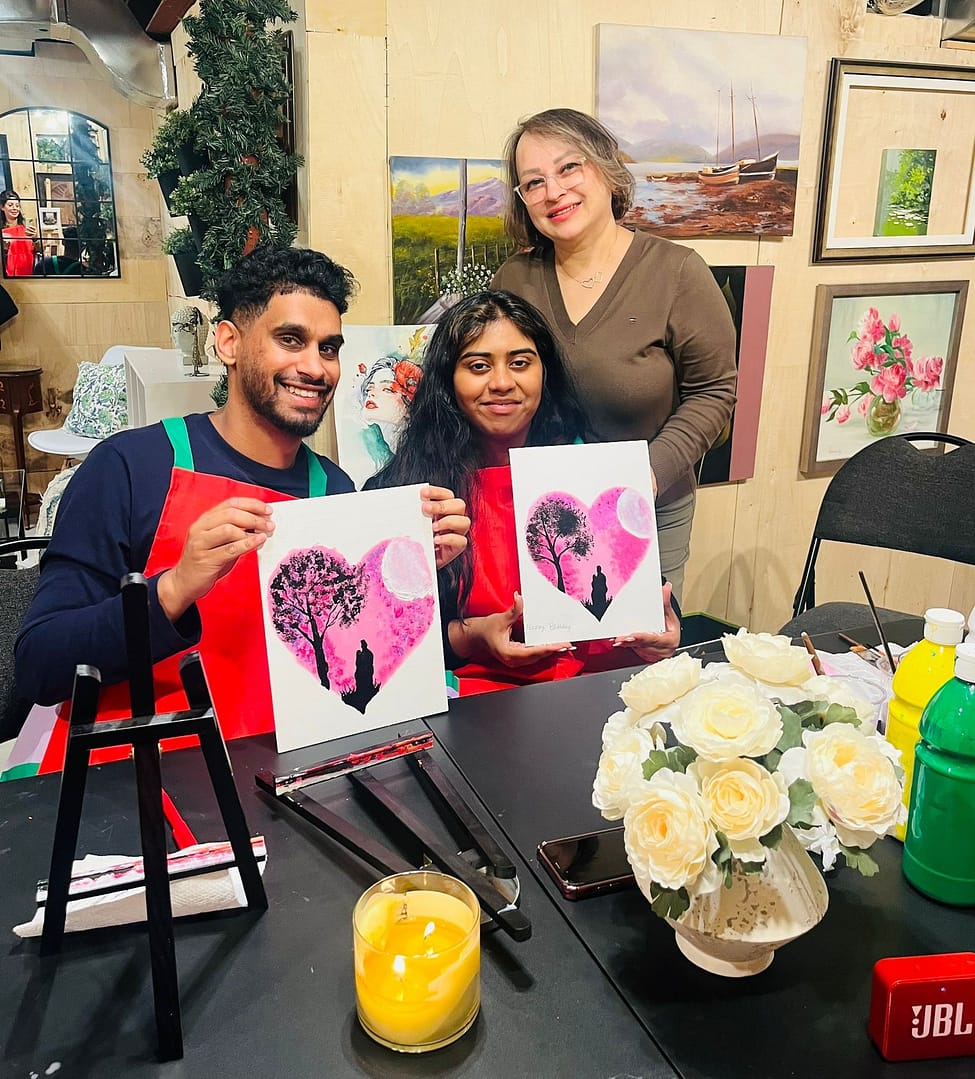
One of the most useful abilities for a painter is learning how to observe carefully. Painting is not simply about knowing how to use a brush. It is also about seeing relationships between shapes, colors, values, edges, and proportions.
Beginners often paint what they believe an object should look like rather than what they actually see. For example, a tree may be mentally represented as a simple green shape. When you observe a real tree carefully, you may notice many variations in color, texture, shadow, and structure.
Before joining a class, practice looking at ordinary objects for several minutes. Choose a cup, fruit, plant, building, or household object. Observe its overall shape before focusing on small details.
Ask yourself:
What is the basic shape?
Where is the light coming from?
Which areas are the lightest?
Which areas are darkest?
What colors do I actually see?
How does the object relate to the surrounding space?
Which edges are sharp and which are softer?
These questions can help you become a more careful observer.

Before joining a painting class, it is useful to become familiar with different painting mediums. Each medium has its own characteristics, drying time, texture, and working methods.
Acrylic paint is popular because it is versatile and generally dries relatively quickly. It can be applied in thin layers or used more heavily for textured effects.
Acrylics can be suitable for beginners because they allow students to experiment with different techniques without waiting as long between layers. They can also be used on a variety of prepared surfaces.
However, the fast drying time can make blending more challenging. Students may need to work efficiently or use techniques designed specifically for acrylic paint.
Oil paint is known for its rich color and extended working time. Because it dries slowly, artists can spend more time blending colors and refining transitions.
Oil painting can be rewarding for students who enjoy gradual development and detailed work. At the same time, it requires attention to materials, studio practices, drying times, and cleaning procedures.
Beginners should follow their instructor’s guidance when handling oil paints and related materials.
Watercolor is a fluid medium that often produces transparent and luminous effects. Water plays a central role in controlling the movement and intensity of the paint.
Unlike some other mediums, watercolor often requires students to plan carefully because lighter areas may depend on preserving the paper rather than adding white paint.
Learning to control water, pigment, edges, and layering can take practice. However, these challenges are also part of what makes watercolor distinctive.
Gouache is a water-based medium with a more opaque appearance than traditional transparent watercolor. It can produce strong areas of color while still allowing artists to work with relatively fluid techniques.
Gouache is often useful for illustrations, studies, design work, and expressive paintings. Students can experiment with both broad shapes and smaller details.
Mixed media involves combining different artistic materials or techniques in one artwork. For example, an artist may combine acrylic paint with ink, charcoal, collage materials, or other media.
Mixed-media projects can encourage experimentation and help students discover unusual textures and visual effects. They can also provide an opportunity to move beyond traditional painting methods.

There is no single painting medium that is best for everyone. Your choice may depend on the type of artwork you enjoy, your available space, your preferred working speed, and the teaching format of the class.
If you enjoy quick experimentation, acrylic may be a practical starting point. If you prefer slow blending and layered development, oil painting may be more appealing. Watercolor can be a good choice for students who enjoy transparency and fluid effects.
You can also explore several mediums before deciding which one suits you best. A beginner-friendly program may introduce different materials and help students understand their characteristics.

Art history can provide valuable context for understanding different artistic approaches. You do not need extensive academic knowledge to benefit from studying major art movements.
Learning about artists from different periods can show you how painters approached subjects, materials, composition, color, and visual expression.
Some important movements to explore include:
Impressionism: Artists explored light, atmosphere, color, and everyday scenes in new ways. Claude Monet and Pierre-Auguste Renoir are well-known examples.
Cubism: Artists such as Pablo Picasso and Georges Braque explored fragmented forms and multiple viewpoints.
Surrealism: Artists such as Salvador Dalí and René Magritte created imaginative works influenced by dreams and unusual combinations of ideas.
Realism: Realist artists focused on representing subjects in recognizable and often carefully observed ways. Gustave Courbet is an important historical example.
Post-Impressionism: Artists such as Vincent van Gogh and Paul Cézanne developed approaches that moved beyond traditional Impressionist concerns.
Abstract Art: Abstract artists may emphasize color, shape, line, texture, and movement rather than realistic representation.
Studying these movements can help students understand that painting does not have to follow one universal formula.

Looking at the work of established artists can be useful, but copying a famous painting should not be the only form of study. Instead, try to understand the decisions behind the artwork.
Ask yourself why the artist selected certain colors. Consider how the composition directs your attention. Look at the relationship between light and shadow. Examine brushwork, edges, texture, and the treatment of space.
This type of observation can help you develop your own visual vocabulary.
The goal is not to reproduce another artist’s work exactly. The goal is to understand different artistic possibilities and use that knowledge to inform your own creative decisions.

Developing an artistic eye takes time. It involves learning to notice details that may initially seem insignificant.
You can practice by observing paintings, photographs, architecture, nature, and everyday objects. Try to identify shapes before thinking about specific objects. For example, instead of immediately seeing a chair, notice the rectangles, angles, negative spaces, and overlapping shapes that make up its structure.
You can also compare different versions of the same subject. Observe how lighting, viewpoint, color, and composition change the visual result.
Regular observation can gradually improve your ability to translate what you see onto a canvas.
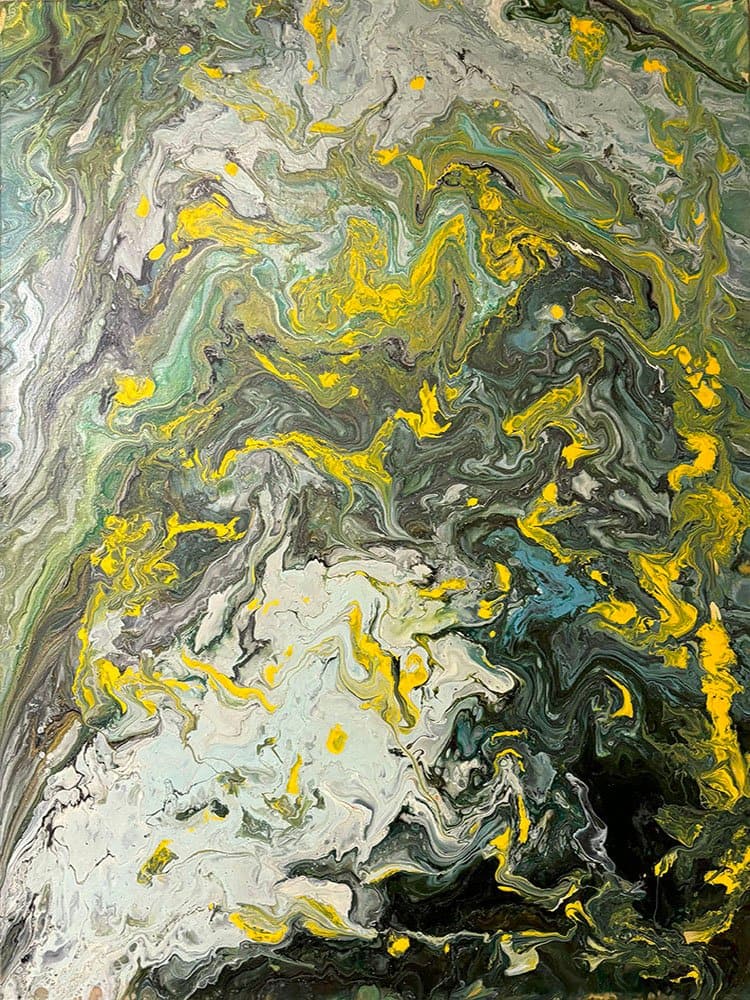
Sketching can be a useful preparation for painting. It helps students understand proportion, placement, shape, and composition before adding color.
You do not need to produce polished drawings. Simple sketches can be enough.
Try making quick studies of:
household objects
plants and flowers
landscapes
buildings
people
animals
still life arrangements
Focus on the overall shape rather than small details. You can also create small thumbnail sketches to experiment with different compositions before beginning a larger painting.
This process can save time because it allows you to identify compositional problems before investing significant effort in the final artwork.
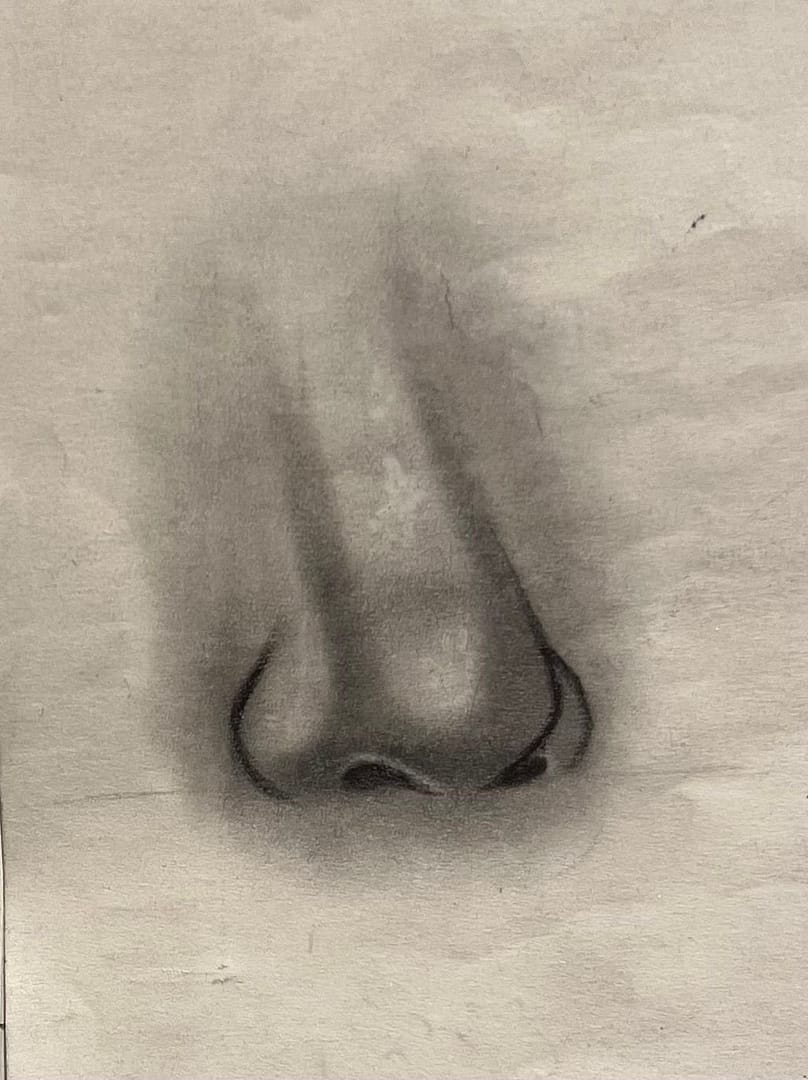
Light and shadow are essential elements of many painting styles. They help create the appearance of volume and depth.
Before attending a class, observe how light changes the appearance of an object. Place a simple object near a window and observe it at different times of day.
Look for:
highlights
midtones
cast shadows
reflected light
darker core areas
changes in color temperature
You may notice that shadows are not simply black or gray. They can contain subtle variations of blue, purple, green, brown, or other colors depending on the environment and light source.
Learning to observe these variations can make your paintings more convincing.
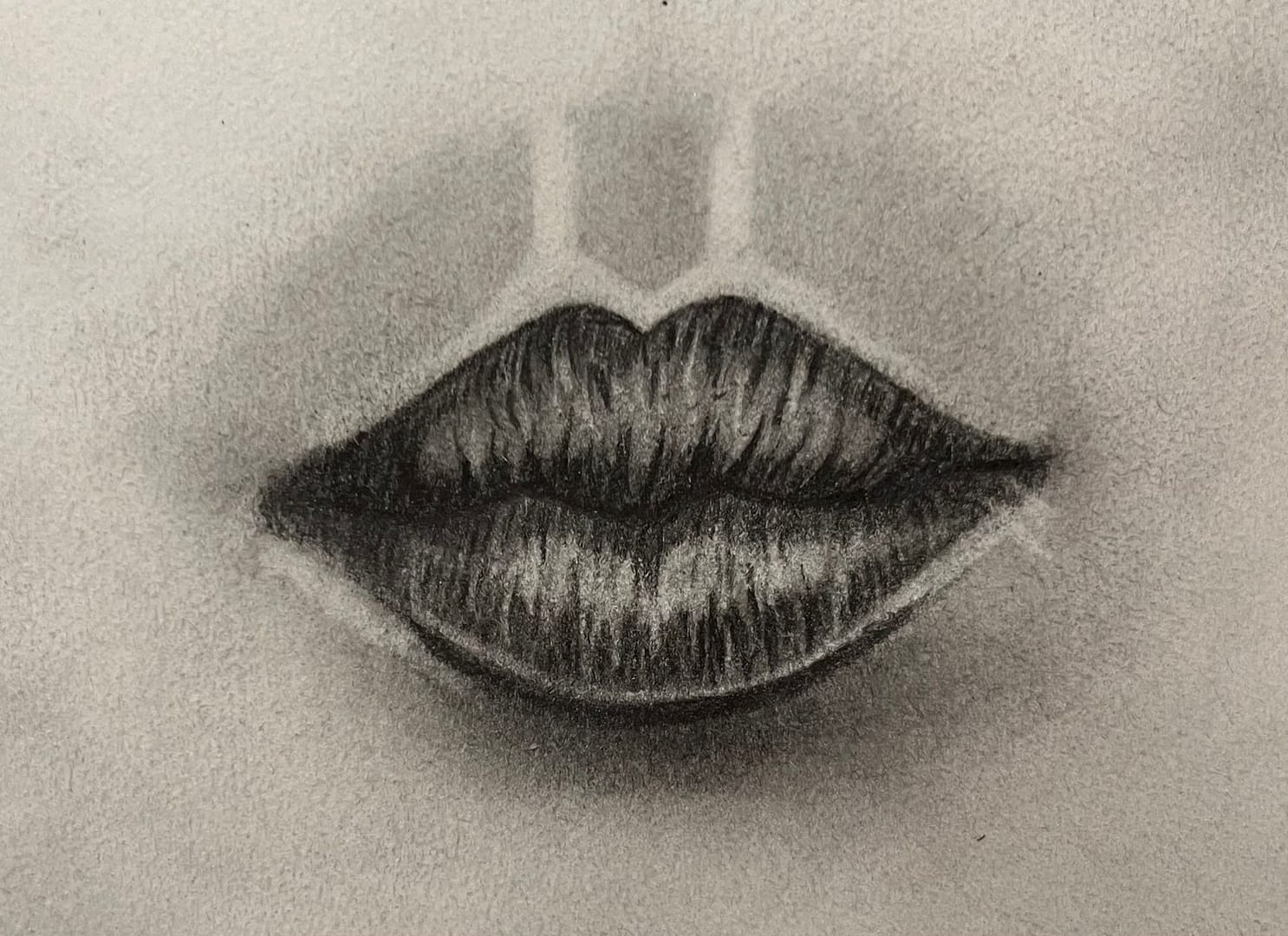
Many beginners start with small details too early. A more effective approach is often to establish the largest shapes first.
Think of a painting as a collection of major forms. Identify the main subject, background, foreground, and large areas of light and dark.
Once these relationships are established, smaller details can be added gradually.
This approach can make the painting process more manageable. It also reduces the risk of creating detailed areas that do not fit the overall composition.
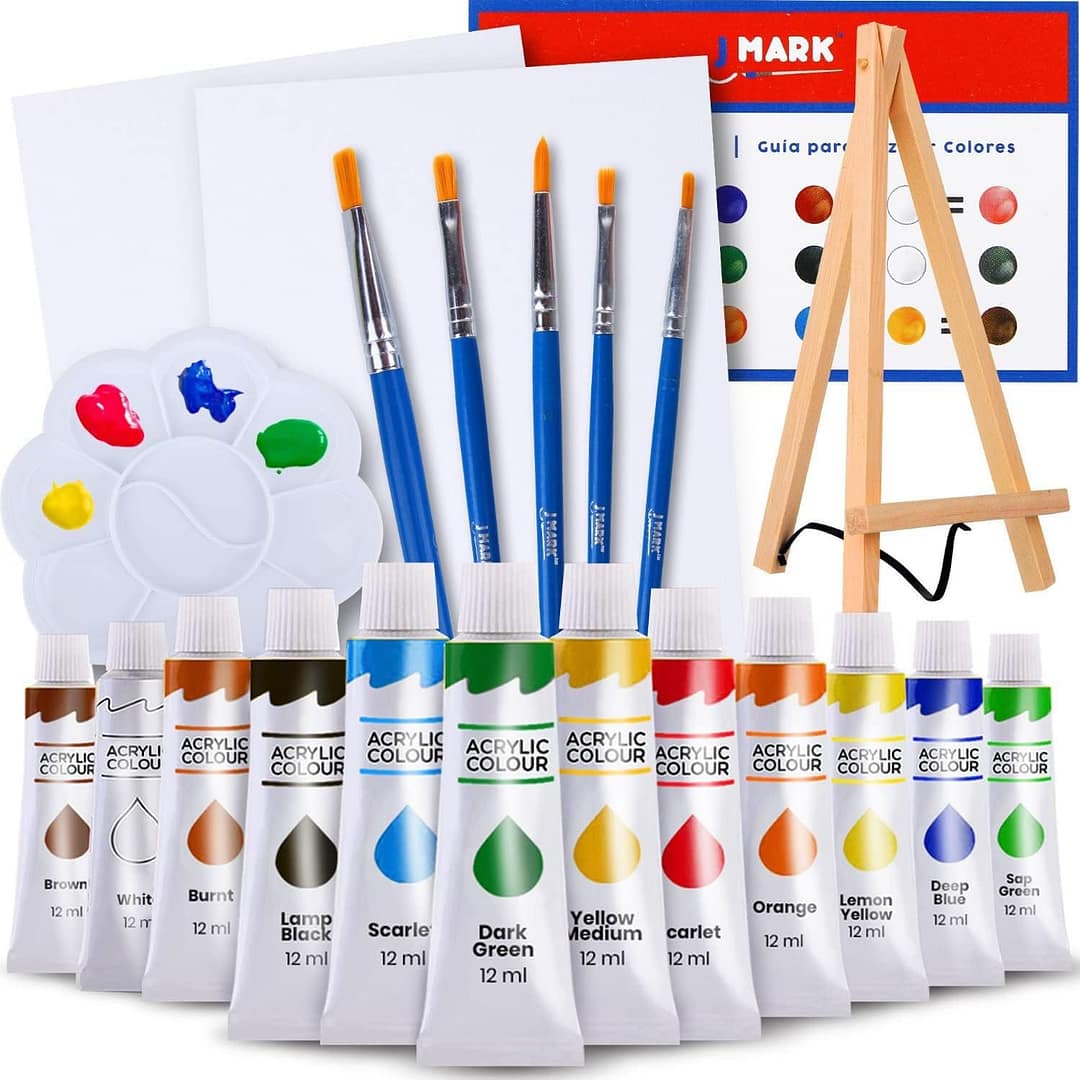
Before attending your first class, check which materials are provided by the studio and which supplies you need to bring.
Depending on the program, you may need:
paints
brushes
canvas or painting paper
palette
water container
apron
pencils
eraser
paper towels
sketchbook
Do not purchase large quantities of supplies before checking the instructor’s recommendations. Different painting techniques may require different types of paint, brushes, surfaces, or other materials.
A beginner may also benefit from starting with a simple selection of quality supplies rather than purchasing a large collection of products.
One important mindset to develop before joining a painting class is that not every painting needs to become a finished masterpiece.
Practice paintings are valuable because they allow you to experiment. You may use one canvas to test colors, another to practice brushwork, and another to study light and shadow.
Some experiments will work well. Others may not.
Both outcomes provide useful information. A painting that does not meet your expectations can still teach you something about color mixing, composition, materials, or technique.
Viewing mistakes as part of the learning process can make it easier to experiment.
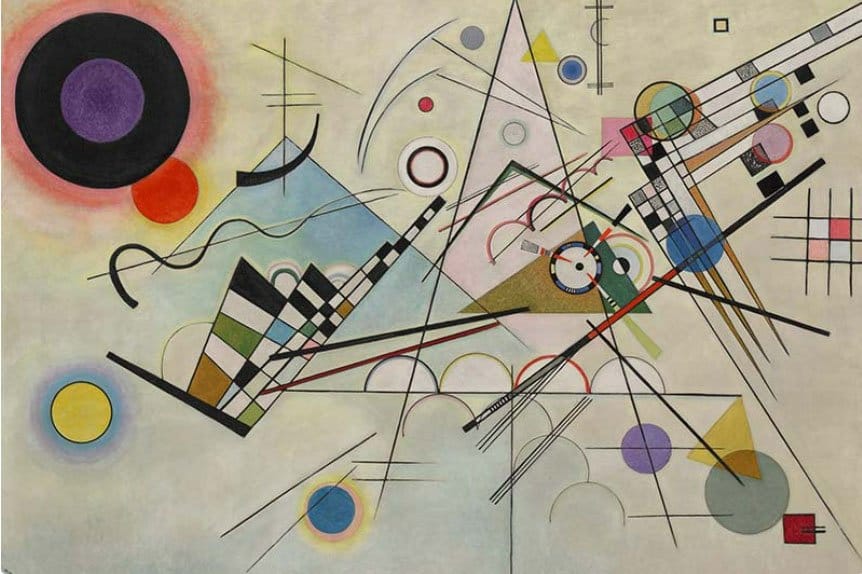
Many adults hesitate to begin painting because they believe their work needs to look professional immediately. This expectation can make learning unnecessarily stressful.
Painting is a skill that develops through practice. Early mistakes are normal and often useful.
You may mix the wrong color, make a shape too large, create an unwanted edge, or place an object incorrectly. These experiences help you understand what to change next time.
A supportive learning environment can make experimentation easier. Constructive feedback can also help students understand how to improve without feeling discouraged.
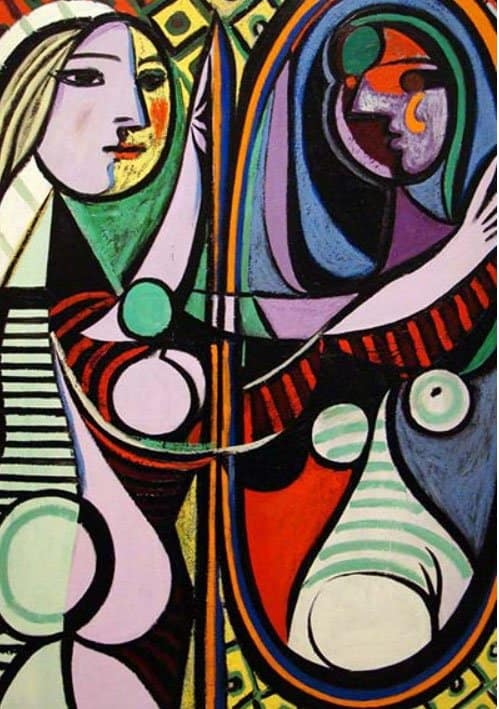
Before joining a painting class, explore different styles and consider what attracts you.
You may prefer:
realistic painting
impressionistic approaches
abstract art
expressive painting
landscape painting
portrait painting
still life
floral painting
contemporary approaches
mixed-media artwork
Your preference may also change as you gain experience. A student who begins with realistic painting may later become interested in abstraction or expressive techniques.
There is no need to choose one permanent style at the beginning of your artistic journey.
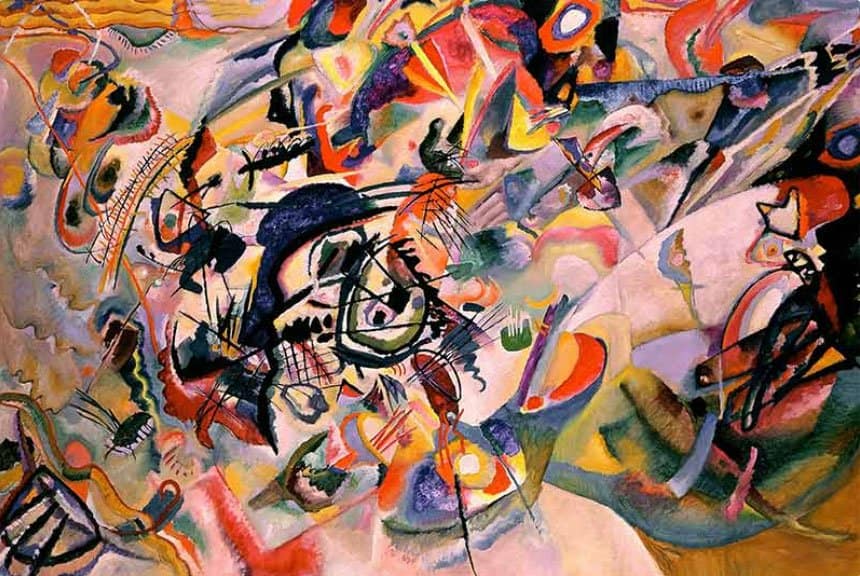
Setting realistic goals can help you get more from your classes. Instead of expecting to master painting after a few lessons, focus on smaller achievements.
For example, your initial goals might include learning how to mix colors, understanding basic composition, painting simple objects, or becoming comfortable with different brushes.
As your skills develop, you can establish more advanced goals. These might include completing a landscape, improving portrait proportions, developing a personal color palette, or creating a series of related paintings.
Clear goals can help you recognize progress that may otherwise be difficult to notice.
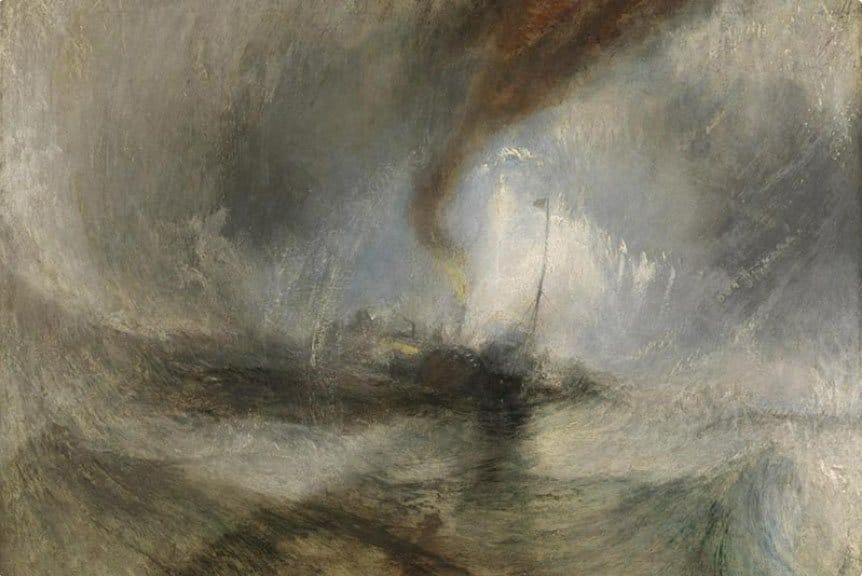
What you do between classes can have a significant effect on your learning experience. Regular practice allows you to reinforce techniques introduced during lessons.
You do not need several hours every day. Short, focused practice sessions can be useful.
For example, you could spend one session practicing color mixing, another studying values, and another creating small composition sketches.
Keeping a sketchbook can also help. Use it to record ideas, color combinations, observations, and quick drawings.
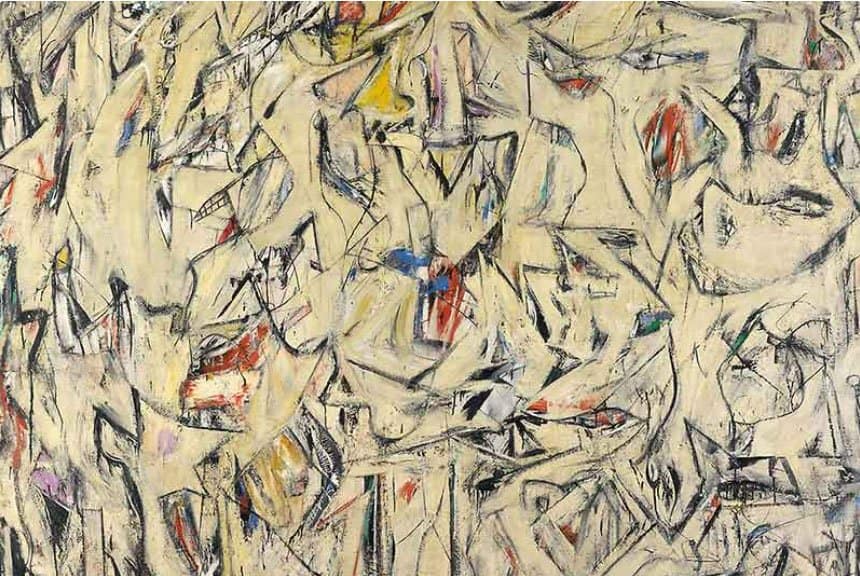
Feedback is an important part of artistic development. A knowledgeable instructor can help you identify areas that may be difficult to recognize on your own.
Useful feedback should explain both what is working and what could be improved. For example, an instructor might suggest adjusting the value structure, changing the placement of a focal point, or modifying a color relationship.
Students should also learn to evaluate their own work. After completing a painting, step away from it for a while and return with fresh eyes.
Ask yourself what works well and what you would change if you painted the same subject again.
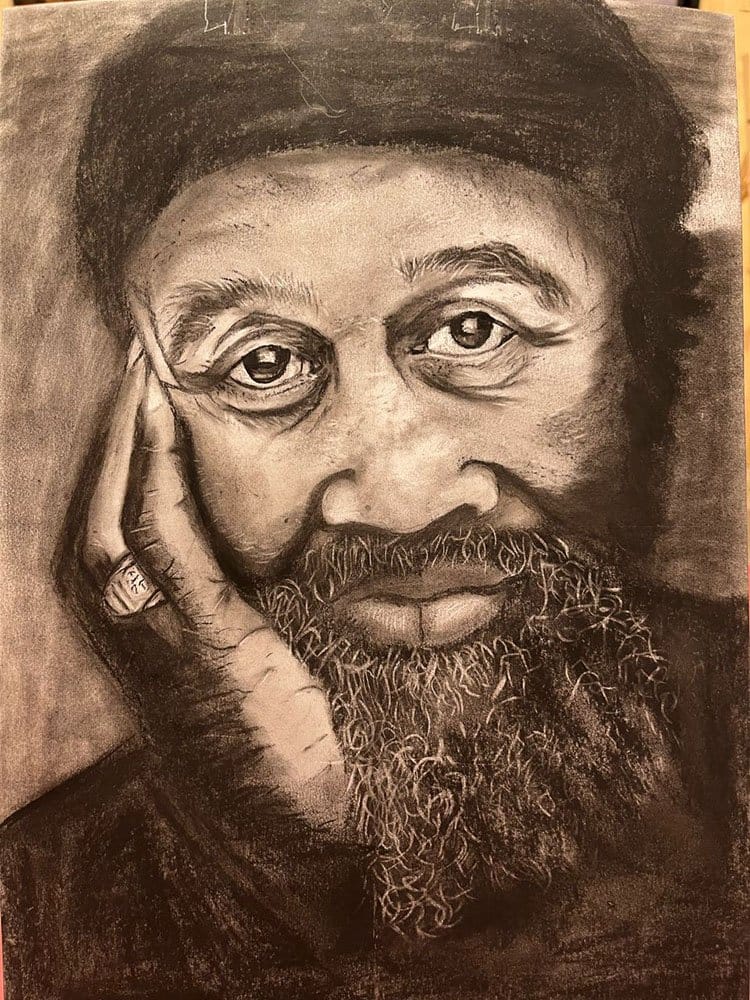
Preparation also means understanding what you want from the class itself.
Before enrolling, consider your experience level, preferred medium, schedule, learning goals, and preferred teaching style.
You may want a beginner-focused program with step-by-step demonstrations. Another student may prefer a more exploratory environment with greater creative freedom.
Other factors to consider include:
instructor experience
class size
materials included
studio environment
schedule
course length
individual feedback
opportunities for practice
online or in-person format
overall cost
Taking these factors into account can help you choose a program that fits your expectations.

Your first lesson is an opportunity to observe and learn. Pay attention to how the instructor prepares materials, demonstrates techniques, and explains artistic decisions.
Do not worry about producing a perfect painting.
Instead, focus on understanding the process.
Ask questions when something is unclear. Take notes if helpful. Observe how other students approach the same exercise. You may discover that different people can use the same instructions and produce very different results.
That variety is one of the interesting aspects of learning art.
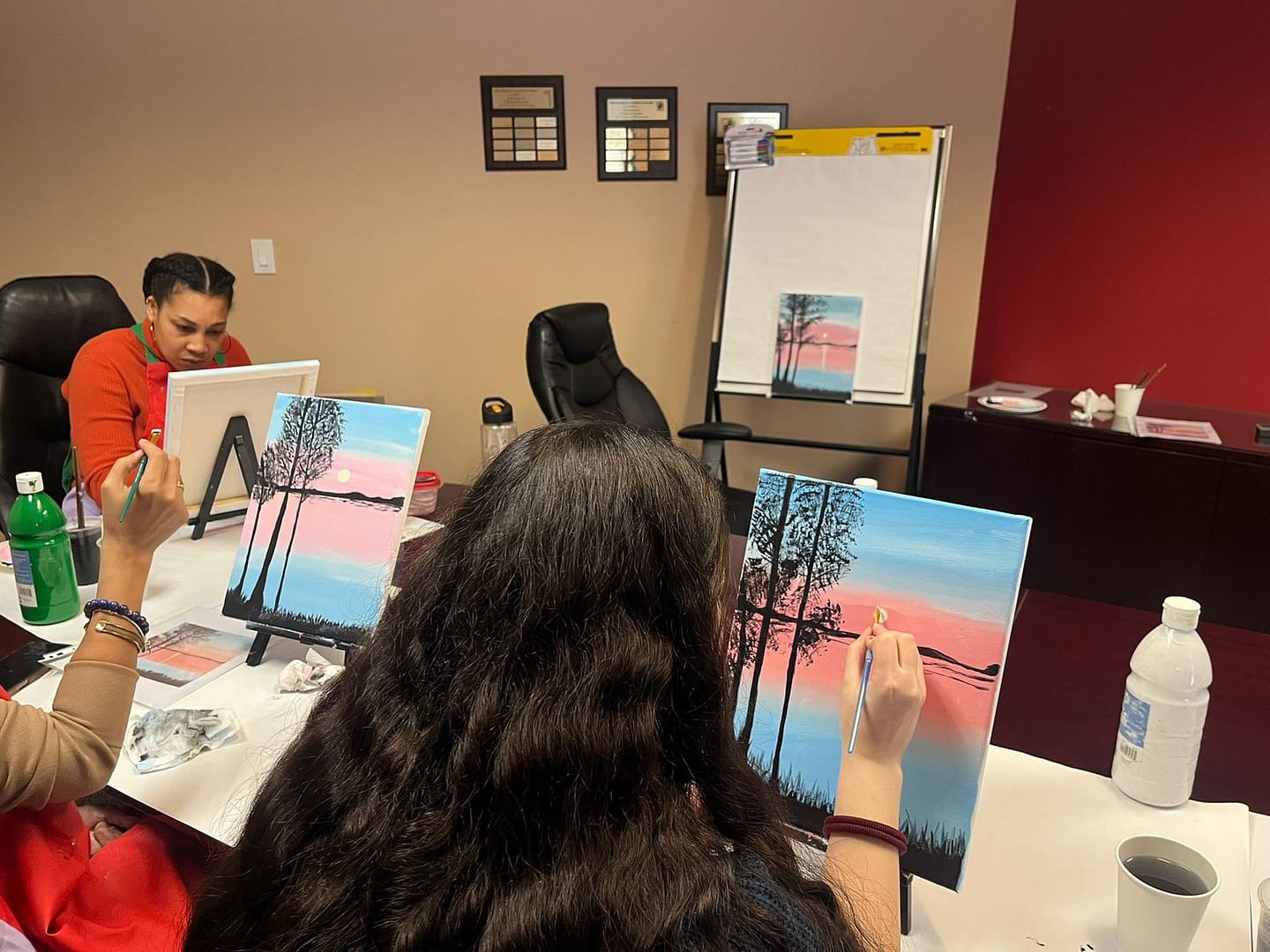
Confidence in painting usually develops through experience rather than simply through theoretical knowledge.
The more you experiment with colors, brushes, surfaces, and techniques, the more familiar these materials become.
Try changing one variable at a time. Use a different brush and observe the result. Change the amount of water or medium. Try a different color combination. Experiment with thicker or thinner applications of paint.
These small experiments can gradually help you understand your materials and make more deliberate artistic choices.

Technical skill and creativity do not have to compete with each other. Technical knowledge can provide more options for creative expression.
For example, understanding color mixing allows you to create a wider range of palettes. Knowledge of composition helps you arrange visual elements intentionally. Brush control gives you more ways to create texture and edges.
Once you understand the fundamentals, you can decide when to follow conventional techniques and when to experiment.
This balance between structure and freedom can become an important part of your artistic development.
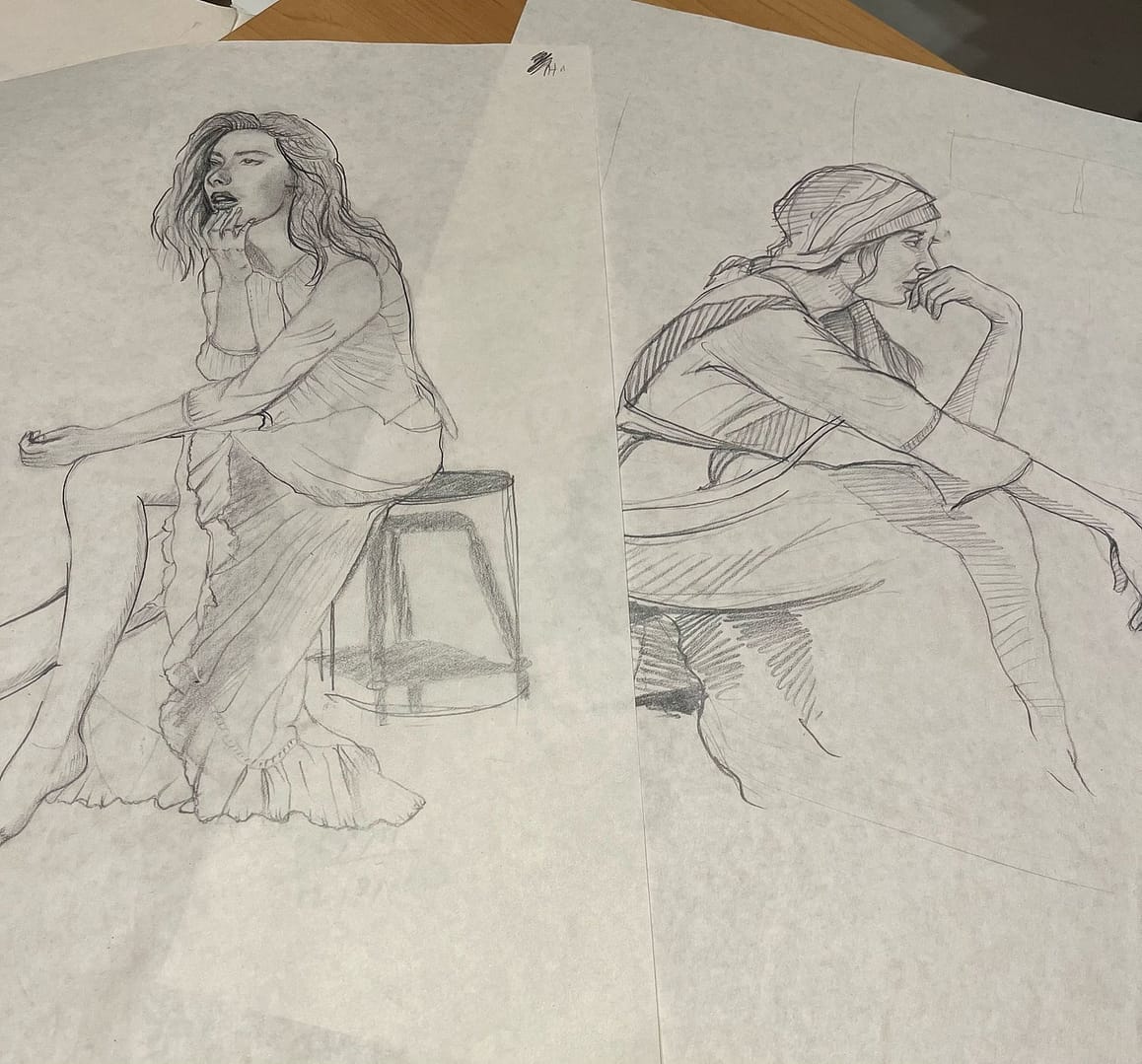
Every student has different interests and strengths. Some people may progress quickly with color mixing but need more practice with drawing. Others may have strong observational skills but need additional experience with brushwork.
A personal learning path allows you to focus on areas that need more attention while continuing to develop your strengths.
Your goals can also change over time. You may begin painting simply as a hobby and later become interested in exhibitions, commissions, or more advanced artistic study.
There is no need to decide your entire artistic future before your first class.
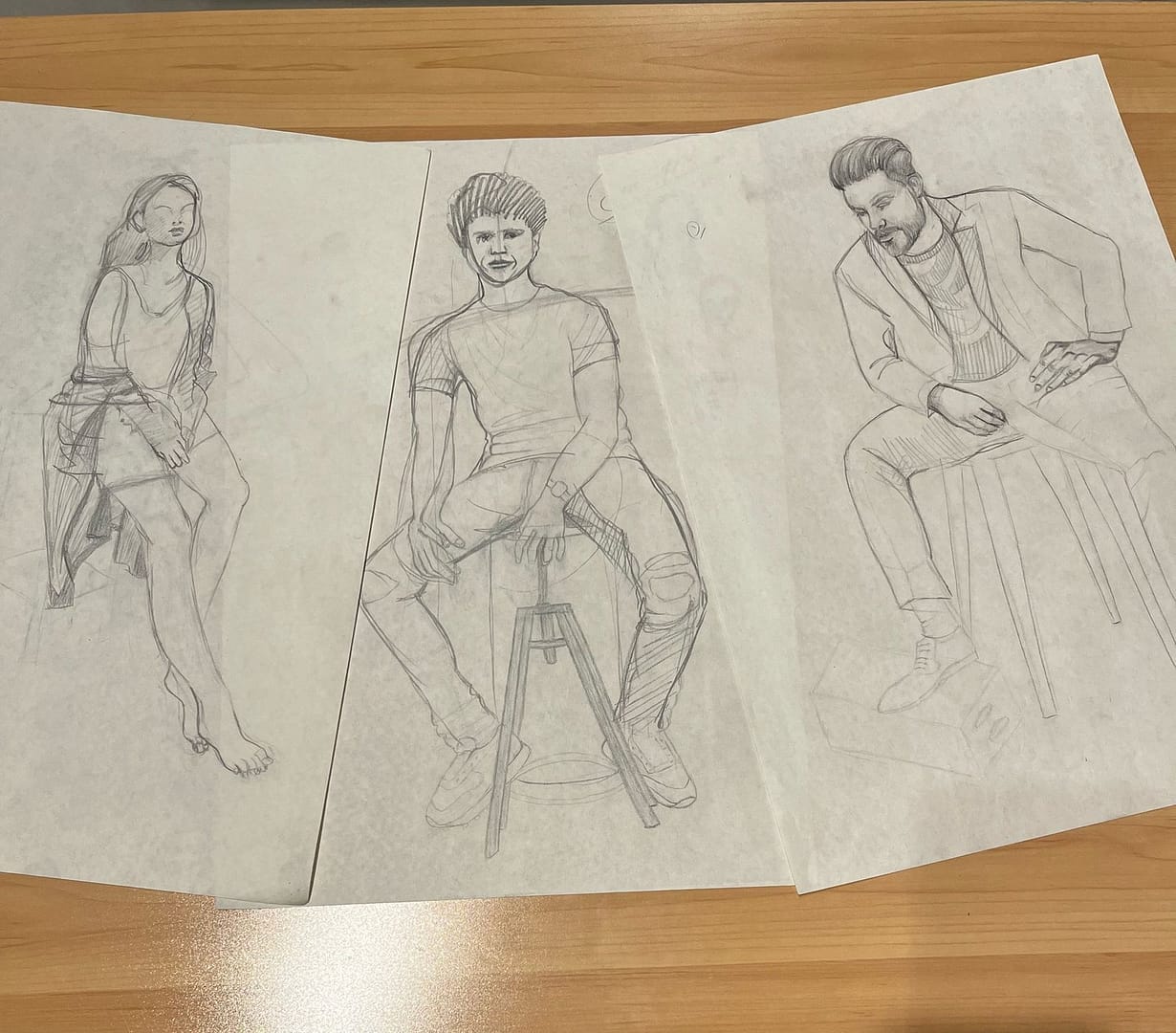
A painting class can provide a valuable opportunity to learn artistic techniques, explore creativity, and develop a deeper understanding of visual expression. Preparing beforehand can make the experience more comfortable, but extensive prior knowledge is not required.
Learning the basics of color theory, composition, perspective, brushwork, light, shadow, and different mediums can give beginners a useful foundation. Studying art history, observing artwork, sketching, and practicing between lessons can further support skill development.
At the same time, it is important to remember that painting is a practical discipline. Reading about techniques is helpful, but hands-on experimentation is where much of the learning takes place. Making mistakes, receiving feedback, and trying again are natural parts of the process.
Whether your goal is personal enjoyment, creative exploration, or long-term artistic development, approach your first class with curiosity and realistic expectations. You do not need to arrive as an experienced artist. You simply need a willingness to observe, practice, experiment, and learn.
With consistent practice and appropriate guidance, the journey from beginner to a more confident painter can become an enjoyable process of discovery. Each lesson can introduce new techniques, new ideas, and new ways of seeing the world around you.