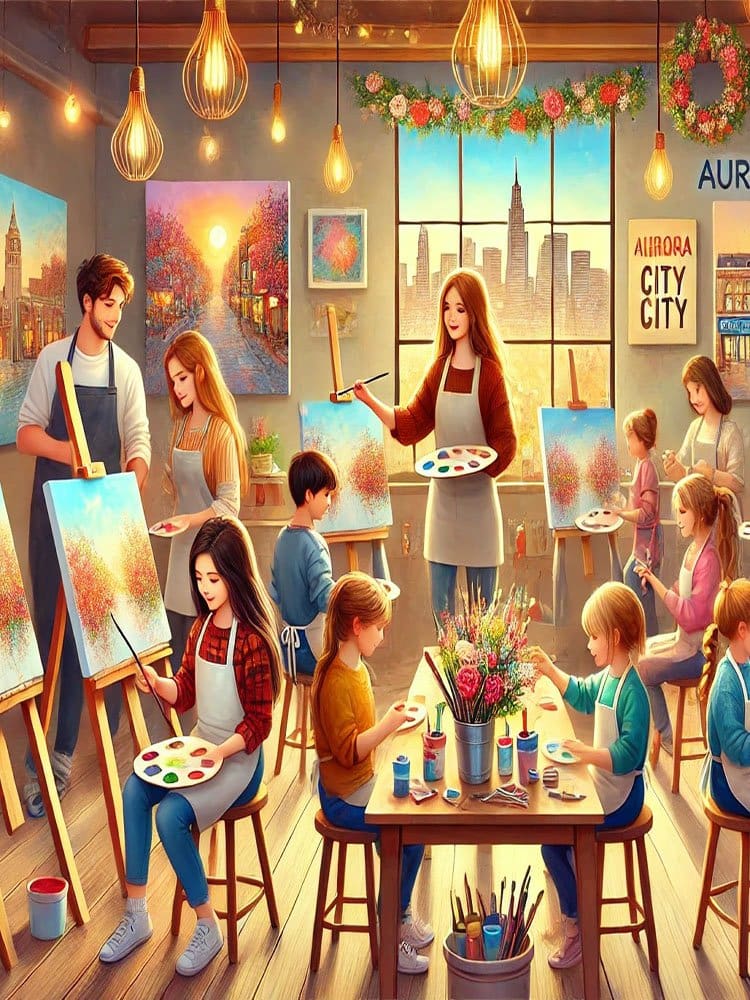
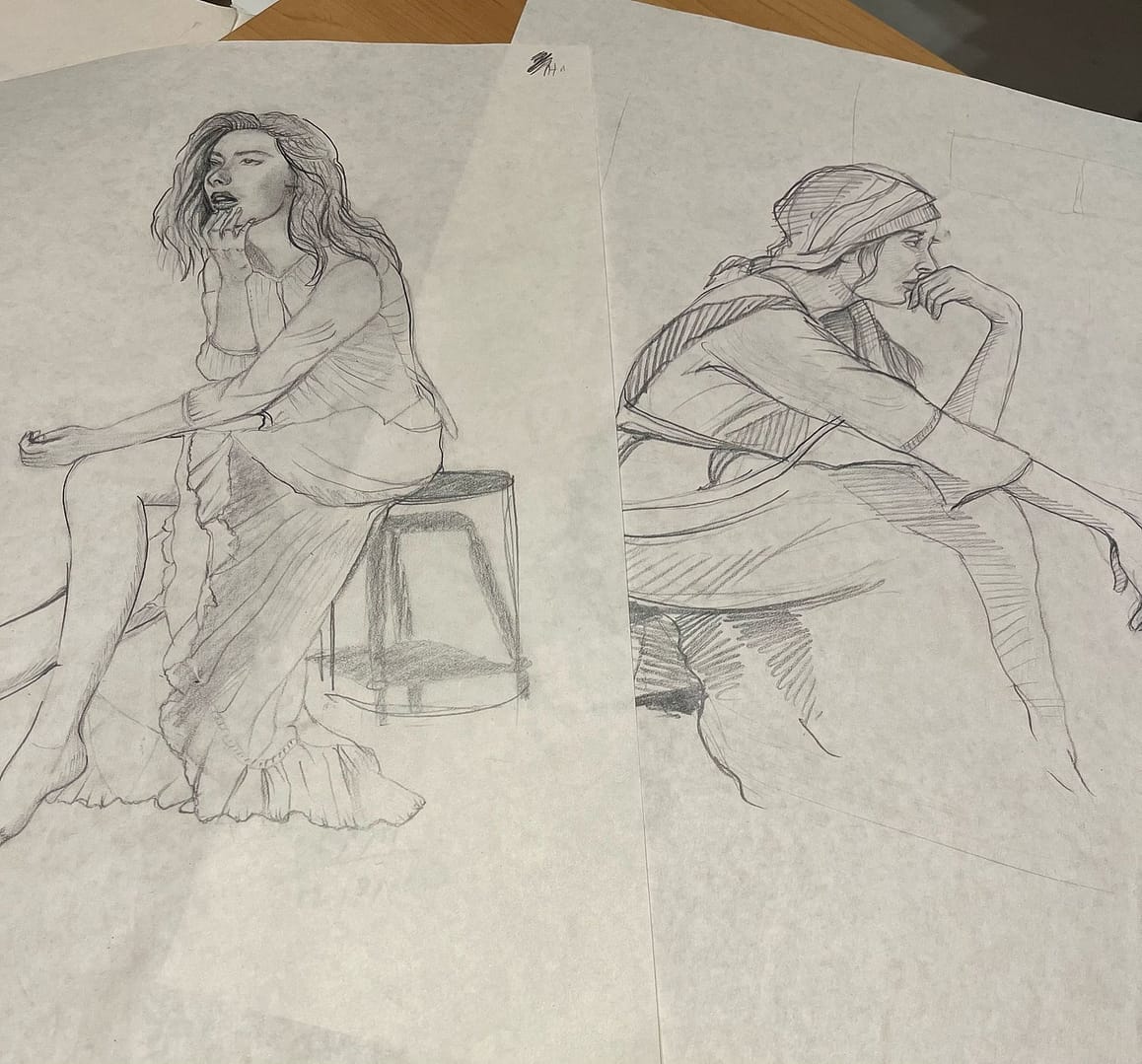
Drawing and painting are interconnected disciplines, each enriching the other in profound ways. A Painting Class designed for drawing enthusiasts bridges the gap between line work and color application, helping artists elevate their skills. Whether you are a beginner refining fundamental techniques or an experienced sketch artist transitioning to paint, structured lessons provide the guidance needed to expand creative expression.
A strong drawing foundation is essential for successful painting. Line work, shading, and composition play a crucial role in shaping a painting before color even comes into play. Many great painters, from the Renaissance masters to contemporary artists, began with detailed sketches to map out their compositions. A well-structured Painting Class emphasizes the importance of drawing as a preparatory step, allowing artists to build confidence before applying paint.
By understanding how form, perspective, and proportion function in drawing, artists can translate these elements seamlessly onto canvas. Painting introduces additional complexities such as color theory, blending techniques, and texture variation, making a solid drawing foundation indispensable.

Many students who enroll in a Painting Class already have some experience with drawing or sketching. Others may have little confidence in their ability to draw. Both groups can benefit from understanding how drawing skills connect with painting.
Drawing and painting are closely related, but they require slightly different ways of seeing. Drawing often emphasizes line, proportion, contour, and value. Painting introduces additional dimensions such as color temperature, opacity, texture, brushwork, and surface quality.
For this reason, learning to paint does not mean abandoning drawing skills. Instead, it means expanding them.
A strong drawing foundation can help artists understand proportion and structure. Painting then adds color, atmosphere, texture, and expressive possibilities. A well-designed Painting Class helps students make this transition gradually rather than expecting them to master everything at once.
Many students enter a Painting Class feeling uncertain about their drawing ability. They may believe that successful painting requires perfect drawing skills. While drawing accuracy can certainly help, perfection is not necessary.
Consistent sketching practice can significantly improve confidence.
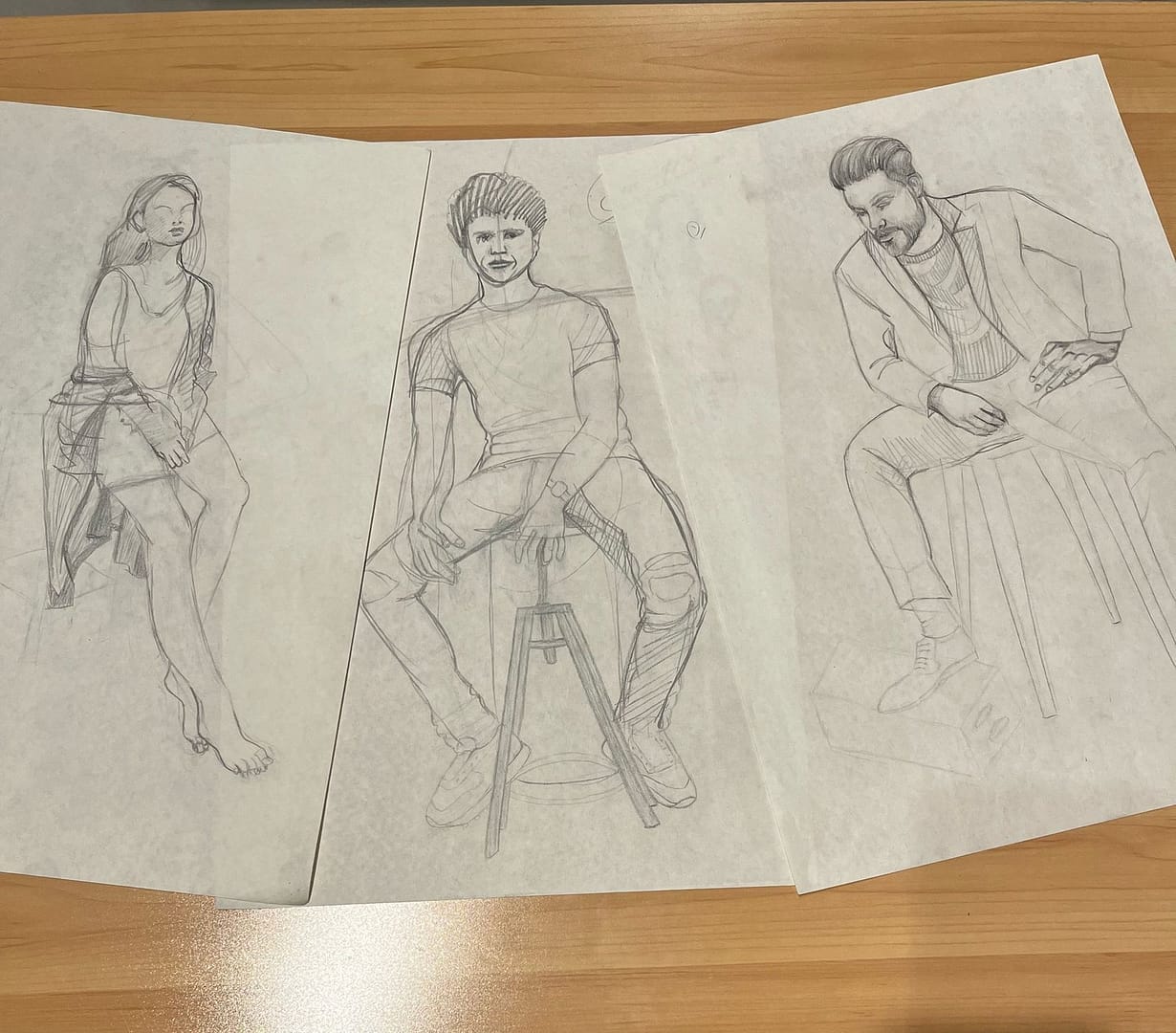
Short exercises can train the eye and hand to work together. These exercises include gesture drawing, contour drawing, shape studies, perspective exercises, and value sketches.
Gesture drawing focuses on movement and overall structure rather than detail.
The objective is to capture the essential action of a subject quickly.
For example, when sketching a person, students may first identify:
The direction of the body
The position of the shoulders
The movement of the spine
The location of the hips
The direction of the limbs
The overall balance of the figure
These observations are useful when painting figures because they help artists establish movement before becoming distracted by details.
Contour drawing trains students to observe edges and shapes carefully.
Instead of drawing what they think an object should look like, students learn to draw what they actually see.
This improves visual accuracy.
A Painting Class can use contour exercises to help students understand the relationship between observation and representation.
Value studies are particularly important because painting depends heavily on light and dark relationships.
Students can create simple sketches using graphite or charcoal.
They can reduce a complex subject into a few value groups:
Light
Middle value
Dark
This exercise prepares them for oil, acrylic, or watercolor painting.
Proportion refers to the relationships between different parts of a subject.
An artist may correctly draw individual features but still produce an inaccurate image if those features are incorrectly related to one another.
A Painting Class can teach students to compare distances, angles, and shapes rather than relying entirely on memory.
One of the most important transitions from drawing to painting involves changing the way an artist observes the subject.
Beginning artists often see an object as an outline.
Painters learn to see it as a collection of interconnected shapes.
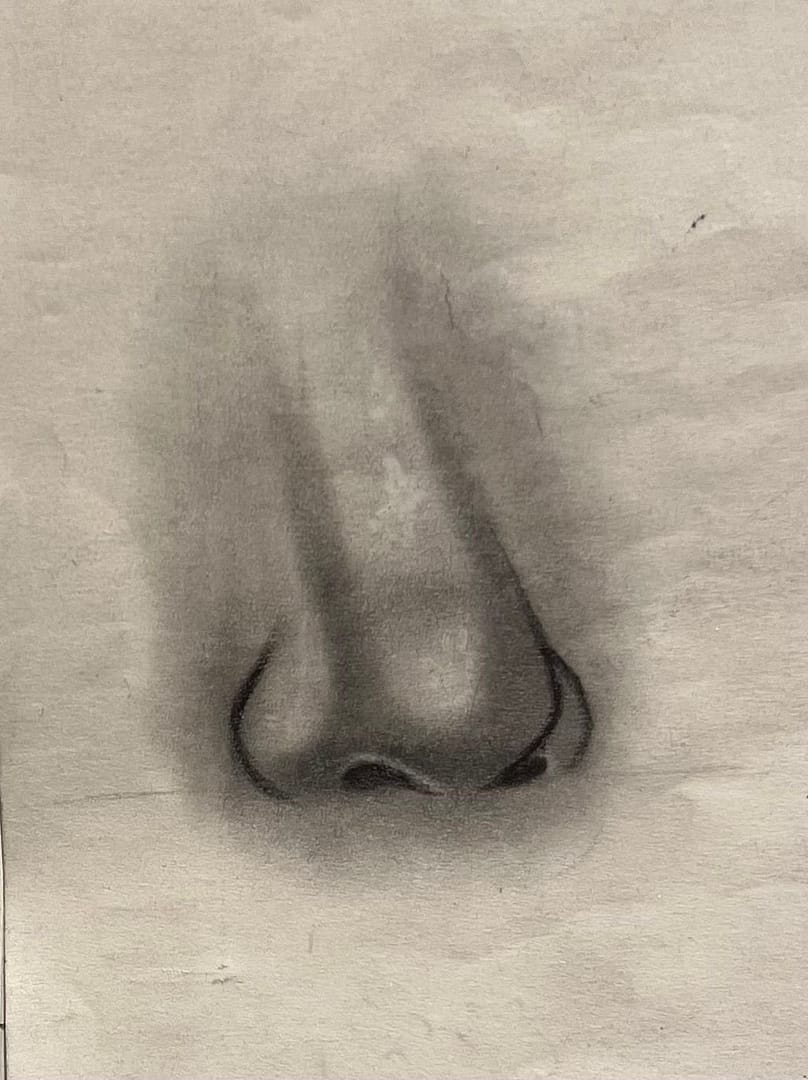
For example, a face is not simply a collection of eyes, nose, mouth, and ears. It is also a complex arrangement of light and shadow.
The forehead may contain a large light shape. The eye socket may form a darker shape. The cheek may contain several subtle transitions.
This way of seeing allows painters to construct forms more effectively.
A Painting Class encourages students to ask questions such as:
Where is the largest light shape?
Where is the darkest area?
Which edges are sharp?
Which edges are soft?
Where does one value transition into another?
Which shapes overlap?
Which areas should receive the most attention?
These questions gradually develop a painter’s eye.
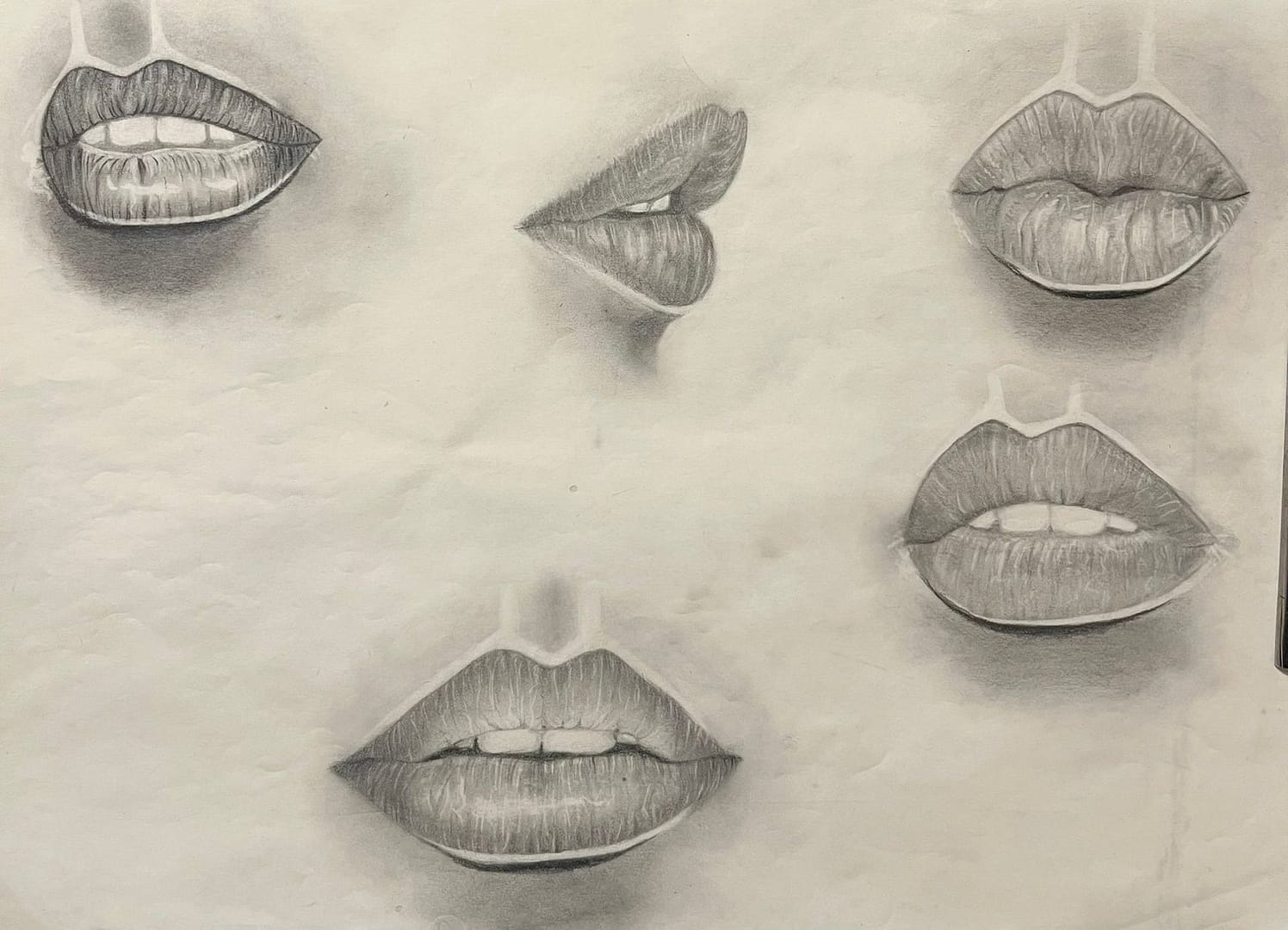
Underpainting is one of the most useful techniques for artists transitioning from drawing to painting.
It creates an initial structure before the final colors are developed.
For many students, this process feels familiar because it resembles creating a preliminary drawing.
A monochromatic underpainting uses variations of one color.
Artists may use colors such as:
Burnt Umber
Raw Umber
Transparent Oxide Red
Ultramarine
Gray mixtures
The goal is to establish the major value relationships.
At this stage, the artist does not need to solve every color problem.
Instead, the focus remains on structure, proportion, light, and shadow.
Beginning a blank white canvas can feel intimidating.
An underpainting removes some of that uncertainty.
The artist already has a roadmap.
Major forms have been placed. Dark areas have been established. The composition has begun to take shape.
Later color layers can then be added with greater confidence.
A structured Painting Class can demonstrate this process step by step.
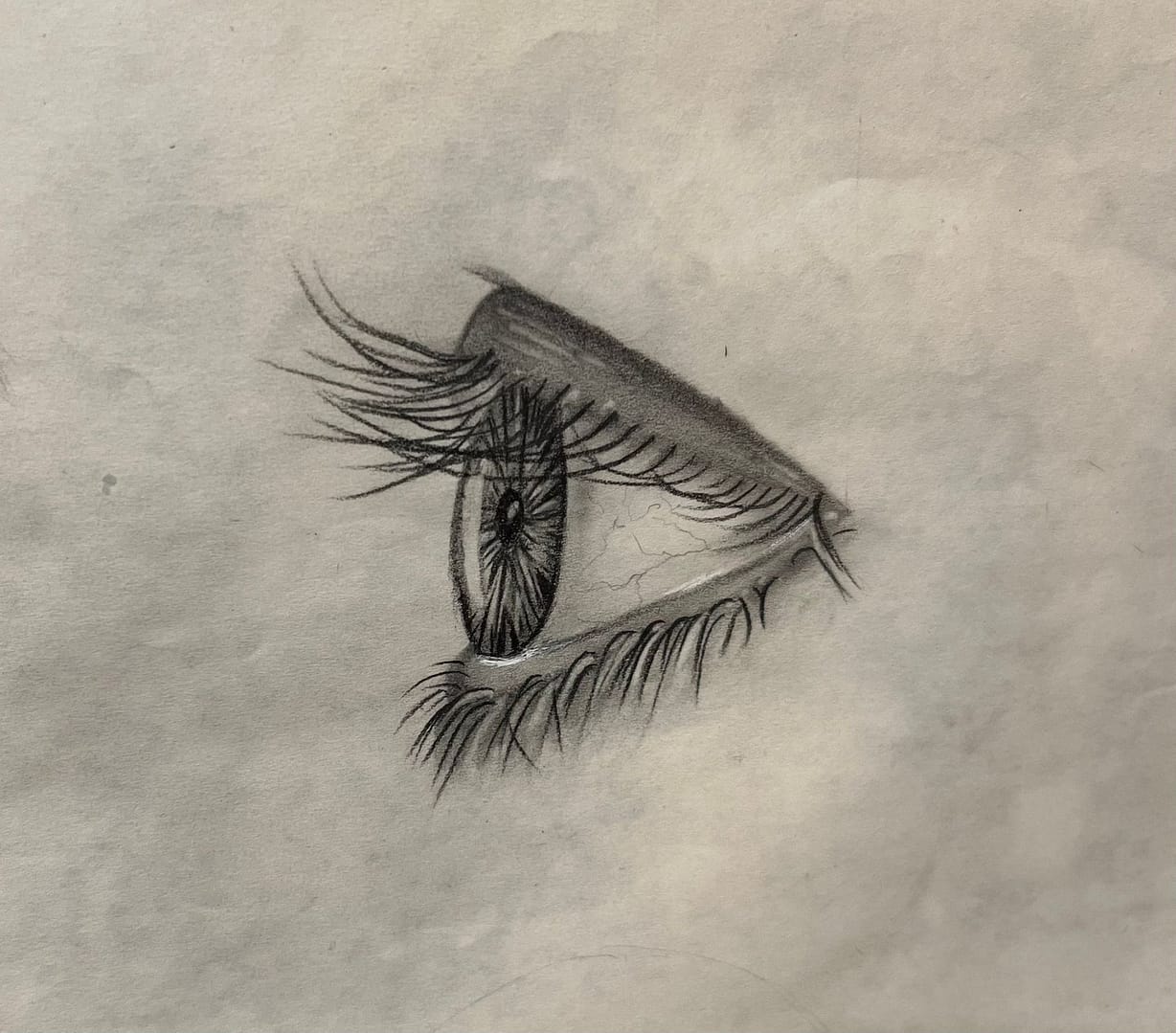
Drawing students often have a strong understanding of value.
This becomes a significant advantage when learning painting.
However, color introduces additional complexity.
A painted object has both a value and a color relationship.
For example, two colors may have completely different hues but similar values.
If their values are too similar, the forms may visually merge.
This is why artists must learn to evaluate both color and value.
One useful exercise is to temporarily ignore color.
Students can ask:
“What would this painting look like in black and white?”
If the major forms remain clear, the value structure is probably working.
If everything becomes one large gray mass, the painting may need stronger value separation.
A Painting Class can incorporate grayscale studies before students tackle complicated color compositions.
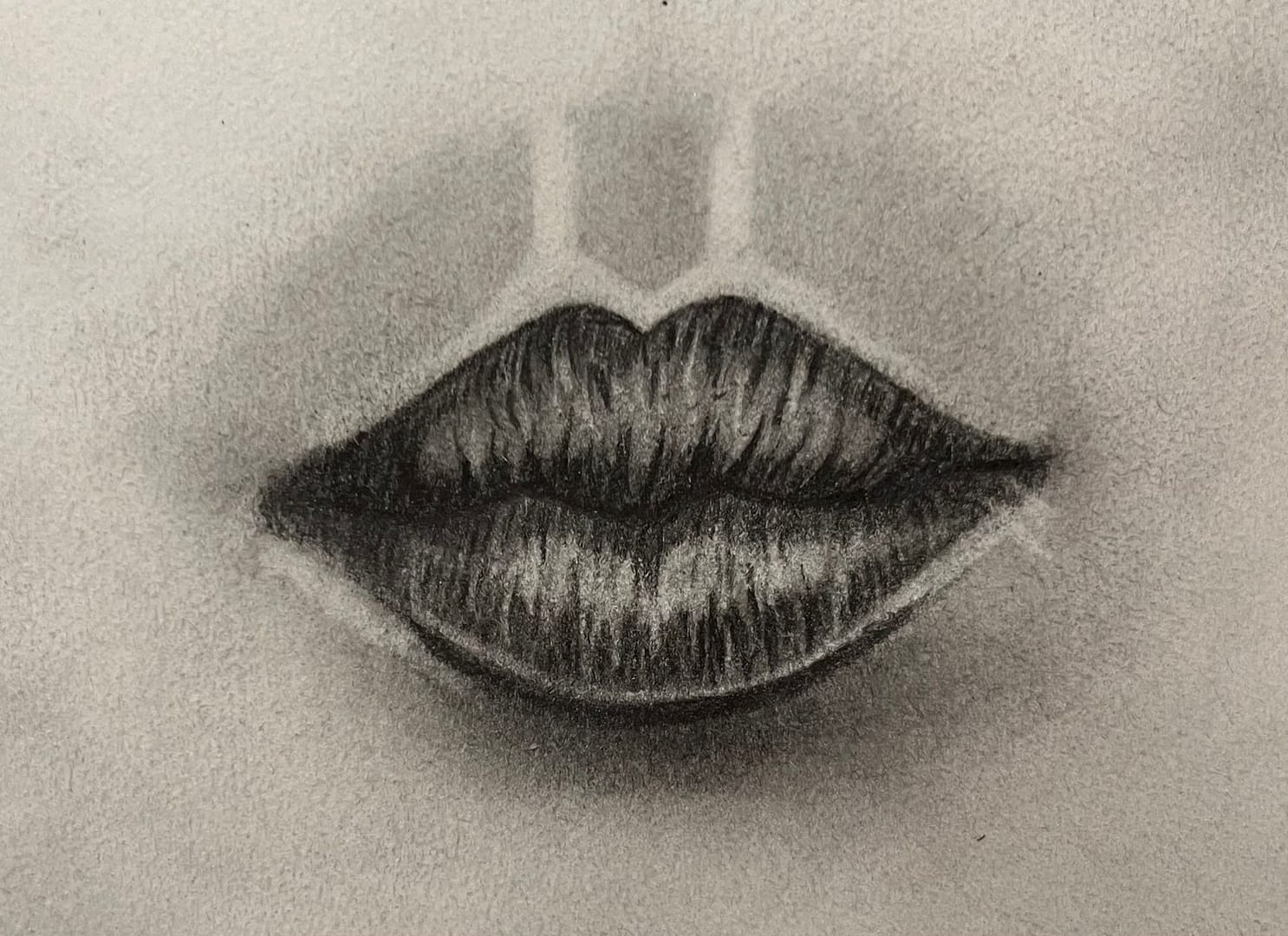
Artists with strong drawing skills often discover that their existing abilities translate naturally into certain painting techniques.
However, painting introduces new possibilities.
Glazing involves applying transparent or semi-transparent layers over dry paint.
For artists familiar with gradual pencil shading, glazing can feel intuitive.
Each layer modifies the appearance of the layers underneath.
Glazing can be used to create:
Deep shadows
Rich color
Atmospheric effects
Subtle skin tones
Transparent fabrics
Warm or cool color shifts
A Painting Class can teach students how to control transparency and avoid applying glazes too heavily.
Scumbling uses a relatively thin layer of opaque or semi-opaque paint over an existing layer.
The lower layer remains partially visible.
This can produce subtle texture and atmospheric effects.
For drawing artists, scumbling can feel somewhat similar to controlled mark-making.
Impasto moves in the opposite direction.
Instead of emphasizing subtle transitions, artists apply paint thickly.
The brush or palette knife leaves visible physical texture.
Impasto can be especially effective for:
Highlights
Flowers
Clouds
Rocks
Buildings
Expressive portraits
Abstract compositions
A Painting Class encourages students to experiment with both subtle and expressive approaches.
Alla prima painting involves working directly and often completing areas while the paint is still wet.
This technique requires confident observation and decision-making.
Artists cannot always rely on many corrective layers.
For this reason, a drawing background can be helpful because students already understand the importance of planning proportions before making marks.
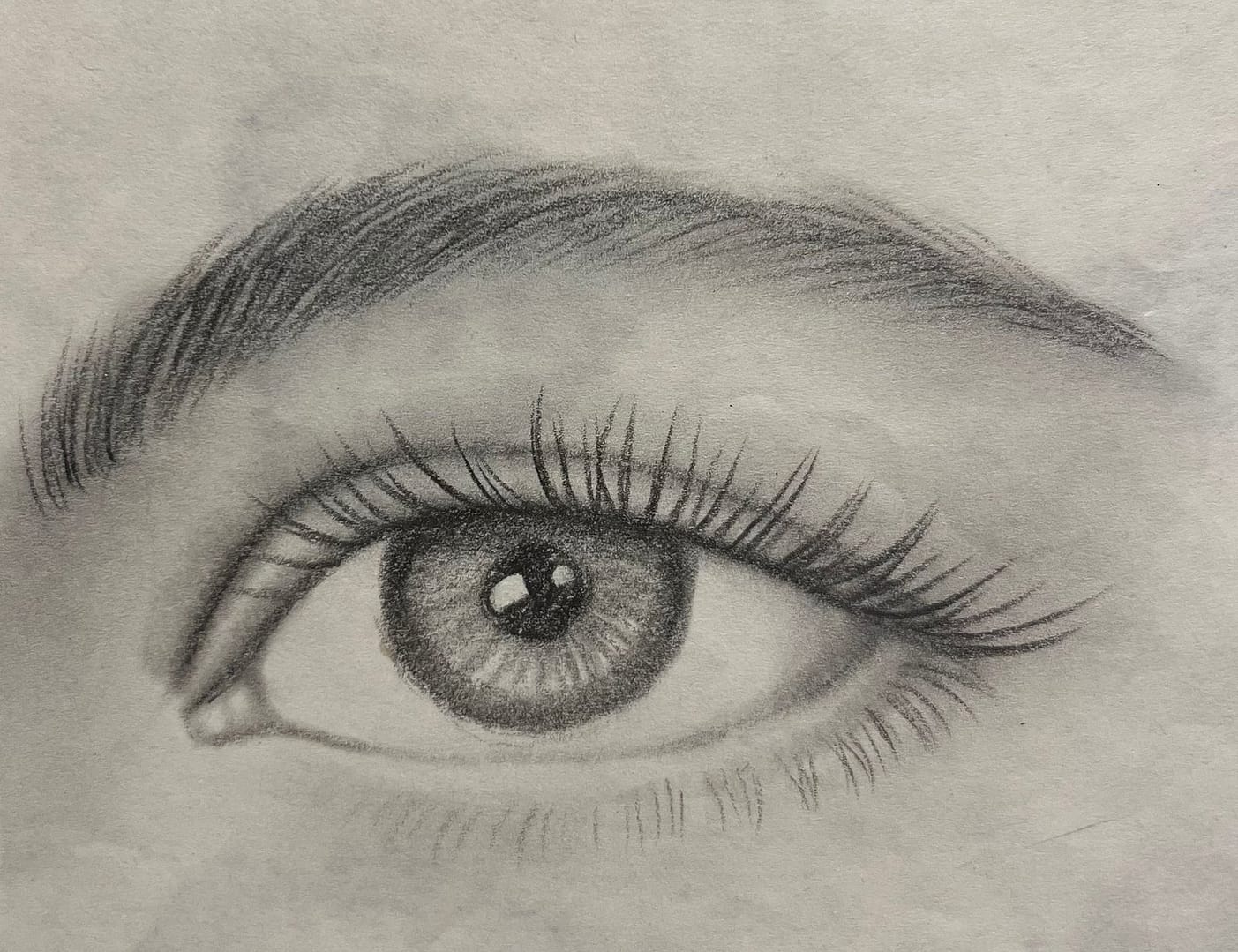
Drawing can be practiced entirely in monochrome.
Painting introduces a completely different dimension through color.
A strong Painting Class teaches students that successful color is not simply about choosing bright or beautiful pigments.
It is about relationships.
Complementary colors sit opposite one another on the traditional color wheel.
Examples include:
Blue and orange
Red and green
Yellow and violet
When placed near each other, complementary colors can create visual energy.
When mixed, they can reduce saturation.
Understanding this relationship helps artists control both vibrancy and neutrality.
Color temperature can create depth and atmosphere.
Warm colors often appear more active or visually forward. Cool colors can create a sense of distance.
However, temperature is always relative.
A color can appear warm beside one color and cool beside another.
A Painting Class can demonstrate these relationships through practical exercises rather than relying only on theory.
Artists do not need dozens of colors to create sophisticated paintings.
A limited palette can encourage better mixing decisions.
It can also produce greater harmony because many colors share related pigments.
Students may begin with a small selection of colors and gradually expand their palette as their understanding improves.

Color mixing is a skill that improves through repetition.
Students can create color charts to observe how different pigments interact.
For example, they can mix:
Blue + Yellow
Red + Yellow
Red + Blue
Complementary combinations
White + each major color
They can then observe changes in hue, saturation, and value.
A Painting Class can make these exercises more meaningful by connecting them to actual paintings.
Instead of mixing colors randomly, students learn to ask:
“What mixture will reproduce the color relationship I see?”
This develops analytical thinking.

Drawing often encourages precision.
Painting can encourage movement.
Brushstrokes can behave almost like gestures.
A long brushstroke may communicate direction. A short stroke may suggest texture. A curved stroke may describe form.
This is why gesture drawing can influence expressive painting.
Imagine sketching a tree with several quick lines.
The lines may communicate movement without describing every branch.
A painter can use the same principle.
Instead of painting every leaf individually, the artist can use broader marks to communicate the overall structure of the tree.
This creates a more confident and visually interesting painting.
Beginners sometimes use the same brushstroke repeatedly.
This can make a painting feel mechanical.
Artists can vary:
Brush size
Stroke direction
Pressure
Paint thickness
Opacity
Speed
Edge softness
A Painting Class can provide exercises specifically designed to develop brush control.

Perhaps the greatest transformation from drawing to painting is perceptual.
Students gradually stop seeing isolated objects.
Instead, they begin seeing relationships.
They notice how light changes across a surface. They observe how colors influence neighboring colors. They recognize that shadows contain reflected light. They see atmospheric changes across distance.
This is the beginning of painterly thinking.
Rather than thinking:
“This object is white.”
The artist begins thinking:
“This object appears light in this area, gray in another area, and slightly warm in the shadow.”
This distinction is fundamental.
Objects do not simply have one permanent color.
Their appearance changes according to lighting and surrounding conditions.
Artists also learn that not every edge should be equally sharp.
A focal point may contain strong edges.
A distant object may have softer edges.
Some edges may disappear completely into neighboring shapes.
This creates visual hierarchy.

Artists moving from drawing into painting can make the transition easier by following a structured process.
Create a quick preliminary drawing.
Focus on proportion and composition.
Do not spend unnecessary time on tiny details.
Before beginning the final painting, create a small grayscale study.
Identify the dominant light and dark masses.
Begin with simple still life arrangements.
A few objects under controlled lighting can teach valuable lessons.
Start with a manageable number of colors.
This prevents color selection from becoming overwhelming.
Establish large shapes before details.
This keeps the painting unified.
Use different brushes to understand how they change the appearance of paint.
Viewing the painting from a distance reveals compositional and value problems.
Fresh eyes can identify problems that become invisible after long periods of concentration.
Look for differences in proportion, value, temperature, and edges.
Early paintings do not need to be masterpieces.
Each completed painting provides information for the next one.

The grid method can help students transfer a drawing accurately to a larger surface.
A reference image is divided into a series of squares.
The same grid is placed on the canvas.
Artists then reproduce the shapes within each square.
This can be useful for:
Portraits
Architectural subjects
Complex compositions
Large paintings
Detailed studies
However, the grid should be viewed as a learning tool rather than a permanent substitute for observational drawing.
A Painting Class can teach students when this method is useful and when freehand construction is more beneficial.

Drawing experience can help students understand spatial relationships.
Painting then expands this understanding through color and atmospheric effects.
Objects closer to the viewer often show:
Stronger contrast
More detail
Sharper edges
Greater color intensity
Distant objects often show:
Lower contrast
Softer edges
Less detail
Reduced saturation
These principles help create convincing depth.
Large canvases can be intimidating.
Small studies are often more effective for experimentation.
A student can complete a small painting in a relatively short period and learn from the result.
This creates a cycle:
Observe → Paint → Evaluate → Correct → Paint Again
Repeated cycles build confidence.
A Painting Class can accelerate this process by providing structured projects with increasing levels of difficulty.

Mistakes are an essential part of artistic development.
A student may initially:
Make a head too large.
Make shadows too dark.
Use excessive white.
Overblend colors.
Add details too early.
Ignore atmospheric perspective.
Create identical edges everywhere.
These problems become valuable learning opportunities.
Instructor feedback can make them easier to identify.
Instead of simply saying that something is wrong, an experienced instructor can explain why it appears wrong and how to correct it.

Technical skill is only one part of becoming an artist.
Over time, artists begin developing preferences.
Some prefer:
Precise realism
Loose impressionism
Expressive brushwork
Minimalist compositions
Dramatic lighting
Muted palettes
Vibrant colors
Abstract forms
A drawing background does not determine the final style.
It simply provides another set of tools.
A Painting Class should give students enough technical knowledge to experiment without forcing everyone into the same visual style.
Drawing and painting are both forms of visual communication.
A drawing can communicate an idea through line and value.
Painting can add color, atmosphere, texture, and emotional intensity.
This makes painting a powerful extension of drawing.
For example, the same portrait can communicate very different emotions through changes in:
Lighting
Color temperature
Saturation
Brushwork
Background
Contrast
Learning these relationships gives artists greater control over visual storytelling.

The relationship also works in the opposite direction.
Painting can improve drawing.
When artists paint, they repeatedly analyze:
Proportions
Shapes
Perspective
Anatomy
Light
Form
These observations reinforce drawing skills.
As a result, students should not think of drawing and painting as completely separate disciplines.
They can support one another.
Artists transitioning from drawing to painting can benefit from combining both practices.
A weekly routine might include:
One drawing session
One value study
One color-mixing exercise
One small painting
One longer painting project
One review session
This approach develops multiple skills simultaneously.
A Painting Class can provide the instructional structure, while independent practice reinforces what students learn during class.

The ultimate objective is not simply to reproduce a reference image accurately.
Students should eventually become comfortable making artistic decisions.
They should be able to decide:
What to emphasize
What to simplify
What to exaggerate
What to leave unfinished
Where to use detail
Where to use expressive brushwork
Which colors support the mood
This is where technical knowledge becomes artistic confidence.

Artists with drawing experience should consider the structure of a Painting Class before enrolling.
A suitable class should ideally provide opportunities to study:
Color theory
Value
Composition
Brushwork
Surface preparation
Painting techniques
Demonstrations
Individual feedback
Independent practice
Students may also want to determine whether the class focuses on oil, acrylic, watercolor, or mixed media.
Different media require different approaches.
The transition from drawing to painting is not about abandoning one skill and replacing it with another.
It is about expanding an existing visual language.
Drawing teaches artists to understand proportion, structure, contour, gesture, and value. Painting adds color, texture, atmosphere, transparency, surface quality, and expressive brushwork.
A well-structured Painting Class brings these skills together.
Students can begin with simple sketches, develop value studies, create underpaintings, experiment with color, and gradually build complete paintings.
The most important change happens in the way artists see.
Instead of seeing only outlines, they begin to see shapes.
Instead of seeing isolated colors, they see relationships.
Instead of seeing objects as static forms, they see light interacting with surfaces.
Instead of trying to reproduce every detail, they learn what matters most.
This transformation takes practice, patience, and experimentation.
Whether an artist wants to pursue realistic portraiture, expressive landscapes, still life, impressionism, or abstraction, drawing provides a valuable foundation.
With consistent practice and effective instruction, that foundation can become the starting point for a much broader artistic journey.
A Painting Class is therefore more than a place to learn how to apply paint. It can become a bridge between observation and expression, between sketching and painting, and between technical knowledge and personal artistic style.
Every sketch prepares the eye.
Every value study strengthens observation.
Every color mixture develops understanding.
Every painting builds confidence.
And every new canvas creates another opportunity to see, experiment, learn, and grow as an artist.