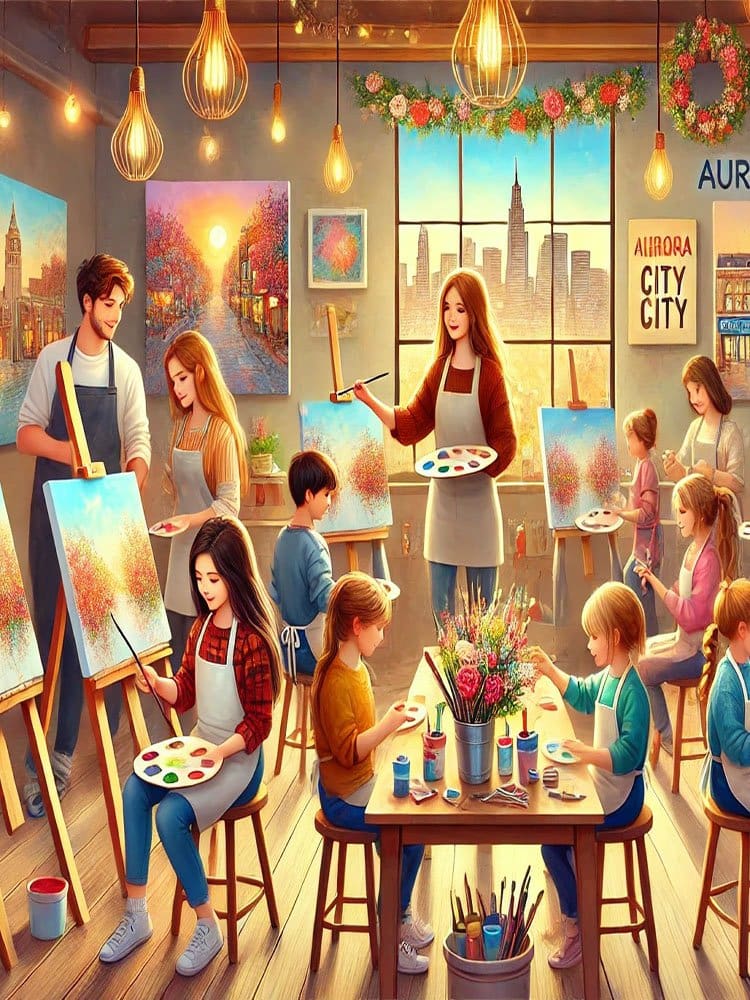
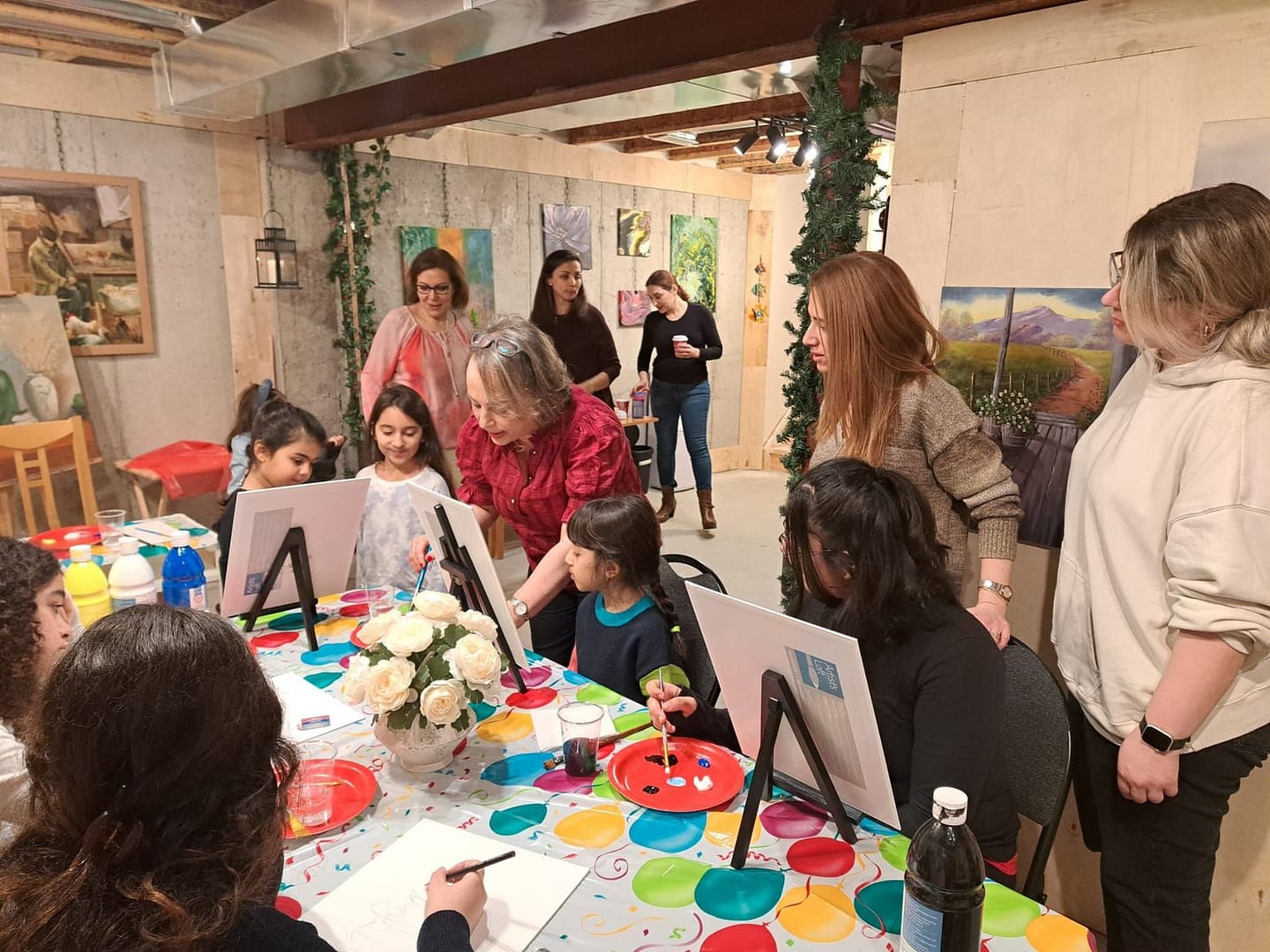
Enrolling in a painting class is more than a structured approach to learning artistic techniques—it is a gateway to self-discovery. Each brushstroke reveals latent talent, unlocking a creative reservoir that often lies dormant beneath daily routines. Whether a novice or an experienced artist, the immersive environment of a Painting Class fosters innovation and nurtures artistic confidence.
Guided instruction refines technical skills, from mastering color theory to understanding composition and perspective. However, beyond technicality, a painting class instills a deeper connection with one’s artistic intuition. Experimentation with diverse mediums—oil, acrylics, or watercolors—allows participants to explore different expressive styles, gradually uncovering their unique visual language.
Artistic potential is not solely defined by innate ability but also by dedication and perseverance. A well-structured painting class encourages students to embrace imperfections, transforming mistakes into opportunities for creative growth. The communal aspect of learning among like-minded individuals fosters inspiration and motivation, making artistic evolution an organic process.
Moreover, the act of painting serves as a meditative practice, sharpening focus and enhancing emotional well-being. Through the rhythmic motion of the brush and the deliberate choice of colors, participants often experience a profound sense of fulfillment. A painting class is not just an educational pursuit; it is a transformative experience that unearths hidden talent, cultivates self-expression, and instills an enduring appreciation for the artistic journey.
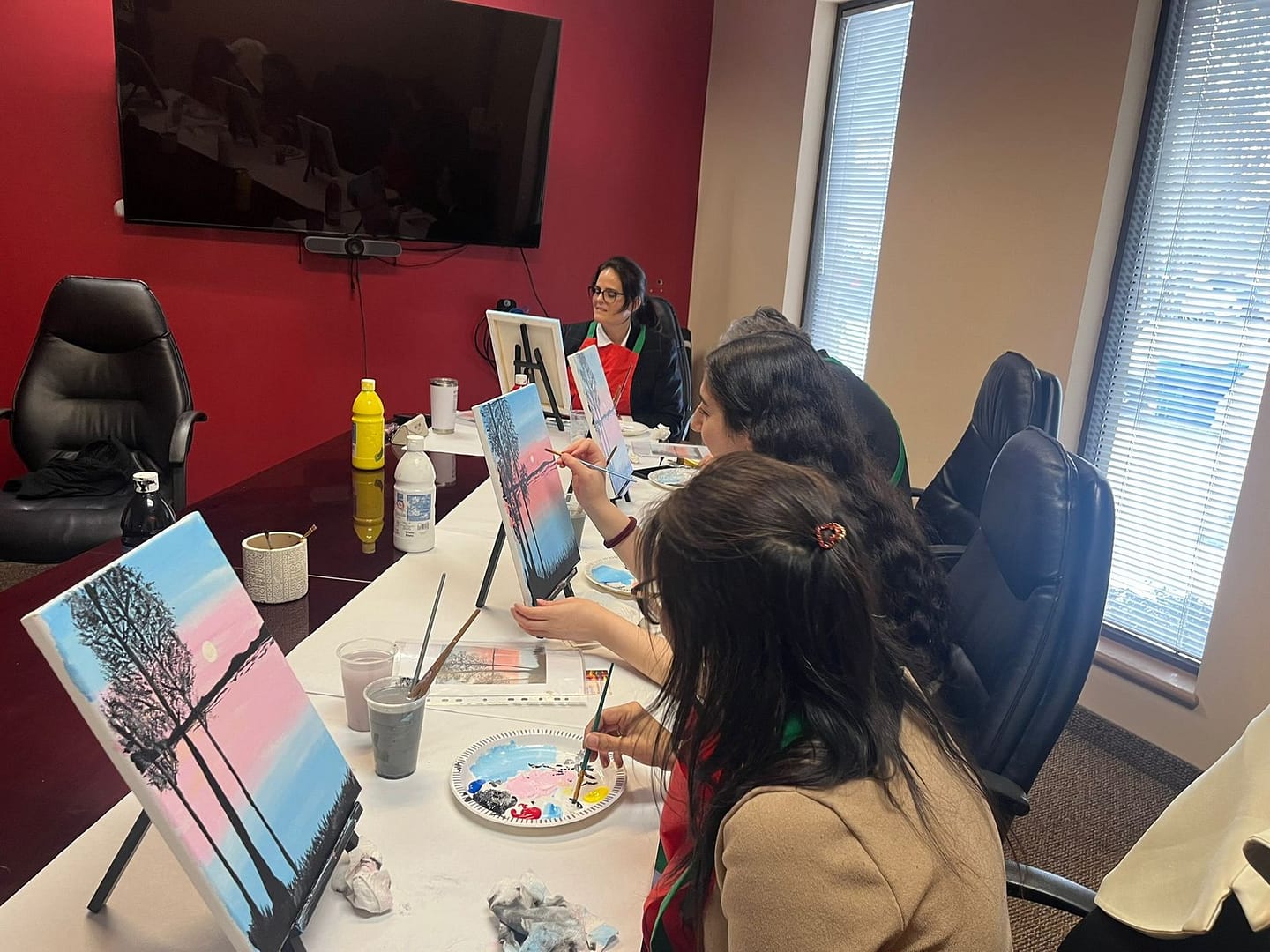
A painting class is more than a structured learning experience; it is a portal to self-exploration and artistic liberation. Many individuals assume that creativity is an inborn trait, yet the reality is that artistry flourishes through practice, patience, and exposure to proper guidance. A well-curated painting class allows participants to discover the nuances of visual storytelling, from color blending to intricate brushwork techniques.
The act of painting fosters an intimate connection between the creator and the canvas, unlocking dormant talents that may have remained undiscovered. As students immerse themselves in pigments and strokes, they develop a keen sense of observation, refining their ability to interpret the world through an artistic lens.
Beyond skill acquisition, a painting class nurtures personal growth. It instills discipline, enhances problem-solving abilities, and encourages risk-taking—essential attributes that transcend the realm of art. Furthermore, engaging in a collaborative learning environment fosters constructive critique and shared inspiration, pushing individuals to refine their craft continuously.
Whether one seeks artistic mastery or simply wishes to explore a newfound hobby, a painting class serves as the perfect incubator for creativity. Each session unveils fresh perspectives, guiding individuals toward uncharted dimensions of their artistic potential.
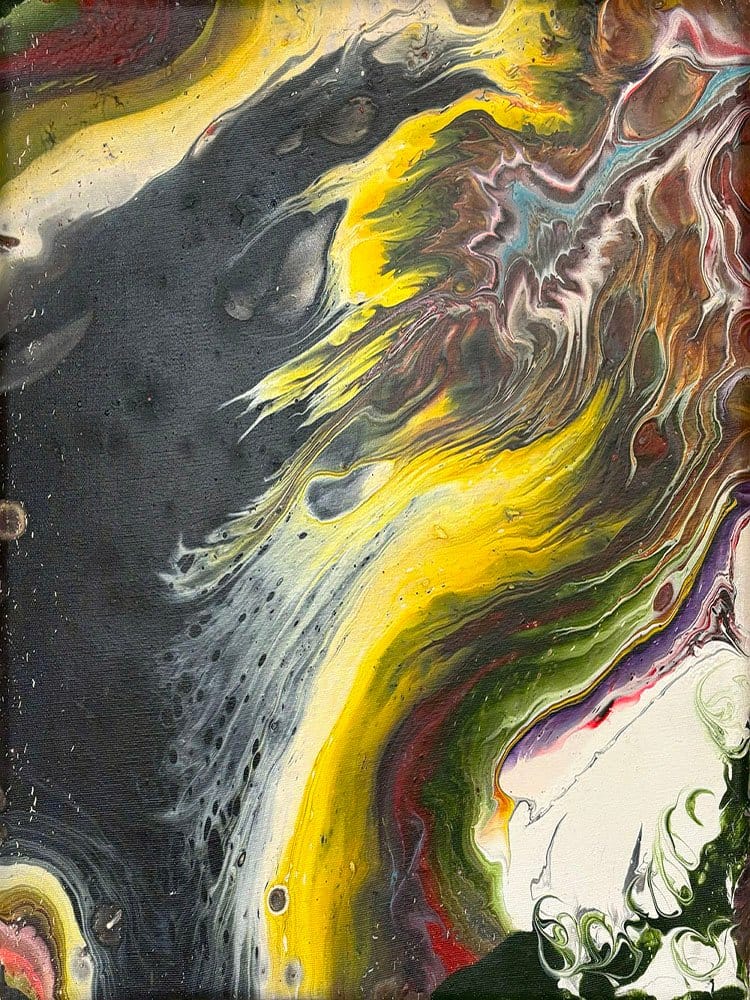
Talent often remains veiled beneath self-doubt and lack of exposure. A painting class provides an organized framework that systematically uncovers artistic abilities. While some may enter with natural aptitude, others develop their skills through dedication and persistence.
The structured environment of a painting class introduces fundamental techniques, from understanding light and shadow to mastering composition. By following step-by-step instructions, students gradually build confidence in their abilities. Instructors play a crucial role in this journey, offering personalized guidance that enhances technical proficiency.
Experimentation is encouraged, allowing individuals to explore various styles, whether impressionism, realism, or abstract expressionism. The exploration of different mediums—watercolor, acrylics, or oils—further refines artistic preference and expertise.
A painting class does not merely teach how to replicate an image; it cultivates the ability to interpret emotions and concepts through visual storytelling. By the end of a structured program, students often find themselves capable of creating works that not only exhibit technical prowess but also carry a distinct artistic voice.

The setting of a painting class plays a pivotal role in nurturing creativity. A well-lit, inspiring space with ample room to experiment fosters a productive learning experience. Whether in a professional studio, an art school, or an informal home setting, the ambiance influences artistic output.
Surrounding oneself with fellow learners creates a stimulating atmosphere where ideas flow freely. Engaging in discussions about technique, inspiration, and artistic struggles enriches the experience, fostering a sense of community.
Moreover, exposure to various artistic influences within a painting class helps broaden creative horizons. Observing peers’ work introduces new perspectives and challenges individuals to push beyond their comfort zones. In this supportive setting, constructive critique becomes a tool for refinement rather than discouragement.
A well-structured painting class ensures that every student receives tailored guidance while allowing room for independent exploration. By providing an encouraging and resourceful environment, such classes serve as incubators for artistic evolution, helping individuals unearth and develop their unique creative identity.

Beyond artistic skill, a painting class offers profound psychological benefits. Engaging with colors, textures, and forms activates different cognitive functions, fostering mindfulness and emotional well-being.
Painting has been recognized as a therapeutic activity, reducing stress and anxiety. The repetitive motion of brushstrokes, the blending of colors, and the focus required for detailing create a meditative experience. It allows individuals to disconnect from daily pressures and immerse themselves in the present moment.
Moreover, a painting class promotes problem-solving skills. Every artistic challenge—whether achieving the right color harmony or capturing depth—requires creative solutions. This enhances cognitive flexibility and encourages innovative thinking.
The process of creating something tangible instills a sense of accomplishment, boosting self-esteem. Whether a beginner or an advanced artist, the act of completing a painting fosters a profound sense of fulfillment. A painting class thus becomes more than an educational endeavor; it transforms into a journey of self-discovery and emotional enrichment.
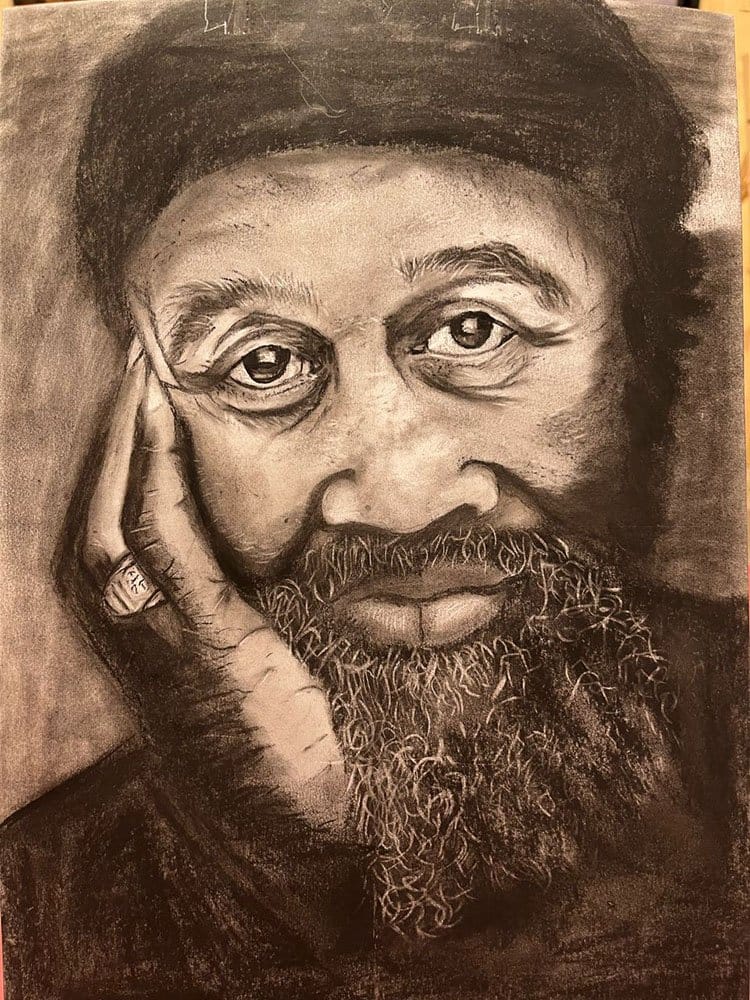
While technique is fundamental, intuition is the soul of art. A painting class helps students balance structured learning with instinctual creativity.
Art is not solely about precision; it is about evoking emotion and conveying meaning. Some of the most striking works emerge from spontaneous brushstrokes rather than rigid adherence to technique. A painting class encourages students to trust their instincts, allowing artistic intuition to guide their hands.
This intuitive approach develops over time through exposure to various methods and mediums. As students gain confidence, they learn when to follow rules and when to break them. A well-designed painting class fosters this duality, nurturing both technical discipline and artistic spontaneity.
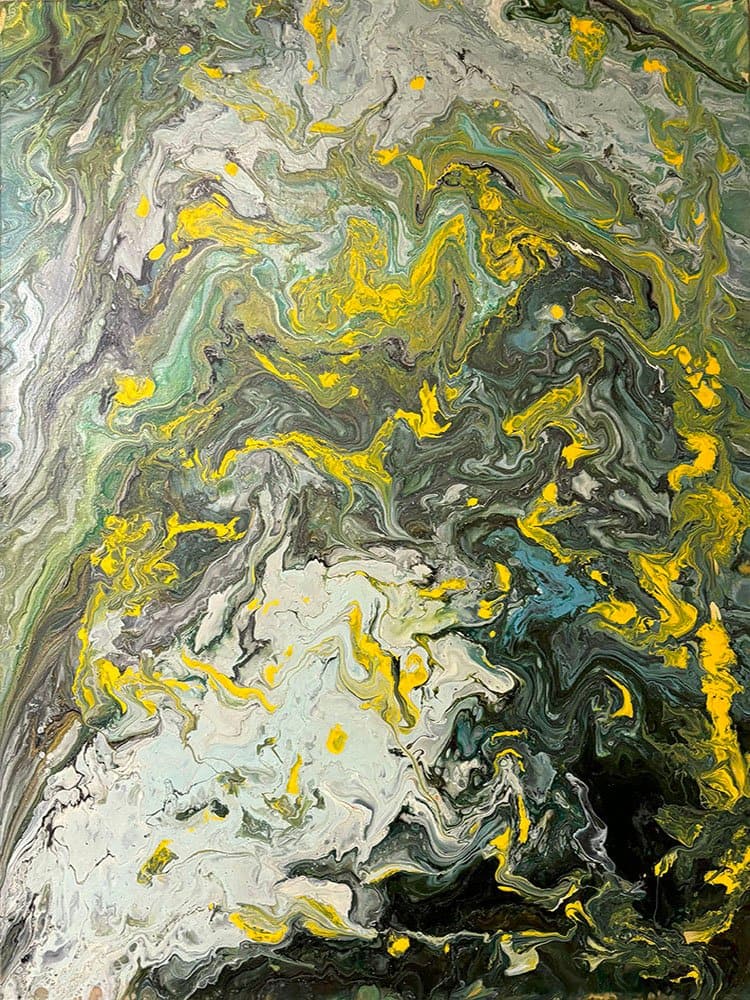
A painting class introduces students to a spectrum of artistic mediums, each offering unique possibilities. From the fluidity of watercolors to the rich textures of oil paints, understanding these materials is crucial to artistic growth.
Each medium requires different handling. Acrylics dry quickly, allowing for layering and bold experimentation. Oils offer a longer working time, ideal for blending and refining details. Watercolors, with their translucent quality, demand precision and control. A painting class ensures that students become adept at navigating these nuances.
Experimentation with diverse techniques, such as impasto, glazing, and dry brushing, further expands creative potential. Mastering these methods equips students with the versatility to develop their distinctive artistic style.

Artistic mastery is not achieved overnight. A painting class instills the habit of consistent practice, essential for skill refinement.
Regular painting sessions help artists develop muscle memory, improve hand-eye coordination, and refine their perception of color and form. The discipline of attending a painting class ensures a structured learning process, preventing stagnation.
Moreover, consistent practice allows artists to overcome creative blocks. The more one paints, the more fluid the creative process becomes, leading to artistic breakthroughs and deeper self-expression.
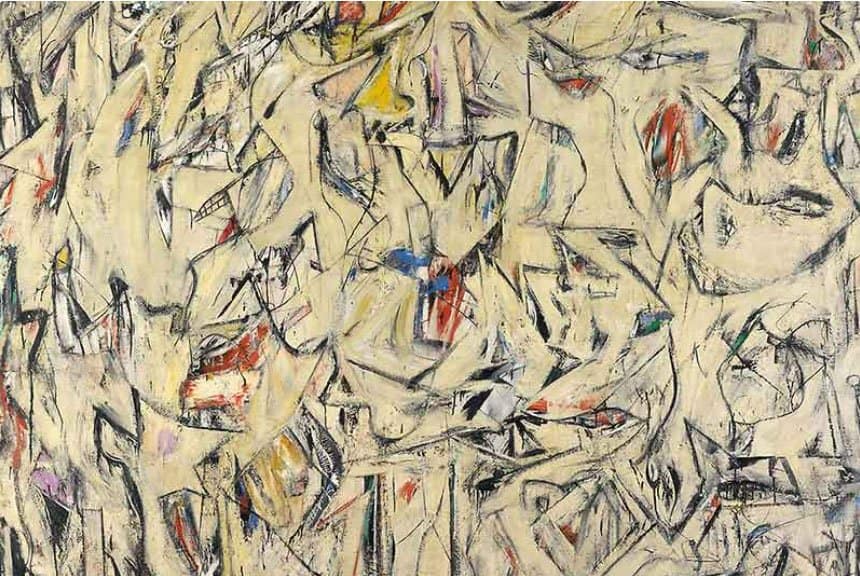
Many aspiring artists hesitate due to fear of failure. A painting class helps dismantle this fear, transforming mistakes into learning opportunities.
Art is inherently subjective; there is no absolute right or wrong. Instructors in a painting class emphasize growth over perfection, encouraging students to take risks and explore uncharted artistic territories.
Every misplaced stroke or unintended color blend offers insight into technique and style. The ability to embrace imperfection ultimately leads to artistic confidence and personal growth.
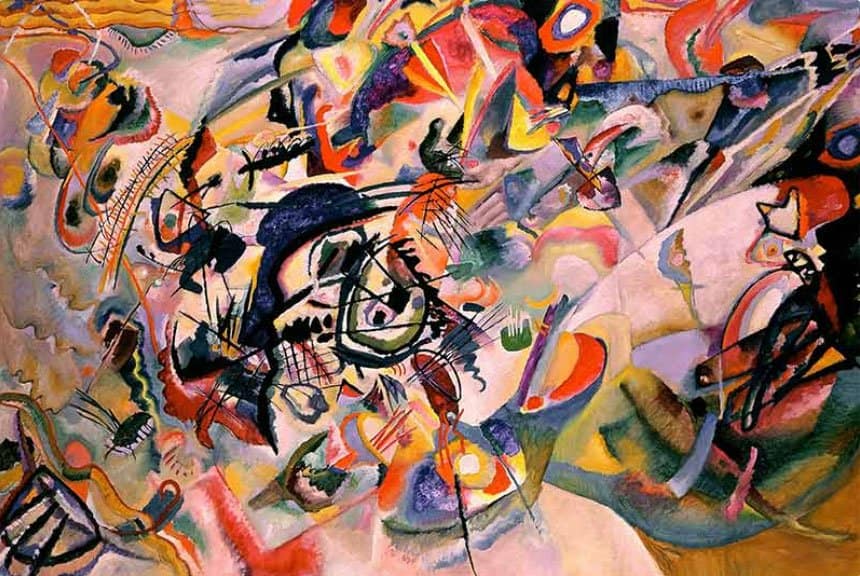
A painting class is not merely an individual endeavor—it is a communal experience. Interacting with fellow artists fosters collaboration, inspiration, and shared growth.
Group discussions, joint projects, and art critiques provide valuable feedback, broadening artistic perspectives. The exchange of ideas within a painting class creates an environment where creativity flourishes.
Artistic growth accelerates when nurtured in a dynamic, interactive setting. The collective energy of a painting class serves as a catalyst for inspiration and motivation.

Art is a continuous journey. A painting class serves as the starting point, but artistic evolution never truly ends.
As students progress, they refine their style, experiment with new concepts, and challenge their creative limits. A painting class lays the foundation for a lifelong exploration of color, form, and self-expression.
Whether pursued professionally or recreationally, painting remains an ever-evolving craft. The joy of discovery, the thrill of creation, and the satisfaction of artistic expression make this journey endlessly rewarding.
Everyone has creative potential. Some people discover it in childhood, while others uncover it later in life. A painting class provides the perfect environment to explore creativity, develop artistic skills, and reveal hidden talents.
At Fania Art Studio, students are encouraged to express themselves through art while learning professional painting techniques in a friendly and supportive atmosphere.
Many people believe that artistic talent is something people are born with. In reality, talent grows through practice, guidance, and creativity.
A structured painting class helps students:
Talent is often discovered during the learning process rather than before it begins.
Professional instructors know how to recognize each student’s strengths. Every lesson introduces new techniques that allow students to explore different artistic abilities.
Students gradually learn:
Each completed painting reveals another step in the student’s artistic journey.
Creativity grows best in a positive environment.
At Fania Art Studio, students receive:
This supportive atmosphere allows students to experiment without fear of making mistakes.
Painting develops many valuable life skills.
Students improve:
These skills benefit students in school, work, and everyday life.
There is no perfect age to begin painting.
Children develop imagination and creativity.
Teenagers strengthen artistic foundations and prepare for future art studies.
Adults often discover talents they never knew they had.
Seniors enjoy painting as a relaxing and rewarding creative activity.
Creativity has no age limit.
Trying different painting styles helps students identify their interests.
Popular classes include:
Exploring different techniques allows hidden talents to emerge naturally.
Experienced instructors provide valuable guidance that accelerates artistic growth.
Students learn:
Personal feedback helps students improve faster than learning alone.
Many beginners hesitate because they believe they cannot draw.
A structured painting class replaces fear with confidence.
Each completed project demonstrates visible improvement, motivating students to continue learning and exploring their abilities.
Fania Art Studio offers:
Every student receives guidance based on their personal goals and artistic interests.
Your artistic talent may be waiting to be discovered.
Whether you have never painted before or want to improve your existing skills, a professional painting class can help unlock your creativity and build lasting artistic confidence.
Join Fania Art Studio and begin your journey toward discovering the artist within.
Yes. Most artistic skills develop through practice, proper instruction, and consistent creativity.
No. Beginners are welcome, and lessons are designed for all skill levels.
Creativity can be developed at any age. Children, teenagers, adults, and seniors all benefit from painting classes.
Most students notice significant improvement after several weeks of regular practice.
Acrylic painting is often recommended for beginners because it is versatile, easy to learn, and suitable for many creative projects.