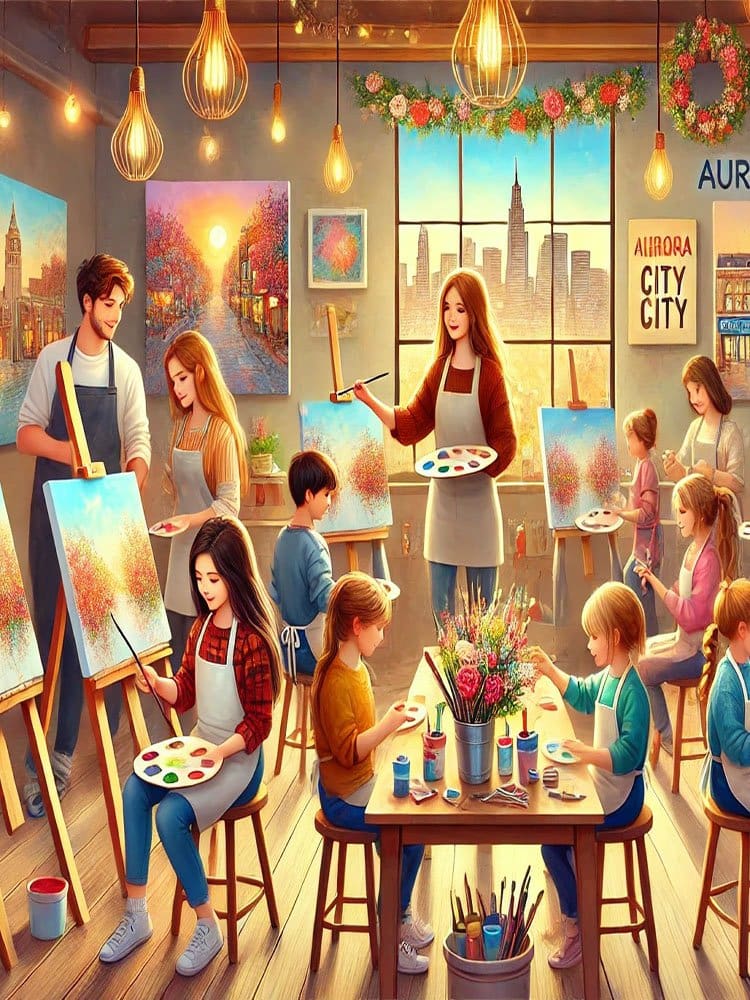
At Fania Art Studio in Aurora, Ontario, a painting class with AI combines traditional painting techniques with modern artificial intelligence tools. Students can use AI to explore ideas, develop compositions, experiment with colors, and improve their understanding of painting while keeping human creativity at the center of the process.
Machine learning algorithms analyze artistic styles, offering personalized suggestions that refine technique and composition. These AI-powered systems serve as virtual mentors, guiding students through color theory, brushstroke techniques, and even structural balance in their work. In a contemporary Painting Class., artists can experiment with AI-generated compositions, using them as blueprints to refine their own creativity.
Another breakthrough is the integration of neural networks in digital painting. Programs like Deep Dream and Runway ML allow artists to blend human intuition with algorithmic precision, producing works that harmonize organic and digital aesthetics. AI-based style transfer enables students to transform ordinary sketches into masterpieces that emulate the techniques of history’s greatest painters. A painting class enriched with AI-driven tools fosters an environment of limitless innovation.
Moreover, AI simplifies the learning process for beginners. Virtual assistants provide real-time feedback, highlighting areas for improvement and offering alternative approaches to enhance technique. Adaptive learning platforms track progress, tailoring exercises to suit an individual’s artistic development. This personalized approach redefines the traditional painting class, making artistic mastery more accessible than ever.
As artificial intelligence continues to evolve, it is not replacing human creativity but augmenting it. A painting class that incorporates AI opens the door to groundbreaking artistic possibilities, allowing students to embrace both the precision of technology and the depth of human emotion in their work.
Art education has changed significantly with the development of digital technology and artificial intelligence (AI). Traditional art studios remain an important part of learning, but new technologies can provide artists and students with additional ways to explore ideas, practice techniques, and develop their creativity.
In a traditional painting class, students learn essential skills such as brushwork, color theory, composition, and the use of different painting materials. With AI-assisted learning, these traditional skills can be complemented by digital tools that help students explore creative ideas before or during the painting process.
AI can help a student experiment with different compositions, color combinations, subjects, and artistic approaches. For example, a student may use an AI tool to explore several ideas before deciding how to develop an original painting. This process can make experimentation easier while still keeping the artist’s creativity and personal decisions at the center of the artwork.
The goal of using AI in a painting class is not to replace traditional painting techniques or the guidance of an instructor. Instead, AI can serve as a creative tool that gives students another way to explore possibilities, overcome creative blocks, and develop their own artistic ideas.
At Fania Art Studio, the combination of traditional art education and modern technology can give students an opportunity to explore new approaches to painting while continuing to build fundamental artistic skills.
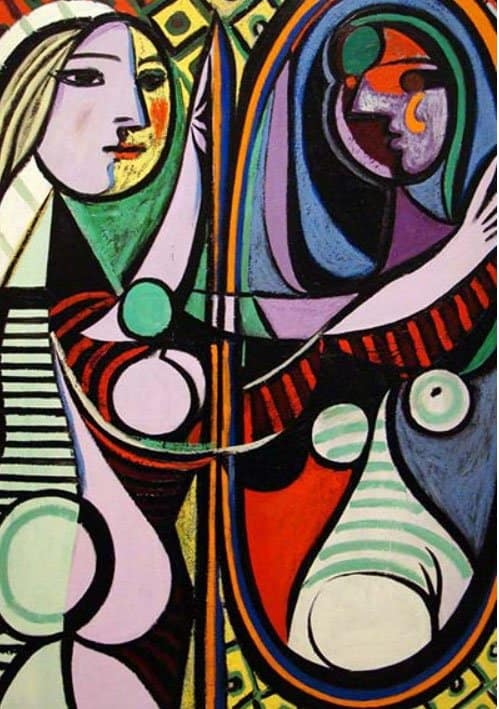
Artificial intelligence (AI) can be a useful creative tool in art education. Rather than replacing the artist’s ideas or traditional painting techniques, AI can help students explore different possibilities and develop their own creative vision.
AI tools can help students experiment with subjects, compositions, color combinations, and artistic styles. For example, a student who is interested in Impressionism can use digital tools to explore different approaches to color, light, and brushwork before applying these ideas to an original painting. This process can encourage students to look at their artwork from new perspectives.
Another advantage of AI is that it can make experimentation easier. Students can explore several ideas before choosing the direction they want to take with their artwork. They can compare different compositions or color palettes and use these experiments as references for their own paintings.
However, AI should remain a supporting tool rather than the focus of the creative process. The artist still makes the important decisions about the subject, materials, composition, colors, and final appearance of the artwork. Combining traditional painting skills with modern technology can give students more opportunities to experiment while developing their individual artistic style.
In this way, AI can add another dimension to a painting class. It can encourage curiosity, experimentation, and creative problem-solving while allowing students to continue learning the fundamental skills of painting.
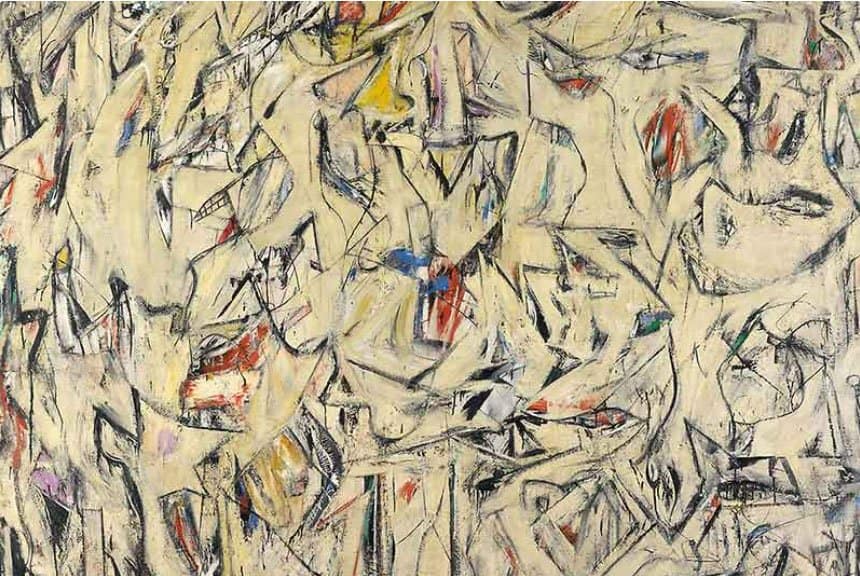
Every student approaches painting differently. Some students may need more practice with color mixing and composition, while others may want to explore new subjects, techniques, or artistic styles. AI can provide an additional creative resource that allows students to explore ideas according to their individual interests and goals.
In a painting class with AI, students can use digital tools to experiment with different compositions, color palettes, subjects, and artistic approaches. A beginner, for example, might use AI to explore simple composition ideas before starting a painting. A more experienced artist might use it to develop a concept, compare different visual approaches, or experiment with a new style.
This flexibility can make the learning process more personal. Instead of following exactly the same creative path, students can use AI as a resource to explore the areas that interest them most. They can generate ideas, make comparisons, and decide which concepts are worth developing into their own artwork.
AI does not determine what a student should paint or replace the guidance of an instructor. The student remains responsible for the creative decisions and the final artwork. The technology simply provides another way to explore possibilities and develop ideas.
By combining traditional painting instruction with AI-assisted exploration, students can work at their own creative level while continuing to develop important skills such as composition, color, observation, and artistic expression.
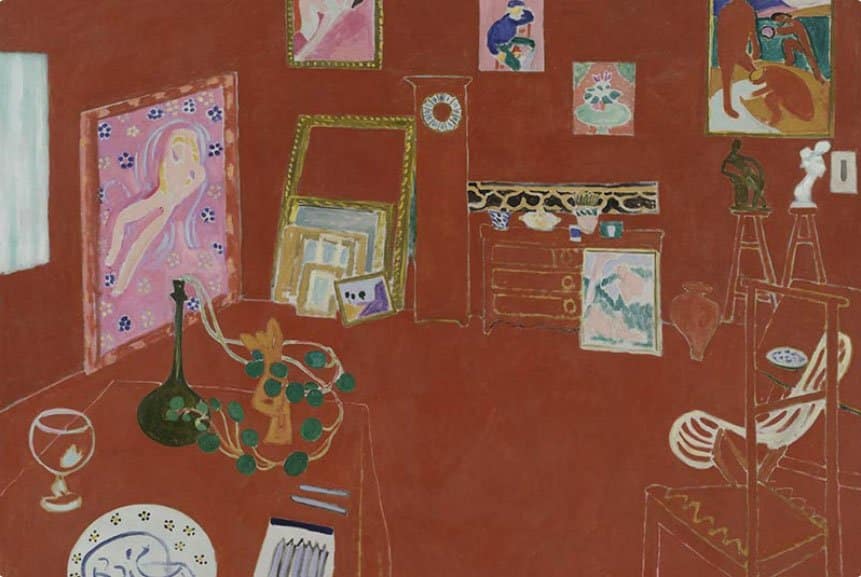
One of the most significant impacts of AI in art education is the democratization of learning. In the past, aspiring artists were often limited by their geographical location, financial resources, or access to qualified instructors. Art education could be difficult to access for people who could not afford private lessons or who lived far from established artistic communities.
AI-powered platforms are helping reduce these barriers. Anyone with access to a computer or mobile device can now explore art education and join an online painting class from almost anywhere. This creates new opportunities for people from different backgrounds to learn and develop their artistic skills. As a result, AI is helping expand access to art education and create a more inclusive and diverse artistic community.
Another advantage of AI is flexible learning. Students can learn at their own pace instead of following a fixed classroom schedule. They can practice painting techniques when it is convenient for them and revisit lessons whenever they need additional practice.
AI can also make
Traditional painting classes often follow a structured approach, where students listen to the instructor and practice techniques step by step. While this method can be effective, AI can add a more interactive and personalized element to the learning experience.
In an AI-enhanced painting class, students can receive instant feedback, suggestions, and prompts based on their progress. For example, if a student has difficulty with a particular technique, an AI-powered system can recommend targeted exercises or additional practice. This personalized support can help students understand their challenges and improve their skills more effectively.
AI can also make the learning process more engaging by responding to students’ actions and decisions. Instead of simply following a fixed lesson, learners can explore different techniques and receive guidance based on their individual needs. This interactive approach can help students stay motivated and focused throughout their art education.
Another way AI can enhance learning is through gamification. Students can complete challenges, track their progress, and reach different learning milestones. These elements can make practice more enjoyable while encouraging students to continue developing their artistic abilities.
In this way, an AI-supported painting class can become more than a traditional lesson. It can provide an interactive and personalized learning experience that encourages creativity, skill development, and continuous artistic growth.

Digital art is often associated with modern graphics and computer-based designs. However, AI can also create a connection between traditional painting techniques and digital tools. An AI-enhanced painting class can introduce students to both approaches and help them explore a wider range of artistic possibilities.
Students can begin their artwork using traditional methods, such as sketching, oil painting, or acrylic painting. They can then use digital tools and AI to enhance, modify, or explore new ideas based on their original work. This process allows artists to move between traditional and digital techniques while maintaining their own creative vision.
Combining these two approaches can give students greater creative freedom. They can experiment with composition, colors, textures, and different artistic styles without abandoning the hands-on experience of working with physical materials.
This hybrid approach can be especially valuable for students who enjoy traditional painting but are also interested in digital technology. By combining both worlds, learners can create unique mixed-media artworks and discover new ways to express their creativity.
An AI-supported painting class can therefore provide a bridge between traditional art and modern technology. It allows students to develop practical painting skills while exploring innovative digital possibilities and expanding their artistic practice.
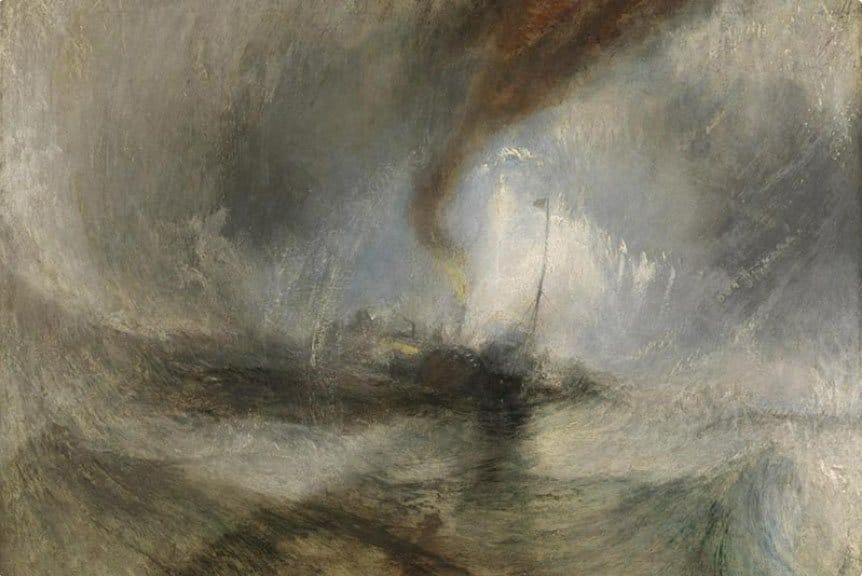
In a traditional painting class, an instructor guides students by providing feedback, practical advice, and encouragement. AI can complement this role by offering personalized support throughout the learning process. AI-powered tools can analyze a student’s work, identify areas for improvement, and provide suggestions based on their progress.
AI can do more than help students learn individual painting techniques. It can also support their development as artists. By considering a student’s interests, skill level, and learning goals, AI can recommend lessons and exercises that match their needs.
For example, a student may have difficulty understanding perspective. An AI-powered learning system can identify this challenge and suggest lessons focused on perspective. It can also recommend practical exercises that allow the student to develop this skill through regular practice.
This type of personalized guidance can be especially useful for learners who do not have access to a personal art instructor. It can also benefit students who prefer to practice independently. Instead of following the same learning path as everyone else, students can receive guidance that matches their individual progress.
AI can therefore act as a supportive mentor in a painting class. It can provide personalized feedback, suggest useful exercises, and help students develop their skills at their own pace. However, AI works best as a complement to human instruction, rather than a replacement for the creativity, experience, and personal connection of an art teacher.

As AI technology continues to develop, the future of painting classes may include more immersive technologies, such as augmented reality (AR). AR can allow students to interact with their artwork in new ways while receiving guidance in real time. By adding virtual elements to the physical environment, AR can create a more engaging and interactive learning experience.
For example, an AI-powered painting class could allow students to visualize their artwork in different environments. They might also explore how colors, textures, and brushstrokes could appear under different lighting conditions. These tools could help learners experiment with artistic ideas that may be difficult to explore through traditional methods alone.
The combination of AI and augmented reality could also make art education more personalized. AI can provide feedback based on a student’s progress, while AR can create an immersive environment for experimentation and practice. Together, these technologies could give students new ways to understand and develop their artistic skills.
As these technologies continue to evolve, AI and AR may become valuable tools in modern painting classes. They can expand the possibilities of art education while still allowing students to develop their creativity and personal artistic style. The future of painting education could therefore offer a balance between traditional techniques, personalized AI guidance, and immersive digital experiences.

Every artist experiences moments of doubt or creative stagnation. In a traditional painting class, students may overcome these challenges by looking for inspiration, experimenting with new ideas, or asking their instructor for guidance. AI can provide another source of support by suggesting ideas, exercises, and creative prompts.
AI-powered tools can analyze aspects of a student’s work, such as composition, color choices, and brushwork. Based on this information, they can suggest techniques or exercises that encourage further experimentation. For example, if a student often uses similar color combinations, AI can suggest alternative color palettes inspired by different artistic styles or periods.
AI can also provide creative prompts when students are unsure about what to paint. A simple suggestion can encourage them to explore a new subject, composition, technique, or artistic style. This can help turn a period of creative uncertainty into an opportunity for experimentation and learning.
This type of assistance can be especially useful for artists who feel stuck in their creative process. With thoughtful AI support, a painting class can become a space where students continuously explore new ideas and develop their artistic skills.
AI does not need to replace the creativity or guidance of an art instructor. Instead, it can serve as an additional creative tool that helps students overcome challenges, experiment with new possibilities, and build confidence in their artistic journey.

One growing debate in the art world is whether AI-generated images can be considered authentic works of art. Some artists believe that meaningful art should come from human experience, creativity, and personal expression. Others see AI as a new creative tool that can expand the possibilities of artistic expression.
In a painting class, AI-generated art can introduce students to new ways of exploring creativity. AI tools can generate images based on different artistic styles, compositions, colors, and visual concepts. Students can use these ideas as inspiration and then develop their own artwork using traditional painting techniques.
The use of AI also raises important questions about creativity and originality. AI can produce visually impressive images, but it does not have personal experiences or emotions in the same way that human artists do. This raises an interesting question: can an AI-generated image carry the same emotional meaning as a painting created from an artist’s personal experiences?
At the same time, AI-generated art can encourage students to think differently about authorship and artistic identity. By experimenting with AI tools, learners can compare computer-generated ideas with their own creative decisions. They can then transform, reinterpret, or combine these ideas with traditional painting techniques.
Rather than replacing traditional art, AI can become another tool for artistic exploration. When used thoughtfully, it can help students discover new ideas while encouraging them to develop their own creative voice.
The future of painting classes may therefore include both traditional techniques and AI-assisted creativity. The human artist remains central to the creative process, while AI can provide new sources of inspiration, experimentation, and artistic exploration.

AI-assisted painting classes are not only useful for beginners. Professional artists can also use AI tools to expand their creative practice, explore new techniques, and develop fresh artistic ideas. Instead of replacing an artist’s experience, AI can provide additional tools for experimentation and creative exploration.
In a painting class designed for professional artists, AI can serve as a creative assistant rather than a teacher. It can help artists explore different compositions, color combinations, styles, and visual concepts. These suggestions can encourage experienced artists to experiment beyond their usual methods and discover new creative possibilities.
Professional artists can also use AI to explore ideas before beginning a physical painting. For example, an artist might use AI to develop different compositions or visualize possible color palettes. The artist can then select the most useful ideas and interpret them through their own artistic style and traditional techniques.
For experienced artists, this approach can provide a valuable way to combine established skills with emerging technology. AI can support experimentation while allowing the artist to remain in control of the creative process.
As the art world continues to evolve, painting classes that incorporate AI may help professional artists adapt to new technologies and explore modern approaches to artistic expression. The goal is not to replace traditional skills, but to give artists additional tools for creativity, experimentation, and professional growth.
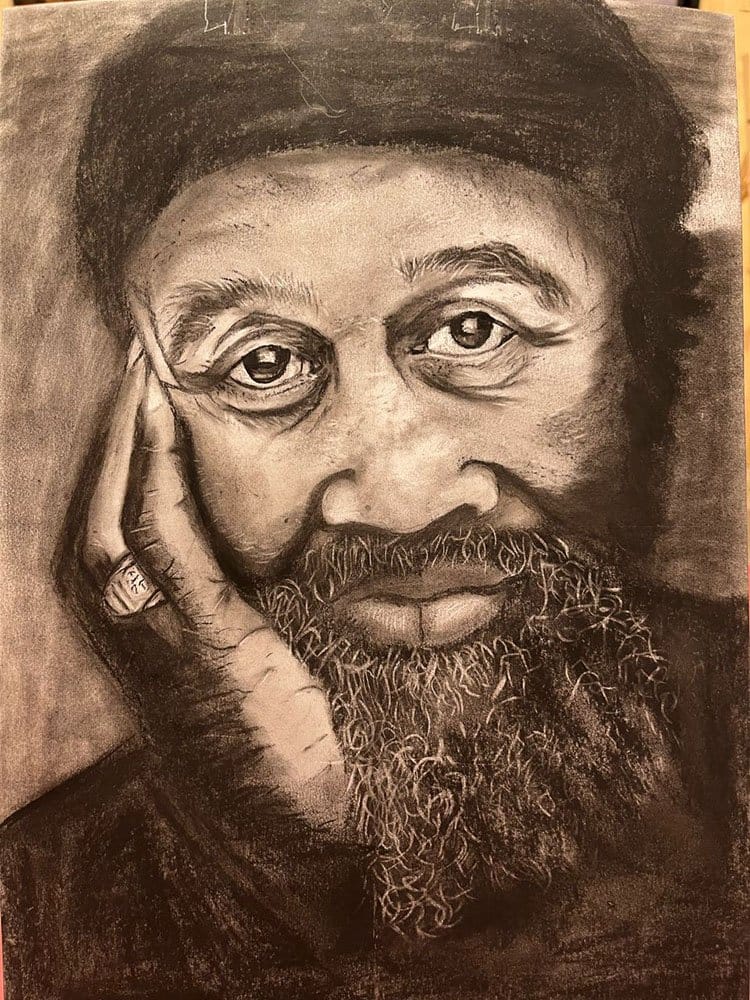
Participating in a painting class can offer more than an opportunity to learn artistic techniques. Painting can also provide a way to express ideas, explore emotions, and build confidence. When AI is used as a supportive learning tool, it can make this experience more personalized and encouraging.
Some students may feel uncertain about their artistic abilities, especially when they are learning a new technique. AI can provide immediate feedback and suggestions without creating the pressure that some learners may feel in a traditional classroom. Students can practice at their own pace and use feedback to identify areas where they can improve.
AI can also help students recognize their progress. When learners receive guidance that matches their skill level, they may find it easier to understand their strengths and work on areas that need improvement. Seeing gradual progress can increase motivation and encourage students to continue practicing.
Painting can also be a useful form of self-expression. Students may use colors, subjects, and artistic styles to communicate ideas or feelings. AI can support this creative process by suggesting new techniques, subjects, or exercises when students need inspiration.
For students who struggle with perfectionism or self-doubt, an AI-supported painting class can provide additional opportunities for experimentation. Instead of focusing only on creating a perfect final painting, students can be encouraged to try different approaches and learn from their mistakes.
AI should not replace the personal support of an experienced art instructor or professional mental health support when it is needed. However, when used appropriately, it can complement art education by creating a more flexible, encouraging, and personalized learning experience.

The integration of AI into art education has the potential to expand access to painting classes around the world. In the past, access to quality art education often depended on location, financial resources, and the availability of experienced instructors. Online learning and AI-powered tools can help reduce some of these barriers.
With an internet connection and a suitable device, students in many parts of the world can access online painting lessons, explore different techniques, and receive personalized guidance. AI can provide feedback based on a learner’s progress and help students practice at a pace that suits their individual needs.
This increased accessibility can contribute to a more diverse and inclusive art community. Students from different cultures and backgrounds can learn, create, and share their artistic perspectives. Their experiences can introduce new ideas, techniques, and approaches to painting.
AI can also make it easier for artists from different regions to explore ideas beyond their local artistic traditions. By accessing a wider range of educational resources and creative influences, students can experiment with new styles while maintaining their own cultural and artistic identity.
As AI-assisted art education continues to develop, painting classes may become increasingly accessible to learners around the world. This global exchange of knowledge and creativity could encourage greater collaboration and contribute to new approaches to artistic expression.
AI is therefore not simply changing how students learn to paint. It may also help connect artists across cultures and create new opportunities for people who previously had limited access to art education.
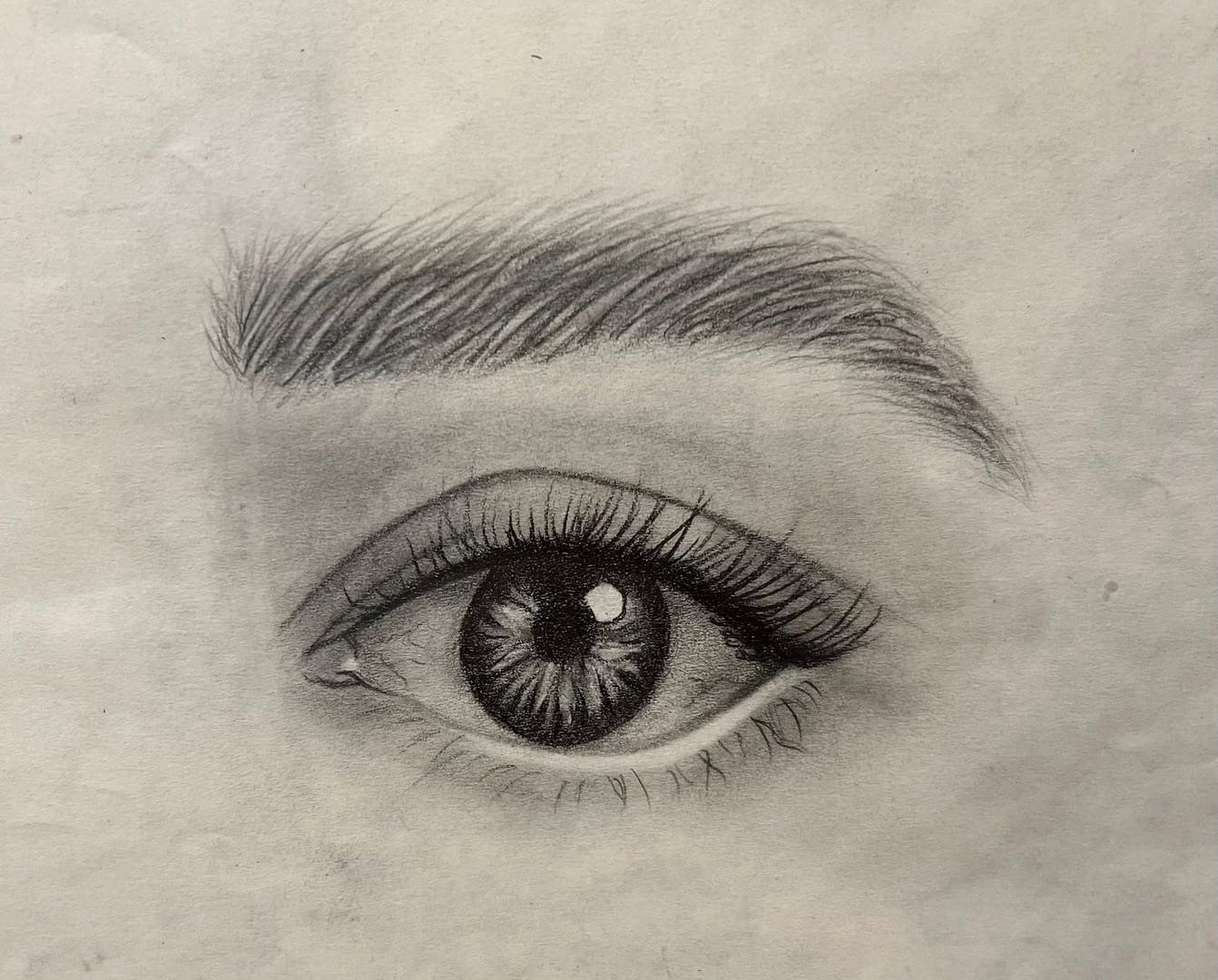
As technology continues to advance, AI is likely to play an increasingly important role in art education. Developments in machine learning and AI-powered tools can make painting classes more personalized, interactive, and flexible. At the same time, the role of the art instructor may evolve. Teachers can focus more on creative guidance, personal feedback, and helping students make the most of new technologies.
Future painting classes may also incorporate technologies such as virtual reality, augmented reality, and AI-assisted feedback. These tools could give students new ways to practice techniques, visualize artistic concepts, and experiment with different approaches. However, technology should support the learning process rather than replace the creativity and personal connection provided by an experienced instructor.
As AI continues to develop, students may have more opportunities to explore their individual artistic interests. Personalized lessons can help learners focus on areas that match their skill level, while digital tools can encourage experimentation and creative problem-solving.
The painting class of the future may therefore be much more than a place to learn traditional techniques. It could become a flexible learning environment where traditional art, human instruction, and modern technology work together.
The combination of artistic skill and AI technology has the potential to create new opportunities for learning and creative expression. While AI can provide powerful tools and personalized support, the artist’s imagination, experience, and personal creative voice will remain at the heart of the artistic process.
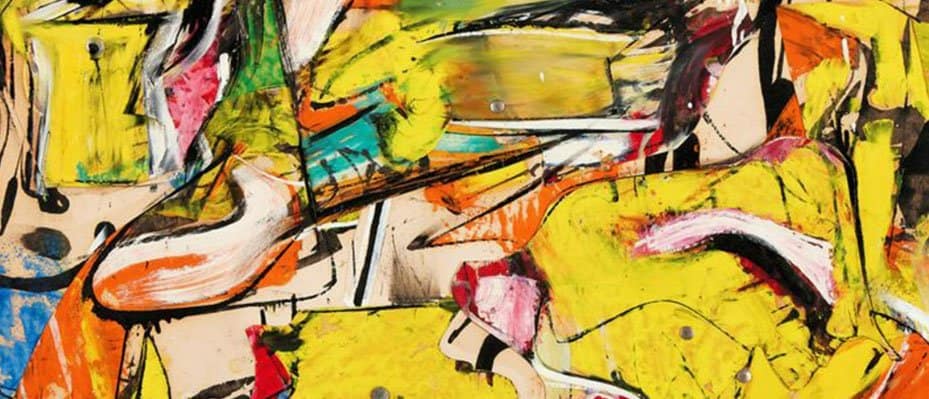
Artificial intelligence is changing the way people learn, practice, and experience art. From personalized feedback and interactive exercises to new forms of creative exploration, AI can provide valuable support for students at different stages of their artistic journey.
A modern painting class can combine the strengths of technology with the experience of a human instructor. AI can help students practice at their own pace, explore new ideas, and identify areas for improvement. At the same time, an experienced teacher can provide personal guidance, encouragement, and the creative perspective that technology cannot replace.
The future of art education does not have to be a choice between traditional painting and new technology. Instead, these approaches can work together. Students can develop essential painting skills while using AI as an additional tool for inspiration, experimentation, and personalized learning.
As AI continues to evolve, painting classes may become more accessible, flexible, and engaging. However, the heart of art will remain human creativity. Technology can provide new possibilities, but it is the artist’s imagination, emotions, experiences, and personal vision that give artwork its unique meaning.