

Painting classes for seniors in Aurora can provide a rewarding opportunity for older adults to explore creativity and enjoy a meaningful hobby. Painting allows participants to express themselves while learning new artistic techniques in a relaxed and supportive environment.
One of the benefits of joining a Painting Class is the sense of accomplishment that comes from completing a piece of artwork. Whether students paint a landscape, portrait, or abstract composition, finishing a project can provide a rewarding experience and encourage greater confidence in their creative abilities.
Painting can also be a social activity. Senior painting classes can bring together people with similar interests and create opportunities for conversation, friendship, and shared learning. Participants can exchange ideas, discuss artistic inspiration, and appreciate each other’s work. These social connections can make art classes an enjoyable part of a regular routine.
For seniors who are new to painting, a supportive learning environment can make it easier to get started. An experienced instructor can introduce different painting techniques and mediums while allowing students to progress at a comfortable pace. Beginners can experiment with new ideas, develop their skills, and gradually discover their own artistic style.
Painting classes can therefore offer seniors more than an opportunity to learn how to paint. They can provide a combination of creativity, social interaction, learning, and personal achievement. For seniors in Aurora, joining a local painting class can be an enjoyable way to explore art and continue developing new skills.

Participating in a painting class gives seniors an opportunity to explore their creativity and learn new skills. Painting can also provide a relaxing and enjoyable activity that encourages self-expression and personal growth.
Many older adults find that painting adds a sense of purpose and satisfaction to their daily lives. It provides a way to express thoughts, memories, and feelings through color, shape, and composition. For some seniors, this creative process can be a meaningful way to explore emotions that may be difficult to express with words.
Painting classes for seniors can be designed to create a warm, welcoming, and supportive environment. Lessons can be adapted to different skill levels and physical abilities. Instead of focusing only on the final result, instructors can encourage students to enjoy the creative process and learn at their own pace.
The main goal is to encourage creativity and build confidence. Seniors can explore different painting styles, techniques, and mediums while enjoying the simple pleasure of creating art. A supportive instructor can also help beginners feel comfortable as they develop their skills.
The benefits of painting can extend beyond the canvas. Creative activities can encourage focus, concentration, and mental engagement. Painting can also provide opportunities for relaxation and social interaction, especially when students participate in classes with others who share similar interests.
Painting is also an adaptable activity for people with different abilities. Lessons can be adjusted to accommodate individual needs, allowing seniors to participate comfortably and enjoy the experience.
For these reasons, painting classes can be an inclusive and rewarding activity for seniors. They offer an opportunity to learn, create, socialize, and express personal ideas while developing a lifelong appreciation for art.
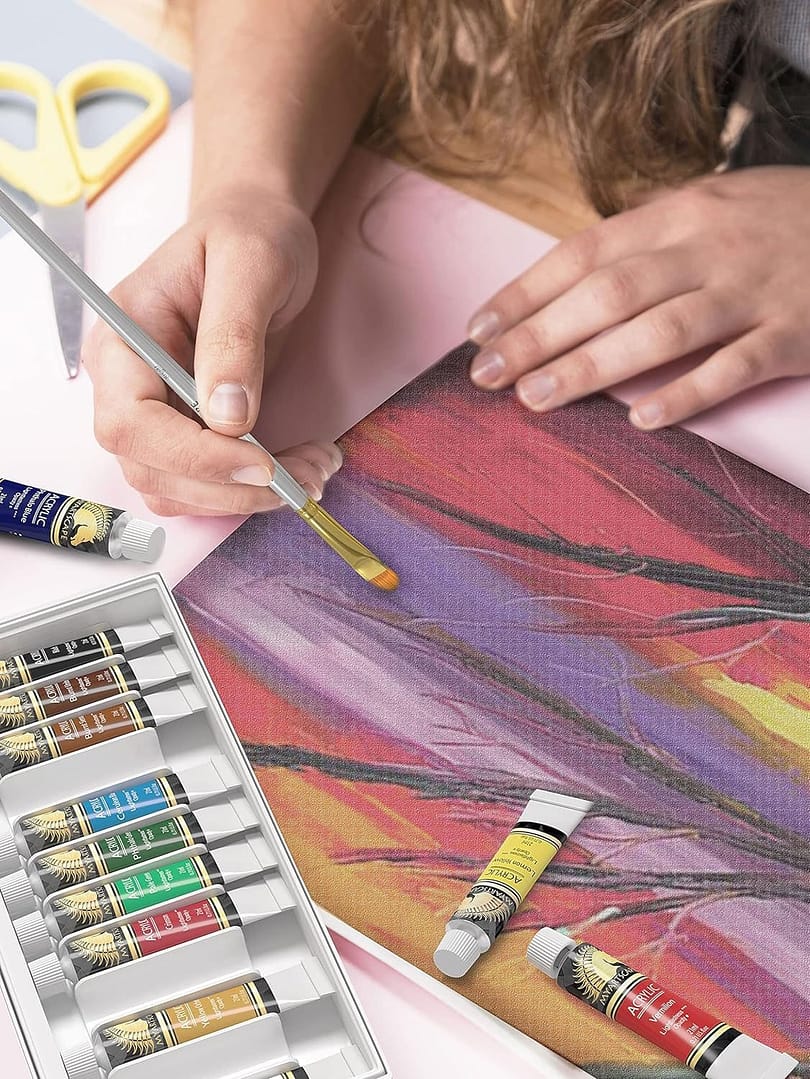
Participating in a painting class can offer seniors a meaningful way to stay mentally engaged and express their creativity. Painting requires attention to colors, shapes, composition, and brushwork. Focusing on these activities can provide a relaxing break from everyday concerns and encourage mindful concentration.
Creative activities such as painting may also support emotional well-being. When seniors become absorbed in the creative process, they can focus their attention on the artwork and enjoy a sense of calm. Choosing colors, experimenting with techniques, and creating different compositions can make each session an opportunity for exploration and personal expression.
Completing a painting can also create a strong sense of accomplishment. Finishing a piece of artwork gives students a tangible result that they can appreciate and share with others. This experience can help build confidence and encourage seniors to continue learning and developing their artistic skills.
Painting also provides a comfortable way to express thoughts and feelings. Through abstract or realistic artwork, seniors can communicate ideas visually without always needing to put their emotions into words. The creative process can encourage reflection and give participants an opportunity to explore their personal experiences.
The social aspect of a painting class can provide additional emotional benefits. Learning alongside other people creates opportunities for conversation, friendship, and shared experiences. Regular participation can help seniors feel connected to a community with similar interests.
Painting can therefore become a valuable form of personal time and self-care. It gives seniors an opportunity to focus on creativity, learning, and personal expression. For many participants, the experience is not only about creating a painting but also about enjoying the process and making time for themselves.
While painting should not be considered a replacement for professional mental health care, it can be a positive and enjoyable activity that supports creativity, social connection, confidence, and overall well-being.

One of the valuable aspects of a painting class for seniors is the sense of community it can create. As people get older, opportunities for regular social interaction may decrease. Changes in mobility, retirement, or the loss of loved ones can sometimes make it more difficult to maintain an active social life.
A group painting class provides an opportunity for seniors to meet people with similar interests. Participants can learn together, share ideas, and enjoy conversations in a relaxed and welcoming environment. These simple interactions can make the experience more enjoyable and help students feel connected to others.
Creative activities can also create natural opportunities for participants to build friendships. Students may discuss their artwork, exchange ideas, or encourage each other while working on a project. Sharing these experiences can create a supportive atmosphere where everyone feels comfortable learning and experimenting.
Another important part of a senior painting class is encouragement. Participants can celebrate each other’s progress and achievements, whether they are completing their first painting or developing a new technique. This shared sense of progress can strengthen connections within the group.
For seniors who have limited opportunities to socialize, regular art classes can provide a valuable reason to get out, meet others, and take part in a shared activity. The focus on creativity gives participants a common interest and makes conversation and interaction feel natural.
The community created through painting classes can therefore be just as valuable as the artistic skills students develop. Beyond learning about colors, techniques, and composition, seniors can enjoy friendship, shared experiences, and a greater sense of connection with their community.

Participating in a painting class can provide seniors with valuable opportunities for mental stimulation and creative learning. Painting involves several cognitive activities, including planning, making decisions, remembering techniques, and paying attention to visual details. These activities encourage students to stay engaged throughout the creative process.
Painting can also encourage memory and learning. Seniors may draw on previous experiences, remember techniques they have learned, and make decisions about colors, shapes, and composition. Learning new artistic skills provides an opportunity to practice these abilities while creating something meaningful.
Another benefit is the opportunity to develop concentration and focus. Painting requires students to pay attention to their materials and make careful decisions as their artwork develops. Activities such as mixing colors, applying brushstrokes, and working on small details can encourage sustained attention.
A painting class can also introduce seniors to new techniques and artistic concepts. Learning something unfamiliar encourages curiosity and gives participants an opportunity to continue developing their skills. Whether they are exploring abstract painting, landscapes, portraits, or other styles, students can challenge themselves in ways that keep the learning experience interesting.
The creative process can therefore provide a combination of artistic and cognitive engagement. Rather than focusing only on the finished artwork, seniors can benefit from the planning, experimentation, problem-solving, and learning involved along the way.
Painting should not be considered a treatment for cognitive decline or dementia. However, as an enjoyable creative activity, it can provide seniors with opportunities to stay mentally engaged, learn new skills, and maintain an active interest in creative expression.

Although painting is often associated with creativity and mental engagement, it can also involve gentle physical activity. Holding a paintbrush, controlling brushstrokes, and working with different art materials require coordination between the hands and eyes. These movements can provide an opportunity for seniors to practice fine motor skills while enjoying a creative activity.
In a painting class, students may work with different brushes, painting tools, and materials. Each tool requires slightly different hand movements and levels of control. Regular practice can encourage seniors to use their hands and fingers in varied ways while developing greater familiarity with painting techniques.
Painting can also encourage students to maintain a comfortable and engaged posture. Depending on the activity, seniors may paint while sitting or standing and may adjust their position as they work. Choosing a comfortable setup is particularly important for participants who have physical limitations or need additional support.
One advantage of painting is that it is generally a low-impact creative activity. Seniors can participate according to their own abilities and take breaks when needed. An instructor can also adapt activities, materials, or techniques to make the experience more comfortable and accessible.
Painting should not replace regular physical exercise or medical care. However, it can complement an active lifestyle by combining gentle hand movements, coordination, concentration, and creativity in one enjoyable activity.
For seniors, a painting class can therefore offer more than an opportunity to develop artistic skills. It can provide a comfortable way to stay engaged, practice hand-eye coordination, and enjoy creative movement as part of a balanced lifestyle.

Art can provide seniors with a meaningful way to express themselves and explore their emotions. While a regular painting class is not the same as professional art therapy, the creative process can offer opportunities for relaxation, reflection, and personal expression.
For seniors experiencing major life changes, painting can provide a comfortable activity through which they can explore their thoughts and feelings. Loss of a spouse or friend, changes in daily routines, and other experiences associated with aging can sometimes create emotional challenges. Creating artwork can give individuals another way to express ideas and experiences that may be difficult to communicate through words.
The process of painting can also encourage focused attention and relaxation. Choosing colors, creating compositions, and working with brushstrokes require concentration and can help students become absorbed in the activity. For some participants, this focused creative time can provide a welcome break from everyday worries.
Painting can also contribute to a sense of accomplishment. Completing an artwork gives seniors something tangible to appreciate and share. This experience can encourage confidence and motivate participants to continue exploring their creativity.
A group painting class can provide additional benefits through social interaction. Seniors can share their artwork, exchange ideas, and enjoy conversations with other participants. These shared experiences can create a welcoming environment where students feel supported and connected.
For seniors interested in using art as a form of self-expression and personal enrichment, painting can be a rewarding activity. It can provide time for creativity, reflection, and social connection while encouraging participants to explore their individual artistic voices.
Professional art therapy is different from a regular painting class and is typically provided by a qualified art therapist as part of a therapeutic process. However, a supportive painting class can still be a valuable creative experience that contributes to enjoyment, confidence, and overall well-being.
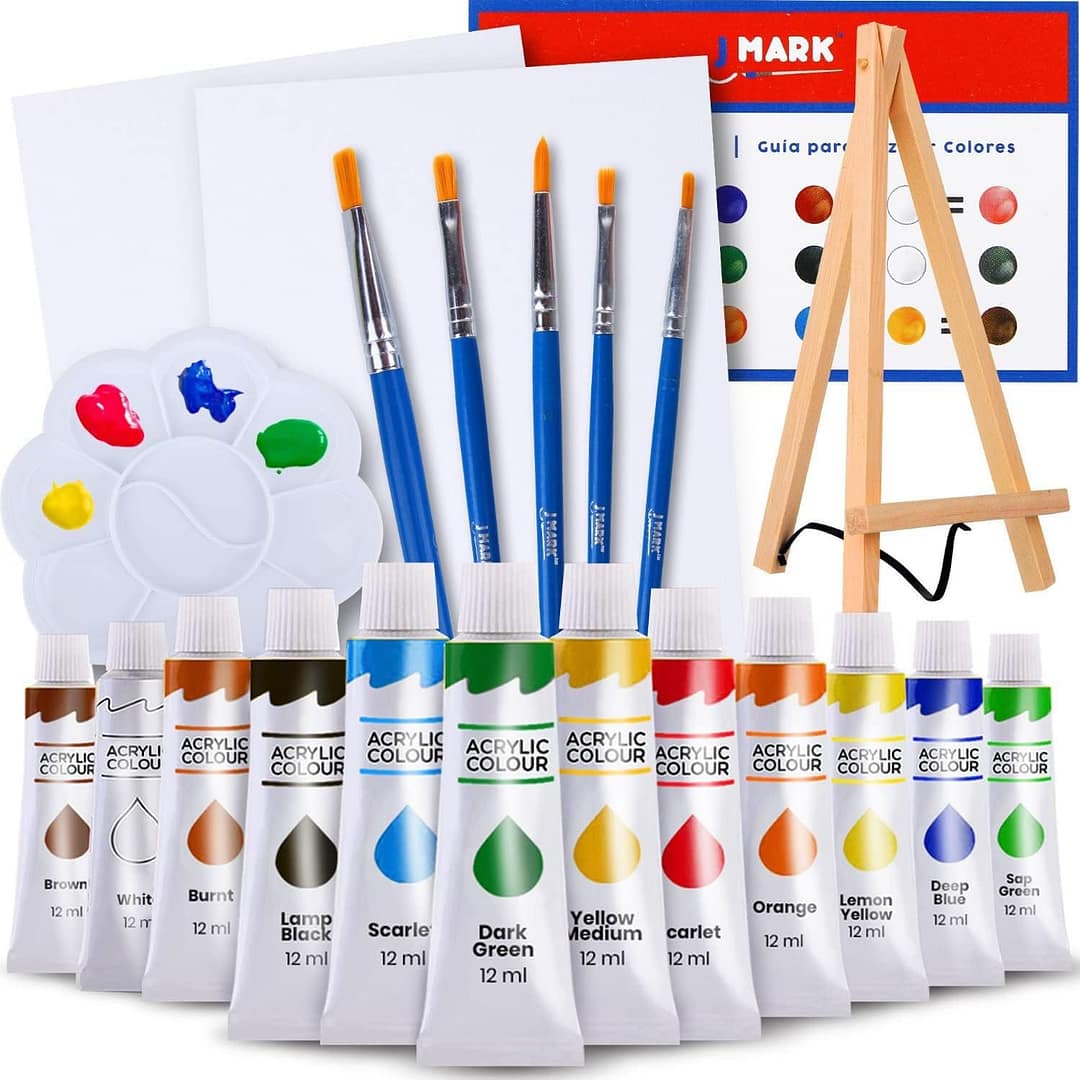
A painting class can give seniors an opportunity to explore their creativity and express themselves through art. As people get older, their daily routines may become focused on family responsibilities, work changes, or other aspects of everyday life. Creative activities can provide valuable time to focus on personal interests and artistic expression.
Painting gives seniors the freedom to communicate ideas, memories, and personal experiences visually. A colorful abstract painting, a peaceful landscape, or a simple still life can reflect an individual’s interests and creative perspective. In a supportive painting class, students can experiment with different techniques and styles without feeling pressured to create a perfect result.
Painting also encourages individuality. Each participant can choose subjects, colors, and techniques that reflect their personal interests. Even when students work from the same lesson, their finished paintings can look completely different. This makes every artwork a unique expression of the person who created it.
Art can also provide a visual way to tell personal stories. Seniors may choose to paint places they remember, subjects they enjoy, or images that have personal meaning. These creative choices can encourage reflection and give participants an opportunity to share their experiences with others.
Most importantly, the process of creating something from an idea can be enjoyable and rewarding. Completing a painting can provide a sense of achievement and encourage seniors to continue exploring their creativity.
A painting class can therefore be more than a place to learn artistic techniques. It can provide seniors with time for creativity, self-expression, personal exploration, and the simple enjoyment of making art.
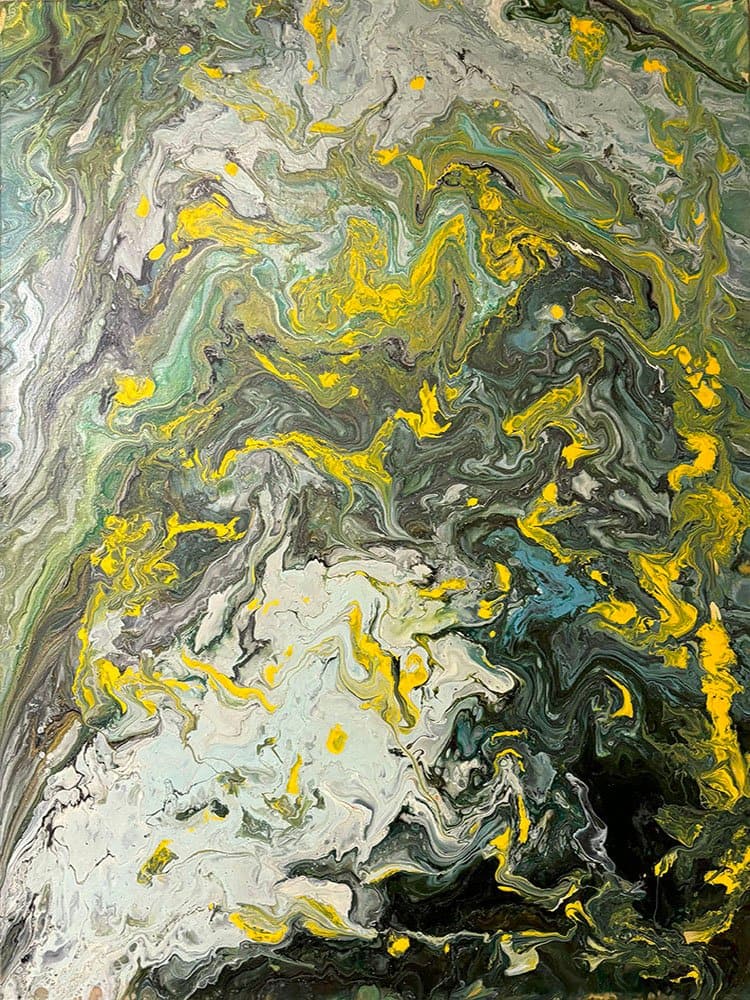
For many seniors, joining a painting class can feel intimidating at first. They may be unsure about their artistic abilities or feel self-conscious because they have little or no previous experience. A welcoming class can help ease these concerns and make the learning process more comfortable. No prior experience is required in many beginner-friendly classes, and instructors can adapt their guidance to different skill levels.
A supportive painting class gives seniors an opportunity to learn at their own pace. As they practice basic techniques, experiment with colors, and complete small projects, they can begin to recognize their progress. Seeing an idea develop into a finished painting can provide a meaningful sense of accomplishment.
Experienced instructors can also make new techniques easier to understand. Step-by-step demonstrations and individual guidance allow students to develop their skills without feeling overwhelmed. Each completed project can encourage seniors to continue practicing and exploring different approaches to painting.
As seniors become more comfortable with the creative process, they may feel more confident about trying new techniques and expressing their personal ideas. The experience can encourage curiosity, creativity, and a willingness to take on new artistic challenges.
A painting class can therefore provide more than instruction in artistic techniques. It can offer seniors a supportive environment where they can learn, practice, overcome initial doubts, and enjoy the satisfaction of creating their own artwork.
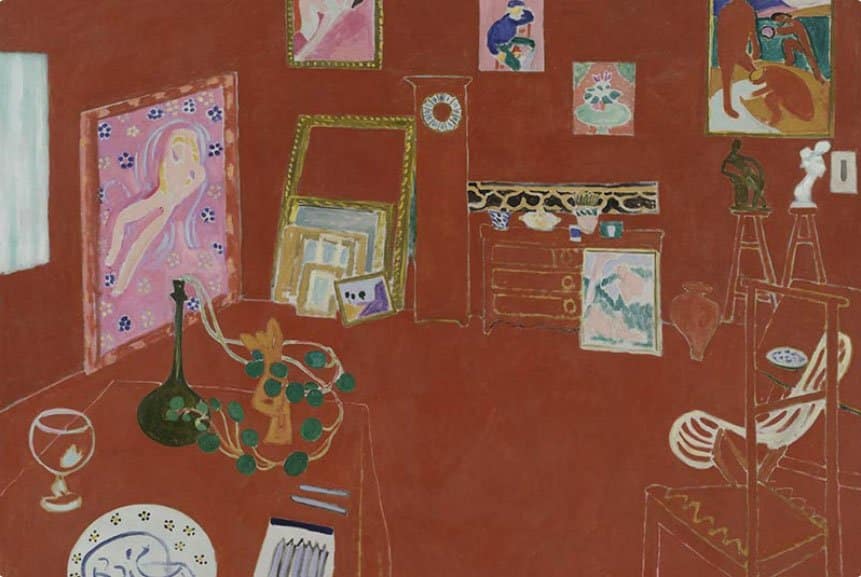
A painting class for seniors can offer much more than an opportunity to learn artistic techniques. It can provide a welcoming space for creativity, self-expression, learning, and social connection. Through painting, seniors can explore their interests, develop new skills, and enjoy the satisfaction of creating something of their own.
For some seniors, joining an art class can also be a meaningful way to add creativity and variety to their daily routines. Working on a painting, learning a new technique, or sharing ideas with other students can make each class an enjoyable and rewarding experience. The supportive environment of a class can also encourage participants to continue exploring their artistic abilities.
Most importantly, painting allows every student to create in their own way. Seniors can choose subjects, colors, and techniques that reflect their individual interests and experiences. There is no single definition of a successful painting. The value often comes from the creative process and the personal experience behind the artwork.
A painting class for seniors can therefore be a positive part of an active and creative lifestyle. Whether someone is a complete beginner or has previous artistic experience, painting provides an opportunity to keep learning, creating, and connecting with others while enjoying the simple pleasure of making art.