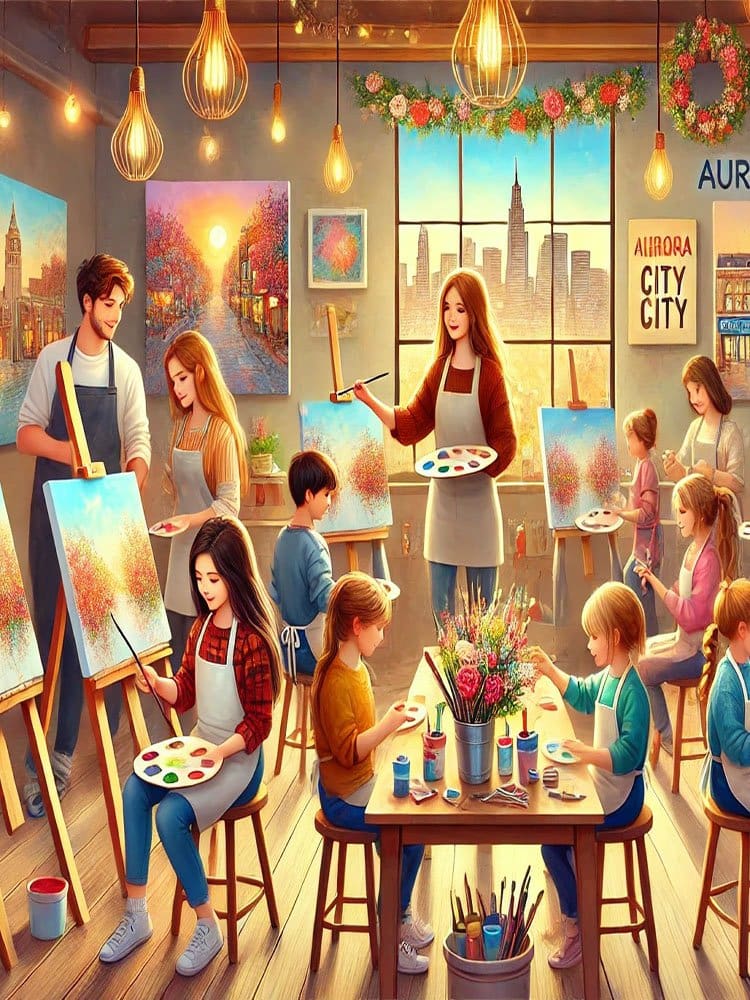

Light is a fundamental element in painting, bringing depth, emotion, and realism to an artwork. In a Painting Class , students learn not just to depict light, but to harness its power in a way that transforms their compositions. Light can guide the viewer’s eye, create mood, and enhance the perception of space, making it an essential tool for any artist.
In a Painting Class, the importance of understanding light sources and their effects is emphasized. Whether it’s natural light streaming through a window or artificial lighting from a lamp, artists are taught how to observe and replicate these light conditions accurately. Light defines form, casting shadows and highlighting certain aspects of the painting. Students learn to use different light sources to create dynamic contrasts—such as the soft, diffused light of an overcast day versus the harsh, dramatic light of a midday sun.
Photoshop, for example, offers tools like the dodge and burn tool, allowing artists to manipulate light digitally by either lightening or darkening specific areas of the painting. This technique can simulate the subtle gradations of light that are crucial for creating a three-dimensional appearance. In a Painting Class, artists also experiment with layer blending modes like Soft Light or Overlay to introduce a sense of light that interacts seamlessly with the underlying layers.
Ultimately, the study of light in a Painting Class teaches artists how to create a narrative with their work, guiding the viewer’s emotions and experience. By mastering the delicate dance of light and shadow, digital artists can imbue their creations with a sense of realism and intrigue, capturing the ever-changing nature of light itself.

Light is not merely a visual aspect of the world; it is a tool for artists, shaping the way we perceive form, texture, and depth. In a Painting Class, light becomes an essential medium in the artist’s toolkit, influencing every aspect of the work. It defines contours, creates mood, and directs attention, helping to tell a story through the manipulation of shadows and highlights. By understanding light, artists can enhance the realism and emotional power of their paintings.
A fundamental aspect of a Painting Class is learning how light interacts with different objects. Whether it’s soft, diffused natural light or the sharp, direct light of a spotlight, each type influences the composition in unique ways. Understanding these subtleties is key for students aiming to bring their work to life.
In a Painting Class, students also explore the science of light—how it travels, how it is reflected, and how it casts shadows. They learn the fundamental principles that govern light’s behavior in a two-dimensional medium, which allows them to render realistic depictions and make artistic choices that push the boundaries of conventional realism. Ultimately, light in a Painting Class is not just an element of physical reality but a tool for artistic expression.
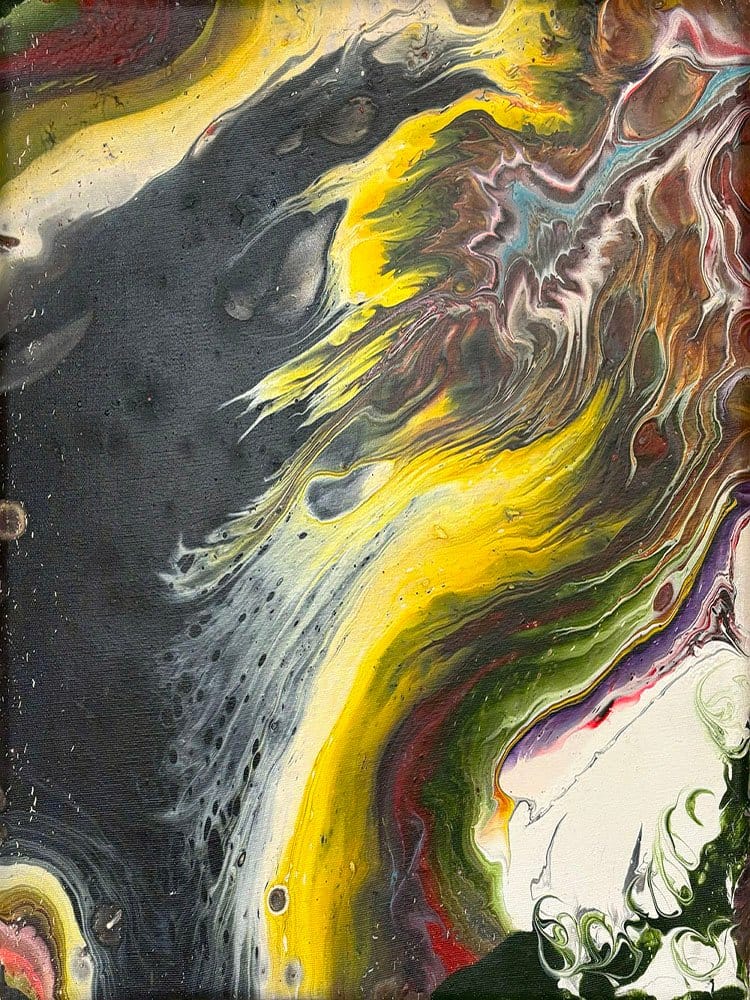
The difference between natural and artificial light is profound, influencing the way colors, textures, and tones are perceived. In a Painting Class, students are taught to differentiate between these light sources and their effects on paintings. Natural light, such as sunlight, changes throughout the day, casting soft shadows during the early morning and late afternoon, while midday sun creates harsher, more defined shadows.
Artificial light, on the other hand, remains constant, allowing artists to control lighting in ways that natural light cannot. In a Painting Class, artists experiment with different types of artificial light, such as incandescent, fluorescent, and LED, each of which has its unique color temperature. Fluorescent light, for example, can create a cooler, bluish tint, while incandescent light gives a warm, yellowish glow. By studying the variations in lighting, students learn to apply these effects to their digital or traditional paintings, ensuring that the mood of their work aligns with their artistic vision.
Through exercises in a Painting Class, students learn to choose the correct lighting for the subject matter of their painting, adjusting tones and contrasts accordingly. They also experiment with how artificial light can be used to accentuate certain features, highlighting specific details while allowing others to recede into shadow.

Shadows are as crucial as light when it comes to creating depth in a painting. In a Painting Class, students discover how shadows can transform a flat surface into a three-dimensional object, enhancing realism and drama. Understanding how shadows fall and their relationship with the light source is essential in any painting, whether digital or traditional.
A key element of painting shadows is knowing when to use hard edges and soft transitions. Hard-edged shadows create sharp, defined forms, while soft-edged shadows contribute to a more atmospheric or subtle effect. In a Painting Class, artists experiment with different brushstrokes and techniques to achieve these various effects. They learn that shadows can be used not just for realism but also to evoke emotion, creating a mood of mystery, suspense, or serenity.
Moreover, shadows add contrast to a composition, emphasizing the highlights and guiding the viewer’s focus. In digital painting, tools like layer blending modes and opacity adjustments give artists the flexibility to experiment with light and shadow to achieve the perfect balance. By studying how light and shadow interact in a Painting Class, students can enhance their ability to create visually compelling and dynamic works of art.

The direction of light determines how objects appear and how their surfaces reflect light. In a Painting Class, understanding the directional qualities of light is vital for artists who want to render forms accurately. Whether light comes from above, the side, or below, each direction creates a unique set of shadows and highlights that define the object’s shape.
By manipulating the direction of light in their paintings, students learn to highlight certain features while obscuring others, guiding the viewer’s attention to the focal points of the artwork. A light source coming from above will cast shadows beneath an object, while a light source from the side will create elongated shadows and emphasize texture. In a Painting Class, students experiment with these directions, learning how to use light to mold their subjects.
In digital painting, this manipulation is even more flexible, with artists able to adjust light sources, angles, and intensity on the fly. Photoshop, for instance, offers various tools, such as the brush and gradient tool, to simulate different light angles, enabling students to fine-tune their creations and explore how varying light conditions affect their compositions.
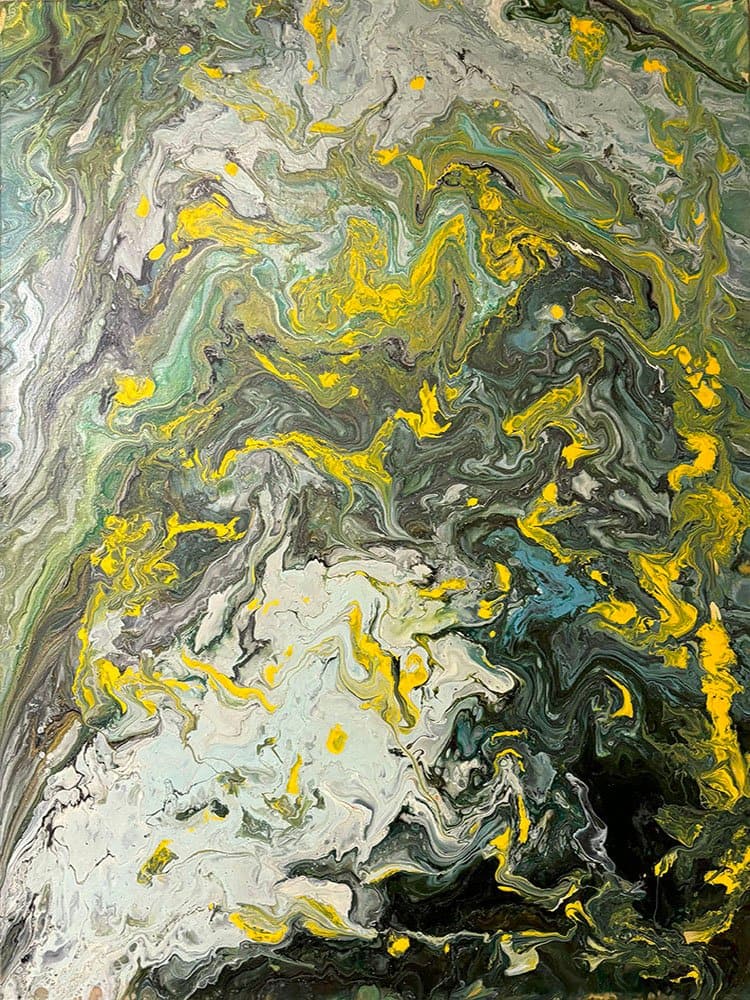
Color temperature plays a critical role in the way light is perceived and how it affects the colors within a painting. In a Painting Class, students learn the difference between warm and cool lighting and how each type influences the mood and tone of the artwork. Warm light, such as that from a sunset or a candle, imbues paintings with a sense of comfort, intimacy, and tranquility. Cool light, such as moonlight or the light of a winter afternoon, tends to evoke calmness, detachment, or a sense of coolness.
Artists must be mindful of the light source’s color temperature in order to render colors accurately. In a Painting Class, students learn how warm and cool light can influence the perception of other colors within the painting. For example, a red object illuminated by warm light will appear more vibrant, while the same object under cool light may appear subdued or even slightly desaturated. Digital painting tools, such as the color temperature adjustment and photo filters in Photoshop, allow artists to experiment with color temperature, fine-tuning their work for maximum visual impact.
By adjusting the color temperature, artists in a Painting Class can evoke different emotional responses, manipulating light to complement their artistic intentions and enhance the mood of their painting.
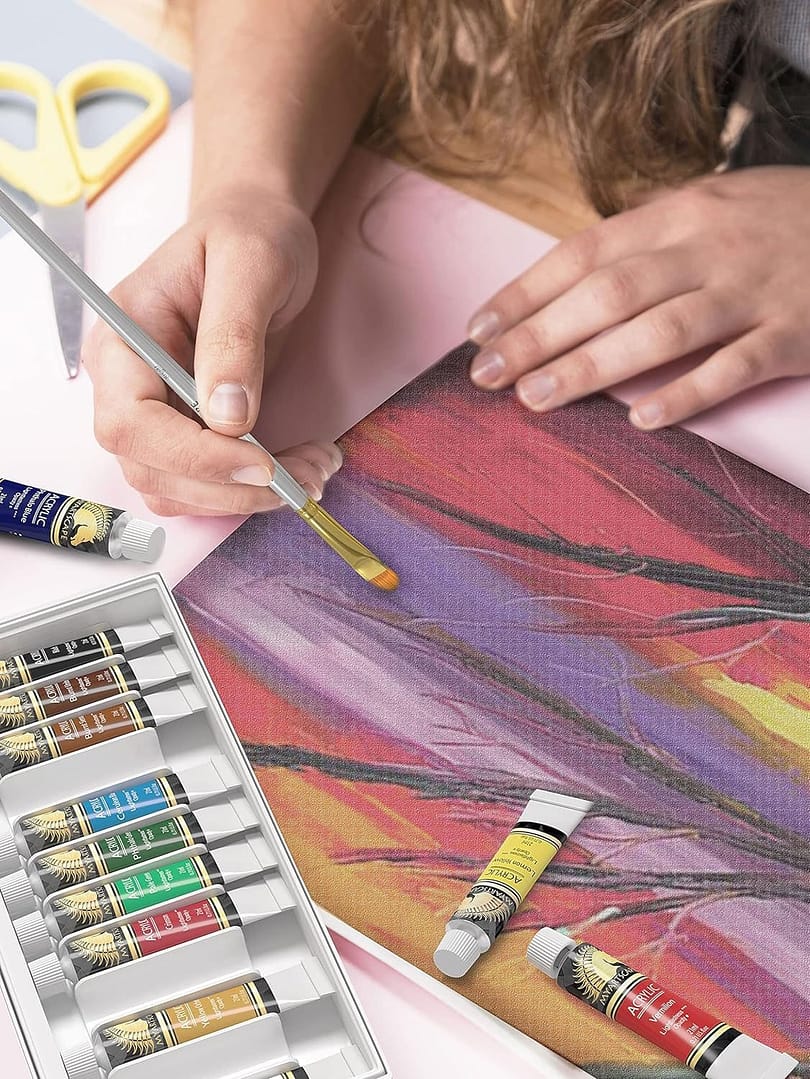
Contrast, the juxtaposition of light and dark elements, is one of the most powerful tools an artist can use to create drama, interest, and depth. In a Painting Class, students learn how to use contrast effectively to make certain parts of their painting stand out while others recede. High contrast can give a piece energy, making it feel dynamic and alive, while low contrast may create a softer, more subtle atmosphere.
In digital art, the ability to control contrast with precision allows artists to refine their paintings to a high degree of detail. Photoshop, for instance, provides various tools for adjusting contrast, including curves, levels, and layer blending modes. These tools allow students to fine-tune how light and shadow interact within their artwork, achieving the perfect balance between light and dark.
A key lesson in a Painting Class is learning how to use contrast not just to define forms but to guide the viewer’s eye. By manipulating contrast, artists can create focal points and lead the viewer’s gaze toward specific areas of the painting, enhancing the overall composition and narrative.
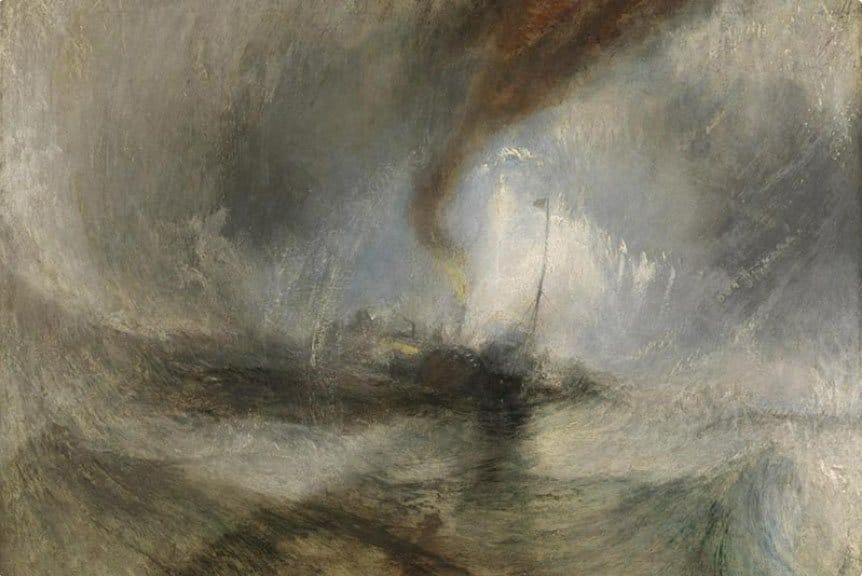
Light has an undeniable ability to influence mood. In a Painting Class, students are taught that light is not just a technical element but an emotional one. The way light is portrayed in a painting can evoke a range of feelings, from warmth and joy to mystery and melancholy.
A warm, golden light may create a sense of peace or happiness, while harsh, cold lighting can evoke tension, sadness, or even fear. In a Painting Class, artists explore how to manipulate light to create the desired emotional response. Techniques such as varying light intensity, using colored light sources, and playing with light and shadow ratios help artists build the emotional undercurrent of their work.
Digital painting tools, like Photoshop’s gradient maps and color adjustments, offer even more control over how light influences mood. By adjusting the warmth or coolness of light digitally, students can experiment with different emotional effects before committing to the final version of their painting.
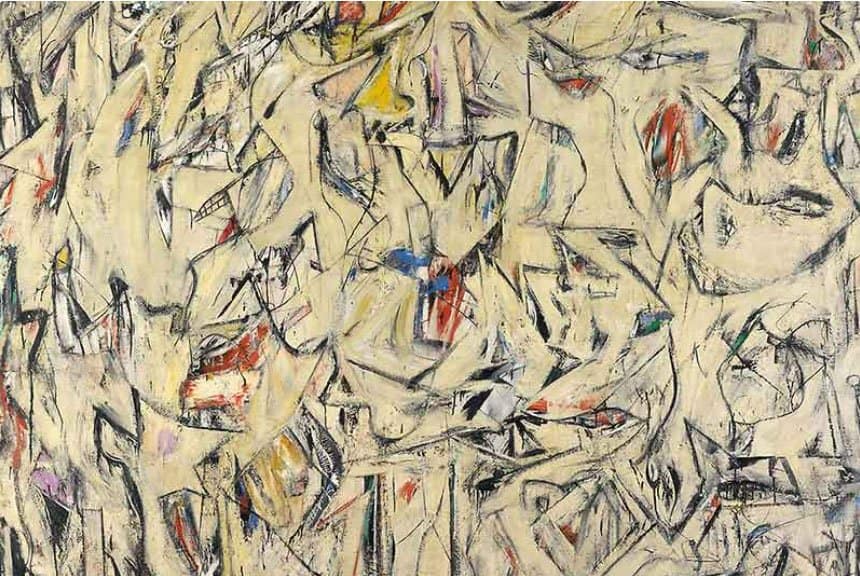
Understanding how light interacts with surfaces is a crucial skill in any Painting Class. Reflections and refractions add layers of complexity and realism to an artwork. Reflections occur when light bounces off a smooth, shiny surface, creating a mirrored image of the surrounding environment. Refraction happens when light passes through a transparent object, like water or glass, bending and distorting the image behind it.
In a Painting Class, students learn to observe and replicate these phenomena, often experimenting with different materials like glass, water, and metal to understand how light behaves in real-world situations. They explore how to paint reflections on water, mirrors, and other reflective surfaces, paying attention to how the colors and shapes are distorted by the medium.
Photoshop offers tools like the clone stamp and transform features, which make it easier for digital artists to create accurate reflections and refractions. By mastering these techniques, students can add another layer of realism to their work, capturing the full complexity of how light interacts with surfaces in the natural world.
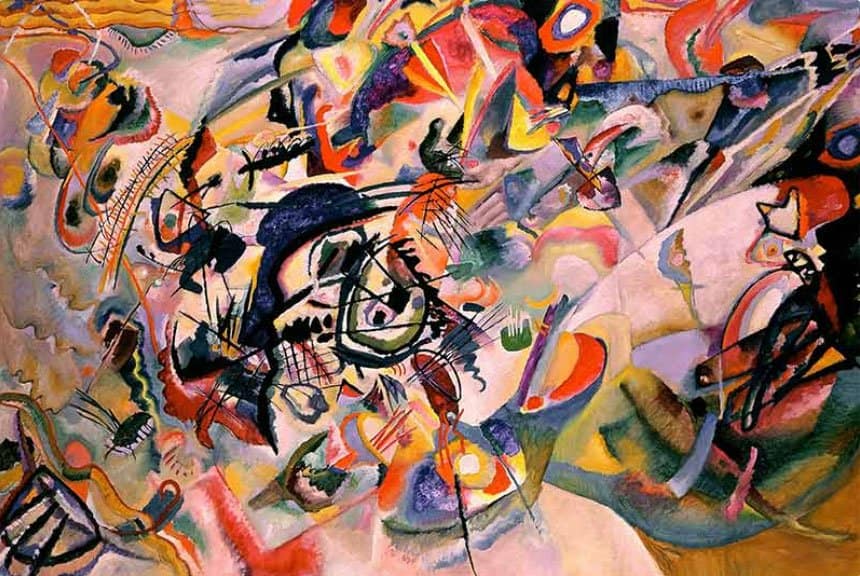
Texture adds richness and depth to a painting, and light plays a crucial role in revealing it. In a Painting Class, students learn how light interacts with textured surfaces, whether it’s the rough surface of a canvas, the smoothness of porcelain, or the intricate folds of fabric. By understanding how light highlights the highs and lows of a surface, artists can create the illusion of texture in their work, making objects feel tangible and three-dimensional.
For instance, light striking the edge of a rough surface may cast sharp shadows, emphasizing its texture, while soft light on a smooth surface creates gentle transitions between light and shadow. In a Painting Class, students experiment with different lighting scenarios to depict texture realistically or stylistically.
In digital painting, Photoshop’s brushes and layer effects allow artists to simulate various textures, from the grain of wood to the roughness of stone. By adjusting the direction, intensity, and color of light, students can enhance the texture of objects in their paintings, making them appear more vivid and lifelike.
Portraiture presents unique challenges when it comes to light. The human face has many contours, and how light interacts with these features can dramatically alter the perception of a person. In a Painting Class, students focusing on portraiture learn how to use light to highlight certain facial features, such as the eyes, nose, and cheekbones, while allowing others, like the jawline or the sides of the face, to recede into shadow.
Students are taught to observe the way light falls on the face, noting how the soft light from a window gently highlights the features or how the harsh light of a spotlight creates dramatic shadows. The placement of the light source is critical; the wrong angle can flatten the face or distort its proportions. In a Painting Class, artists explore how to use light to create flattering or realistic portrayals, depending on their artistic goal.
For digital artists, Photoshop’s lighting tools, like the dodge and burn tools, allow for precise adjustments to enhance facial features and create lifelike highlights and shadows. This precision is crucial in portraiture, where light plays a significant role in defining the subject’s appearance and character.
Landscape painting is an art form that heavily relies on light. In a Painting Class, students explore how light changes throughout the day and how it affects the outdoor environment. Morning light casts a soft, golden glow over the scene, while midday light is bright and harsh. The changing light of evening, with its long shadows and soft hues, offers a completely different palette for artists to explore.
Understanding how to use light in landscape painting involves capturing not just the physical elements but also the atmosphere created by the lighting. The interplay of light on water, trees, and mountains creates dynamic compositions. In a Painting Class, students are taught how to observe and replicate these changing light conditions, whether painting en plein air or from reference photos.
Digital artists can take advantage of Photoshop’s many tools to adjust lighting in landscape paintings. By experimenting with layer blending modes, filters, and light effects, students can simulate the natural light transitions found in landscapes, adding realism and beauty to their work.

As technology evolves, the tools available for digital artists continue to improve. In a Painting Class, students are exposed to the cutting-edge innovations in digital painting software. Programs like Photoshop offer advanced lighting effects and realistic simulations of natural light, allowing artists to create paintings that are indistinguishable from traditional works.
New features, such as real-time lighting adjustments, dynamic shadows, and 3D rendering tools, are transforming the way digital artists approach light. In the future, artists will have even more control over lighting, including the ability to manipulate light sources within 3D environments to create highly realistic scenes.
As students progress in a Painting Class, they begin to incorporate these tools into their work, pushing the boundaries of what is possible in digital painting. The future of light in digital painting holds limitless possibilities, and artists will continue to experiment, innovate, and create new visual experiences.