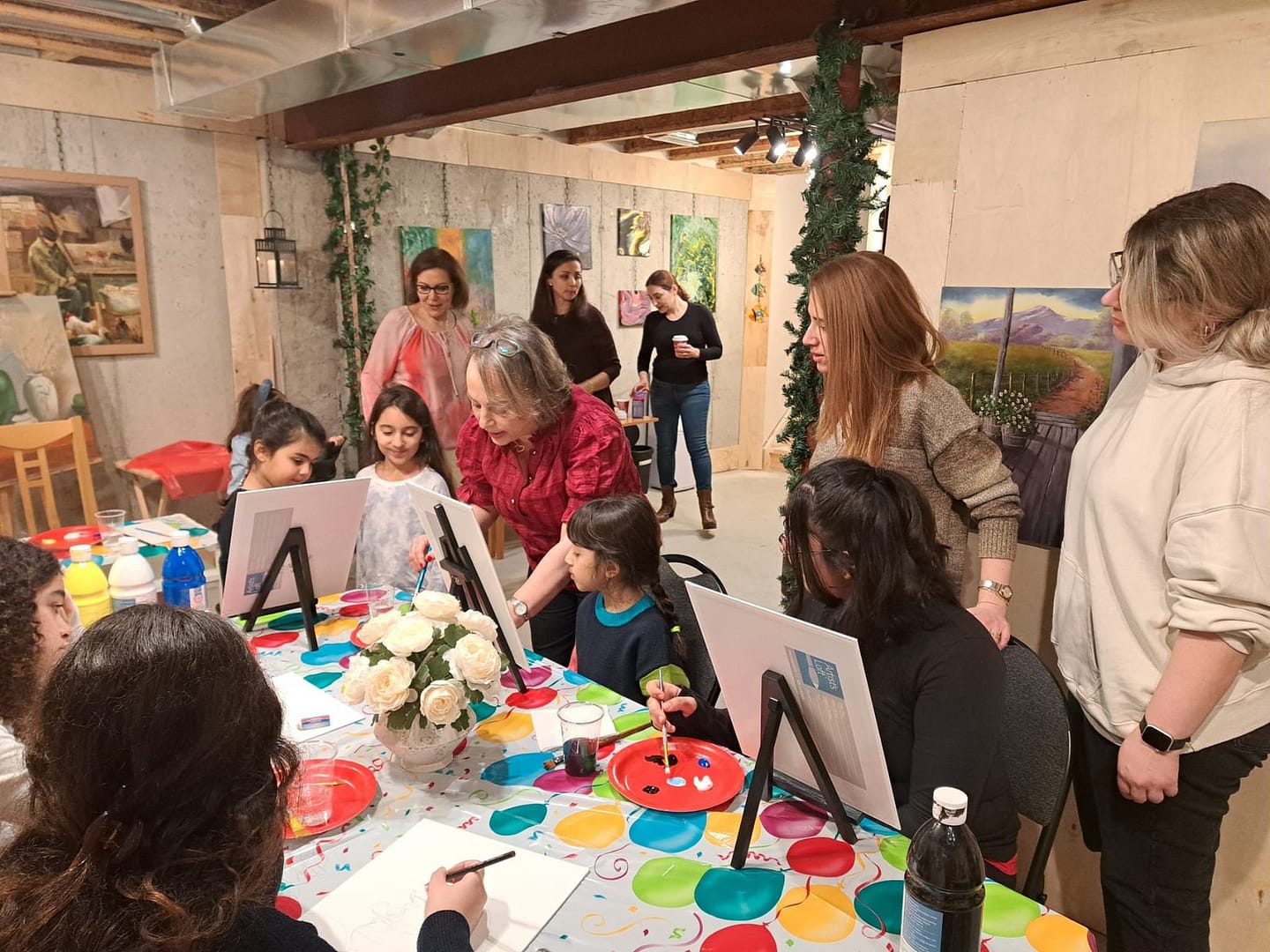
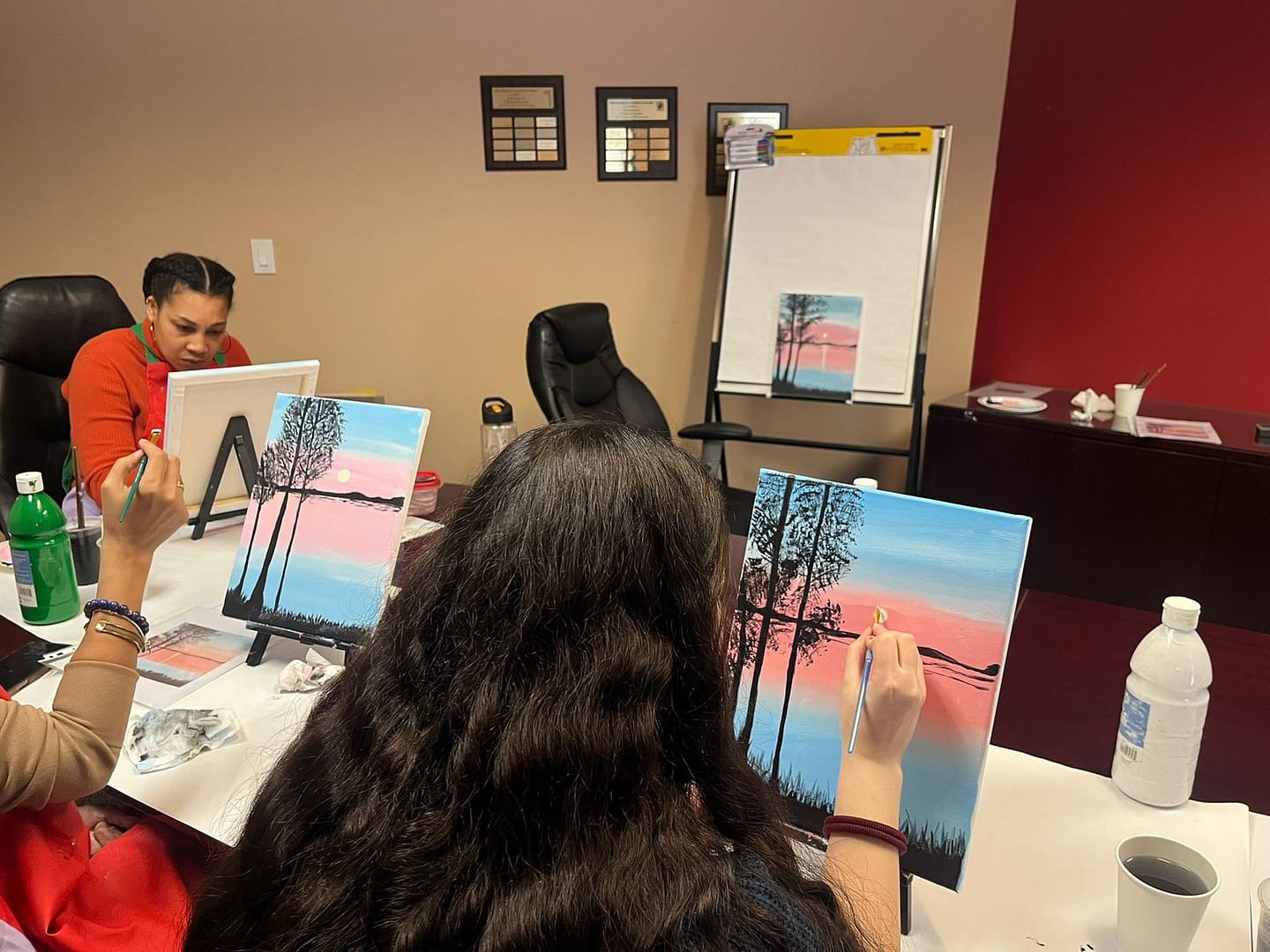
Painting class for children offers more than just a creative outlet; it nurtures their imagination, enhances cognitive skills, and promotes emotional growth. At its core, a Painting Class for kids serves as a vibrant exploration of colors, shapes, and forms, allowing young minds to develop their artistic abilities in a structured yet free-spirited environment. As children dip their brushes into vibrant hues, they embark on a journey of self-expression, translating their thoughts and feelings onto a canvas.
The benefits of a painting class extend beyond the realm of art. Engaging in painting exercises enhances fine motor skills as children learn to control their brush strokes and manipulate various tools. It also cultivates patience and concentration, as they focus on the task at hand. Moreover, art classes often encourage collaborative work, where kids share ideas, learn from each other, and build a sense of camaraderie.
In addition to technical skills, a painting class fosters emotional intelligence. The process of creating something from scratch allows children to experience a sense of accomplishment, boosting their self-esteem. The act of experimenting with different colors and techniques can also help children process and articulate their emotions in ways words cannot capture.
Whether your child is a budding artist or simply looking for a fun and engaging activity, a painting class offers a unique opportunity for growth. It’s not just about the art; it’s about the experiences, lessons, and joy that come with each brushstroke. The creativity nurtured in these classes stays with children, shaping their futures in subtle yet profound ways.
A painting class for children is a dynamic and immersive experience that provides more than just artistic skills. It’s a platform where children can delve into the world of colors, shapes, and textures, offering them a unique opportunity to express themselves creatively. These classes are designed to engage children in a process that is as fun as it is educational. Beyond painting, children develop important life skills, from fine motor coordination to emotional expression.
At its foundation, a painting class is about fostering imagination. Children are introduced to various painting techniques, each of which offers new avenues for creative discovery. The classroom environment is carefully structured to support exploration while allowing plenty of freedom for individual expression. For many children, their first experience with painting can spark a lifelong passion for art, providing them with a tool for personal expression throughout their lives.
The significance of a painting class extends beyond the mere application of paint to a canvas. It’s a holistic experience that enhances both cognitive and social development. Through various activities and guided instruction, children refine their fine motor skills, increase their attention span, and learn the value of patience. Furthermore, the social aspect of these classes helps them connect with peers, building friendships while sharing a common interest in creating art.
In essence, a painting class for children is not just an extracurricular activity. It’s a gateway to unlocking a world of creativity, development, and joy that will benefit them for years to come.
A painting class for children is far more than just an enjoyable way to pass the time. It offers a host of educational benefits that contribute to a child’s overall development. One of the primary advantages is the enhancement of fine motor skills. The act of holding a paintbrush, mixing colors, and applying them to a canvas helps children develop dexterity, hand-eye coordination, and control over their movements. These skills are essential for many other activities, such as writing, typing, and even playing musical instruments.
Additionally, a painting class plays a significant role in improving cognitive abilities. When children engage in art, they are presented with challenges that require problem-solving. Whether it’s choosing the right color palette, deciding on the layout of their painting, or figuring out how to blend different hues, children develop critical thinking skills. Art also encourages creativity and imagination, two qualities that enhance cognitive flexibility and innovation in problem-solving.
A painting class also contributes to the development of spatial awareness. As children work with shapes, sizes, and proportions, they gain a better understanding of spatial relationships. This skill extends beyond art and is valuable in subjects such as geometry, architecture, and even navigation.
Through the medium of painting, children learn how to plan and execute their ideas, which is a valuable lesson that will serve them well in all aspects of life. Overall, a painting class is an educational experience that nurtures a child’s intellectual, creative, and motor skills.
Art has always been a powerful medium for expressing emotions, and a painting class provides an excellent outlet for children to explore and communicate their feelings. Many children find it difficult to articulate their emotions with words, but painting allows them to express their inner world in a tangible way. Through the selection of colors, brushstrokes, and imagery, children can channel their emotions into their artwork, creating a visual representation of how they feel.
This emotional expression is particularly beneficial in a painting class because it helps children build emotional intelligence. By learning to associate colors and shapes with their feelings, children develop the ability to identify and understand their emotions. Over time, this practice helps them build empathy and emotional awareness, skills that will support their social interactions and mental well-being.
Furthermore, painting can act as a form of emotional release. Just as adults might turn to writing, music, or physical activity to process difficult emotions, children can use art as a way to deal with stress, frustration, or sadness. In a painting class, children are given the space to explore their feelings in a safe and supportive environment. The act of creating something beautiful or meaningful helps them gain a sense of control over their emotions, which is an important step in emotional development.
Through a painting class, children not only learn how to use art for self-expression but also develop a deeper connection to their own emotional landscape, which is crucial for their overall growth.
A painting class provides an exceptional environment for cognitive development. When children engage in painting, they don’t simply follow instructions—they also make decisions, experiment, and explore new concepts. This hands-on learning experience is crucial in helping children develop critical thinking and problem-solving skills. For example, when choosing how to represent an object or idea, children are required to think about composition, color, and perspective, which strengthens their cognitive abilities.
Furthermore, a painting class encourages children to think creatively and abstractly. They are often faced with the challenge of translating real-world objects or concepts into visual representations. This requires them to use their imagination and apply their knowledge in new ways. Over time, this enhances their ability to think outside the box, an invaluable skill in both academic and everyday settings.
One of the most significant cognitive benefits of a painting class is its impact on memory and concentration. When children are asked to focus on the details of their artwork, they exercise their attention span and memory retention. They must remember how to mix specific colors, replicate certain shapes, or recreate specific details from their observations. This practice of focused concentration is essential for academic success and enhances a child’s ability to engage in other learning activities.
In addition to stimulating cognitive growth, a painting class fosters the development of curiosity and a love for learning. Children begin to see the process of learning as an exciting and enjoyable journey, rather than a chore, which leads to a lifelong passion for knowledge.
A painting class offers an invaluable opportunity for social interaction. As children work together on artistic projects, they engage in conversations, share ideas, and collaborate with their peers. This social aspect fosters a sense of community and helps children build friendships based on shared interests. In a painting class, children learn the importance of teamwork, respect for others’ ideas, and the ability to communicate their thoughts clearly.
Through collaborative activities, children develop important interpersonal skills such as listening, negotiating, and problem-solving. These skills are not only useful in the classroom but also in everyday social situations. Whether they are working together on a large mural or simply discussing their individual projects, children learn how to collaborate and support one another in a creative setting.
Moreover, the group setting of a painting class helps children develop a sense of belonging. Being part of a class provides them with a space where they feel valued and understood. This sense of inclusion is vital for a child’s emotional and social development, as it teaches them that their unique contributions are important.
A painting class also offers opportunities for children to learn from each other. Exposure to different artistic styles and techniques broadens their perspective and encourages them to think more inclusively. As they interact with others, they gain a greater appreciation for diversity in both art and life, which is a valuable lesson for their future relationships.
One of the greatest benefits of a painting class is the emphasis it places on creativity. In a world that often prioritizes standardized thinking, art allows children to explore new ideas and express themselves in ways that are unconventional and unrestrained. A painting class encourages children to break free from rigid structures and think beyond traditional boundaries.
Through the process of creating art, children are faced with numerous decisions. From selecting the right colors to deciding how to arrange elements on the canvas, each choice is an opportunity for creative expression. These decisions also foster problem-solving skills. Children must work through challenges such as balancing colors, mixing paints, or correcting mistakes, which builds their ability to think critically and adapt to changing circumstances.
The problem-solving aspect of a painting class teaches children that there is no one “right” way to create art. They learn that mistakes can be valuable learning opportunities, and sometimes, the most unexpected solutions result in the most innovative outcomes. This mindset extends beyond art and helps children approach challenges in all areas of life with a more open and creative outlook.
Ultimately, a painting class teaches children that creativity is not just about producing beautiful artwork—it’s about thinking independently, embracing challenges, and finding unique solutions to problems. These skills are invaluable, as they foster resilience and innovative thinking that will serve them well throughout their lives.
A painting class can significantly boost a child’s confidence and self-esteem. When children create something with their own hands, it instills a sense of accomplishment and pride. This feeling of achievement is particularly important for young children who are still developing their sense of self-worth. The positive reinforcement that comes from completing a painting—whether it’s through praise from a teacher or admiration from peers—helps children recognize their abilities and builds their self-confidence.
Furthermore, the creative process in a painting class allows children to take ownership of their work. Unlike other activities where results are often dictated by external standards, painting offers children the freedom to make their own choices and express their individuality. This autonomy helps them feel more competent and capable, contributing to an overall positive sense of self.
In addition to fostering individual confidence, a painting class also teaches children how to handle constructive criticism. When children receive feedback on their artwork, they learn how to accept suggestions and improve their work. This process of self-reflection and growth helps them develop a healthy attitude towards challenges and setbacks, an essential skill for building resilience and maintaining self-esteem.
By nurturing creativity and providing opportunities for achievement, a painting class instills a strong sense of confidence that children can carry with them into other areas of their lives.
The benefits of a painting class for children extend far beyond the classroom. The skills and lessons learned through painting can have a lasting impact on a child’s development, influencing their behavior, mindset, and future choices. Creativity is not just a fleeting activity but a fundamental life skill that shapes how children view the world and approach challenges.
Through a painting class, children develop important problem-solving skills, emotional intelligence, and social abilities that will serve them well throughout their lives. The sense of accomplishment gained from completing a painting fosters self-confidence, while the opportunity for creative expression enhances their emotional resilience. These attributes help children navigate life’s challenges with a positive outlook and a resourceful mindset.
Moreover, the foundation laid in a painting class can spark an interest in the arts that lasts a lifetime. Many children who start with painting eventually explore other artistic endeavors, from sculpture to graphic design to photography. The skills honed in these early art classes often translate into other areas, such as academic performance and career aspirations.
In conclusion, a painting class for children is not just a recreational activity—it’s a powerful tool for personal and intellectual growth. The lessons learned in these classes reverberate throughout a child’s life, shaping them into well-rounded, confident, and creative individuals.