
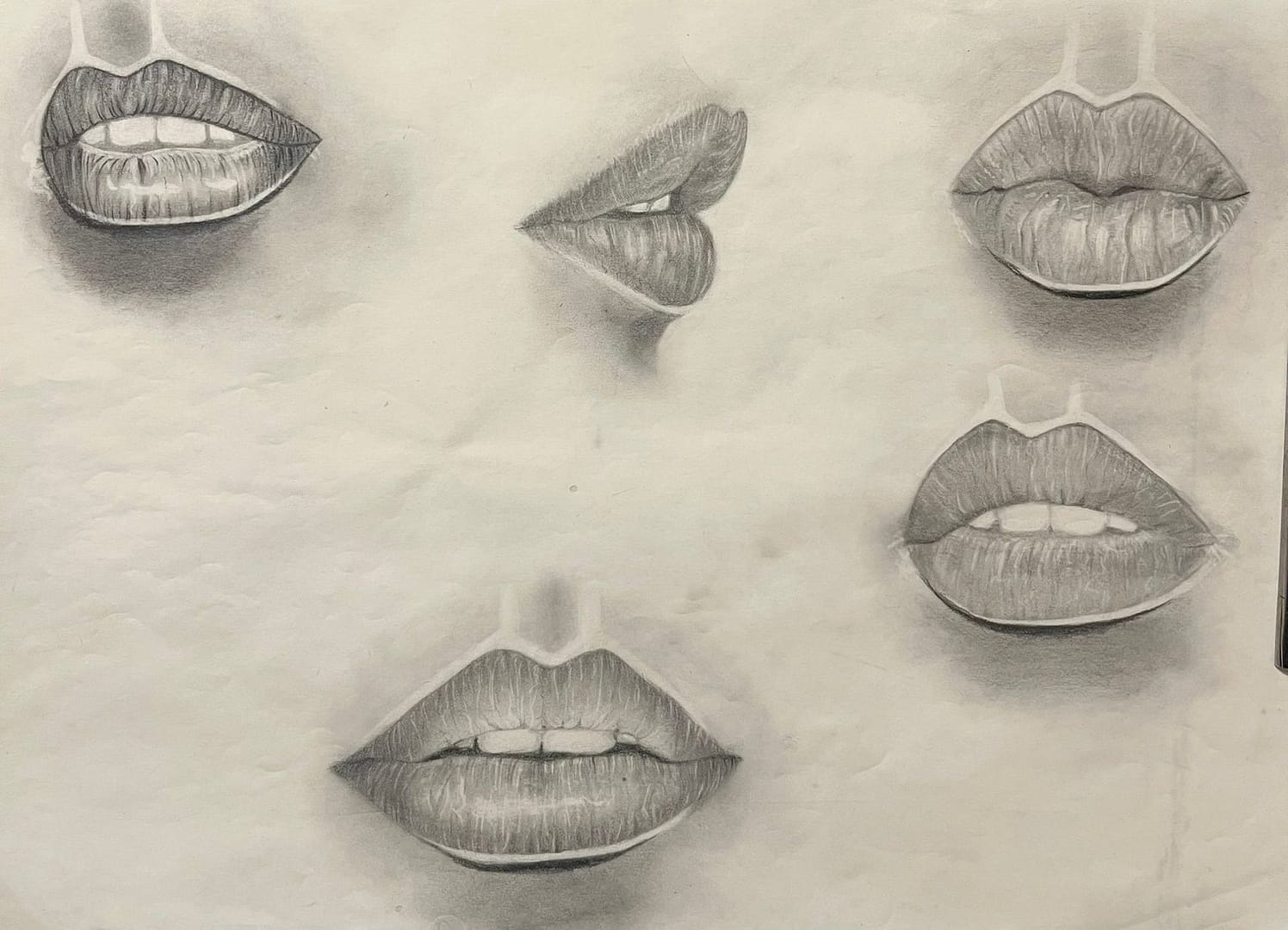
The digital age has revolutionized artistic expression, making creativity more accessible than ever. A painting class designed for beginners using a computer provides an ideal gateway into the world of digital artistry. With the right software and tools, aspiring artists can explore techniques that were once limited to traditional media, now enhanced by technological advancements.
Unlike conventional methods that require physical materials, a digital Painting Class for Beginners eliminates the need for canvases, brushes, and paints. Instead, students utilize styluses, tablets, and intuitive software that mimic real-world textures and brushstrokes. Programs like Adobe Photoshop, Corel Painter, and Krita provide a versatile digital canvas where learners can experiment without fear of making irreversible mistakes. The ability to undo brushstrokes fosters a fearless approach to learning, encouraging creativity without limitations.
One of the most significant advantages of a computer-based painting class is its structured guidance. Beginners benefit from step-by-step tutorials, interactive lessons, and AI-powered tools that offer real-time suggestions on color selection, composition, and brush techniques. Additionally, digital platforms allow learners to save, revisit, and refine their work, ensuring continuous improvement without the constraints of physical media.
Beyond technical proficiency, a painting class on a computer nurtures artistic confidence. The dynamic capabilities of digital art empower beginners to explore various styles, from impressionism to hyperrealism, without the intimidation of traditional methods. With endless possibilities at their fingertips, students can push the boundaries of their creativity and develop their unique artistic voices.
Embracing technology in art education bridges the gap between creativity and innovation. A painting class using a computer not only simplifies the learning process but also opens doors to a world of limitless artistic potential.

The fusion of traditional art and modern technology has redefined creativity. Digital platforms offer an accessible way for beginners to explore painting without the need for physical supplies. A painting class for beginners using a computer introduces essential techniques, tools, and software, making artistic expression more approachable and adaptable. With interactive guidance and AI-enhanced learning, students can grasp fundamental skills while experimenting with diverse styles.
Before diving into a digital painting class, selecting appropriate tools is essential. Beginners should consider a high-quality drawing tablet, such as a Wacom or XP-Pen, paired with intuitive painting software like Adobe Photoshop, Corel Painter, or Krita. These tools simulate real-world brush strokes, color blending, and textures, providing an authentic artistic experience. The right hardware and software combination ensures a smooth and engaging learning process, enabling beginners to develop their artistic vision efficiently.
A structured painting class for beginners covers essential techniques like layering, blending, and brush dynamics. Unlike traditional painting, digital tools offer the advantage of non-destructive editing, allowing students to refine their work without irreversible mistakes. Learning to use pressure-sensitive brushes, opacity controls, and layering methods enhances creativity while improving technical proficiency. These foundational skills lay the groundwork for more advanced artistic endeavors.
Color theory is a crucial component of any painting class. Understanding color harmonies, complementary palettes, and shading techniques enhances a beginner’s ability to create visually striking compositions. Digital software provides color wheel tools, gradient mapping, and pre-set palettes, simplifying the learning process. By mastering color theory, students can make informed decisions that enhance the overall impact of their artwork.
Digital brushes replicate traditional painting techniques, offering various textures and effects. A well-structured painting class guides students through different brush settings, including opacity, hardness, and shape dynamics. Experimenting with customized brushes, such as watercolor, oil, or airbrush tools, helps beginners find their preferred artistic style. Understanding brush mechanics is essential to achieving realistic strokes and expressive compositions.
A strong composition is the foundation of compelling artwork. A painting class focused on digital art teaches principles like the rule of thirds, focal points, and perspective. Digital tools assist in adjusting proportions, grid layouts, and alignment, ensuring a well-balanced piece. Beginners benefit from structured exercises that refine their ability to create visually harmonious compositions.
Layers offer flexibility in digital painting, allowing artists to separate elements without affecting the entire composition. A digital painting class introduces layering techniques, such as adjustment layers, masks, and blending modes. These tools enable beginners to create depth, refine details, and experiment with effects efficiently. Mastering layers enhances workflow efficiency and encourages artistic experimentation.
Lighting and shading techniques add realism and dimension to digital paintings. A structured painting class explains concepts like light sources, cast shadows, and highlights. By using blending modes and gradient tools, beginners can simulate depth and contrast. Understanding the interplay of light and form elevates an artwork from flat to dynamic, enhancing its visual appeal.
Texture simulation is a valuable skill taught in a painting class for beginners. Digital tools offer texture brushes, pattern overlays, and blending techniques that mimic traditional media. Whether replicating fabric, skin, or metallic surfaces, mastering texture application adds realism and sophistication to digital artwork. Experimentation with different textures helps artists develop unique stylistic elements.
A comprehensive painting class introduces students to various artistic styles, from realism to abstract expressionism. Digital tools allow seamless exploration of different approaches, enabling beginners to discover their preferences. By studying master artists and experimenting with diverse techniques, students expand their creative horizons and develop a distinctive visual identity.
Creative blocks can hinder artistic progress, but a well-structured painting class provides strategies to overcome them. Exercises like daily sketching, reference studies, and color challenges keep creativity flowing. Digital platforms offer prompt generators and inspiration libraries, ensuring continuous artistic growth. By maintaining a consistent practice, beginners build confidence and resilience.
The final stages of digital painting involve refining details, enhancing contrast, and adjusting colors. A painting class teaches post-processing techniques, including sharpening, color grading, and adding final highlights. Utilizing digital tools like layer adjustments and filters allows artists to perfect their work. Polishing an artwork ensures a professional, cohesive result that reflects the artist’s vision.
Enrolling in a painting class using a computer opens endless creative possibilities. The accessibility of digital tools, combined with structured instruction, empowers beginners to explore, experiment, and refine their skills. By embracing technology, aspiring artists can unlock new artistic dimensions, paving the way for a fulfilling creative journey.