
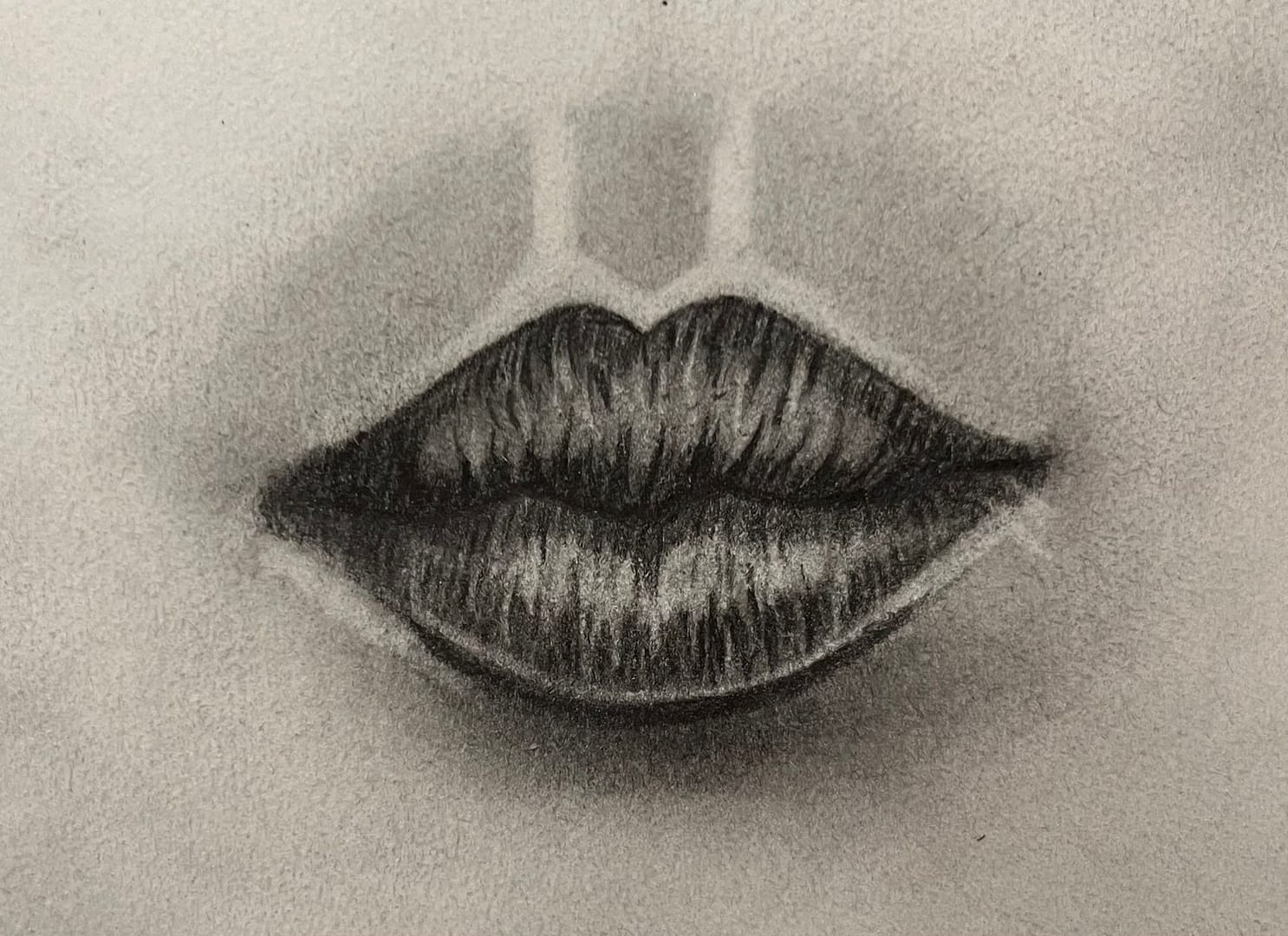
Artistic expression has evolved beyond traditional mediums, embracing the digital frontier with remarkable innovation. A groundbreaking painting class powered by artificial intelligence is transforming how beginners approach the canvas, blending technology with artistic intuition.
This AI-driven Painting Class for Beginners provides an intuitive learning environment where absolute beginners can grasp foundational techniques without intimidation. Using sophisticated machine learning algorithms, the system analyzes brushwork, color theory, and composition, offering real-time feedback to enhance artistic growth. Unlike conventional methods, AI dynamically adapts to individual progress, ensuring a personalized experience that nurtures creativity at a comfortable pace.
One of the most intriguing aspects of an AI-assisted painting class is its ability to introduce unique, algorithmically generated inspiration. Students gain access to AI-curated palettes, brushstroke simulations, and even style emulations of renowned artists. Such capabilities push boundaries, allowing learners to experiment beyond the constraints of traditional instruction.
Moreover, these classes eliminate the pressure of perfection. Beginners often hesitate to make bold strokes, fearing mistakes. However, AI encourages exploration by providing non-destructive digital canvases where every misstep becomes a learning opportunity. This revolutionary approach fosters confidence and accelerates skill acquisition in an engaging, judgment-free space.
As artificial intelligence continues to reshape creative disciplines, an AI-powered painting class serves as both a guide and collaborator. By integrating deep learning with human imagination, these courses offer an unprecedented fusion of structure and spontaneity, unlocking new dimensions in artistic education.

The intersection of art and technology is revolutionizing creative education. Artificial intelligence, once confined to analytical tasks, now plays a pivotal role in artistic endeavors. AI-driven painting class programs offer an innovative approach to learning, providing aspiring artists with tools that simplify the complexities of painting. These classes remove traditional barriers, enabling individuals to explore the art world without prior experience. With interactive guidance, real-time feedback, and algorithm-driven enhancements, AI ensures a structured yet fluid learning experience.
Artificial intelligence acts as both instructor and collaborator. Through deep learning algorithms, AI analyzes brush techniques, color theory applications, and composition balance. Unlike human instructors, AI does not impose rigid methodologies but adapts to the learner’s pace. An AI-powered painting class provides curated tutorials, intelligent suggestions, and instant corrections. This personalized approach fosters confidence, allowing beginners to progress without frustration. The integration of technology ensures that learning remains engaging, effective, and tailored to individual artistic aspirations.
Traditional art instruction follows a one-size-fits-all model, often leaving beginners overwhelmed. AI disrupts this by offering tailored experiences based on the learner’s skill level and preferences. Each session in an AI-led painting class begins with an assessment of the artist’s current abilities. The system then designs a curriculum that evolves dynamically, ensuring consistent growth. Through real-time feedback, AI highlights areas of improvement while reinforcing strengths. This adaptability makes AI-based learning more effective than conventional methods.
AI-powered painting class platforms leverage interactive guidance to provide real-time insights. These intelligent systems analyze every brushstroke, suggesting modifications that refine technique. AI tools can demonstrate various styles, from impressionism to realism, helping students experiment with different artistic approaches. By providing instant critiques and constructive feedback, AI fosters an environment where mistakes become valuable learning opportunities. This dynamic interaction ensures that beginners remain engaged and motivated throughout their creative journey.
For many, the fear of failure discourages artistic exploration. AI-driven painting class programs eliminate this hesitation by offering a risk-free digital canvas. Beginners can experiment without the worry of wasting materials or making irreversible mistakes. Additionally, AI simplifies complex concepts, making them more digestible for novices. The democratization of art through technology ensures that anyone with a passion for painting can cultivate their skills without formal training or expensive resources.
The evolution of AI in the arts has led to the development of advanced digital tools that mimic traditional painting techniques. AI-based painting class platforms feature virtual brushes, customizable color palettes, and texture simulation. These tools provide a realistic painting experience, allowing students to explore various techniques before applying them to physical canvases. The ability to undo strokes, manipulate layers, and experiment with styles enhances the learning process, ensuring that students gain a comprehensive understanding of artistic fundamentals.
Engaging in a painting class has well-documented psychological benefits, from stress reduction to improved cognitive function. AI-driven painting programs enhance these benefits by removing pressure and allowing students to focus purely on creativity. The structured yet flexible nature of AI instruction ensures a stress-free environment, promoting mindfulness and self-expression. Beginners who might feel intimidated in traditional settings find solace in AI-assisted learning, where progress is tracked without judgment.
One of AI’s greatest contributions to art education is its ability to inspire creativity. AI-led painting class programs introduce students to unconventional techniques and abstract compositions. By analyzing historical and contemporary styles, AI can suggest unique combinations of colors and forms, encouraging learners to think outside the box. This exposure to diverse artistic perspectives broadens creative horizons, enabling students to develop their own distinct style.
Artists, both novice and experienced, encounter creative blocks that hinder progress. AI-driven painting class platforms offer solutions by providing prompts, inspiration boards, and guided exercises. By analyzing an artist’s past work, AI can suggest fresh ideas, helping break repetitive patterns. The ability to generate references and offer alternative approaches ensures that students remain inspired and continue honing their craft.
The future of AI in artistic education is promising. As machine learning advances, AI-driven painting class platforms will become even more sophisticated, offering hyper-personalized guidance and immersive experiences. Augmented reality (AR) and virtual reality (VR) will further enhance these classes, allowing students to paint in digital environments that mimic real-world textures and lighting. This integration of AI with emerging technologies will revolutionize the way art is taught and practiced.
Despite its advantages, AI-driven art instruction raises ethical concerns. Critics argue that AI lacks the emotional depth and intuition of human instructors. While AI can replicate styles and techniques, the essence of human creativity remains irreplaceable. Ethical painting class programs must strike a balance between automation and human input, ensuring that technology enhances rather than diminishes artistic expression. Transparency in AI-generated suggestions and acknowledgment of original artistic intent will be crucial in maintaining the integrity of creative education.
AI is not a replacement for human creativity but a powerful tool that enhances learning. AI-driven painting class programs democratize artistic education, making it accessible, personalized, and engaging. By breaking down traditional barriers and fostering creativity, AI empowers individuals to explore their artistic potential. As technology continues to evolve, the fusion of artificial intelligence and art will lead to new possibilities, transforming the way beginners learn and create.
For those hesitant to embark on a creative path, an AI-assisted painting class offers the perfect starting point. With intelligent guidance, interactive tools, and an encouraging learning environment, beginners can develop their skills with confidence. The future of art education is here, and AI is paving the way for a new generation of artists ready to explore their boundless potential.