
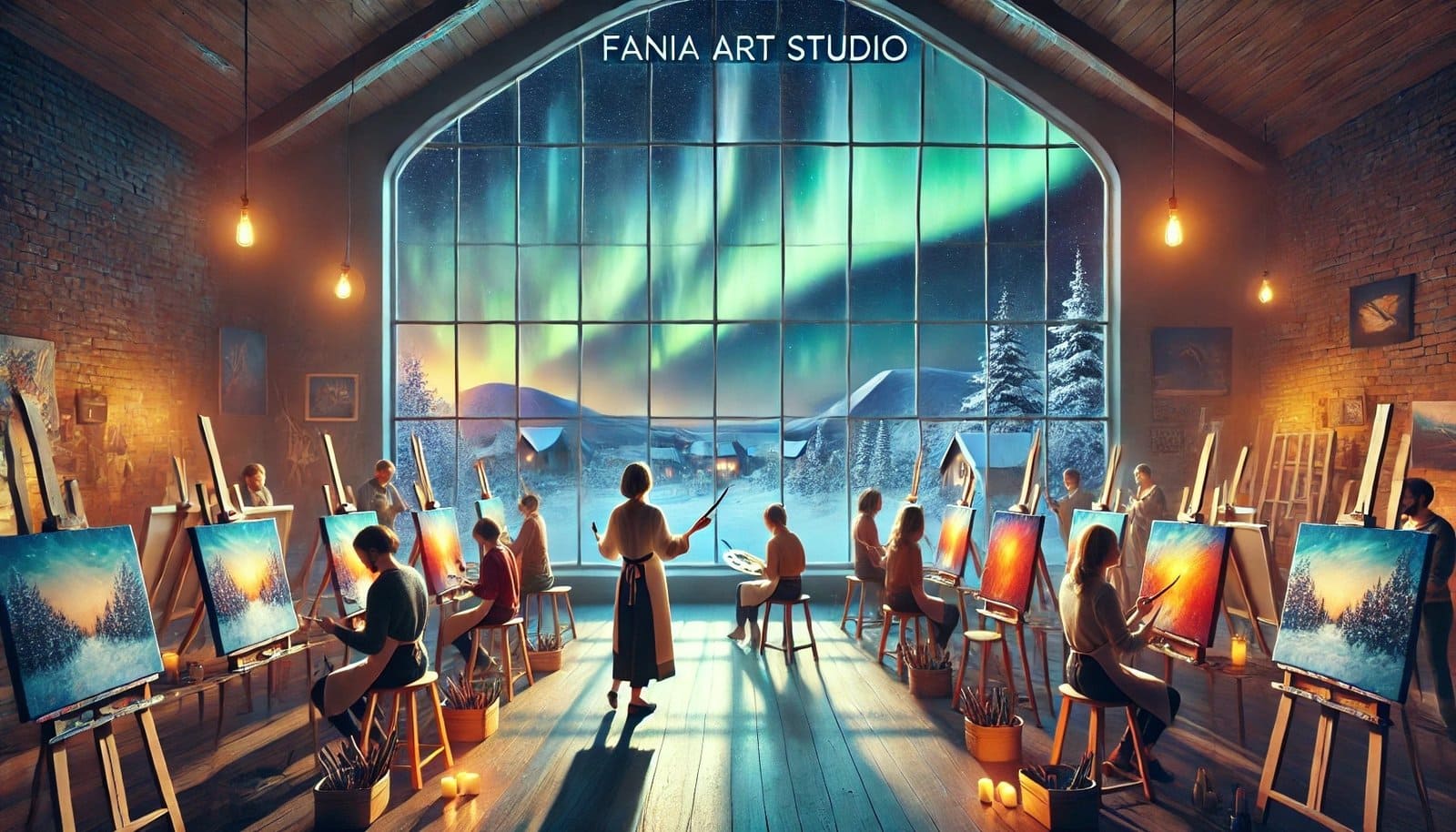
A truly exceptional painting class transcends basic instruction, offering an environment where creativity and technical growth flourish. Among the many factors that contribute to its quality, the most critical parameter is the balance between structured learning and creative freedom.
In well-designed Painting Classes , structure ensures a comprehensive understanding of essential skills. This includes foundational techniques like brushwork, color blending, and composition. A curriculum that progresses methodically allows participants to build confidence as they develop their artistic vocabulary. However, rigid adherence to structure alone can stifle individuality, which is where creative freedom becomes indispensable.
Creative freedom is the heart of artistic expression. The best painting classes encourage students to explore their unique perspectives, experiment with unconventional approaches, and embrace the unpredictable nature of the creative process. When a class fosters an atmosphere of open exploration, students are more likely to take risks and uncover their true artistic voice.
An engaging instructor plays a pivotal role in maintaining this balance. They must provide constructive feedback while respecting the individuality of each participant. By nurturing both discipline and inspiration, they create an environment where students feel challenged yet supported.
Equally important is the sense of community within the class. Interaction with peers sparks idea exchange and cultivates a supportive network that enhances learning and motivation. This collaborative energy, combined with the dual focus on skill-building and self-expression, elevates painting classes into transformative experiences.
Ultimately, the key parameter of a good painting class lies in its ability to harmonize structure with creativity, offering a space where technical mastery and artistic exploration coexist.
Painting classes act as the cornerstone of artistic evolution, offering both guidance and a platform for creative exploration. For budding artists and seasoned creators alike, these classes refine skills and nurture latent talent.
A “good” painting class is a harmonious blend of structured learning, creative freedom, and a supportive environment. It transforms abstract ideas into tangible results while fostering a love for the craft.
A competent instructor possesses not only technical mastery but also a rich portfolio that inspires trust. Their experience becomes the foundation of the class’s credibility.
The ability to communicate complex concepts with clarity and patience separates a great teacher from a mere artist. Effective instructors adapt their teaching styles to meet diverse learning needs.
A robust curriculum weaves together the theoretical underpinnings of art with hands-on practice, ensuring a comprehensive education.
Classes that gradually introduce complexity allow students to build confidence as they advance through increasingly challenging topics.
Whether beginner or advanced, a good class accommodates varying proficiencies, offering tailored instruction to meet individual needs.
Smaller classes enable instructors to provide detailed feedback, addressing the unique strengths and weaknesses of each student.
A strong painting class emphasizes the bedrock of visual art: color theory and composition. By grasping the interplay of hues, values, and saturation, students can create more impactful works. Similarly, mastering the arrangement of elements within a canvas transforms chaotic ideas into harmonious visuals.
Whether it’s the fluidity of watercolor or the texture of oils, the tactile nature of painting is inseparable from its medium. A good class dives deep into the nuances of brushwork, teaching students the subtleties of strokes, pressure, and layering techniques.
Rigid instruction can stifle creativity. Exceptional painting classes nurture originality, urging students to express their unique perspectives while still adhering to technical principles.
While replicating works of the masters has its place in education, over-reliance on this approach can hinder innovation. Classes that balance imitation with invention allow students to explore uncharted artistic territory.
The right tools can make a world of difference in a painter’s journey. From high-quality brushes to professional-grade paints, classes that provide or recommend the best materials set students up for success.
A dedicated studio fosters creativity by offering a space free from distractions. Well-equipped studios, with ample lighting and workspace, enhance the learning experience significantly.
A painting class thrives on a welcoming atmosphere where all participants feel valued. Open dialogue and mutual respect cultivate a community of trust, encouraging students to take risks with their work.
Feedback is a cornerstone of improvement. Classes that emphasize constructive critique help students see their work through fresh eyes, spurring refinement and growth.
Good painting classes push boundaries, exposing students to various mediums like acrylics, oils, or even unconventional tools like ink washes and mixed media.
In today’s digital age, painting classes that integrate digital tools—like graphic tablets and design software—prepare students for contemporary artistic landscapes.
Studying works by historical greats, such as Van Gogh or Monet, enriches students’ understanding of artistic principles while inspiring their own creations.
By exploring global artistic traditions, students gain a broader perspective, fostering cultural appreciation and diverse stylistic influences.
Real-time demonstrations allow students to observe techniques directly, bridging the gap between theoretical understanding and practical execution.
A safe environment for experimentation helps students learn from mistakes, solidifying their skills through hands-on application.
Clear goals keep students motivated. Whether it’s mastering a technique or completing a piece, incremental achievements provide a sense of progress.
Good classes recognize that not all students have the same ambitions. Personalized goals cater to individual dreams, whether professional or recreational.
From collaborative projects to live critiques, interactive sessions keep students engaged and enhance the learning experience.
An open floor for inquiries fosters curiosity and deepens understanding, enriching the overall classroom dynamic.
Portfolio creation under expert guidance ensures students leave with a tangible body of work to showcase their skills.
A good class offers avenues to display art publicly, whether through local exhibitions or contests, boosting confidence and visibility.
Periodic assessments highlight areas of improvement and celebrate milestones, maintaining a trajectory of growth.
Feedback from classmates introduces fresh viewpoints, broadening the artist’s understanding of their own work.
The integration of digital mediums, such as Procreate or Photoshop, reflects the modern evolution of painting and expands students’ skillsets.
Classes that explore avant-garde and contemporary trends encourage students to remain relevant in the ever-changing art world.
Publicly sharing work fosters confidence, helping students overcome the fear of critique while embracing artistic pride.
Supportive instruction instills self-belief, empowering students to tackle creative challenges without hesitation.
Classes that strike a balance between intensity and rest ensure students stay productive without feeling overwhelmed.
Short, consistent sessions often prove more effective than exhaustive marathons, sustaining focus and enthusiasm.
Affordability shouldn’t equate to mediocrity. Good classes strike a balance, offering quality education at reasonable rates.
Online and hybrid models make painting classes accessible to a global audience, eliminating barriers of distance.
The hallmarks of a good painting class include expert instruction, structured learning, creative freedom, and an inclusive environment. Together, these factors create a transformative experience for students.
A well-rounded painting class doesn’t just teach skills—it instills confidence, nurtures creativity, and inspires lifelong artistic exploration.