
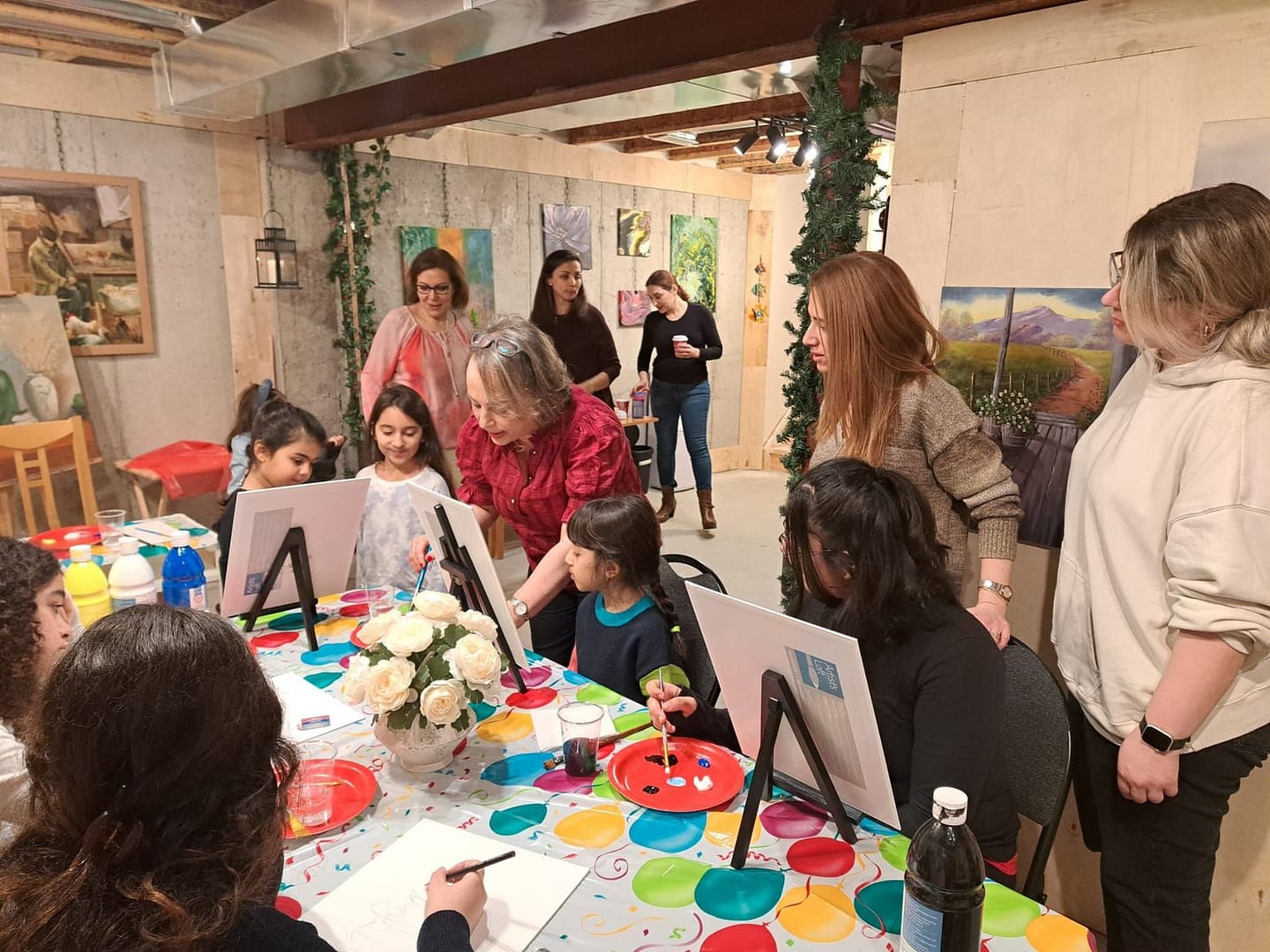
Ready to take your artistic journey to the next level? Explore professional Painting Classes and unlock your full potential.
Led by industry experts, professional painting classes offer a comprehensive learning experience to refine your skills.
In these advanced classes, you’ll master color theory, composition, and brushwork. Whether you specialize in oils, acrylics, or watercolors, there’s a class tailored to your style.
Beyond technique, professional painting classes provide insights into the business side of the art world. Learn how to market your work, build a portfolio, and navigate the art market.
With small class sizes and personalized instruction, these classes offer a supportive environment where you can push boundaries and explore new frontiers.
Whether you’re a seasoned artist or aspiring professional, professional painting classes provide the knowledge and inspiration to succeed in fine art.
Engaging in painting classes offers an invaluable opportunity for individuals to refine their artistic techniques and expand their creative capabilities. These professional courses are designed not only to introduce participants to the fundamentals of painting but to push their boundaries, encouraging them to explore advanced styles and mediums.. Whether it’s fine-tuning brushwork, experimenting with color theory, or mastering complex compositions, professional classes create an environment where talent can flourish.
Throughout the classes, instructors offer expert guidance and personalized feedback, which is crucial for improving one’s craft. By applying learned techniques to real-world projects, students gain a sense of accomplishment and artistic growth. Whether exploring oil, acrylic, or watercolor, the diverse range of materials covered in painting classes empowers students to select the best medium for their individual artistic vision. This guidance, coupled with peer interactions, creates a collaborative and supportive learning atmosphere. In the end, professional painting classes are the key to unlocking the full potential of any artist, from hobbyists to those aspiring to make a career in the arts.
For serious artists, professional painting classes are indispensable for honing their craft and achieving a higher level of expertise. While self-study and practice are important, the structure and mentorship provided in painting classes allow artists to accelerate their development and refine their technical skills. In these classes, students gain exposure to advanced painting techniques, which are often unavailable through solo practice.
In addition to refining skills, painting classes provide valuable feedback from experienced instructors who can identify areas for improvement. Artists in these settings are pushed to think critically about their work, develop their unique style, and overcome technical challenges. From color mixing to advanced brush techniques, every aspect of painting is covered with a professional approach. These classes also offer insight into the historical context and contemporary trends in art, which deepens students’ understanding and appreciation of their own work. For those serious about becoming professional artists, painting classes provide the foundation and support to turn passion into proficiency.
Professional painting classes introduce students to a wide array of techniques that can transform their approach to art. Students are taught to master everything from glazing and scumbling to wet-on-wet and dry brushing. Each technique offers unique results, and learning when and how to apply them enhances the versatility of any artist. Instructors help students experiment with different approaches to bring life and texture to their work.
By the end of a comprehensive painting class, students are capable of executing a wide variety of styles, from detailed realism to bold abstract compositions. These classes typically emphasize both technical proficiency and personal expression, enabling students to not only perfect their technique but also inject their own artistic voice into their creations. Professional classes challenge students to embrace both tradition and innovation, ensuring that they are well-prepared to navigate the diverse landscape of the art world.
One of the key aspects of professional classes is the emphasis on improving brushwork. The brush is the artist’s primary tool, and learning how to manipulate it with precision and intention is essential for any serious painter. In these classes, students are taught the fundamental techniques for controlling brushstrokes, including how to adjust pressure, direction, and speed.
Whether using large brushes for sweeping strokes or small, fine-tipped brushes for intricate details, professional painting classes guide students in understanding how to make every brushstroke purposeful. The instructors offer exercises designed to strengthen hand-eye coordination and increase the fluidity of brush movements. As students progress, they learn to use brushwork to convey texture, light, and emotion, making their paintings more dynamic and compelling. In mastering brushwork, artists gain control over the very essence of their craft, allowing them to bring their visions to life with confidence.
painting classes are designed to accommodate artists at every skill level, from complete beginners to seasoned painters. These courses are structured to gradually build a solid foundation, ensuring that newcomers understand basic techniques before progressing to more complex methods. Advanced students, on the other hand, are challenged with exercises and projects that encourage them to explore new styles and refine their skills further.
At the core of these classes is individualized instruction that ensures each student receives the attention they need to develop their unique artistic abilities. Whether starting with simple exercises or tackling large-scale compositions, the pace of professional painting classes allows students to grow at their own speed. The variety of lessons available ensures that everyone has an opportunity to challenge themselves, expand their artistic knowledge, and deepen their technical expertise. Whether you are just beginning or are looking to elevate your skills, professional painting classes cater to artists at every stage of their journey.
Composition is one of the most critical elements of successful painting, and professional painting classes offer in-depth training on this essential skill. Understanding how to arrange elements within a painting creates balance, harmony, and focus, ensuring that the final piece communicates the intended message. Through structured lessons, students learn how to create dynamic compositions that lead the viewer’s eye across the canvas and evoke specific emotions.
In painting classes, students are taught to explore the rule of thirds, leading lines, focal points, and the use of negative space. By applying these principles, artists learn how to create compelling works that are both visually appealing and conceptually strong. Whether painting still life, portraits, or landscapes, mastering composition ensures that every painting has the potential to captivate and communicate effectively. These skills become second nature as students continue to refine their work through professional classes.
In professional painting classes, understanding color theory is a fundamental aspect of mastering the art of painting. Colors are more than just visual elements; they have the power to evoke emotions, create atmosphere, and establish the mood of a painting. By studying the relationships between primary, secondary, and tertiary colors, students learn how to mix and apply colors effectively to enhance their work.
Professional painting classes teach artists about complementary and analogous colors, warm and cool tones, and color harmony. This knowledge allows artists to create paintings with depth, contrast, and emotional impact. Through practical exercises, students gain a deep understanding of how colors interact and how to use them to bring a painting to life. Mastering color theory is crucial for creating balanced, dynamic, and aesthetically pleasing artwork that resonates with the viewer. Professional classes provide the guidance needed to fully harness the power of color in art.
Light and shadow are crucial elements of realism and depth in painting, and painting classes place a strong emphasis on mastering these techniques. Understanding how light interacts with objects, and how shadows are cast, allows artists to create realistic portrayals of form and space. Whether working with still life, portraits, or landscapes, the effective use of light and shadow is essential for achieving dimension and contrast in a painting.
In painting classes, students learn to observe and replicate natural light, as well as manipulate light and shadow to create dramatic effects. By exploring the interplay between light and dark, artists gain the ability to convey mood, depth, and movement within their work. These techniques are central to creating lifelike depictions or more stylized compositions, making light and shadow an indispensable part of the artistic process. Professional painting classes offer the tools and knowledge needed to master these powerful elements.
Professional painting classes not only teach technical skills but also encourage students to develop their own unique artistic voice. As artists progress in their training, they begin to explore and refine their individual style, which becomes an essential aspect of their identity as creators. Instructors guide students through exercises that encourage self-expression, experimentation, and creative risk-taking.
In these classes, students are exposed to a variety of techniques and styles, allowing them to discover what resonates most with their creative vision. Whether it’s abstract, impressionistic, or realistic, professional painting classes provide a platform for students to explore different forms of artistic expression. The development of a personal artistic voice is a transformative aspect of the journey, and painting classes offer the support and encouragement needed to find and cultivate that voice. Ultimately, these classes empower students to produce work that is both technically proficient and deeply reflective of their own unique perspective.
While painting is often considered a solitary endeavor, professional classes foster a collaborative environment where artists can learn from one another. These classes bring together individuals from diverse backgrounds, each with their own experiences and perspectives. Through group critiques, discussions, and collaborative projects, students gain insight into different approaches to painting and art-making.
Collaboration in painting classes creates an enriching learning environment where ideas are shared, and new techniques are introduced. Peer feedback is an invaluable part of the artistic process, as it allows students to see their work from different angles and gain fresh perspectives. Working alongside other artists can also inspire new creative directions, sparking innovation and experimentation. Professional classes thus provide a unique opportunity for artists to grow through interaction, building both their technical skills and their artistic community.
One of the most exciting aspects of professional painting classes is the opportunity to experiment with a variety of mediums. From oils and acrylics to watercolors and pastels, each medium offers unique characteristics and challenges. By working with different materials, students develop a deeper understanding of the possibilities available to them and learn to express their creativity in diverse ways.
Professional painting classes expose students to various mediums, teaching them the properties of each and how to manipulate them effectively. Students learn techniques specific to each medium, such as glazing with oils or wet-on-wet applications with acrylics. These experiences broaden an artist’s technical range, making them more versatile and capable of executing complex ideas. Exploring different mediums is an essential part of professional development in painting, and painting classes provide the ideal environment for such experimentation.
Attending professional painting classes instills a sense of focus and discipline that is crucial for artistic growth. Painting requires patience, dedication, and sustained effort. By following a structured curriculum and adhering to deadlines for assignments, students learn the importance of time management and consistency in their artistic practice.
In these classes, students are encouraged to set clear goals for each project, allowing them to approach their work with intentionality and precision. The discipline developed through painting classes translates not only into better artistic output but also into improved confidence and professionalism. Students gain the ability to tackle complex projects, break them down into manageable steps, and stay focused throughout the creative process. For anyone serious about pursuing art professionally, these classes provide the tools and mindset necessary for success.
Understanding the history of art is an integral part of painting classes, as it provides context for contemporary practices and allows students to learn from the masters of the past. From the Renaissance to modern movements like Impressionism and Surrealism, art history provides a roadmap for artistic evolution and helps students appreciate the techniques and innovations that have shaped the art world.
In painting classes, students study various periods and styles of art, analyzing iconic works and learning about the cultural, social, and political forces that influenced them. This knowledge deepens their understanding of art and gives them the tools to create works that reflect both historical traditions and contemporary perspectives. By integrating art history with practical painting techniques, professional classes provide a well-rounded education that empowers students to make informed artistic decisions.
Portraiture is one of the most challenging and rewarding aspects of painting, and professional painting classes often dedicate significant time to this genre. Capturing the likeness and personality of a subject requires a deep understanding of anatomy, light, and composition. In these classes, students learn how to approach portraiture with precision, gaining the skills necessary to produce lifelike and emotionally resonant works.
Instructors guide students through the process of sketching, underpainting, and adding final details to create a convincing portrait. Techniques for rendering skin tones, hair, and facial features are thoroughly explored, as is the importance of capturing subtle expressions and emotions. Portraiture in professional painting classes is not just about technical skill but also about conveying the soul of the subject, making these classes a rewarding experience for any artist passionate about human representation.
painting classes encourage students to step out of their comfort zones and experiment with new techniques and concepts. Experimentation is crucial for developing as an artist, as it opens doors to new creative possibilities and innovative approaches. By testing different brushes, tools, or painting styles, students gain a deeper understanding of their artistic preferences and capabilities.
Instructors create a safe and supportive space for experimentation, providing guidance while encouraging students to take risks and explore new ideas. This creative freedom is essential for breaking through artistic blocks and discovering fresh directions for one’s work. Professional classes foster a culture of experimentation, enabling artists to push boundaries and create work that is truly unique.
Still life painting is a classic genre that challenges artists to observe and replicate objects with accuracy and creativity. In painting classes, students learn how to depict everyday items, such as fruit, flowers, or inanimate objects, with realism or a more stylized approach. By focusing on composition, lighting, and texture, students develop a strong understanding of how to represent the physical world.
In these classes, artists also experiment with different surfaces and materials, learning how to paint a variety of textures, such as glass, metal, and fabric. The goal of still life painting is not just to reproduce objects but to imbue them with a sense of life and energy. painting classes offer the training and resources needed to master this challenging genre, developing skills that can be applied to other forms of painting as well.
With the rise of digital media, painting classes have started to incorporate technology into traditional painting techniques. Digital tools, such as graphic tablets and painting software, provide students with new ways to explore their creativity and develop their skills. These tools offer advantages such as easy experimentation with color schemes, quick adjustments, and the ability to combine traditional and digital methods.
In professional painting classes, students learn how to use digital tools to complement their physical artwork. This integration of traditional and digital painting techniques opens up new avenues for artistic exploration and allows students to stay current with trends in the art world. Whether for sketching, planning compositions, or finishing artwork, digital tools are an essential part of the modern artist’s toolkit. Professional painting classes equip students with the skills to seamlessly blend both worlds.
For many aspiring artists, exhibiting their work is a key goal, and painting classes provide the guidance needed to prepare for art shows and exhibitions. These classes teach students not only the technical aspects of painting but also the practical side of the art world, such as how to present and frame work for exhibitions.
Instructors help students navigate the process of selecting pieces for display, ensuring that each work is properly prepared and presented to its best advantage. Professional classes also cover aspects of art marketing, such as how to build a portfolio, interact with gallery owners, and promote one’s work. This comprehensive preparation makes painting classes an ideal stepping stone for any artist looking to showcase their work to a broader audience.
In painting classes, one of the most valuable aspects is the opportunity to receive constructive criticism from experienced instructors and peers. Feedback is essential for an artist’s growth, as it provides insight into areas for improvement and helps artists refine their techniques. Instructors offer constructive suggestions that help students see their work from different perspectives, enabling them to make adjustments and enhance their skills.
Peer critiques also play an important role in the learning process. Through group discussions, students gain diverse viewpoints and suggestions that broaden their artistic horizons. This feedback loop helps students develop resilience and an open mind, key traits for any artist. Professional classes create an environment where criticism is seen as a tool for improvement, fostering a culture of continuous learning and artistic development.
Confidence is a crucial factor in the success of any artist, and painting classes are designed to foster self-assurance in students. Through the mastery of techniques, the completion of challenging projects, and the positive reinforcement from instructors and peers, students gradually build the confidence necessary to tackle complex compositions and develop their unique artistic voices.
As students gain new skills and see their progress, their belief in their own abilities grows. Painting classes offer a supportive environment where students can experiment, make mistakes, and learn from them without fear of judgment. This positive, nurturing atmosphere helps artists gain the courage to push their limits, take creative risks, and confidently pursue their artistic goals.
painting classes are a gateway to unlocking an artist’s full creative potential. These classes provide the structure, knowledge, and mentorship needed to refine technical skills, develop personal style, and gain confidence. Through hands-on practice and expert guidance, students acquire the tools to create compelling artwork that reflects their unique vision.
By attending professional classes, artists expose themselves to new techniques, ideas, and perspectives that challenge and inspire them. Whether working in oils, acrylics, or watercolors, students are encouraged to explore different mediums and styles. Ultimately, professional classes are an investment in an artist’s growth, empowering them to create work that is both technically proficient and emotionally resonant.