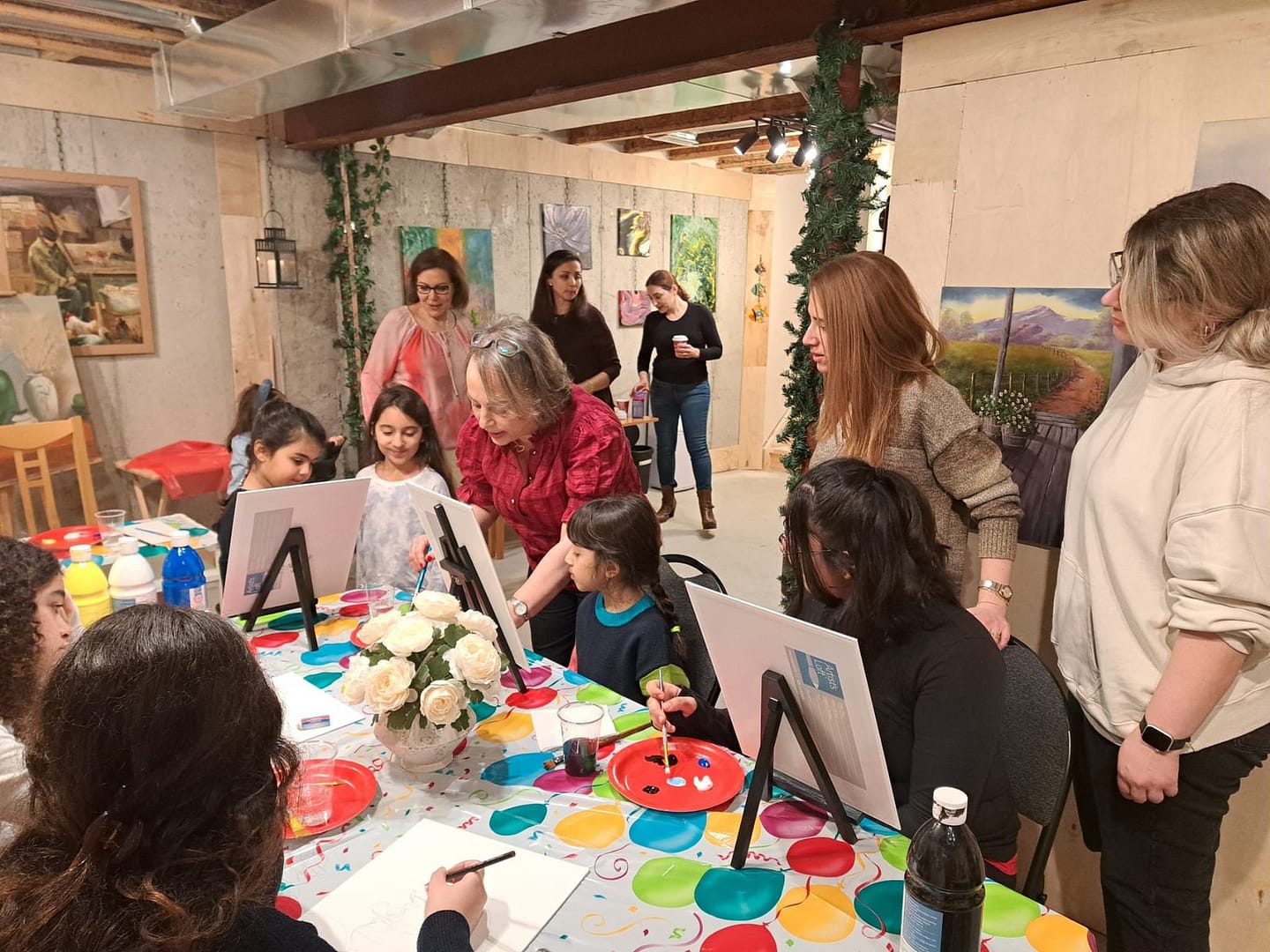
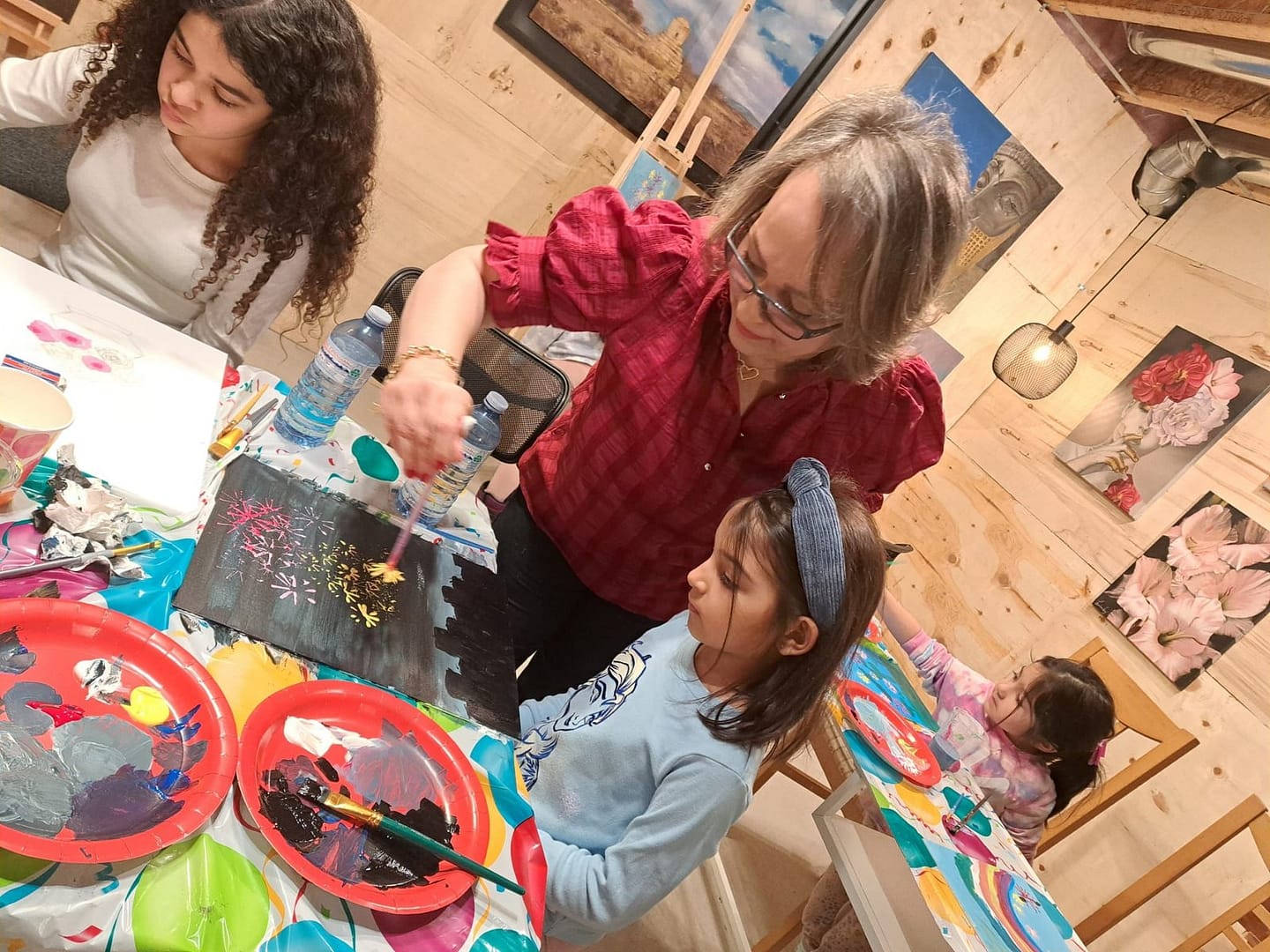
Painting class for talented children provides a unique opportunity to nurture creativity and self-expression. Through guided instruction and ample freedom to explore, these classes cultivate artistic abilities that might otherwise remain dormant. By exposing children to various techniques and mediums, they are able to experiment with color, texture, and form, developing a deep understanding of artistic principles.
In a Painting Class for kids, young artists learn not only the technical skills required to create stunning works of art but also how to see the world through a different lens. The process of painting fosters patience and focus, encouraging students to approach challenges with a thoughtful mindset. As children progress in their artistic journey, they gain confidence in their abilities, leading to a sense of accomplishment that can positively impact other areas of their lives.
The best painting class programs go beyond the basics of brushwork and color mixing. They encourage children to explore abstract concepts and express their inner thoughts and emotions through visual art. By working on individual projects and participating in group critiques, students refine their craft and develop an appreciation for different artistic styles.
Ultimately, a painting class for talented children is more than just an educational experience—it’s a chance to inspire the next generation of artists, thinkers, and innovators. Whether it’s the joy of creating something beautiful or the therapeutic effects of artistic expression, these classes offer children the tools they need to unlock their full potential.
A painting class designed for talented children is more than just a space for creating art; it’s a sanctuary for nurturing creativity, building self-esteem, and developing lifelong skills. For gifted young artists, the opportunity to immerse themselves in the world of colors, textures, and forms can be transformative. These classes are not just about learning to paint—they are about learning to think, express, and explore the boundaries of their imagination.
The beauty of a specialized painting class lies in its ability to provide a structured yet freeing environment where children can thrive. Unlike general art classes, these programs are tailored to the specific needs of children with an innate talent for art, offering more advanced techniques and a deeper understanding of artistic concepts. Students can work on honing their skills in various mediums, from watercolor and acrylic to oil paints, while learning sophisticated techniques such as shading, perspective, and composition.
What sets a painting class apart is its focus on fostering individuality. Every child brings their unique perspective to the table, and it is within the context of this diversity that the most brilliant works of art often emerge. Teachers in these classes are equipped not only to guide but to inspire, pushing young artists to explore new styles, experiment with different techniques, and ultimately create art that is both personal and profound.
In addition to technical mastery, a painting class instills critical thinking and problem-solving abilities. It teaches students how to approach challenges with patience and persistence, how to critically assess their work, and how to iterate on their ideas. These skills are essential not only in art but in many areas of life, giving talented children the tools they need to succeed.
A painting class for talented children unlocks a wealth of untapped potential, offering more than just an opportunity to improve artistic abilities. These classes encourage young minds to engage in a creative process that goes beyond technique, allowing them to explore new concepts, take risks, and ultimately build the courage to create art that is uniquely their own.
Creativity is often nurtured when children are given the freedom to experiment and explore without the pressure of strict rules or guidelines. In a painting class, children are empowered to make choices about color, medium, and composition. This autonomy fosters a sense of confidence and ownership over their work, as they are not simply following instructions but instead are making decisions based on their personal creative vision.
As students progress in a painting class, they become more adept at translating their ideas into tangible art. With time, children begin to develop a deeper understanding of how their choices in terms of color, texture, and form can convey meaning, mood, and emotion. This enhanced ability to communicate visually is not only valuable in the art world but also in their day-to-day lives, allowing them to express themselves more clearly and effectively.
Furthermore, a painting class serves as a space for children to connect with like-minded peers. In such an environment, collaboration is encouraged, allowing students to exchange ideas, offer feedback, and inspire each other. This sense of community and shared experience is invaluable, as it fosters a supportive atmosphere where creativity can flourish.
While every child’s artistic journey is unique, a painting class designed for talented children typically offers advanced techniques that push students to explore the boundaries of their abilities. These techniques are taught incrementally, allowing students to gain a deeper understanding of the tools and methods that great artists use to create intricate, professional works.
In a typical painting class, students may learn how to master complex techniques such as glazing, blending, and impasto. Glazing, for example, involves layering thin, transparent washes of paint to build depth and luminosity, a technique commonly used in oil painting. Children may also learn how to blend colors smoothly, creating subtle transitions that add dimension and realism to their artwork. Impasto, on the other hand, involves applying thick layers of paint to create texture and a sense of movement in the painting.
These techniques are not just about skill; they are about teaching children to see the world through a more refined lens. They learn to pay attention to the finer details, the nuances of light and shadow, and how to convey emotion and atmosphere through their brushstrokes. A painting class for talented children equips them with the knowledge and expertise to create artworks that are not only technically proficient but also rich in expression and meaning.
The incorporation of advanced techniques gives students the confidence to take their artwork to new heights, producing pieces that reflect their growth as artists. Over time, the skills learned in a painting class can serve as a foundation for future artistic endeavors, whether that be in the form of independent work, exhibitions, or even a professional career in the arts.
One of the most significant benefits of a painting class for talented children is its ability to foster emotional expression through art. Art is a powerful means of communication, allowing children to express feelings and experiences that may be difficult to articulate with words. Through the act of painting, children can work through complex emotions, gain a better understanding of their inner world, and process their thoughts in a safe and creative environment.
In a painting class, children are encouraged to explore a wide range of emotional experiences through their art. Whether they are expressing joy, sadness, fear, or hope, the creative process provides a healthy outlet for emotions. The tactile nature of painting—mixing colors, applying brushstrokes, and layering paint—can be particularly therapeutic, offering a physical manifestation of the emotional journey the child is experiencing.
Teachers in a painting class play a crucial role in guiding children through this process. Rather than imposing their own interpretations, they encourage students to trust their instincts and express themselves authentically. This guidance ensures that children feel comfortable exploring difficult emotions and that their artwork becomes a tool for personal growth and self-discovery.
Ultimately, the emotional benefits of a painting class extend far beyond the walls of the classroom. Children learn that their emotions are valid and worth exploring, and they gain the confidence to express themselves freely and without judgment. This self-awareness and emotional intelligence serve them well in all aspects of their lives.
A painting class for talented children plays a pivotal role in fostering self-confidence. For children with an inherent talent for art, these classes provide the opportunity to refine their abilities in a supportive and encouraging environment. As students develop their skills and create works that reflect their growing expertise, they begin to take pride in their accomplishments.
Confidence grows as children receive positive reinforcement and constructive feedback from their instructors. In a painting class, teachers are not only focused on technical execution but also on the emotional journey of the student. By acknowledging the effort and creativity put into each piece, instructors help children understand that their progress is as important as the final product.
As students refine their technique and expand their artistic knowledge, they begin to recognize their own potential. The act of creating a painting, from start to finish, becomes an empowering process—one that teaches them to trust their instincts and embrace their individuality. Over time, this sense of accomplishment spills over into other areas of their lives, encouraging them to take on new challenges with a positive, can-do attitude.
In addition, the public display of their artwork in galleries or exhibitions serves as another boost to their self-esteem. The recognition of their talent by others reinforces their belief in their abilities and motivates them to continue exploring the world of art. A painting class is, therefore, not only an educational experience but also an important tool for personal development.
A key component of a painting class for talented children is the role of mentorship. In these classes, students have the opportunity to learn from experienced artists and teachers who can provide guidance, support, and inspiration. Mentorship is an invaluable resource, especially for young, gifted artists who may feel isolated in their passion for painting.
Mentors in a painting class offer more than just technical advice; they help shape the creative vision of their students. They encourage young artists to push past their limitations, try new techniques, and take creative risks. This mentorship fosters a sense of trust between the teacher and the student, creating an environment where the child feels comfortable expressing themselves and seeking feedback.
The mentor-student relationship in a painting class often extends beyond the classroom. Mentors act as role models, showing students what is possible when passion and talent are combined. They offer advice on how to navigate the art world, how to build a portfolio, and how to stay motivated in the face of challenges. For many students, their mentor becomes a lifelong source of support and inspiration, guiding them as they continue to develop their artistic careers.
In a painting class for talented children, the emphasis on individual expression is paramount. Each child brings a unique perspective to their work, and it is this diversity that enriches the artistic experience. A well-structured painting class recognizes that there is no one-size-fits-all approach to creating art. Rather than forcing students to conform to a particular style or technique, these classes allow children to explore their own interests and create art that is a true reflection of their individuality.
By providing a wide range of materials, techniques, and subjects, a painting class empowers students to find their own voice as artists. Whether a child is drawn to abstract forms, realistic depictions, or experimental techniques, they are encouraged to pursue their interests and develop a personal style. Teachers serve as facilitators, providing guidance and feedback, but always respecting the unique creative vision of each student.
The freedom to explore one’s artistic identity fosters a sense of ownership and pride in one’s work. Children learn that their ideas are valid and worthy of expression, and this sense of self-affirmation carries over into all aspects of their lives. A painting class is, therefore, not just about developing technical skills but about nurturing a deep sense of personal expression and creative freedom.
For talented children, a painting class serves as a gateway to a future in the arts. It provides the foundation for a lifelong passion for painting, offering the technical skills and creative freedom needed to pursue a career in the visual arts. For many students, these classes spark a deeper interest in art that extends beyond the classroom and becomes an integral part of their lives.
A painting class opens doors to opportunities for young artists, from exhibitions to art competitions and even professional mentorship. It provides students with the tools they need to build a portfolio, gain recognition, and connect with others in the artistic community. Whether a child chooses to pursue art as a career or continues to create as a hobby, the experiences gained in a painting class form the cornerstone of their artistic journey.
Moreover, the lessons learned in these classes extend beyond the canvas. The discipline, creativity, and confidence gained in a painting class are transferable skills that can benefit children in all aspects of their lives. Whether pursuing a career in the arts or in another field, the problem-solving abilities, patience, and perseverance cultivated in a painting class will serve them well as they navigate their future endeavors.
A painting class for talented children is more than just a place to develop artistic skills; it is an environment that fosters creativity, emotional growth, and personal development. By providing an outlet for self-expression, encouraging advanced techniques, and offering the mentorship needed to refine their craft, these classes help children build the foundation for a lifetime of artistic exploration.
The skills and confidence gained in a painting class extend far beyond the art world. Children learn to trust their instincts, approach challenges with patience, and express their emotions in healthy, productive ways. These are the qualities that set them apart and prepare them for future success, whether in the arts or any other field they choose to pursue.
In the end, a painting class for talented children is not just about creating beautiful works of art; it is about unlocking potential, building confidence, and fostering a love of creativity that will last a lifetime.