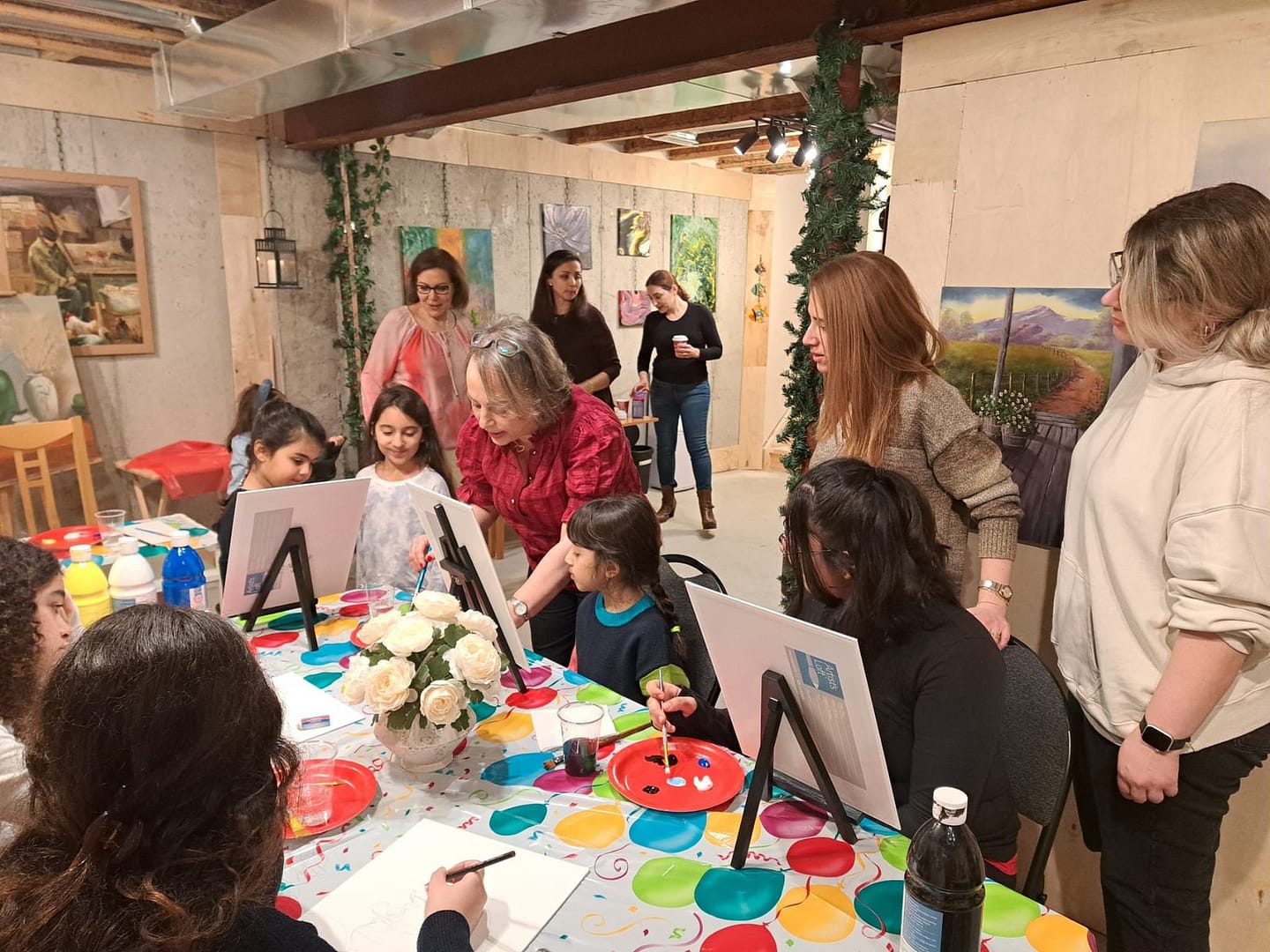

Painting class is an invaluable experience for schoolchildren, offering them a chance to explore their creativity while developing essential skills. In today’s fast-paced, technology-driven world, the act of painting provides children with a unique opportunity to disconnect from screens and engage in hands-on, imaginative expression. Through a Painting Class for kids, young learners are introduced to the fundamentals of color theory, brush techniques, and composition. These lessons not only refine their artistic abilities but also enhance critical thinking and problem-solving skills.
Engaging in regular painting class sessions helps children build fine motor skills, increase focus, and develop patience. As they experiment with different mediums, whether watercolor, acrylic, or tempera, they learn to adapt their ideas and approach based on the materials at hand. This flexibility is a valuable lesson that extends beyond the art room and can be applied in many areas of life.
Furthermore, a painting class fosters emotional growth, as children are encouraged to express their feelings and experiences through their artwork. This form of self-expression can be particularly therapeutic, offering an outlet for emotions that may otherwise be difficult to articulate. By exploring different styles and techniques, children gain confidence in their artistic abilities and a sense of pride in their accomplishments.
In conclusion, enrolling children in a painting class not only nurtures their artistic talents but also plays a pivotal role in their overall development. It is a wonderful way to enrich their education, offering them a space to discover, grow, and create.
A painting class is more than just an opportunity to create artwork; it serves as a crucial part of early childhood education. By engaging in art activities, schoolchildren develop a myriad of cognitive and social skills that are vital to their overall development. In particular, painting class promotes creativity and self-expression, enabling children to visualize and communicate their thoughts in a non-verbal manner. This process is essential as it allows young learners to explore their emotions and experiences through color, shape, and texture.
Furthermore, painting class enhances fine motor skills, as children learn to control brushes, mix colors, and apply paints with precision. These actions require the coordination of hand and eye, helping students gain confidence in their physical abilities. As children progress through different artistic techniques, they also develop problem-solving skills by determining how to represent their ideas in visual form.
Additionally, painting class can foster emotional growth. The process of creating a painting requires patience, perseverance, and the ability to embrace mistakes as part of the learning journey. These attributes are essential as they prepare children to navigate challenges both inside and outside the classroom. Ultimately, painting class offers far more than the chance to create a beautiful piece of art; it provides children with the tools they need to thrive in all areas of their development.
One of the most significant benefits of a painting class for schoolchildren is its ability to enhance creativity. Unlike structured subjects such as mathematics or science, art classes are designed to be free-form, allowing students to experiment and explore a wide range of ideas. The freedom to create without limitations encourages children to think outside the box, cultivating an environment where imagination knows no bounds.
In a painting class, students are encouraged to experiment with colors, textures, and forms. This experimentation can lead to the discovery of unique artistic styles and innovative approaches to painting. Creativity is nurtured when children are given the tools and the space to think independently, fostering an environment where their personal artistic expression is celebrated.
Moreover, the creative process in a painting class is not just about producing a final piece of art; it is about the journey of discovery. Children learn to see the world in new ways as they translate their ideas into visual forms. This enhances their ability to solve problems creatively, a skill that can be applied in a variety of situations beyond the art room. By honing their creative thinking, children become better equipped to handle challenges, whether academic or personal, with innovative solutions.
In addition, painting class helps children appreciate the value of originality. Rather than following a set formula, they are encouraged to trust their instincts and create something truly unique. This fosters a sense of pride and accomplishment, reinforcing the idea that every student has the potential to contribute something valuable to the world.
A painting class provides schoolchildren with an excellent opportunity to develop fine motor skills. These skills, which involve the small muscles in the hands and fingers, are essential for many everyday tasks such as writing, tying shoes, and eating. Through activities such as holding a paintbrush, mixing colors, and applying paint to a canvas, children strengthen the muscles necessary for dexterity and coordination.
The act of painting requires a child to focus on the precision of their movements. Whether they are carefully outlining a shape or blending colors, the process involves a high level of control over their hand movements. As they practice these skills in a painting class, children gain a better understanding of how their bodies can respond to their intentions, thus improving their ability to perform a wide range of tasks that require manual dexterity.
Furthermore, painting class teaches children the importance of hand-eye coordination. By learning how to coordinate their movements with what they see, children are better able to focus on tasks and accomplish them with greater accuracy. This skill extends beyond the art room, positively impacting other areas of life, such as playing sports, completing homework, and engaging in other hands-on activities.
Additionally, the repetitive nature of many painting tasks helps to solidify these fine motor skills. As children continue to practice, their hand-eye coordination improves, and they begin to feel more confident in their ability to manipulate tools and materials. This confidence translates into greater independence and self-sufficiency in various aspects of life.
A painting class provides a safe space for children to explore and express their emotions. Art, in its many forms, has long been recognized as a powerful tool for emotional expression. For children, especially those who may not yet have the words to articulate their feelings, painting can serve as an invaluable outlet.
In a painting class, students are encouraged to channel their emotions into their artwork. Whether they are happy, sad, or angry, children can translate these feelings into colors, lines, and shapes. This process not only helps them understand their own emotions but also gives them a sense of agency and control over how they choose to express themselves.
The ability to create something personal and meaningful in a painting class can have a therapeutic effect. Children learn to navigate and process complex emotions in a way that is constructive and fulfilling. For some, this might involve creating abstract art that mirrors their internal state, while for others, it might mean painting a landscape that represents a sense of calm or peace.
As children gain confidence in their emotional expression, they develop a sense of self-awareness and resilience. This emotional development is crucial, as it helps children understand how to cope with challenges and difficulties in a healthy, constructive manner. In this way, painting class becomes more than just an artistic pursuit; it becomes an essential tool for emotional well-being.
Engaging in a painting class offers children a multitude of cognitive benefits, particularly in the areas of problem-solving and critical thinking. Unlike other subjects where answers are often predetermined, art allows students to approach problems from various angles and find their own solutions. This encourages a flexible mindset and nurtures a deeper understanding of how to approach challenges.
In a painting class, children often face decisions that require them to think critically about their work. For example, they might need to decide how to balance colors, how to create perspective, or how to express a concept visually. These decisions require careful thought and consideration, stimulating the brain and promoting higher-order thinking.
Furthermore, painting class helps improve memory and concentration. As students focus on their artwork, they are exercising their ability to pay attention to detail and remember various aspects of the painting process. The ability to recall and apply techniques learned in previous sessions strengthens cognitive connections in the brain, promoting intellectual growth.
Additionally, painting class encourages children to develop a keen eye for detail. As they learn to recognize patterns, shapes, and textures, they begin to notice these same features in the world around them. This heightened awareness enhances their observational skills and boosts their overall cognitive development, providing a foundation for success in many other areas of learning.
A painting class also plays a vital role in fostering social skills among schoolchildren. While the activity itself is often individual, the environment in which children learn to paint is typically collaborative. Students share ideas, resources, and feedback, learning to interact with their peers in a respectful and supportive manner.
In a painting class, children often work together in groups, engaging in discussions about their artistic choices and offering constructive criticism. These interactions help children develop important communication skills, as they learn how to articulate their thoughts and listen to others’ perspectives.
Moreover, a painting class provides opportunities for children to build teamwork skills. Collaborative projects, where students combine their individual contributions into a larger group painting, help them understand the importance of cooperation and compromise. Through these experiences, children learn how to work harmoniously with others, respecting different viewpoints and contributing to a shared goal.
Social skills such as empathy, patience, and tolerance are also nurtured in a painting class. As children observe and appreciate each other’s work, they begin to understand the value of diversity and individuality. These lessons extend far beyond the art room, as students carry the social skills they develop into other areas of their lives, including friendships and family relationships.
While painting class is often viewed as a creative break from traditional academics, it has been shown to have a significant impact on overall academic achievement. Engaging in art activities, such as painting, can enhance a child’s ability to succeed in other subjects by stimulating cognitive processes that are beneficial across the curriculum.
Research has demonstrated that students who regularly engage in painting class often perform better in subjects like mathematics and reading. This is because art encourages the development of essential skills such as problem-solving, critical thinking, and attention to detail, which are directly applicable to other areas of study.
In addition, the confidence that children gain from creating art can translate into greater self-assurance in academic settings. As students see their ideas come to life through their paintings, they gain a sense of accomplishment and self-worth that encourages them to approach other subjects with a similar mindset of perseverance and dedication.
Furthermore, a painting class helps children learn how to organize their thoughts and manage their time. The process of planning and executing a painting teaches children how to set goals and follow through with their plans. These time-management skills are crucial for academic success, as they help students stay organized and focused on their studies.
A painting class offers schoolchildren the opportunity to explore various cultural traditions and artistic styles. Art is a universal language, and through painting, children can gain a deeper understanding of the diverse world around them. By studying different art forms from various cultures, students learn to appreciate the richness and diversity of human expression.
In a painting class, children might be introduced to the works of famous artists from different periods and regions. They may study the techniques used in traditional Japanese sumi-e painting, explore the vibrant colors of Mexican folk art, or experiment with abstract expressionism. This exposure broadens their perspective and helps them develop an appreciation for the various ways in which people from different cultures communicate their experiences and values.
Furthermore, a painting class provides an opportunity to learn about the history and context behind various art forms. Understanding the cultural significance of certain artistic movements or styles adds depth to a child’s learning experience. It fosters an appreciation for diversity and encourages open-mindedness, which is a vital skill in today’s interconnected world.
By integrating cultural exploration into the painting class, children develop a global perspective that enriches their understanding of the world and enhances their ability to relate to others from different backgrounds.
Beyond its educational and creative benefits, a painting class has therapeutic effects that can significantly improve a child’s mental health. Art therapy has long been recognized as an effective way to help individuals process difficult emotions, reduce stress, and build self-esteem. In a painting class, children are given the opportunity to express themselves in a non-verbal way, which can be particularly helpful for those who find it challenging to articulate their feelings through words.
For children experiencing anxiety, frustration, or sadness, painting can serve as a calming outlet. The act of painting allows children to focus on the process rather than their emotional distress, providing a sense of relief and emotional release. By immersing themselves in the creative process, children can experience a sense of mindfulness, which helps to alleviate stress and promote relaxation.
Moreover, a painting class can boost self-esteem and confidence. As children see their efforts come to fruition in the form of a completed painting, they gain a sense of accomplishment that reinforces their self-worth. This confidence can have a lasting impact, helping children to feel more positive about themselves and their abilities in other areas of life.
In conclusion, a painting class offers schoolchildren a wealth of benefits that extend far beyond the creation of beautiful art. Through painting, children develop essential life skills, including creativity, fine motor skills, emotional expression, and social collaboration. The lessons learned in a painting class have a lasting impact on a child’s overall development, helping them to navigate the challenges of life with confidence and resilience.
Moreover, the cognitive, emotional, and academic benefits of painting make it an essential part of a well-rounded education. Whether it’s fostering creativity, improving problem-solving skills, or enhancing social interactions, a painting class provides children with the tools they need to succeed both inside and outside the classroom.
Ultimately, the value of a painting class lies not only in the art created but in the holistic growth it promotes. By offering children the space to explore their artistic talents and express their emotions, a painting class cultivates a sense of pride, accomplishment, and creativity that will stay with them for a lifetime.