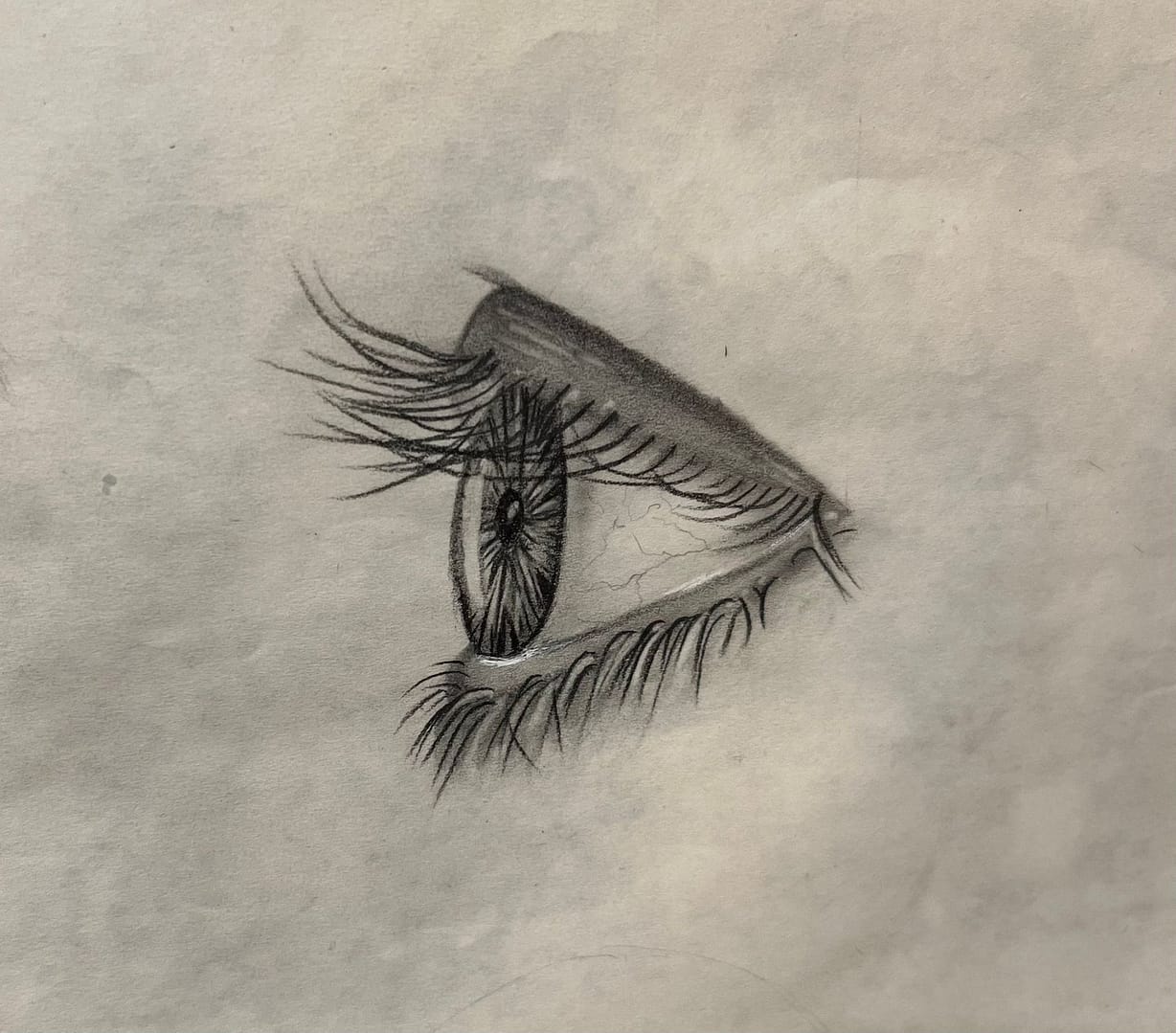
1. The Rise of Online Painting Classes: Revolutionizing Artistic Learning
With the advent of online education, painting classes have become more accessible than ever before. Today, aspiring artists from across the globe can connect with expert instructors through virtual platforms, making it easier to learn new techniques, explore various mediums, and enhance their creative skills. The flexibility of online painting classes allows students to learn at their own pace, choosing from a wide range of styles, from watercolor to oil painting. This shift in learning dynamics has opened up opportunities for individuals who may have otherwise not had access to traditional art schools or in-person workshops.
Online platforms provide high-quality video lessons, step-by-step tutorials, and live feedback sessions, ensuring a personalized learning experience despite the physical distance. These painting classes cater to a wide range of skill levels, allowing both beginners and seasoned artists to benefit from expert guidance. Furthermore, students can review materials as many times as they wish, enabling them to perfect their craft. This convenience has transformed the way people approach artistic education, making it easier to engage with their passion for painting from the comfort of their own home.
2. How Online Painting Classes Can Help You Develop New Skills at Home
One of the primary advantages of online painting classes is the ability to develop new artistic skills without leaving the comfort of home. Whether you are looking to explore a new medium, learn the fundamentals of color theory, or improve your brushwork technique, online platforms offer a vast array of courses suited to your individual needs. These classes cater to different artistic styles, allowing learners to immerse themselves in their preferred type of art, whether it be portraiture, landscapes, or abstract expressionism.
The convenience of online painting classes means that you are not bound by time constraints or geographical location. This flexibility allows you to work at your own pace and revisit lessons as needed. Additionally, online instructors often provide constructive feedback through digital platforms, ensuring that learners continue to improve. Whether you’re a beginner looking for an introduction to painting or an experienced artist refining your skills, online painting classes make it possible to develop your craft in a personalized and convenient way.
3. The Benefits of Learning Art Through Online Painting Classes
Learning through online painting classes offers numerous benefits for aspiring artists. One of the most significant advantages is the flexibility they provide. Students can access lessons at any time, allowing them to work around busy schedules. This is particularly beneficial for individuals with full-time jobs, family commitments, or those who live in areas where access to art schools may be limited.
Another benefit of online painting classes is the ability to choose from a variety of instructors with different teaching styles. Whether you prefer a structured approach with detailed lessons or a more relaxed, creative environment, online platforms cater to all preferences. Additionally, the diverse range of courses allows learners to explore different techniques, such as oil painting, acrylics, or watercolor, enabling them to expand their skillset and artistic repertoire.
4. Why Online Painting Classes Are Perfect for Busy Adults
For busy adults who are interested in art, online painting classes are the perfect solution. The flexibility of online learning allows individuals to fit their creative pursuits into their hectic schedules, making it easier to find time for art without compromising other commitments. Whether it’s a lunch break, a weekend, or an evening after work, online painting classes provide the convenience of learning whenever it’s most convenient for you.
Moreover, these classes offer a variety of topics that cater to different skill levels, making it easy for adults to learn new techniques or refine their existing knowledge. From beginners learning basic brushstrokes to advanced artists seeking guidance on more intricate projects, online painting classes provide a valuable resource for all. The ability to pause, rewind, and revisit lessons as often as needed ensures that adults can learn at their own pace, which is especially important for those with busy lives.
5. How to Choose the Right Online Painting Classes for Your Artistic Goals
When it comes to selecting the right painting classes online, there are several factors to consider. First, it’s important to assess your skill level and artistic goals. Are you a beginner looking for a foundation in painting, or are you an experienced artist seeking to refine your techniques? Many online platforms offer courses designed specifically for different levels, from introductory lessons to advanced workshops.
Another crucial factor is the medium you wish to focus on. Painting classes may cover various mediums such as oil painting, acrylics, or watercolors, so it’s essential to choose a class that aligns with your preferred medium. Finally, consider the teaching style and feedback options. Some online courses offer live sessions with instructors, while others provide pre-recorded lessons. The opportunity to receive personalized feedback can greatly enhance your learning experience, helping you progress more effectively in your artistic journey.
6. Exploring Different Painting Styles Through Online Classes
One of the greatest advantages of online painting classes is the opportunity to explore a wide range of painting styles. Whether you’re interested in traditional realism, abstract expressionism, or modern minimalist art, there are online courses to suit every artistic taste. These classes give learners the freedom to experiment with different techniques, from brushwork to color mixing, helping them discover which styles resonate with them the most.
In online painting classes, instructors often introduce students to various artistic movements and their defining characteristics, providing a well-rounded education in the history of art. This exposure to different styles allows students to develop their own voice as artists, incorporating elements of various movements into their unique creations. As you progress through these classes, you’ll be encouraged to embrace your personal style while experimenting with new techniques and approaches.
7. The Role of Feedback in Online Painting Classes
Feedback is an essential aspect of any learning experience, and online painting classes are no exception. Many platforms offer students the opportunity to submit their work for review by experienced instructors, who provide constructive criticism to help improve technique and overall artistic skill. This feedback can be invaluable for individuals looking to refine their abilities and take their artwork to the next level.
Unlike traditional classroom settings, online painting classes often allow students to work at their own pace, which means they can take their time to perfect each piece before seeking feedback. Some courses even offer one-on-one sessions where instructors can give personalized guidance, helping students identify areas for improvement and providing tips to elevate their art. Regular feedback ensures continuous progress, motivating students to stay engaged with their learning and develop their painting skills over time.
8. How Online Painting Classes Support Artistic Independence
Taking painting classes online fosters a sense of artistic independence by allowing students to work at their own pace and on their own schedule. This independence is crucial for cultivating creativity, as it enables individuals to explore different painting techniques, experiment with new ideas, and develop their own unique artistic style. Online classes offer the flexibility to learn at one’s own pace, allowing for self-discovery and the freedom to pursue personal artistic interests.
Furthermore, many online painting classes encourage students to develop a sense of autonomy by challenging them to complete assignments independently, thereby honing their decision-making skills and critical thinking abilities. This approach nurtures confidence and empowers students to take ownership of their artistic journey, ultimately leading to more satisfying and meaningful creative experiences.
9. Overcoming Common Challenges in Online Painting Classes
While online painting classes offer incredible flexibility and convenience, they can also present certain challenges. One common hurdle is the lack of immediate in-person feedback, which can make it difficult for beginners to troubleshoot problems in their artwork. However, many online platforms address this by offering live sessions or video critiques, allowing students to receive real-time advice and guidance from instructors.
Another challenge is the potential for distractions when learning at home. However, this can be mitigated by creating a dedicated workspace for painting, free from interruptions. Online painting classes offer a structured approach that helps students focus on their craft while maintaining the freedom to work at their own pace. By setting clear goals and staying organized, students can overcome these challenges and make the most of their online learning experience.
10. The Accessibility of Online Painting Classes for Artists Around the World
One of the most significant advantages of online painting classes is their accessibility. Artists from all corners of the world can now learn from some of the best instructors, regardless of their geographic location. This global reach breaks down the barriers to traditional art education, allowing individuals in remote areas or countries with limited art schools to receive high-quality instruction.
With online painting classes, artists have the opportunity to choose from a variety of instructors who specialize in different techniques and styles. This accessibility also extends to students of all skill levels, from beginners to seasoned artists. Online platforms provide a diverse range of courses, allowing learners to explore new mediums, improve their skills, and gain exposure to different artistic perspectives, all from the comfort of their own homes.
11. The Flexibility of Online Painting Classes for Work-Life Balance
Balancing work, family, and personal pursuits can be challenging, but online painting classes provide an excellent solution for those seeking to incorporate art into their busy lives. The flexibility of online learning allows students to fit art lessons into their schedules whenever they have free time, making it easier to prioritize creativity without sacrificing other obligations.
Whether it’s a few minutes during lunch breaks or an hour in the evening, online painting classes give students the opportunity to nurture their artistic passions without feeling overwhelmed. This flexibility encourages individuals to commit to their creative growth, leading to a more balanced and fulfilling lifestyle.
12. How Online Painting Classes Offer a Personalized Learning Experience
Unlike traditional classrooms, online painting classes provide a more personalized learning experience. Many online platforms allow students to choose courses that align with their individual goals, whether that’s mastering a specific technique, exploring a new medium, or honing their skills in a particular painting style. With options for one-on-one instructor feedback and individualized lessons, online courses cater to the unique needs of each student.
Additionally, online painting classes allow students to progress at their own pace, ensuring that they can spend more time on challenging areas and move quickly through topics they find easier. This self-directed learning model promotes confidence and encourages students to take control of their artistic education, resulting in a more customized and rewarding experience.
13. The Growing Popularity of Online Painting Classes Among Hobbyists
In recent years, online painting classes have gained significant popularity among hobbyists looking to explore their creative interests. These classes offer an affordable and accessible way for individuals to engage with art without the need for a formal education. With a wide variety of courses available online, hobbyists can experiment with different mediums, techniques, and styles, all from the comfort of their own homes.
Whether it’s painting landscapes, portraits, or abstract works, online painting classes provide hobbyists with the tools and knowledge they need to explore their creativity. These courses often focus on practical, hands-on skills that can be applied immediately, allowing students to create their own artwork and experience the joy of artistic expression.
14. How Online Painting Classes Foster a Global Artistic Community
The virtual nature of online painting classes has led to the formation of a global artistic community. Students from all over the world can come together to share their artwork, exchange ideas, and learn from one another. Many platforms offer forums and discussion groups where artists can provide support and feedback, creating a sense of camaraderie among like-minded individuals.
This global network provides a unique opportunity for collaboration and cultural exchange. Artists can learn from diverse artistic traditions and gain fresh perspectives on their work, enhancing their creative development. By connecting with peers from different backgrounds and regions, students in online painting classes can broaden their artistic horizons and expand their creative potential.
15. How Online Painting Classes Can Boost Your Confidence as an Artist
Confidence is key to artistic growth, and online painting classes can play a vital role in building it. By providing a structured learning environment, these classes offer students the opportunity to experiment, make mistakes, and learn from them, all of which contribute to growing artistic confidence. Regularly practicing and completing artwork in these courses helps individuals see tangible improvements in their skills, boosting their self-assurance as artists.
The ability to receive feedback from experienced instructors also helps boost confidence. Positive reinforcement and constructive critiques allow students to refine their techniques, which leads to a greater sense of accomplishment and pride in their work. Over time, this increased confidence translates into more fearless artistic exploration and greater success in creating original artwork.
16. Why Online Painting Classes Are Ideal for Self-Paced Learning
Self-paced learning is one of the primary advantages of online painting classes. These classes allow students to work at their own speed, taking as much time as needed to master each lesson. This is particularly beneficial for beginners who may need additional time to grasp fundamental concepts, as well as for more advanced artists who prefer to spend more time perfecting specific techniques.
The flexibility to pause and rewind videos, review instructional materials, and practice at one’s own pace is a significant advantage of online painting classes. This self-paced approach ensures that students are not rushed through the learning process and can focus on areas that need improvement. It also allows students to balance their art education with other responsibilities, creating a more manageable and enjoyable learning experience.
17. Unlocking Your Artistic Potential with Online Painting Classes
Painting classes offer an exciting opportunity to unlock your artistic potential. These courses provide the necessary tools, techniques, and inspiration for individuals looking to explore their creative abilities. Whether you’re a beginner or an advanced artist, online painting classes can help you develop your skills and discover new possibilities in your artwork.
Through the combination of structured lessons, personalized feedback, and creative exploration, online painting classes foster a supportive environment for artistic growth. They encourage students to take risks, experiment with new ideas, and push their creative boundaries, ultimately leading to the discovery of new artistic talents and capabilities. By engaging with these courses, you can take the first step toward realizing your artistic dreams.
18. The Future of Artistic Education: Online Painting Classes
As technology continues to evolve, the future of artistic education is increasingly shifting toward online painting classes. These courses provide unprecedented access to high-quality instruction, allowing artists to learn from top professionals without leaving home. With advancements in virtual tools, students can engage in live critiques, participate in collaborative projects, and gain exposure to a wide range of artistic styles and techniques.
The accessibility, affordability, and flexibility of online painting classes ensure that they will continue to play a central role in the future of art education. As more people turn to virtual platforms for artistic learning, the art world is becoming more inclusive, diverse, and interconnected than ever before. Online education is revolutionizing how art is taught, making it easier for people to develop their creative potential and connect with a global community of artists.