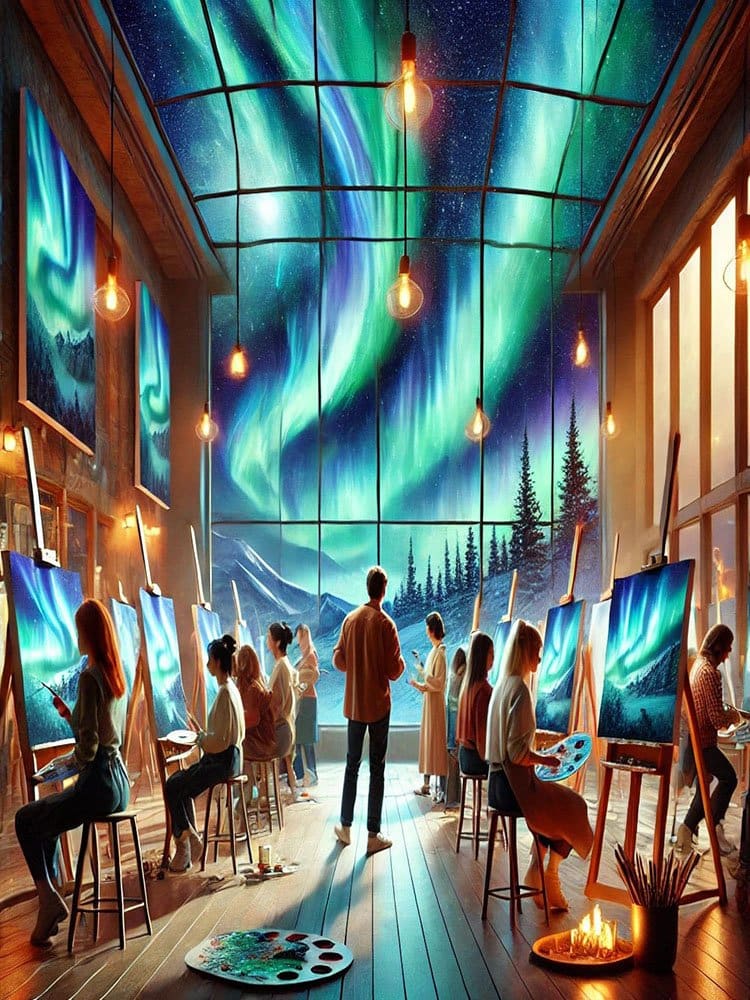
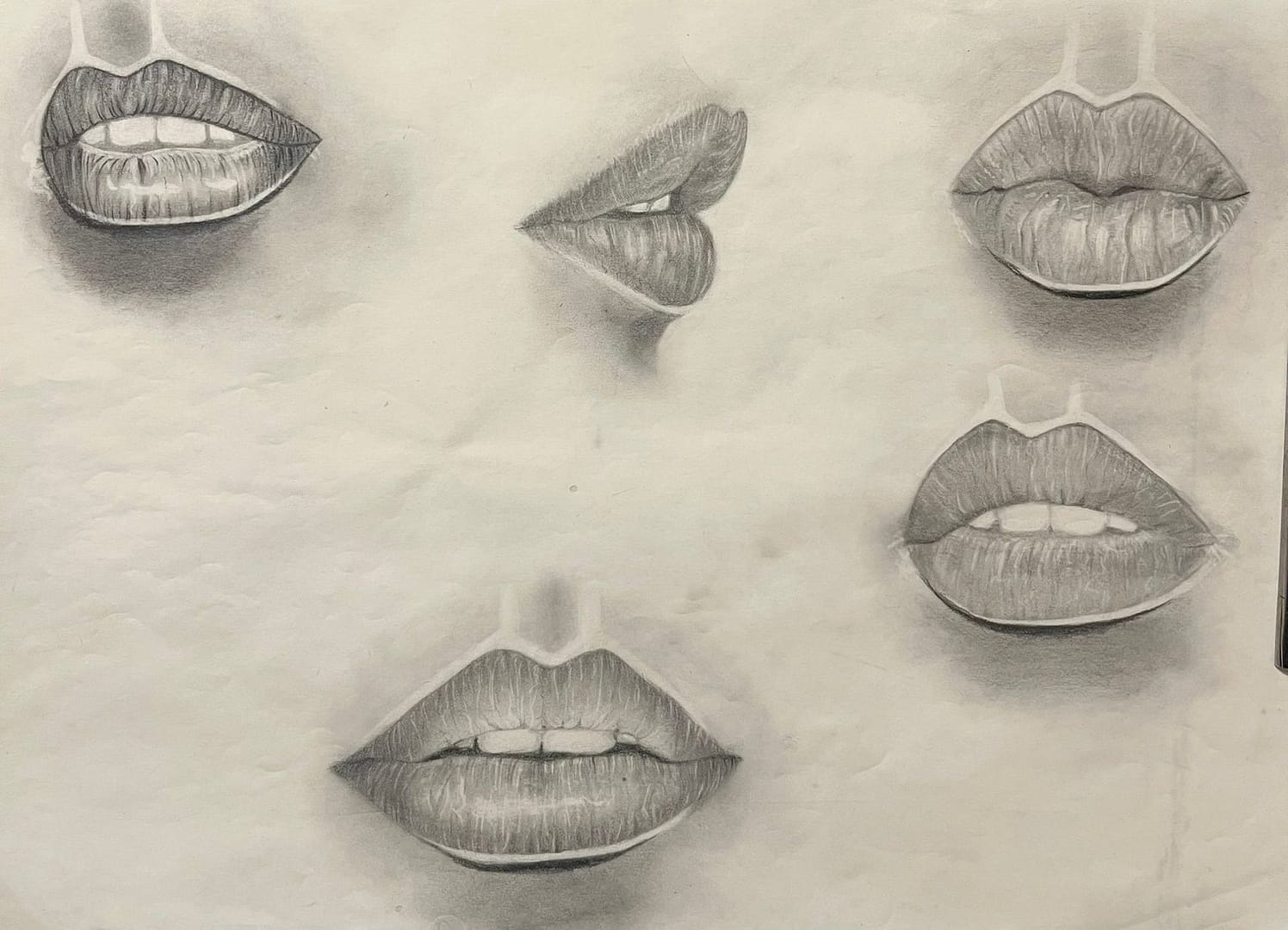
Experience the transformative power of artistic expression with Painting Classes for therapy at Fania Art Gallery. Our gallery offers a nurturing and supportive environment where individuals can explore their emotions, process trauma, and promote mental well-being through the medium of paint.
Led by licensed art therapists who specialize in using art as a form of healing, our painting class for therapy provide a safe space for self-discovery and emotional exploration. Participants are encouraged to express themselves freely, without judgment, as they engage in guided artistic activities designed to facilitate healing and personal growth.
In our painting classes for therapy, participants have the opportunity to explore a variety of themes and techniques, from abstract expressionism to narrative storytelling. Through the act of creating art, individuals can tap into their subconscious, access buried emotions, and find catharsis in the process.
Whether you’re struggling with anxiety, depression, or simply seeking a creative outlet for self-care, painting class for therapy at Fania Art Gallery offer a holistic approach to mental health and well-being. Join us and embark on a journey of self-discovery, healing, and artistic expression.
In a world filled with constant demands and stresses, the pursuit of mental well-being has become more important than ever. Painting classes are emerging as a powerful tool for therapy, offering individuals a creative outlet to process emotions, heal trauma, and find inner peace. This form of therapy combines the transformative power of art with guided instruction to create a holistic experience that benefits both the mind and body.
Art has long been recognized for its therapeutic benefits. Ancient civilizations used artistic expression as a way to communicate, heal, and connect with the divine. In modern times, art therapy has gained recognition as an effective method for improving mental health. Painting classes, in particular, provide an accessible and structured way for individuals to engage with art, making it an ideal medium for therapeutic purposes.
The act of painting engages both hemispheres of the brain. The left hemisphere handles logic and planning, which are necessary for structuring a composition, while the right hemisphere fuels creativity and emotional expression. This dual engagement fosters a state of mindfulness, helping individuals focus on the present moment and detach from stressors.
Painting classes for therapy are suitable for people of all ages and backgrounds. They can be particularly beneficial for those dealing with:
Anxiety and stress
Depression
Trauma and PTSD
Grief and loss
Chronic illness or pain
Low self-esteem
These classes offer a safe and supportive environment where individuals can explore their emotions without judgment. Unlike traditional therapy, which often relies on verbal communication, painting allows participants to express themselves nonverbally, making it especially helpful for those who struggle to articulate their feelings.
The success of painting classes for therapy lies in their structure and approach. Here are the key elements that make these classes effective:
Qualified Instructors: The presence of a skilled and empathetic instructor is crucial. They guide participants through techniques while creating a nurturing space for self-expression.
Mindfulness Practices: Many therapeutic painting classes incorporate mindfulness exercises, such as deep breathing or visualization, to help participants relax and focus on the creative process.
Customizable Curriculum: A flexible approach allows individuals to work at their own pace, exploring techniques and themes that resonate with them personally.
Safe Environment: A nonjudgmental atmosphere encourages participants to let go of perfectionism and embrace the process of creation.
Integration of Themes: Themes such as gratitude, resilience, or hope can be woven into the curriculum to inspire introspection and positive growth.
Engaging in painting classes as a form of therapy can yield profound emotional benefits. These include:
Stress Reduction: The repetitive and immersive nature of painting helps lower cortisol levels, promoting relaxation and reducing anxiety.
Emotional Release: Painting provides a safe outlet for expressing suppressed emotions, allowing individuals to process their feelings constructively.
Increased Self-Awareness: By reflecting on their creations, participants gain insights into their thoughts and emotions, fostering greater self-understanding.
Boosted Confidence: Completing a painting, regardless of skill level, can instill a sense of accomplishment and improve self-esteem.
The benefits of painting classes extend beyond emotional well-being. Participants often experience physical and cognitive improvements, such as:
Enhanced fine motor skills through the manipulation of brushes and tools.
Improved hand-eye coordination.
Increased focus and concentration, which can carry over into other areas of life.
A decrease in physical symptoms of stress, such as tension headaches or muscle pain.
Group painting classes for therapy offer additional benefits by fostering a sense of community and connection. Sharing the creative process with others helps combat feelings of isolation and provides opportunities for mutual support and encouragement. Group sessions also allow participants to learn from each other’s techniques and perspectives, enriching their overall experience.
Numerous case studies highlight the transformative impact of painting classes for therapy. For instance, veterans coping with PTSD have reported significant emotional relief and reduced symptoms after participating in art-based therapy programs. Similarly, individuals recovering from severe trauma or loss have found solace and renewed purpose through painting.
One of the greatest advantages of learning therapeutic techniques in painting classes is the ability to incorporate them into daily routines. Participants can set up a small art corner at home, use painting as a meditative practice, or simply engage in creative exploration during moments of stress. This integration ensures that the benefits of art therapy extend beyond the classroom.
For those considering painting classes for therapy, here are some tips to make the most of the experience:
Choose the Right Class: Look for classes led by experienced instructors with a focus on therapeutic techniques.
Start Small: Begin with simple projects and gradually progress to more complex compositions.
Let Go of Perfectionism: Focus on the process rather than the outcome.
Experiment Freely: Explore different mediums, styles, and subjects to discover what resonates with you.
While painting classes for therapy have traditionally focused on individual well-being, there is growing recognition of their potential for broader applications. Schools, workplaces, and community centers are increasingly incorporating art therapy programs to foster collective healing and resilience. For example, schools that introduce art therapy report improved emotional regulation and academic performance among students. In workplaces, creative workshops can reduce burnout and improve team dynamics by encouraging open communication and stress management.
The effectiveness of painting classes for therapy is supported by scientific research. Studies in neuroscience have shown that engaging in creative activities activates the brain’s reward system, releasing dopamine and promoting feelings of pleasure and motivation. Additionally, art therapy has been linked to reduced activity in the amygdala, the brain’s stress-response center, leading to a calmer and more balanced emotional state. These findings underscore the profound impact of artistic expression on mental health.
Some individuals hesitate to join painting classes for therapy due to misconceptions about their artistic abilities. It is important to understand that these classes are not about producing museum-worthy masterpieces. Instead, the focus is on the therapeutic journey and the personal meaning behind each stroke and color. Instructors emphasize process over perfection, creating an inclusive space where everyone, regardless of skill level, can thrive.
In the digital age, technology is playing an increasingly significant role in painting classes for therapy. Virtual art sessions, digital painting apps, and online workshops have made art therapy accessible to a wider audience. These innovations allow individuals to participate from the comfort of their homes, breaking down barriers such as geographical constraints or mobility issues. Additionally, digital tools provide unique opportunities for experimentation, enabling participants to explore new techniques and styles without the limitations of physical materials.
For those who find value in painting classes for therapy, building a sustainable practice is essential. Setting aside dedicated time for art, maintaining a supply of materials, and seeking out supportive communities can help individuals continue their creative journey. Many participants also find inspiration in art journals, where they can document their progress and reflect on their personal growth.
Painting classes for therapy offer a unique and powerful way to nurture emotional, physical, and cognitive well-being. By combining the timeless art of painting with modern therapeutic practices, these classes provide a transformative journey of self-discovery and healing. Whether you are seeking stress relief, emotional expression, or personal growth, painting can open the door to a more balanced and fulfilling life. With their ability to transcend barriers and foster connection, these classes truly exemplify the healing power of art.

Nestled in the heart of the city, the Fania Art Gallery stands as a beacon of creativity and innovation. Established by visionary curator Fania Rodriguez, the gallery showcases a diverse array of paintings from emerging talents and established masters.
Stepping into the Fania Art Gallery, visitors are greeted by a kaleidoscope of colors and textures. Each painting tells its own unique story. From vibrant abstract compositions to lifelike portraits, the collection spans a wide range of styles and genres, captivating every artistic palate.
What sets the Fania Art Gallery apart is its commitment to fostering a sense of community among artists and patrons. Regular exhibitions, workshops, and artist talks provide opportunities for dialogue and collaboration, enriching the city’s cultural landscape.
For art enthusiasts seeking to immerse themselves in the beauty of painting, a visit to the Fania Art Gallery is a must. Amidst the hustle and bustle of urban life, one can find solace and inspiration in the timeless allure of art.

Experience the awe-inspiring beauty of paintings by renowned artists at the Fania Art Gallery. Our collection showcases masterpieces from some of the most famous artists in history, offering a rare opportunity to immerse yourself in the world of fine art.
From the bold brushstrokes of Vincent van Gogh to the ethereal landscapes of Claude Monet, each painting in our gallery tells a story of creativity, passion, and artistic genius. Explore the rich textures of oil painting in works by Rembrandt, or marvel at the vibrant colors and dynamic compositions of Pablo Picasso’s cubist masterpieces.
But our collection doesn’t stop at the classics. We also feature paintings by contemporary artists pushing the boundaries of artistic expression, offering a glimpse into the future of painting.
Whether you’re a seasoned art aficionado or a curious newcomer, the Fania Art Gallery invites you to discover the magic of paintings by famous artists. Step into our gallery and experience the transformative power of art firsthand. Your journey through the world of painting awaits.

Unleash your creativity with these inspiring art painting ideas from the Fania Art Gallery:
Abstract Expressionism: Dive into the world of abstract painting and let your emotions guide your brushstrokes. Experiment with bold colors, gestural marks, and spontaneous compositions to create dynamic and expressive paintings.
Landscape Impressions: Take inspiration from the natural world and create paintings that capture the beauty of landscapes. Whether you’re depicting rolling hills, serene lakes, or majestic mountains, use light, color, and perspective to bring your landscapes to life on canvas.
Portrait Studies: Explore the art of portraiture and challenge yourself to capture the essence of your subjects. Experiment with different techniques for capturing facial features, expressions, and personalities in your paintings.
Still Life Experiments: Set up a still life arrangement and use it as inspiration for your paintings. Focus on capturing the interplay of light and shadow, as well as the textures and shapes of the objects in your composition.
Mixed Media Mashups: Break free from traditional painting techniques and experiment with mixed media. Incorporate elements such as collage, found objects, and textural mediums into your paintings to add depth, interest, and layers of meaning.
With these art painting ideas from the Fania Art Gallery, the possibilities are endless. So grab your brushes, pick up your palette, and let your imagination soar as you create your next masterpiece.

Step into the world of renowned art paintings at the Fania Art Gallery, where masterpieces abound and artistic brilliance shines.
From the timeless beauty of Leonardo da Vinci’s “Mona Lisa” to the captivating surrealism of Salvador Dalí’s “The Persistence of Memory,” our gallery showcases a diverse array of paintings by some of the most celebrated artists in history.
Explore Vincent van Gogh’s iconic “Starry Night,” with its swirling, expressive brushwork and vibrant colors that seem to dance across the canvas. Or marvel at the intricate detail and realism of Johannes Vermeer’s “Girl with a Pearl Earring,” a masterpiece of Dutch Golden Age painting.
But the Fania Art Gallery isn’t just a showcase for the past – we also feature paintings by contemporary artists pushing the boundaries of artistic expression. From bold abstract compositions to thought-provoking installations, our gallery offers a glimpse into the future of painting.
Whether you’re an avid art collector or simply appreciate the beauty of fine paintings, a visit to the Fania Art Gallery is sure to inspire and delight. Come experience the magic of famous art paintings and discover why our gallery is a destination for art lovers around the world.