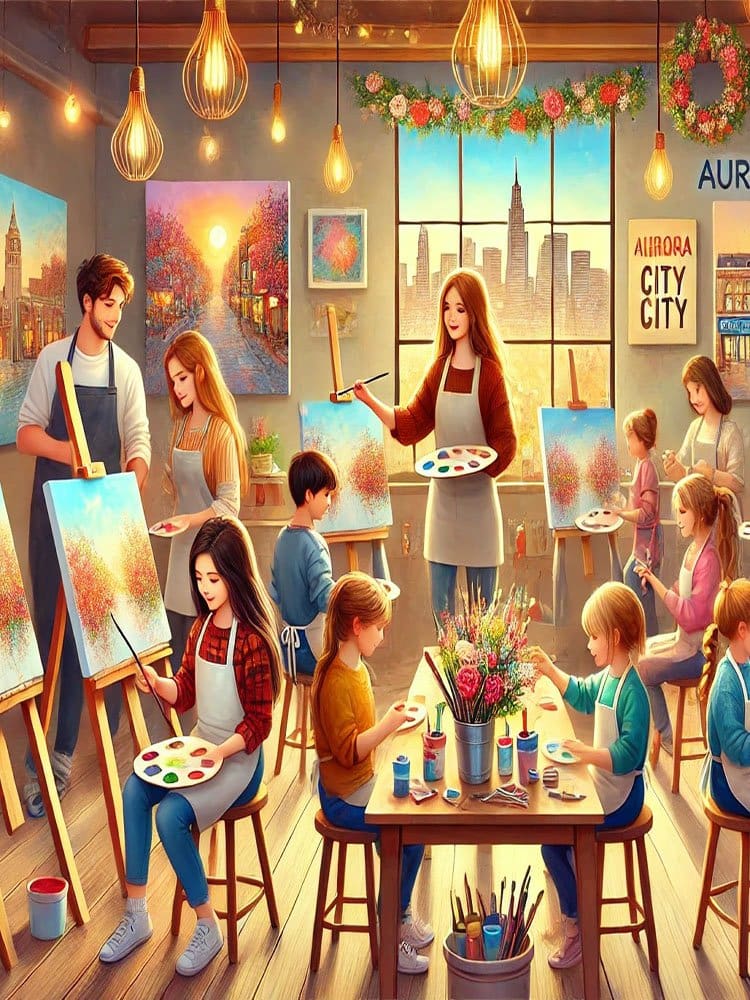
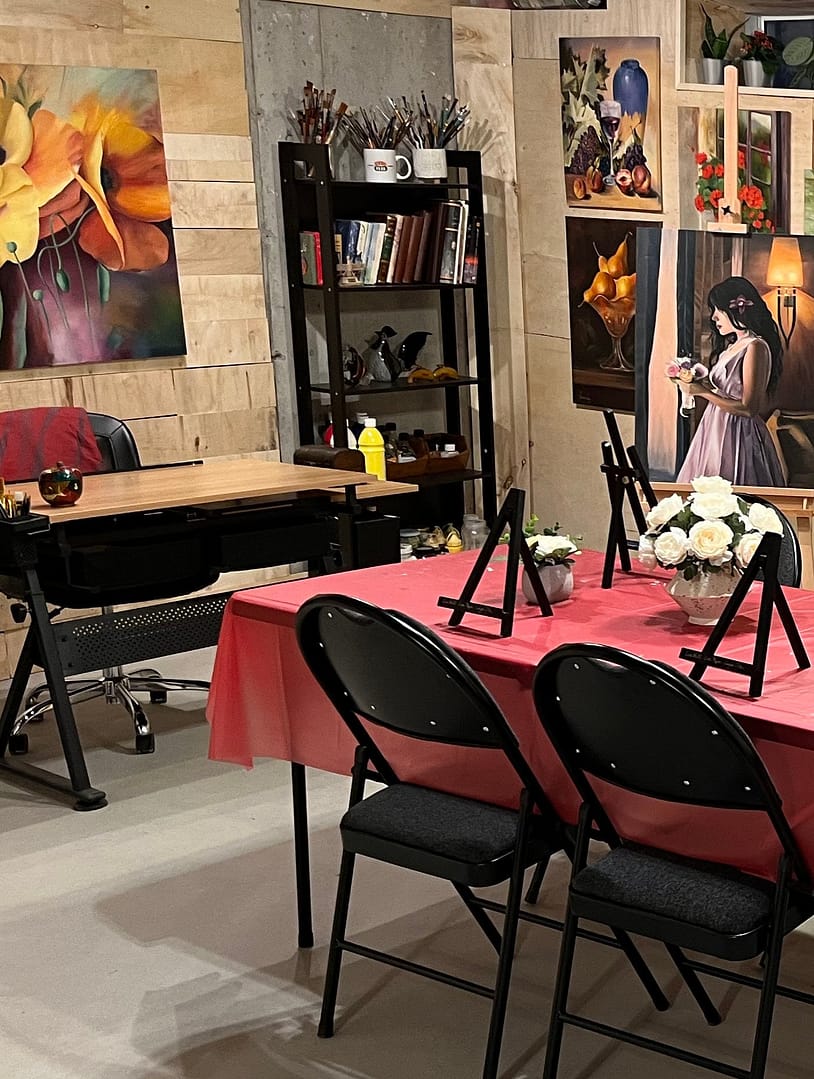
Creativity lies dormant in every soul, waiting for a spark to ignite its brilliance. A Painting Class becomes that spark, a sanctuary where colors, brushes, and imagination converge to awaken what is often hidden beneath routine. With every dip of the brush, the mind unlocks a fragment of possibility. What once felt unattainable suddenly feels natural. The act of creation dissolves fear, offering liberation from perfectionism. A blank canvas transforms into an invitation, and each stroke becomes a declaration of courage. In this environment, creativity is not demanded—it is gently coaxed, nurtured, and celebrated.

Colors have a unique language that allows artists to express feelings without words. In a Painting Class, students explore how colors influence emotions and shape artistic expression.
Warm colors, such as red, orange, and yellow, can create feelings of energy and excitement. Cool colors, including blue, green, and violet, often suggest calmness and relaxation. Students learn how to combine these shades to create different moods and visual effects.
Through practical exercises, beginners discover the importance of color harmony, contrast, and subtle transitions. They experiment with mixing pigments and creating new shades. These activities help them understand how color choices affect the overall appearance of a painting.
Learning about color also encourages students to observe their surroundings more carefully. A sunset, a garden, or a simple everyday object can become a source of artistic inspiration. With regular practice, students develop a stronger sense of color and begin making more confident creative decisions.
At Fania Art Gallery in Aurora, students can explore color through guided painting activities. Each lesson offers opportunities to experiment, develop personal preferences, and discover new ways to communicate visually.

Strong technical skills help artists turn creative ideas into finished paintings. A structured Painting Class introduces essential techniques and provides opportunities to practise them with guidance.
Students begin by learning how to handle brushes and control paint. They explore different brush sizes, strokes, and painting tools. These basic skills help beginners feel more comfortable working with various materials.
Blending is another important technique. Students learn how to create smooth transitions between colors and produce realistic effects. They also practise layering, which adds depth, texture, and detail to their artwork.
Composition plays an equally important role in painting. Students discover how to arrange shapes, colors, and objects to create balanced images. They learn about focal points, proportions, and the use of negative space.
Practical exercises allow students to apply these techniques to their own projects. Instructors can offer feedback and suggest ways to improve each painting. This process helps students identify their strengths and work on areas that need development.
At Fania Art Gallery, beginners and experienced artists can build their skills through guided practice. Each lesson provides a chance to develop technique, explore new materials, and create artwork with greater confidence.

A Painting Class offers more than an opportunity to learn artistic techniques. It can also provide a peaceful space for relaxation and self-expression.
Painting encourages people to slow down and focus on the present moment. Choosing colors, mixing paint, and creating brushstrokes can become enjoyable activities. This creative process may help students take a break from everyday pressures.
Many people find that artistic activities help them express feelings that are difficult to communicate. A canvas offers a personal space for exploring emotions, memories, and ideas. Students can experiment freely without worrying about producing perfect results.
A welcoming classroom can also make the experience more enjoyable. Learning alongside others creates opportunities to share ideas and celebrate creative progress. Each completed painting offers a sense of accomplishment.
At Fania Art Gallery in Aurora, students can enjoy a supportive environment while exploring their creativity. Whether you are a beginner or an experienced artist, painting provides an opportunity to relax and discover new interests.
Joining a class can also help you establish a regular creative routine. With consistent practice, painting can become a rewarding part of your lifestyle.

Art brings people together through creativity, shared experiences, and self-expression. A Painting Class creates opportunities to meet others while developing artistic skills.
Students from different backgrounds can participate in the same creative activities. Each person brings unique experiences, ideas, and perspectives to the classroom. These differences make group learning more interesting and inspiring.
Watching other students work can introduce new artistic approaches. Someone might discover an unfamiliar color combination or a different way to apply paint. Sharing ideas encourages everyone to explore possibilities beyond their usual techniques.
Group discussions also help students communicate about their artwork. They can exchange constructive feedback, ask questions, and celebrate each other’s progress. These interactions can make learning more enjoyable and rewarding.
A supportive classroom environment is especially helpful for beginners. Students can practise new techniques without feeling pressured to achieve immediate perfection. Encouragement from instructors and classmates can help them remain motivated.
At Fania Art Gallery in Aurora, students have opportunities to learn, create, and connect through art. Whether you attend alone or with a friend, each session can become a meaningful shared experience.
Discover the joy of learning alongside other creative individuals. Enrol in a painting class and start building new artistic connections.

Creativity grows when artists have the freedom to explore new ideas. A Painting Class encourages students to experiment with different techniques, materials, and artistic styles.
Beginners often start by following instructions and practising fundamental skills. As their confidence increases, they can begin making more independent creative choices. Experimentation helps students discover which approaches suit their interests.
Trying unusual color combinations can produce unexpected visual effects. Students may also explore abstract shapes, expressive brushstrokes, and different textures. These activities encourage curiosity and independent thinking.
Mistakes can become valuable learning opportunities. An unexpected brushstroke might inspire a completely new composition. An unfamiliar technique could reveal an interesting artistic possibility.
Instructors can guide students through creative exercises while encouraging personal interpretation. This balance allows students to learn essential techniques without limiting their imagination. Each project becomes an opportunity to explore and develop new skills.
At Fania Art Gallery in Aurora, students can discover different approaches to painting in a welcoming learning environment. They can practise familiar methods and gradually explore more experimental styles.
A willingness to experiment can make every painting session more rewarding. It also helps students develop flexibility and confidence in their creative decisions.
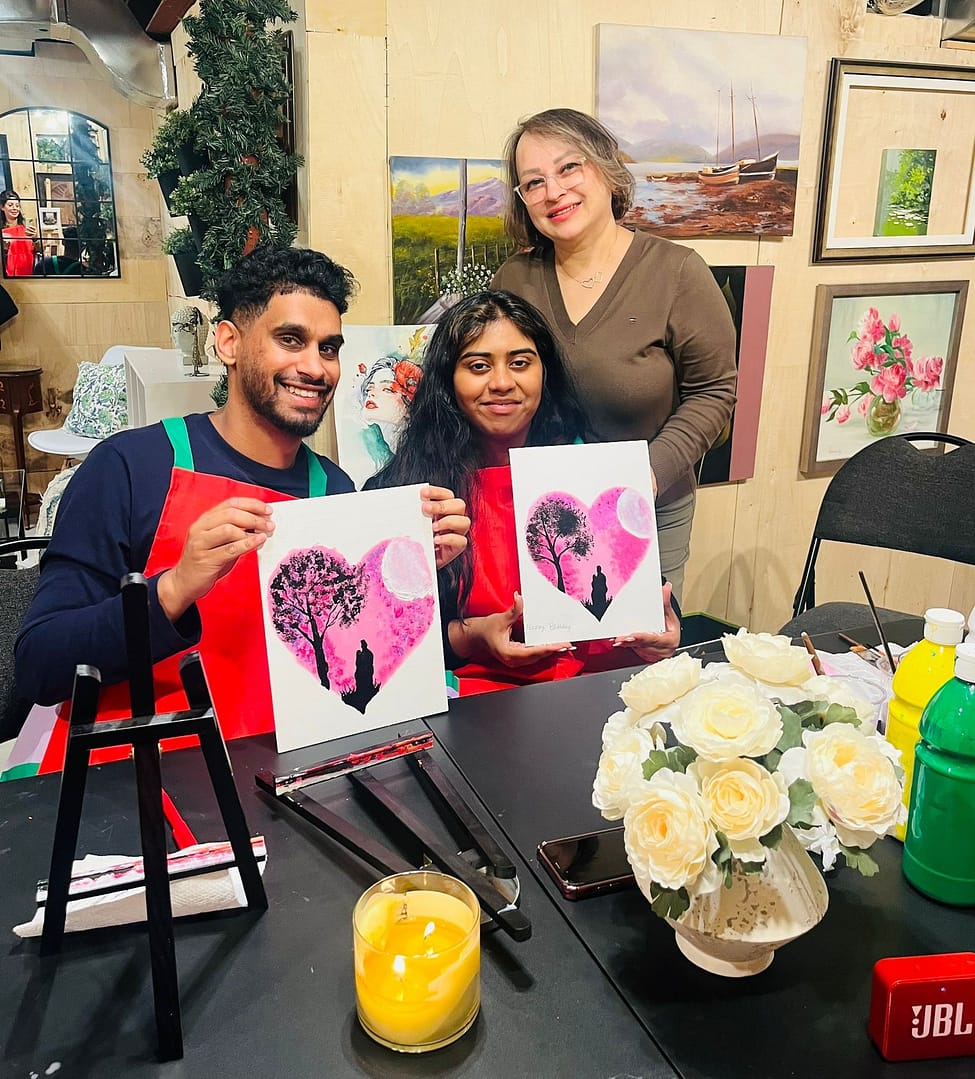
Every artist develops a personal approach to creating artwork. A Painting Class gives students the guidance and practice needed to discover their individual artistic style.
Beginners often start by learning from instructors and studying different artists. They practise fundamental techniques and explore various painting methods. These experiences provide a foundation for future creative development.
With regular practice, students begin recognizing their artistic preferences. Some enjoy bold colors and expressive brushstrokes. Others prefer delicate details, realistic subjects, or simple compositions.
Experimenting with different styles helps students understand their strengths. They can explore watercolor, acrylic, oil painting, or other creative approaches. Each new experience offers another opportunity to discover personal interests.
Constructive feedback can also support artistic growth. Instructors can identify areas for improvement and suggest useful exercises. Students can then apply these suggestions to their next projects.
Over time, repeated practice helps artists make more independent decisions. They become more comfortable choosing subjects, selecting colors, and developing compositions. Their artwork gradually reflects their unique perspective.
At Fania Art Gallery in Aurora, students can strengthen their skills while exploring their creative identities. Whether you are just starting or have previous experience, every painting offers another opportunity to grow.
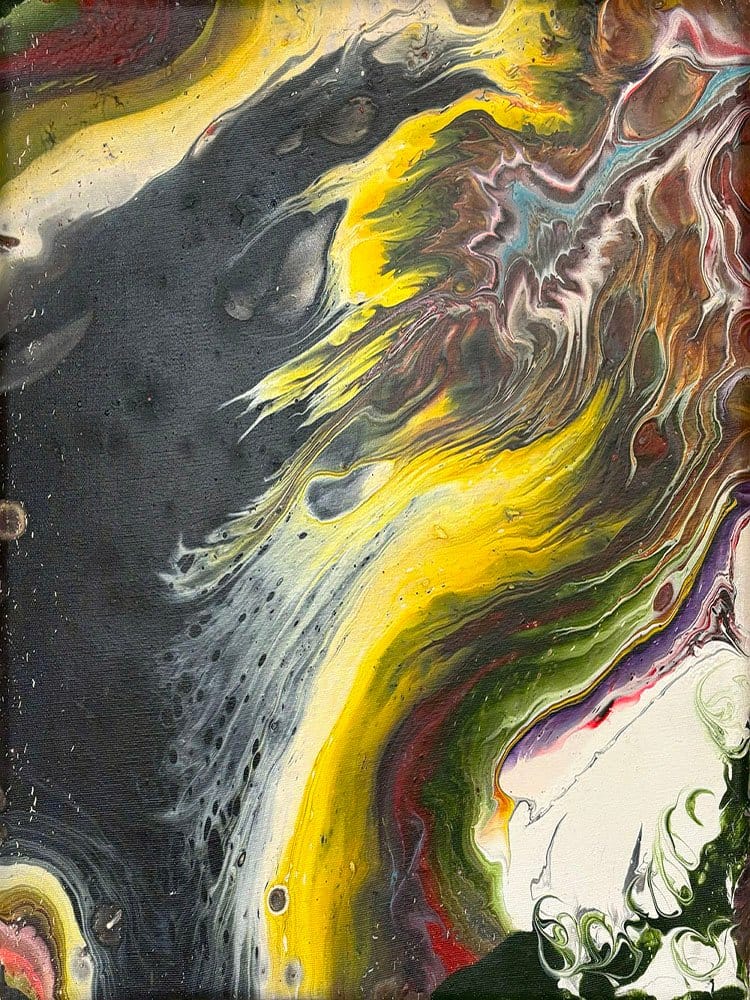
Inspiration can come from almost anywhere. A Painting Class helps students recognize everyday details and transform them into creative ideas.
Nature is a wonderful source of artistic inspiration. Flowers, trees, landscapes, and changing seasons offer endless opportunities for painting. Students can explore the colors, shapes, and textures found in their surroundings.
Everyday experiences can also inspire original artwork. A favorite memory, a meaningful object, or a special moment can become the subject of a painting. These personal connections often make creative projects more engaging.
Art instructors can introduce exercises that encourage observation and imagination. Students might paint while listening to music or create artwork inspired by poetry. They can also experiment with abstract compositions based on feelings or memories.
Keeping a sketchbook is another useful way to collect ideas. Students can record interesting shapes, color combinations, and possible painting subjects. These notes can become valuable references for future projects.
At Fania Art Gallery in Aurora, guided activities can help students explore different sources of inspiration. Each session offers opportunities to discover new ideas and develop personal interpretations.
You do not need extraordinary experiences to create meaningful artwork. Sometimes, the most interesting paintings begin with something simple. Learning to observe the world creatively can make everyday life more inspiring.
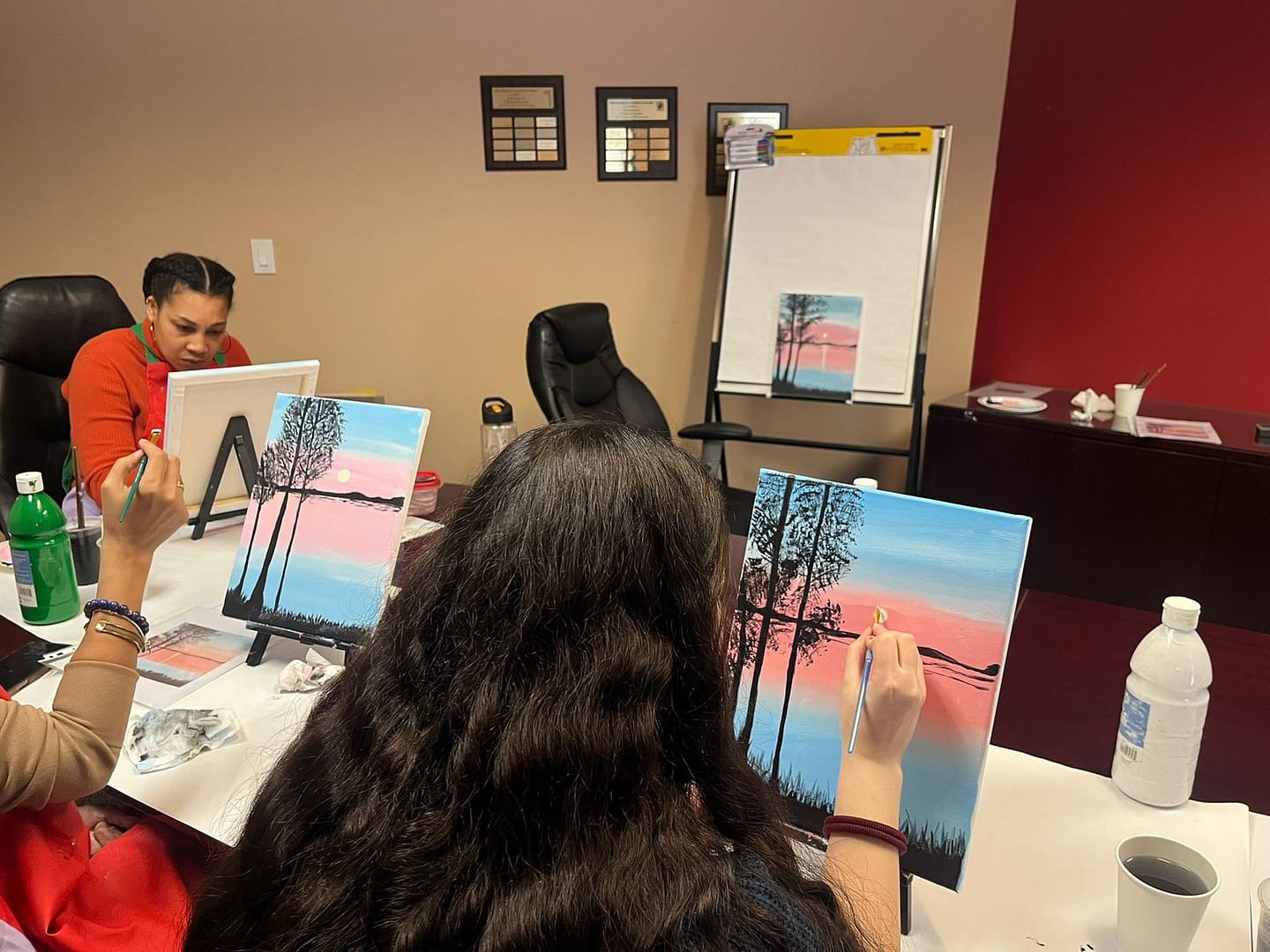
Learning to paint can be an exciting journey of discovery. A Painting Class helps students develop artistic skills while building confidence through practice and achievement.
Many beginners feel uncertain when they first approach a blank canvas. They may worry about making mistakes or producing artwork that does not match their expectations. These feelings are common when learning something new.
A supportive learning environment can make the first steps easier. Instructors introduce techniques gradually and explain each stage of the creative process. Students can practise at their own pace and ask questions whenever necessary.
Completing small projects provides opportunities to recognize personal progress. Each finished painting represents time, effort, and new skills. Over time, these achievements can encourage students to take on more challenging projects.
Constructive feedback also helps students understand their development. They can learn which techniques work well and identify areas for improvement. This process encourages a positive attitude toward learning.
At Fania Art Gallery in Aurora, students can explore painting in a welcoming environment. Guided lessons and regular practice help beginners become more comfortable with artistic materials and techniques.
Confidence often grows through consistent effort rather than immediate perfection. Every brushstroke offers another chance to learn, experiment, and improve.
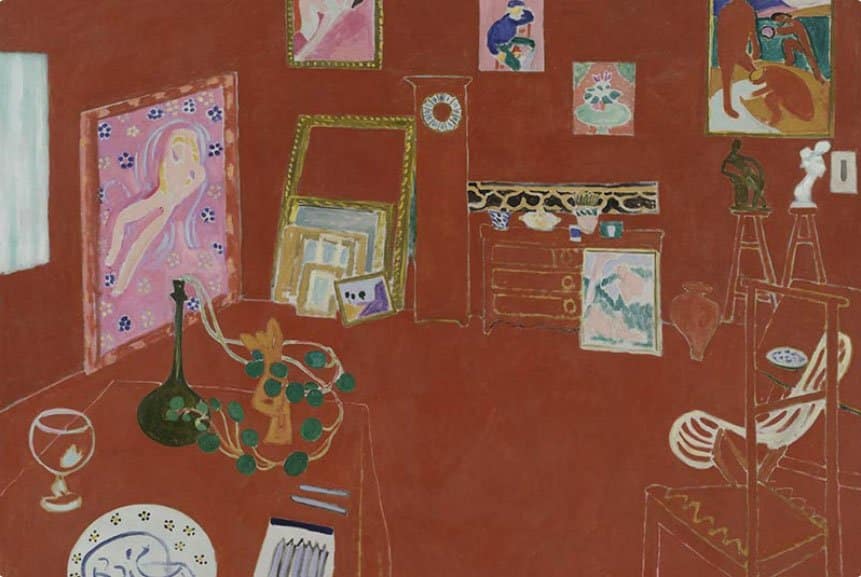
For many people, painting begins as a simple hobby. Over time, a Painting Class can become the starting point for a deeper artistic journey.
Regular practice helps students strengthen their technical abilities. They can gradually explore advanced techniques, more complex compositions, and different artistic styles. Each new project offers opportunities to expand their experience.
Some students choose to develop painting as a long-term personal interest. They may create artwork for their homes, prepare thoughtful handmade gifts, or participate in local art events. Others might explore opportunities to exhibit or sell their paintings.
A strong foundation can also support further artistic education. Students who wish to pursue professional goals may benefit from additional courses and independent practice. Building a portfolio can help them document their progress and showcase their abilities.
Beyond technical skills, painting encourages patience, discipline, and creative problem-solving. These qualities develop through the process of planning, experimenting, and completing artwork. The experience can also provide a meaningful way to spend leisure time.
At Fania Art Gallery in Aurora, students can begin exploring their artistic interests through guided lessons. Whether painting is a new hobby or a long-term ambition, each class can contribute to continued development.
Your artistic journey does not need a fixed destination. Every project can open the door to new interests, techniques, and creative possibilities.
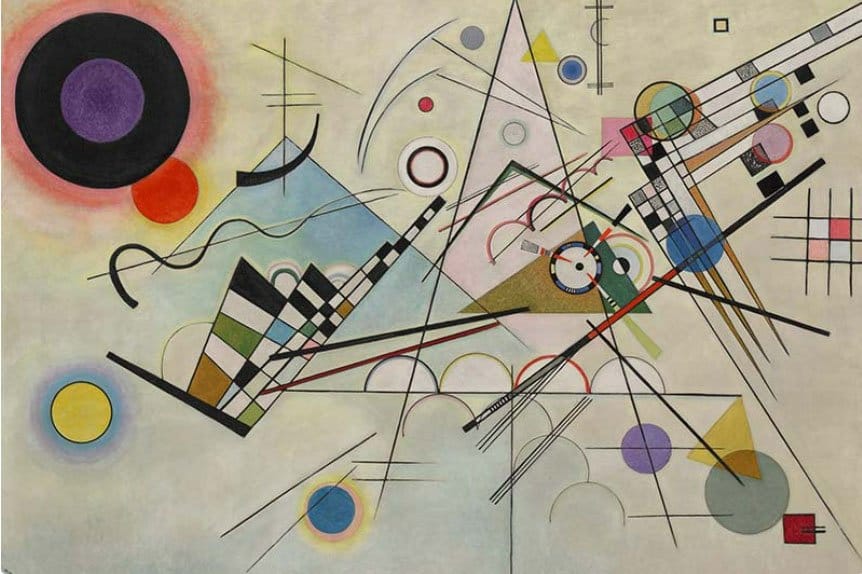
Painting connects generations of artists through techniques, ideas, and creative discoveries. A Painting Class introduces students to traditional methods while encouraging exploration of modern artistic approaches.
Classical painting techniques provide an important foundation for learning. Students can explore composition, perspective, shading, and color theory. These principles have influenced artists across different periods and artistic movements.
Studying traditional methods also helps students understand how paintings are constructed. They can practise realistic drawing, controlled brushwork, and careful color application. These skills provide useful tools for developing their own artwork.
Modern approaches offer additional opportunities for creative exploration. Students might experiment with abstract compositions, unconventional materials, or mixed-media techniques. Digital tools can also provide new ways to plan and develop artistic ideas.
Combining traditional knowledge with contemporary experimentation can produce interesting results. For example, a student might use classical composition principles in a modern abstract painting. Another might combine traditional brushwork with unusual textures.
At Fania Art Gallery in Aurora, students can explore different artistic techniques while developing their own creative interests. Learning about diverse approaches can help them discover new possibilities for personal expression.
Art continues to evolve as artists explore new materials, technologies, and ideas. Understanding both tradition and innovation gives students a broader foundation for their creative journey.
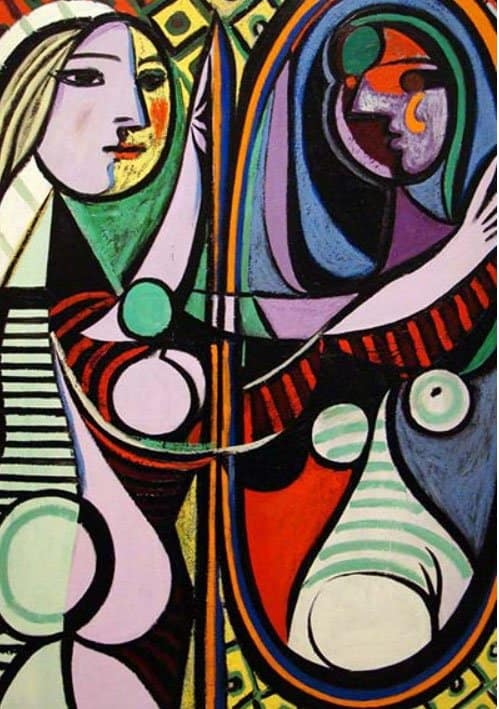
Color is one of the most exciting parts of creating artwork. A Painting Class allows students to explore its beauty while developing their own artistic abilities.
Every color offers different possibilities for creative expression. Bright shades can bring energy to a composition, while softer tones can create a peaceful atmosphere. Learning to combine colors helps students produce paintings with greater depth and visual interest.
Experimenting with paint can also make the learning process enjoyable. Students can mix new shades, test different brushstrokes, and discover unexpected effects. These activities encourage curiosity and provide opportunities for creative discovery.
As students develop their skills, they often become more confident in their artistic decisions. They learn how to select colors, organize compositions, and express their ideas visually. Each completed painting becomes a reminder of their progress.
Painting can also become a meaningful way to spend time with family, friends, or other creative individuals. Shared experiences make learning more enjoyable and create opportunities to celebrate artistic achievements.
At Fania Art Gallery in Aurora, students can discover the joy of painting through guided instruction and hands-on activities. Whether you are a complete beginner or an experienced artist, there is always something new to explore.
Ready to discover your creativity? Join a painting class at Fania Art Gallery and take your first step toward a more colorful artistic journey. Explore your interests, learn new techniques, and create artwork that reflects your unique perspective.
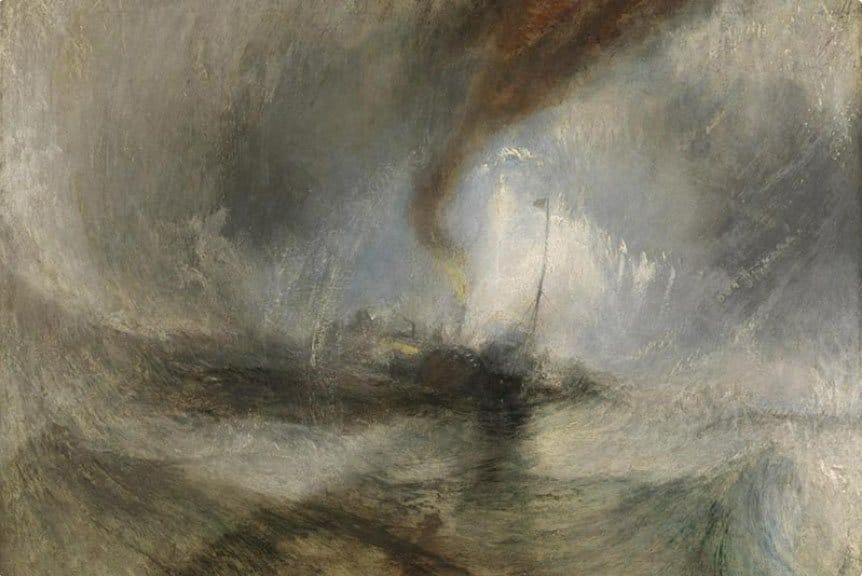
Creativity grows when students explore different ways to express their ideas. A Painting Class introduces learners to various materials, techniques, and artistic possibilities.
Each painting medium offers a unique experience. Watercolor allows artists to create delicate washes and transparent effects. Acrylic paint provides vibrant colors and flexible techniques. Oil painting offers opportunities for rich textures and gradual blending.
Exploring different materials helps students discover their personal preferences. They can experiment with brush sizes, painting surfaces, and application methods. These activities encourage curiosity and help beginners develop practical skills.
Trying new techniques also introduces students to different artistic challenges. They may learn how to create realistic details or develop expressive abstract compositions. Each exercise provides an opportunity to improve their abilities.
At Fania Art Gallery in Aurora, students can explore their creativity through guided painting activities. Instructors can help learners understand different techniques and apply them to their own projects.
Whether you enjoy realistic landscapes or colorful abstract artwork, experimenting with different approaches can make your artistic journey more rewarding. Every new technique offers another way to express your imagination.

Artistic development is a continuous process that offers new opportunities at every stage of life. A Painting Class can help students discover interests and abilities they never knew they had.
For beginners, the first painting can be an exciting introduction to creative expression. Learning basic techniques provides a foundation for exploring more challenging projects. With practice, students can develop their skills and become more comfortable with artistic decisions.
Experienced artists can also benefit from continued learning. Exploring unfamiliar materials, studying new styles, and receiving constructive feedback can introduce fresh perspectives. Every project creates opportunities to refine existing abilities.
Painting can also become a meaningful personal activity. Some people enjoy creating artwork during their free time. Others use painting to explore memories, express emotions, or share their ideas with others.
At Fania Art Gallery in Aurora, students can enjoy an environment that encourages curiosity and artistic growth. Guided instruction and hands-on activities help learners continue developing their creative abilities.
There is no single way to experience art. Every student has a different pace, personal interests, and creative goals. The important part is to remain curious and enjoy the process of learning.
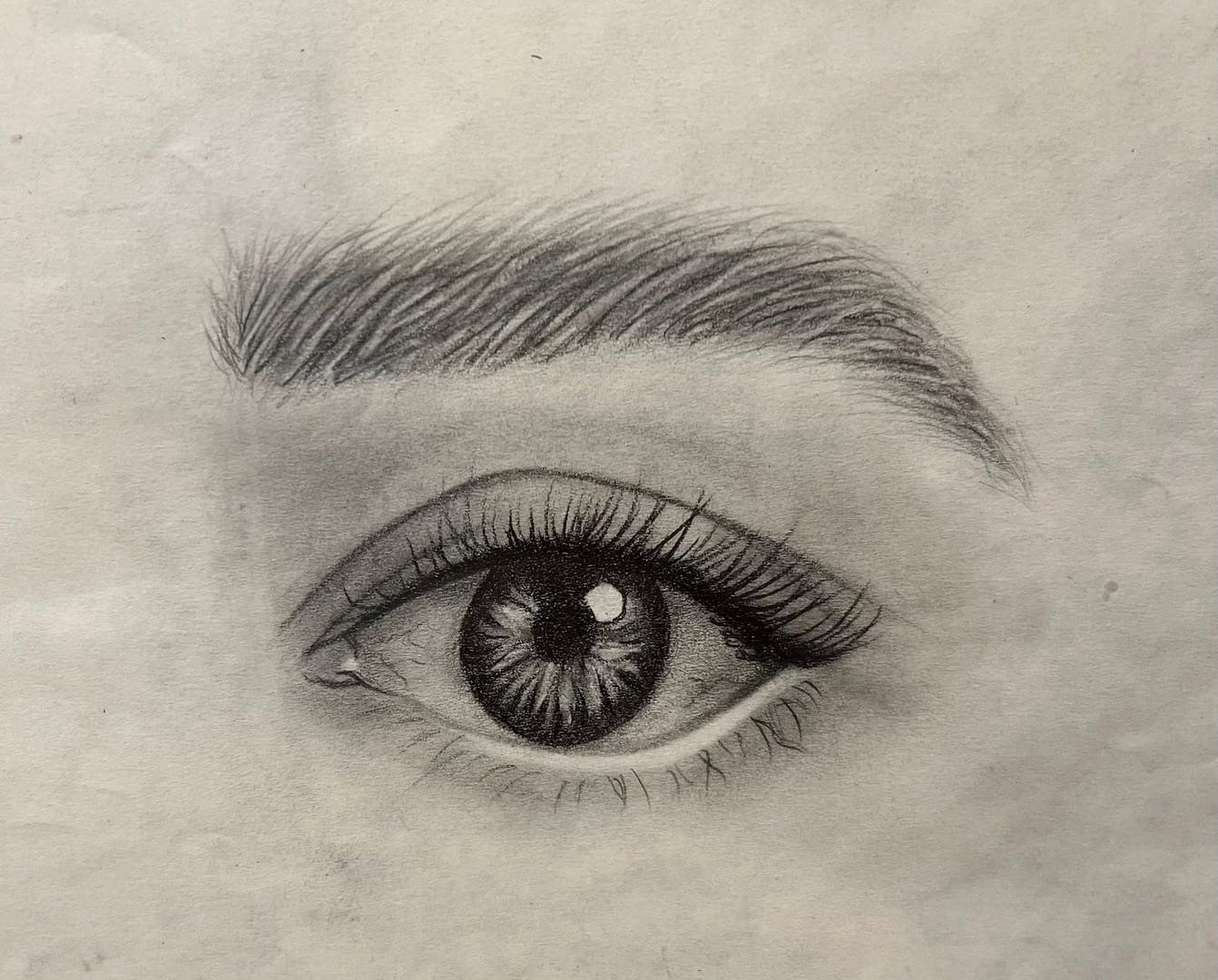
A busy schedule can make it difficult to pursue personal interests. However, setting aside time for creativity can make everyday life more enjoyable. A Painting Class offers a structured opportunity to explore art and develop a rewarding hobby.
Creative activities encourage people to step away from their usual routines. Spending time with colors, brushes, and canvas provides a different kind of experience. Students can focus on their projects and enjoy the satisfaction of creating something original.
Regular painting sessions can also help learners establish consistent creative habits. Even small amounts of practice can support gradual improvement. Students may find that their growing skills encourage them to explore new subjects and techniques.
Painting can fit different lifestyles and personal interests. Some people prefer working on detailed projects, while others enjoy quick sketches and expressive compositions. Choosing enjoyable activities makes it easier to maintain an ongoing creative routine.
At Fania Art Gallery in Aurora, students can make time for their artistic interests while learning alongside others. A welcoming class environment can help beginners feel comfortable and encourage continued participation.
Whether you want to explore a new hobby or strengthen your existing abilities, taking time for creativity can add something meaningful to your week.
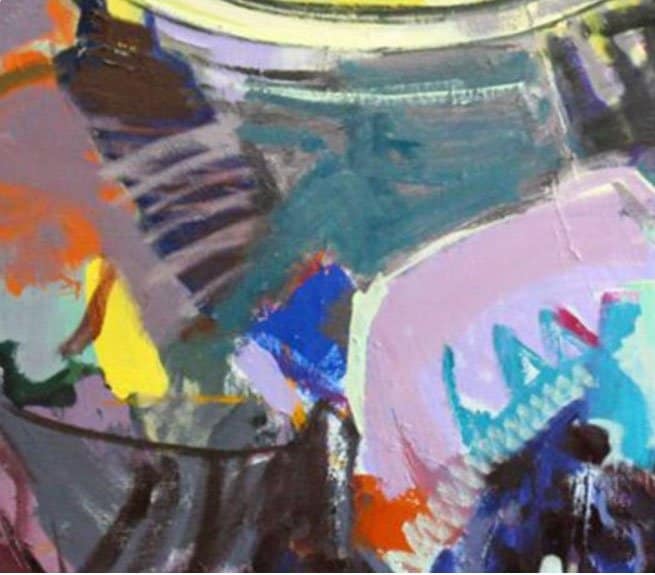
A Painting Class is an opportunity to explore creativity, learn valuable techniques, and discover new ways to express yourself. From understanding color and composition to developing personal artistic styles, every lesson offers something new.
Painting can also provide a welcome break from everyday routines. It encourages experimentation, builds practical skills, and creates opportunities to connect with other creative individuals. Each completed artwork represents a step forward in your artistic journey.
At Fania Art Gallery in Aurora, you can explore painting in a supportive learning environment. Whether you are a beginner or an experienced artist, you can develop your abilities through guided instruction and hands-on practice.
You do not need previous experience to begin. All you need is curiosity, a willingness to learn, and an interest in exploring your creativity.
Ready to get started? Discover painting classes at Fania Art Gallery and take the next step toward your artistic goals. Contact us today to learn more about available classes and start creating your own artwork.