
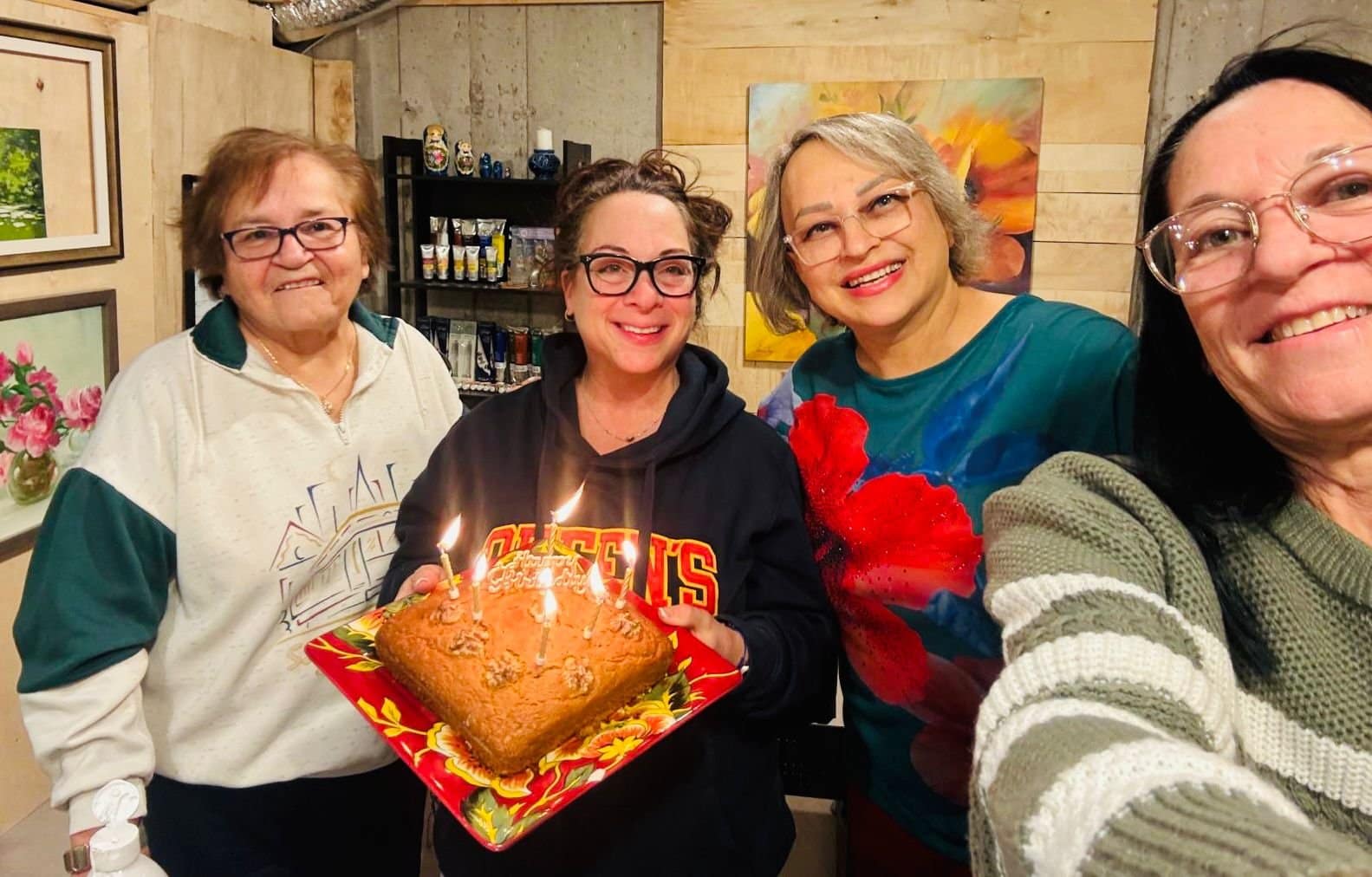
A Painting Class offers more than just an opportunity to learn artistic techniques; it provides a transformative experience for people with disabilities, offering a space for creative expression, emotional healing, and personal growth. For individuals who may face physical, cognitive, or emotional challenges, art can become a powerful medium through which they communicate and connect with the world around them.
Engaging in a painting class allows individuals to break free from the constraints of daily challenges, using color, texture, and form as tools to express their thoughts, emotions, and experiences. For many, the act of painting can be incredibly therapeutic, offering an outlet for stress relief and emotional release. The tactile nature of art-making—whether through brushstrokes or mixed media—also enhances fine motor skills, providing physical benefits in addition to the psychological ones.
Furthermore, a painting class fosters a sense of belonging and community. It allows individuals with disabilities to engage with others in a supportive, non-judgmental environment, where everyone’s artistic journey is celebrated. This shared experience builds confidence and a sense of accomplishment, as students gain a deeper understanding of their abilities and potential.
By offering adaptive tools and personalized instruction, a painting class can be tailored to meet the unique needs of each student. Whether it’s providing assistive technology for those with limited mobility or incorporating visual cues for those with cognitive challenges, such classes ensure that all students have an equal opportunity to thrive in their artistic endeavors. In the end, the impact of such classes extends far beyond the canvas, enriching the lives of individuals in profound ways.

Art is a powerful way to express emotions, explore ideas, and discover personal creativity. For people with disabilities, an inclusive painting class can offer opportunities to develop artistic skills and build confidence. It can also provide a welcoming environment where everyone can participate at their own pace.
Painting does not require everyone to follow the same process. With adaptive tools, flexible teaching methods, and individual guidance, students can explore art in ways that suit their abilities and interests. Each person can experiment with colors, textures, and techniques while developing their own artistic style.
At Fania Art Gallery, we believe that creativity should be accessible to everyone. Inclusive art education can encourage self-expression, social connection, and personal development. Whether students are beginners or have previous artistic experience, a supportive learning environment can help them enjoy the creative process.
This article explores the benefits of inclusive painting classes, the importance of accessibility, and how adaptive approaches can help people with disabilities discover their artistic potential.
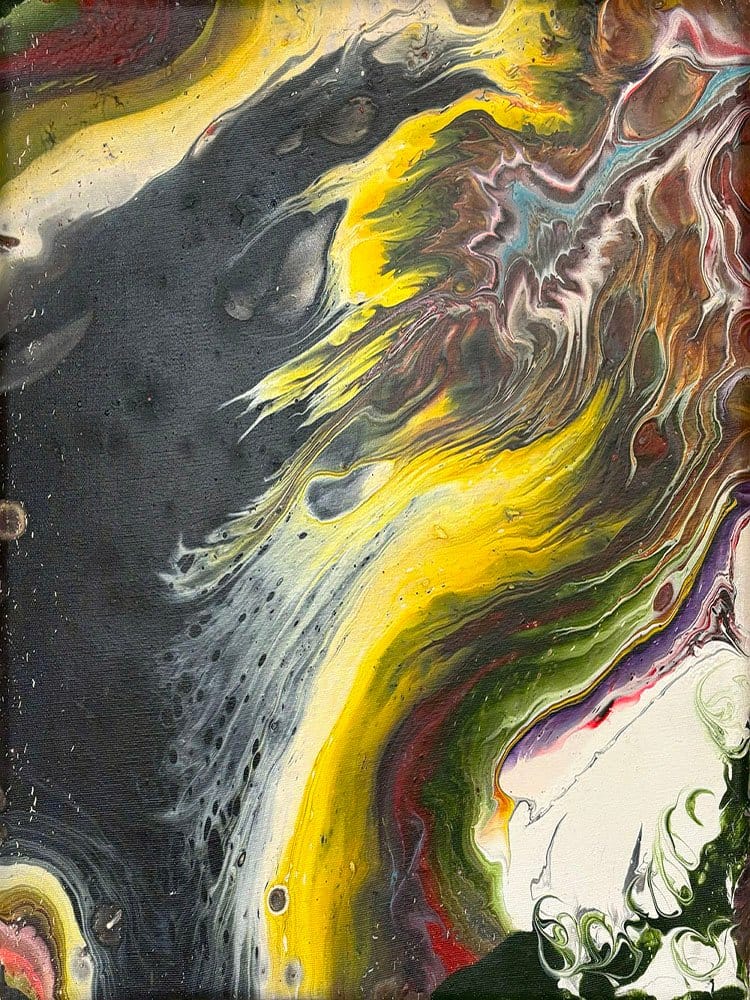
A painting class for people with disabilities is more than an artistic experience. It offers opportunities to explore creativity, communicate ideas, and express personal emotions. Art can provide an alternative form of communication for students who find verbal expression challenging.
Colors, shapes, and textures can help students share their experiences in unique ways. Through painting, participants can tell personal stories, explore their imagination, and express feelings that may be difficult to describe with words. Each artwork becomes a reflection of the artist’s individual perspective.
Creative activities may also support emotional well-being. Painting can provide a calming experience and an opportunity to focus on an enjoyable task. Completing an artwork can give students a sense of accomplishment and encourage a positive view of their abilities.
Artistic learning also involves patience, perseverance, and problem-solving. Students can practice these skills while experimenting with different materials and techniques. As they gain experience, they may become more comfortable making decisions and exploring new ideas.
An inclusive painting class can create a space where every student feels valued. By encouraging personal expression and recognizing individual progress, instructors can support both artistic learning and personal growth.

An effective painting class for people with disabilities should recognize that every student has individual needs, interests, and abilities. Flexible teaching methods help make art activities more accessible and enjoyable.
For students with limited mobility, adaptive equipment can make painting easier. Specialized brushes, ergonomic palettes, large-grip handles, and adjustable supports may help reduce physical strain. These tools can allow students to participate more comfortably and maintain greater control over their artwork.
Students with cognitive disabilities may benefit from clear instructions and structured activities. Visual demonstrations, simple explanations, and step-by-step guidance can make new techniques easier to understand. Breaking complex activities into smaller steps can also help students work at a comfortable pace.
Instructors can offer additional time and adjust activities according to each student’s preferences. Some participants may enjoy guided exercises, while others may prefer more freedom to experiment. Providing different ways to approach a project allows students to discover methods that work for them.
Personalized support helps create a welcoming learning environment. When instructors adapt their teaching and provide appropriate materials, students can explore their creativity and work toward their own artistic goals.
Inclusivity is an essential part of an accessible painting class. Every student should have the opportunity to participate, learn, and express themselves regardless of ability. A welcoming classroom can help participants feel respected, supported, and connected to others.
Inclusive teaching involves recognizing different learning styles and adapting activities accordingly. Some students may benefit from visual instructions, while others may need hands-on demonstrations or additional assistance. Flexible lesson plans can make it easier for everyone to engage in creative activities.
Accessible materials and classroom arrangements also contribute to inclusion. Adjustable work surfaces, suitable seating, and adaptive painting tools can help remove barriers to participation. Instructors can discuss individual needs with students and families to identify appropriate accommodations.
An inclusive painting class should also encourage freedom of expression. Students should feel comfortable experimenting with different materials and creating artwork that reflects their own interests. The focus should be on learning, creativity, and personal progress rather than comparing students with one another.
Inclusive art activities can also encourage understanding and acceptance within the wider community. When students share their creative work, they have opportunities to celebrate their abilities and connect with people who appreciate their artistic perspectives.
A painting class can offer an enjoyable way for people with disabilities to explore emotions and engage in creative activities. The process of making art may help students relax, focus, and express themselves in a supportive environment.
Painting can provide an outlet for feelings that may be difficult to communicate verbally. Choosing colors, creating shapes, and working with different textures can encourage personal expression. Students can explore their thoughts and experiences through their artwork without needing to follow a particular format.
Creative activities may also support emotional regulation and mindfulness. Concentrating on a painting can help students become more aware of the present moment. Completing a project may offer a sense of satisfaction and encourage further participation in artistic activities.
Painting can also involve fine motor skills and hand-eye coordination. Using brushes, mixing colors, and working with different materials provides opportunities to practice controlled movements. The type of activity and its physical demands should be adapted to each student’s needs.
Although art-making can be personally meaningful and supportive, a regular painting class is not a replacement for professional therapy. Students seeking clinical art therapy should consult a qualified provider.
With appropriate guidance and accessible materials, an inclusive painting class can provide an enjoyable creative experience that supports artistic, emotional, and personal development.
A painting class can provide opportunities to practice important cognitive skills. Creating artwork involves attention, planning, decision-making, and problem-solving. These activities encourage students to think creatively and explore different ways to approach a project.
Choosing colors, arranging shapes, and deciding where to apply paint require students to make decisions throughout the creative process. Instructors can introduce simple activities that encourage students to observe details and follow a sequence of steps.
For students who benefit from additional structure, visual examples and guided demonstrations can make activities easier to follow. Teachers can also adjust the complexity of each project to match individual interests and learning preferences.
Painting encourages experimentation and learning through practice. Students may discover that a particular color combination or technique produces an unexpected result. They can then make adjustments and try different approaches to achieve their desired effect.
Activities involving shapes, patterns, and spatial arrangements can also encourage visual exploration. As students develop their artistic skills, they have opportunities to practice concentration, flexible thinking, and creative decision-making.
An accessible painting class can make these experiences enjoyable by offering a supportive environment where students have time to explore, learn, and express their ideas.

A painting class can provide a welcoming setting for people with disabilities to connect with others through shared creative activities. Students have opportunities to communicate, exchange ideas, and enjoy the experience of making art together.
Working alongside other participants can encourage conversation and cooperation. Students may discuss their favorite colors, share painting materials, or explain the inspiration behind their artwork. These interactions can help participants become more comfortable sharing their interests and ideas.
Group projects offer additional opportunities for collaboration. Students can contribute different artistic elements to a shared painting or participate in a themed activity. With suitable guidance, these projects can encourage teamwork and mutual appreciation.
A supportive classroom environment can also help students build friendships. Celebrating each other’s achievements and respecting different artistic approaches can strengthen the sense of community among participants.
Instructors can encourage social interaction by creating activities that allow everyone to participate in a meaningful way. They should also respect students who prefer individual work or need quieter spaces.
An inclusive painting class can offer more than artistic instruction. It can create opportunities for people to share experiences, develop social connections, and enjoy being part of a creative community.

Adaptive tools and accessible technologies can make a painting class more flexible and inclusive. The right equipment can help students participate in creative activities while accommodating different physical and learning needs.
For students with limited hand mobility or dexterity, large-grip brushes and ergonomic handles may provide a more comfortable way to hold painting tools. Adjustable easels and stable work surfaces can also help students position their materials appropriately.
Other useful adaptations may include non-slip palettes, accessible seating, and lightweight painting materials. Instructors can explore different equipment options with students to find tools that support their preferred way of working.
Digital art offers another creative possibility. Touch-screen devices, stylus pens, and accessible drawing applications can provide alternative ways to experiment with colors and shapes. Students who find traditional painting materials difficult to use may enjoy exploring digital techniques.
The best choice of equipment depends on each individual. Some students may prefer traditional brushes, while others may benefit from digital tools or alternative painting methods. Offering different options allows participants to discover what works for them.
By incorporating adaptive tools and technologies, an inclusive painting class can offer a wider range of creative opportunities and help students participate with greater comfort and independence.

Creating artwork can give students a sense of pride and accomplishment. An inclusive painting class offers opportunities for people with disabilities to recognize their progress, explore personal interests, and develop confidence in their creative abilities.
Every completed painting represents time, effort, and individual artistic choices. Students can look back at their work and recognize how their techniques and ideas have developed. These experiences can encourage them to continue exploring their creativity.
A supportive instructor plays an important role in this process. Positive feedback, patient guidance, and recognition of individual achievements can help students feel comfortable trying unfamiliar techniques. Encouragement should focus on personal progress and creative exploration rather than comparison with others.
Freedom of expression is also important for confidence building. Students should have opportunities to choose colors, experiment with materials, and develop their own artistic styles. There is no single standard that every participant must follow.
Sharing completed artwork can provide another opportunity to celebrate achievements. Students may enjoy displaying their paintings, describing their ideas, or presenting their work to classmates and family members.
Over time, a positive learning experience can help students become more willing to explore new creative challenges. A welcoming painting class can encourage self-expression and support a stronger sense of personal achievement.
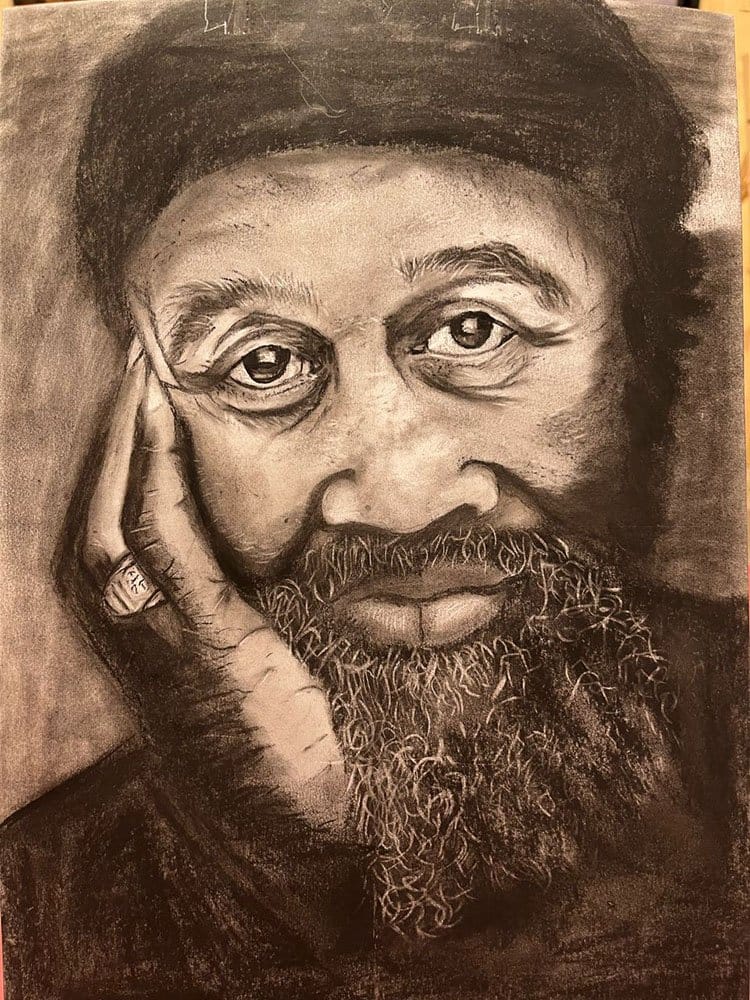
The experience of attending a painting class can extend beyond the classroom. Students may continue exploring art at home, developing their techniques, and discovering new ways to express themselves.
Regular creative activities can help participants build a lasting interest in artistic expression. As students become familiar with different materials and techniques, they may feel more comfortable starting new projects and making independent artistic decisions.
The skills practiced during painting activities can also have value in other creative settings. Planning a project, experimenting with different approaches, and working toward a personal goal are experiences that students can continue to enjoy throughout their lives.
Social connections formed during group activities may also continue beyond the class. Students can share artwork, exchange ideas, and celebrate one another’s creative achievements. These interactions can contribute to a sense of belonging and shared interest.
For some participants, painting may become a meaningful hobby or a regular part of their personal routine. Others may discover new artistic interests or choose to explore additional creative activities.
An inclusive painting class can provide a starting point for continued exploration. By supporting individual interests and celebrating each student’s progress, art education can encourage a lasting connection with creativity.
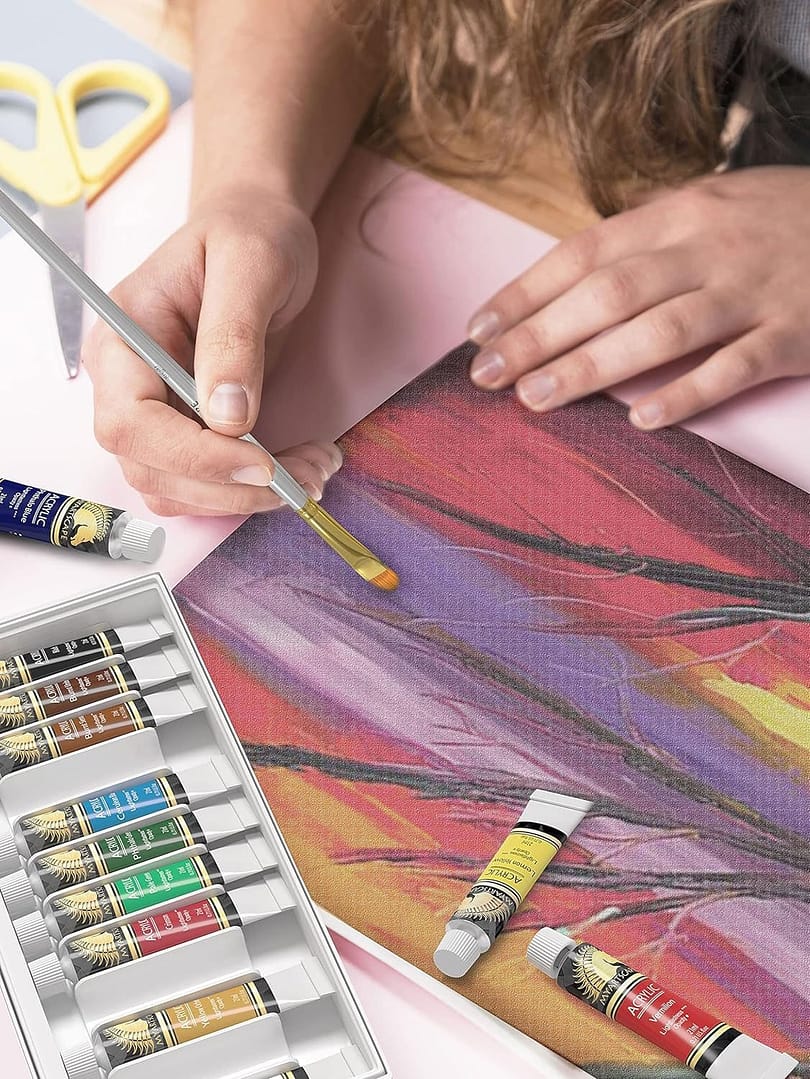
A supportive environment helps people with disabilities feel comfortable exploring their creativity. Every student should have the opportunity to learn in a setting that respects individual needs, encourages participation, and celebrates personal achievements.
A welcoming painting class begins with understanding each participant. Instructors can discuss preferred learning methods, accessibility requirements, and artistic interests before introducing activities. This helps teachers prepare suitable materials and offer appropriate guidance.
Classroom organization is also important. Clear pathways, accessible workstations, adjustable seating, and well-arranged materials can make the space easier to use. Students should have enough room to work comfortably and access the tools they need.
Positive communication can further improve the learning experience. Teachers can offer clear instructions, encourage questions, and provide constructive feedback. Students should feel free to make creative decisions and experiment without worrying about making mistakes.
A supportive environment also respects different levels of participation. Some students may enjoy group activities, while others may prefer working independently. Flexible lessons can accommodate these preferences while maintaining a welcoming atmosphere.
At Fania Art Gallery, we believe that everyone deserves the opportunity to explore their artistic interests. A thoughtful and inclusive classroom can help students feel respected, encouraged, and ready to express themselves.
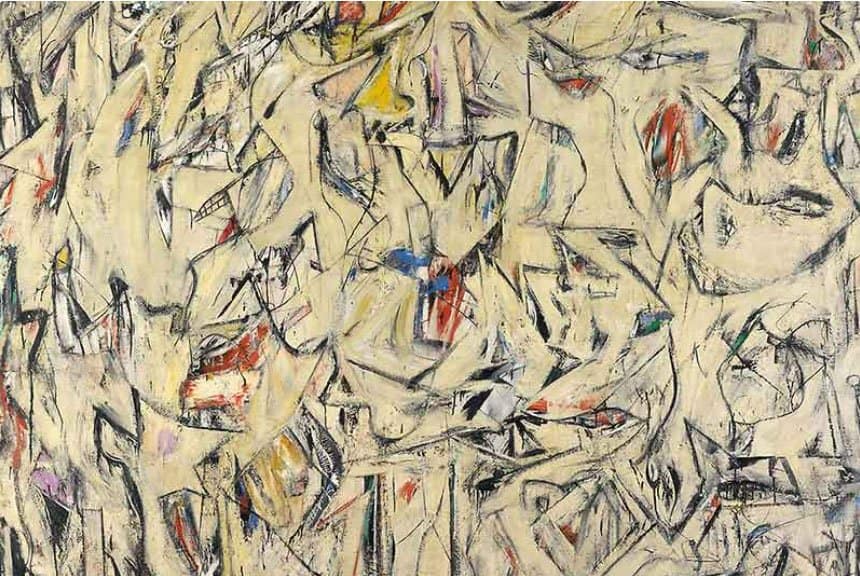
Exploring different techniques allows students to discover new ways of expressing their creativity. An inclusive painting class can introduce a variety of materials, artistic methods, and activities that suit different interests and abilities.
Watercolor painting offers opportunities to experiment with transparency, flowing colors, and gentle transitions. Students can explore how water changes the appearance of paint and creates different effects. Guided exercises can introduce basic techniques in manageable steps.
Acrylic painting provides another way to experiment with vibrant colors and varied textures. Students can practice applying paint with brushes, sponges, or other suitable tools. Instructors can adapt the materials and techniques to meet individual needs.
Mixed-media activities can also encourage creative exploration. Students may combine paint with paper, fabric, or other accessible materials to create unique artwork. These projects can offer different sensory experiences and opportunities to make personal artistic choices.
Digital painting is another option for students who prefer working with electronic devices. Accessible drawing applications and adapted styluses can help participants experiment with colors, shapes, and digital brushes.
The choice of technique should depend on each student’s interests, comfort, and accessibility requirements. Instructors can offer demonstrations and alternative tools to make activities more approachable.
By exploring different methods, students can discover their preferences and develop their own artistic styles. A flexible painting class encourages experimentation and makes room for individual creativity.

Choosing a suitable painting class can help students enjoy a positive and accessible learning experience. Individuals and families can consider several factors before deciding which class meets their needs.
Consider accessibility and available equipment. Ask whether the classroom has accessible workstations, suitable seating, and adaptive painting tools. Students with specific mobility or dexterity needs may benefit from discussing equipment options before attending.
Ask about teaching methods. Different students may benefit from different approaches. Find out whether instructors offer visual demonstrations, step-by-step guidance, flexible activities, or additional learning time.
Discuss individual support needs. Contact the art studio to explain any relevant accessibility requirements. Ask how instructors accommodate different learning preferences and whether additional assistance can be arranged.
Explore the class activities. Consider whether students can experiment with different materials and techniques. A variety of activities may help participants discover their artistic interests and develop their skills.
Understand the learning environment. Ask about class size, group activities, and opportunities for individual work. A welcoming environment should respect different communication styles and levels of participation.
Before enrolling, families and students can contact the studio with their questions. A conversation with the instructor can help clarify expectations and identify suitable accommodations.
Finding a class that supports individual needs can make learning more enjoyable. The right environment gives students opportunities to explore their creativity, develop artistic skills, and celebrate their progress.
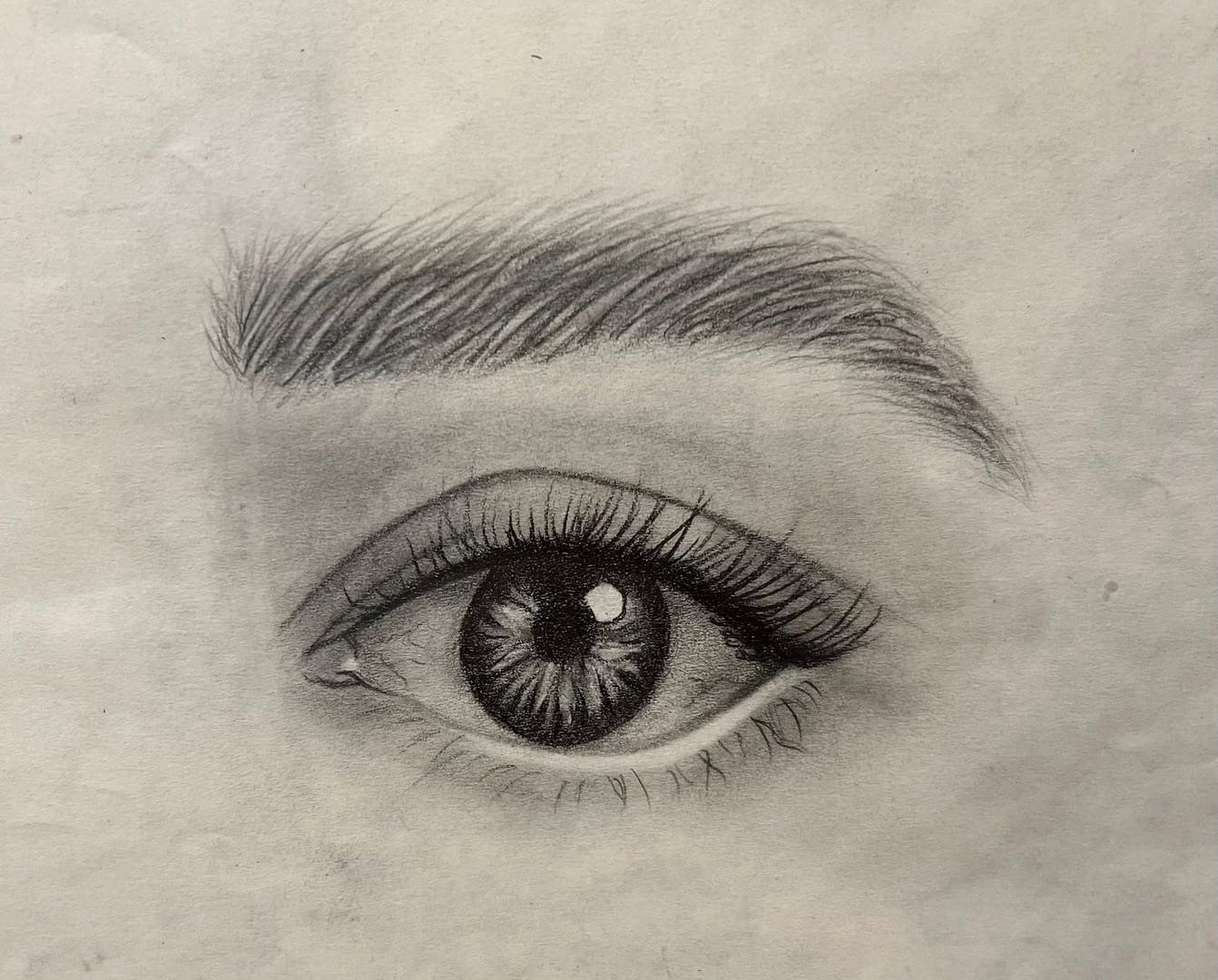
Art can offer people with disabilities meaningful opportunities for self-expression, creativity, and personal development. An inclusive painting class provides a welcoming setting where students can explore different techniques, learn at their own pace, and discover their artistic interests.
Accessible materials, adaptive tools, and flexible teaching methods can help make artistic activities more approachable. With individual guidance and encouragement, students can develop new skills, express their ideas, and celebrate their achievements.
Painting can also create opportunities for social interaction and shared experiences. Students can connect through group activities, exchange creative ideas, and enjoy being part of an artistic community.
At Fania Art Gallery, we believe that creativity belongs to everyone. Our goal is to encourage artistic exploration in a welcoming environment that respects individual interests and needs.
Ready to explore your creativity? Contact Fania Art Gallery to learn more about our painting classes and discuss accessibility requirements. Take the first step toward discovering your artistic potential and enjoying the creative process.