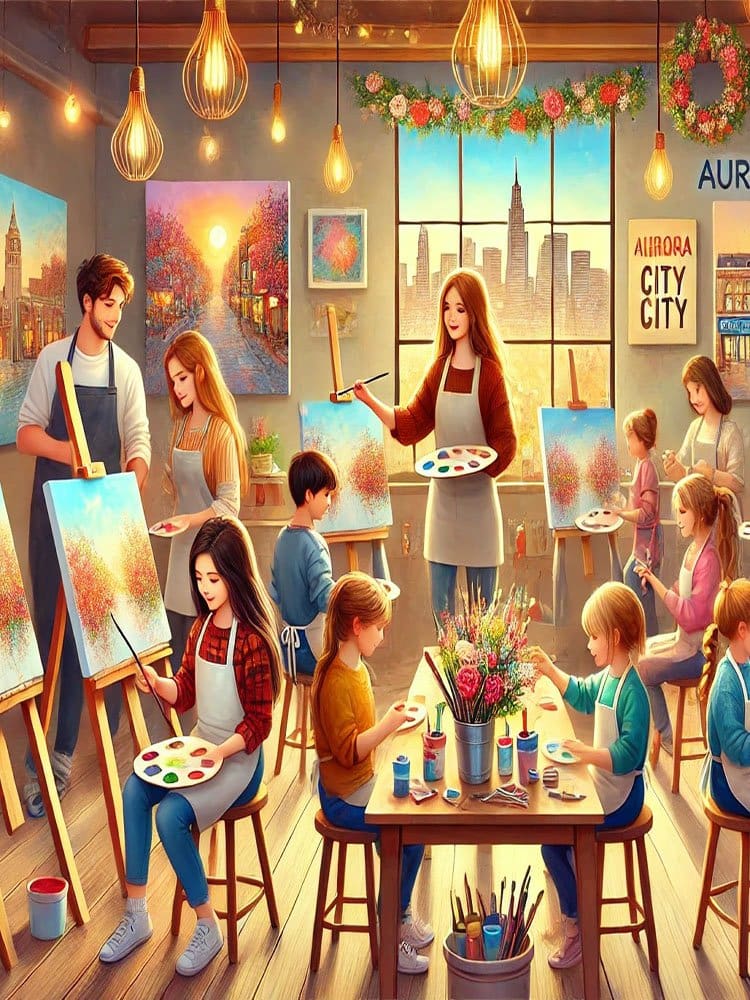

Art has always been more than pigment on canvas. It is a bridge between imagination and manifestation, a sanctuary for the mind, and a stage for self-expression. A Painting Class embodies this transformative journey, where individuals are guided to unlock creative potential and bring dormant visions to vibrant life. Within the gentle hum of brushes against canvas, participants discover not just techniques but also a profound sense of personal liberation.
A Painting Class provides an environment in which creativity flows unrestrained. It is a setting that invites experimentation, embraces mistakes, and values every brushstroke as part of a larger narrative. For many, it is not simply about learning how to paint; it is about finding one’s voice in color and form, learning to communicate ideas that words alone cannot capture.

Modern life often revolves around repetitive routines. Work schedules, digital distractions, family responsibilities, and daily obligations can leave little time for creativity. An art class offers a refreshing opportunity to step away from this cycle and focus on something meaningful.
When students sit in front of a canvas, their attention shifts toward color, shape, texture, and composition. This focused experience can create a welcome break from everyday distractions. Instead of constantly thinking about deadlines and responsibilities, participants can concentrate on the creative process.
Every brushstroke encourages observation and patience. Students begin noticing details that they may normally overlook. They explore how colors interact, how light changes a subject, and how different brush movements affect the final result.
This creative environment can also encourage mindfulness. Painting requires attention to the present moment, allowing students to become more engaged with what they are doing. The experience is not simply about producing a finished artwork. It is also about enjoying the process of discovery.
For beginners, this break from routine can be especially valuable. There is no requirement to create a perfect painting immediately. Students can experiment, make mistakes, try new techniques, and gradually develop their abilities.
An art class therefore becomes more than another activity on a busy schedule. It creates dedicated time for creativity, exploration, and personal expression. By making space for art, participants can introduce variety into their routines while discovering a new way to experience the world around them.

Color is one of the most powerful elements of visual art. It can influence atmosphere, create contrast, establish focus, and communicate emotion without using words. Learning how to work with color is therefore an important part of developing artistic skills.
In a structured painting lesson, students explore how different colors interact with one another. They learn about warm and cool colors, complementary combinations, shades, tones, highlights, and contrast. These concepts help artists make more intentional decisions when developing an artwork.
Color can also influence how viewers experience a painting. Warm colors may create energy and visual intensity, while cooler combinations can contribute to a calmer atmosphere. However, the meaning of color is not universal. Cultural background, personal experience, and artistic context can all influence how a particular color is perceived.
Students can experiment with these possibilities instead of simply following fixed rules. They might use unexpected color combinations to create a unique mood or emphasize a particular area of the composition.
Learning color theory also improves confidence. Beginners often choose colors based only on instinct. With practice, they begin understanding why certain combinations work and how small adjustments can change the appearance of an entire painting.
The result is a more thoughtful approach to visual communication. Each color becomes part of the composition rather than an isolated choice. Over time, students develop a personal understanding of color and begin using it to express their own ideas, emotions, and artistic style.

Creativity becomes easier to express when artists have the technical skills to support their ideas. Learning basic techniques gives students greater control over what they want to create.
A structured art program can introduce essential skills such as brush control, color mixing, composition, perspective, light, shadow, texture, and layering. These foundations help beginners understand how an idea can be transformed from an initial concept into a finished artwork.
However, technique should not limit creativity. The purpose of learning artistic fundamentals is to give students more freedom, not to force every painting into the same style.
Once students understand the basics, they can experiment with different approaches. They may combine techniques, simplify shapes, change proportions, explore unusual color palettes, or develop their own visual language.
This balance between structure and freedom is particularly important for beginners. Without guidance, they may feel frustrated when the result does not match their expectations. With the right instruction, mistakes become opportunities to learn.
As technical ability improves, imagination can become more ambitious. Students can attempt subjects that once seemed difficult because they understand how to approach them step by step.
Over time, technique becomes a tool for creative independence. Rather than simply copying an example, students learn how to make artistic decisions for themselves. This progression can lead to greater confidence, originality, and enjoyment of the creative process.
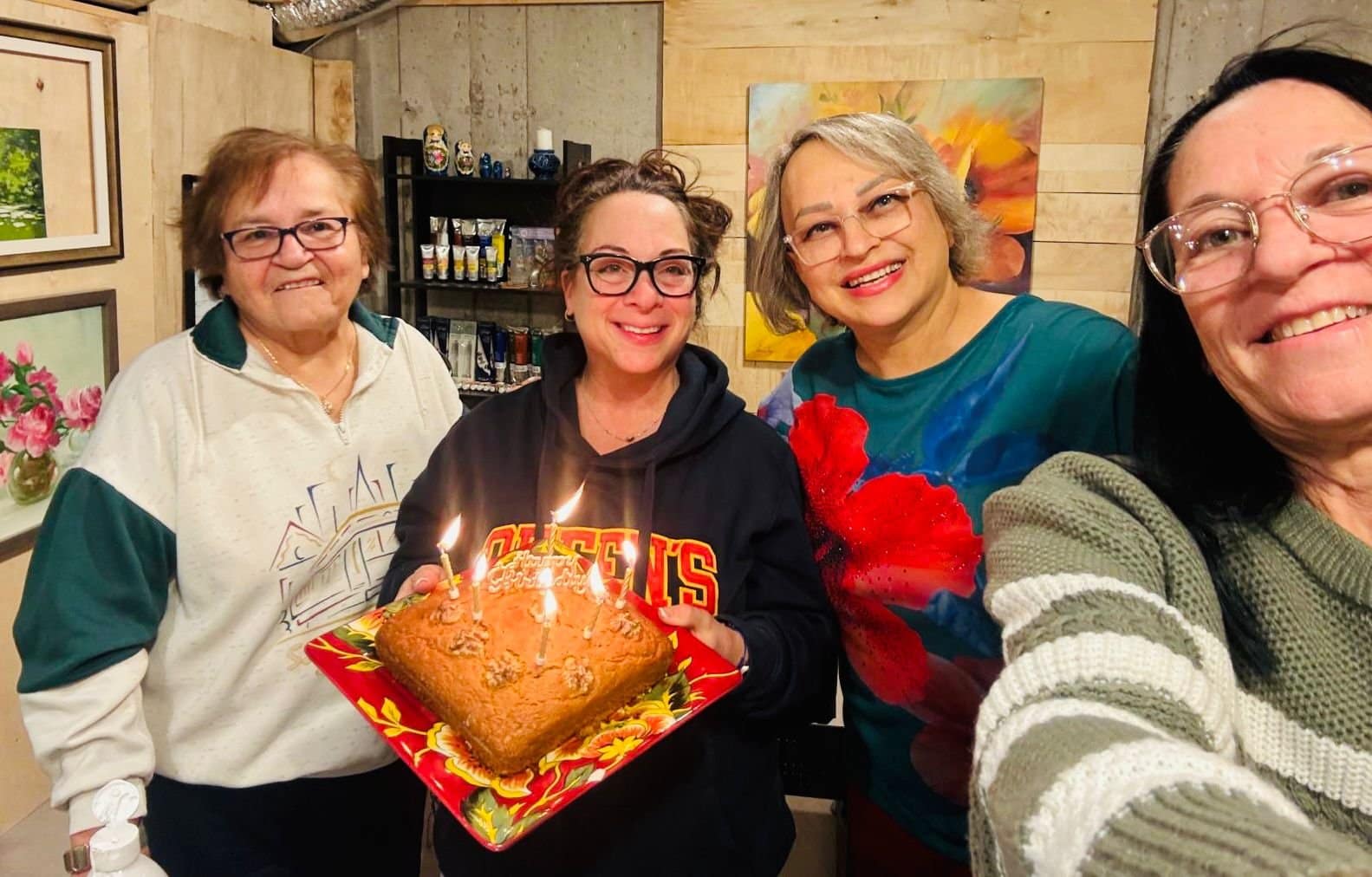
Art can be a personal experience, but learning alongside other people can add an important social dimension. A group art class brings together students with different backgrounds, interests, experiences, and creative perspectives.
Two people can receive the same subject and produce completely different paintings. One student may focus on color, another on detail, while someone else may interpret the subject in a highly expressive way. Seeing these differences helps participants understand that there is rarely only one correct approach to art.
A supportive classroom also creates opportunities for discussion and feedback. Students can ask questions, exchange ideas, and learn by observing different techniques. Watching another person solve an artistic challenge can sometimes provide inspiration for solving a similar problem.
The social environment can be particularly helpful for beginners. Starting something unfamiliar can feel intimidating when learning alone. Being surrounded by other learners can make the experience more comfortable and motivating.
Progress also becomes easier to appreciate in a group setting. Students can celebrate improvements, discuss challenges, and encourage one another throughout the learning process.
This sense of community can make creative practice more enjoyable. Instead of viewing art only as an individual activity, participants become part of a shared learning experience.
At a local art studio, this community can continue beyond individual lessons. Students may build connections with other creative people while developing skills and discovering new artistic interests.
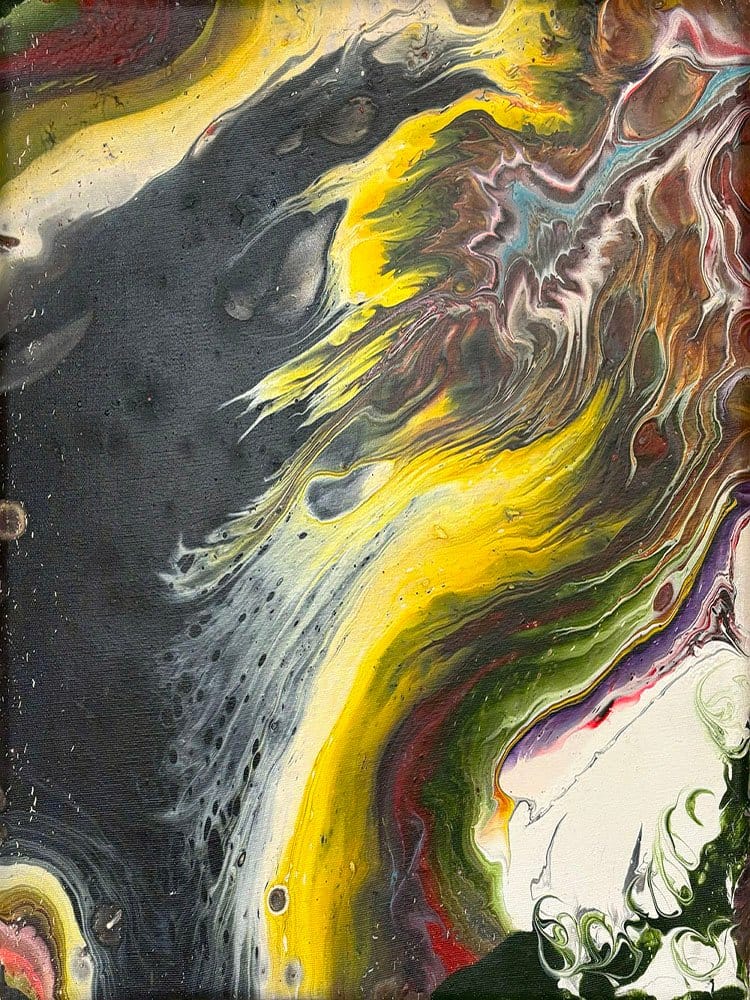
Creative activities can provide a valuable opportunity for relaxation and self-expression. Painting gives people a focused activity that can temporarily shift attention away from everyday pressures.
The process of choosing colors, making brushstrokes, and developing an image requires concentration. For some people, this focused attention can feel calming and provide a useful break from routine.
Art can also provide a nonverbal form of expression. Not every thought or feeling is easy to communicate through conversation. Creating an image can give individuals another way to explore ideas, memories, moods, and personal experiences.
Research into art-making and well-being has found associations between creative activities and improvements in mood, stress management, and overall psychological well-being. However, an art class should not be considered a replacement for professional medical or mental-health treatment.
The value of creative activity can also come from the sense of accomplishment it provides. Completing a painting, learning a new technique, or simply seeing progress from one lesson to another can strengthen motivation and self-confidence.
For this reason, painting can become part of a healthy lifestyle that includes other forms of relaxation, physical activity, social connection, and personal development.
The experience is not about creating a perfect artwork. It is about making time for yourself, engaging your attention, and allowing creativity to become part of everyday life.
A welcoming studio environment can make this experience even more meaningful by giving students a comfortable space where they can learn, experiment, and express themselves without unnecessary pressure.

The benefits of learning art do not necessarily stop when a class ends. The skills developed through creative practice can influence how people approach challenges in other areas of life.
Painting requires patience. A successful artwork may involve multiple stages, corrections, layers, and adjustments. Students gradually learn that meaningful results often require time and persistence.
Observation is another important skill. Artists learn to look carefully at shapes, proportions, light, color, and relationships between objects. This habit of careful observation can encourage a more thoughtful approach to everyday problems.
Creative problem-solving is also central to the artistic process. What should be changed? Which color works better? How can a difficult shape be represented? These questions encourage students to experiment with different solutions.
Sharing artwork can also strengthen communication and confidence. Explaining an artistic decision or receiving constructive feedback helps students become more comfortable presenting their ideas.
For children and teenagers, creative education can support exploration and self-expression. For adults, it can provide a productive way to develop a new skill and pursue a long-term personal interest. Older adults may also enjoy the combination of creativity, learning, and social interaction.
The transferable value of art is therefore one of its most interesting qualities. Patience, observation, experimentation, focus, and communication are useful far beyond the studio.
Learning to paint does not simply teach someone how to use a brush. It can encourage a broader mindset based on curiosity, practice, and continuous improvement.

Many people assume that artistic ability is something a person either has or does not have. In reality, drawing and painting involve many skills that can be developed through instruction and practice.
Beginners may initially feel that they are not creative because their first attempts do not look the way they imagined. This is completely normal. Artistic development takes time, and early mistakes are an important part of learning.
A supportive instructor can make a significant difference by breaking complex skills into manageable steps. Instead of asking a beginner to create an entire painting immediately, lessons can introduce individual concepts such as shapes, proportions, color mixing, shading, and composition.
As students practice these skills, they often begin noticing improvements. A difficult technique becomes more familiar. A confusing color combination becomes easier to understand. A subject that once seemed impossible becomes approachable.
This gradual progress can have a powerful effect on confidence. Students begin realizing that improvement is possible through practice rather than relying only on natural talent.
Creative education can also encourage people to experiment beyond their comfort zones. Someone who starts with simple exercises may eventually explore portraits, landscapes, abstract art, still life, or other subjects.
The most important discovery may be that artistic growth is a process. Every student can develop at a different pace and create work that reflects their individual interests.
An effective painting program therefore does more than teach techniques. It creates an environment where students can discover their abilities, develop confidence, and find a personal connection with creativity.

Every artwork carries a moment in time. A painting can preserve an idea, an experience, a personal interest, or an important stage of artistic development.
For students, finished artworks can become visual records of progress. Looking back at an early painting after months or years of practice can reveal how much their technique and artistic understanding have changed.
These pieces can also have personal value outside the classroom. A painting may become part of a home, a meaningful gift for a family member, or an addition to a personal portfolio.
For young artists, creating and preserving artwork can document the development of their interests and skills. For adults, it can provide a creative record of a period in life that might otherwise be forgotten.
The idea of an artistic legacy does not require professional recognition. It can simply mean leaving behind meaningful creative work that reflects who you were and what mattered to you at a particular time.
A collection of paintings can eventually become a visual diary. Each piece can represent a different experiment, lesson, subject, or creative decision.
This makes the process of learning art particularly rewarding. Students are not only developing skills for the present. They are also creating something tangible that can remain meaningful in the future.
Whether displayed at home, shared with others, or kept in a portfolio, these artworks provide lasting evidence of creativity and personal growth.
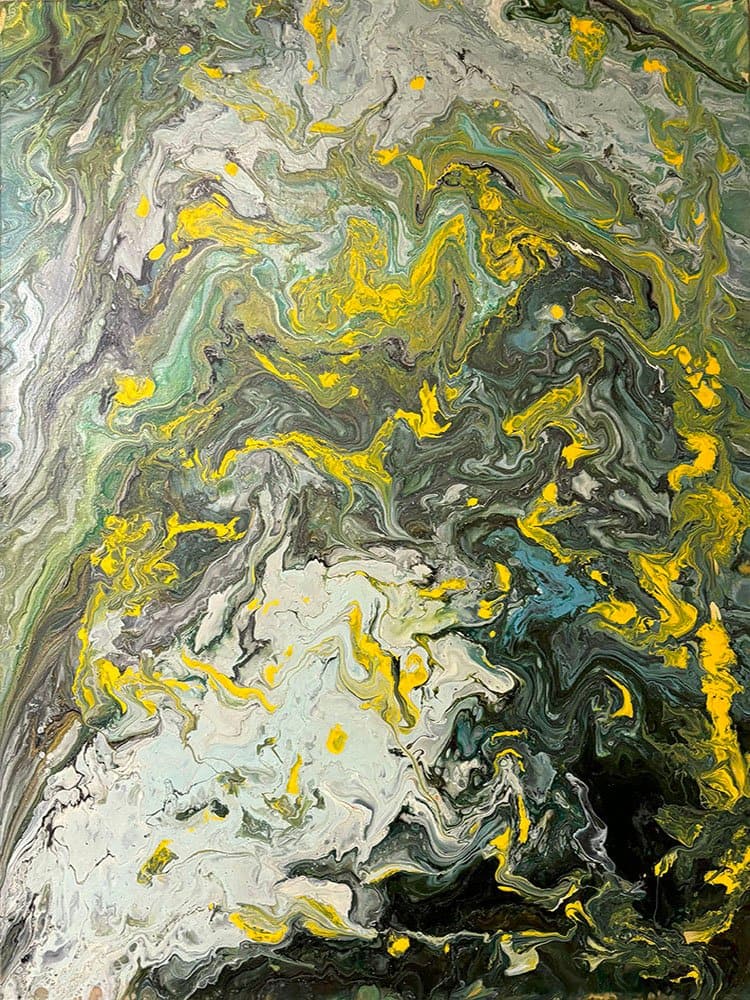
Every artistic journey begins with a first step. For many people, that step is simply deciding to try something new and giving themselves permission to learn.
A painting class provides a structured environment where beginners can explore art without needing years of previous experience. Students can learn fundamental techniques, experiment with different materials, and gradually discover what type of art interests them most.
The goal is not to create a masterpiece during the first lesson. Progress comes through curiosity, regular practice, patience, and a willingness to experiment.
For some participants, painting may become a relaxing creative hobby. Others may discover a deeper interest and continue developing a personal artistic style. Some students may eventually build portfolios, participate in exhibitions, or explore art as a more serious pursuit.
The important point is that there is no single definition of artistic success. Each student can set personal goals based on their interests, experience, and available time.
At Fania Art Gallery in Aurora, students can use structured learning as a starting point for their own creative journey. A supportive learning environment can help beginners develop fundamental skills while giving more experienced artists opportunities to experiment and grow.
Taking the first step can therefore lead to much more than learning how to paint. It can open the door to creative expression, new skills, greater confidence, and meaningful connections with other people who enjoy art.
The canvas is only the beginning. What students discover through the creative process can continue influencing how they observe, imagine, and express themselves long after the class ends.
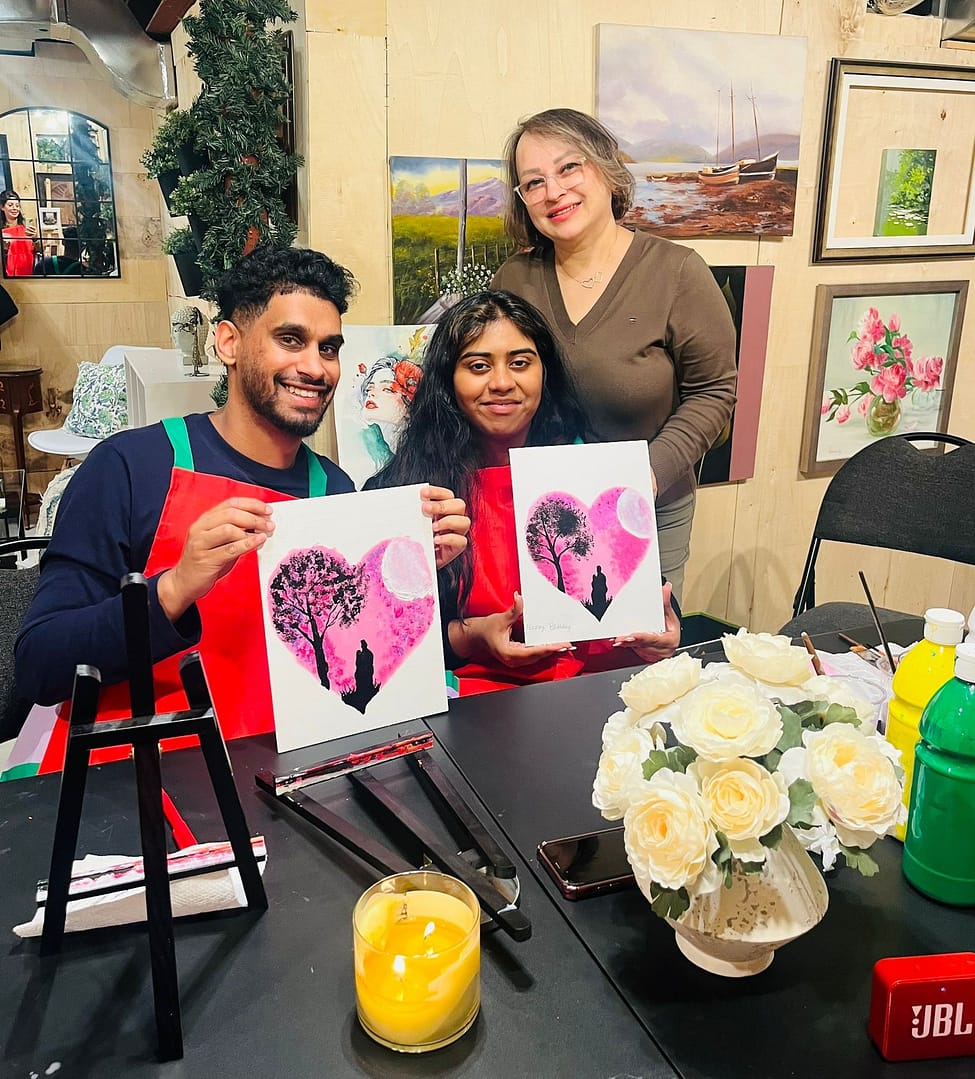
Learning to paint can become a meaningful journey of creativity, self-expression, and personal development. Whether someone is a complete beginner or already has artistic experience, structured art lessons provide guidance while leaving room for individual creativity.
A well-designed painting program introduces students to essential materials, techniques, and artistic principles. Students learn how brushes, canvases, paints, and palettes work together. They can also compare different media, including watercolor, acrylic, and oil paint, and discover which materials best suit their creative goals.
Technical knowledge is only one part of the experience. Students also develop observation skills by studying light, shadow, proportion, color, and perspective. These skills help them understand how real-world subjects can be translated into visual compositions.
At the same time, creative freedom remains important. Students can experiment with different approaches instead of simply copying a finished example. They can make mistakes, adjust their techniques, and gradually develop their own artistic preferences.
The social environment can add another dimension to the learning experience. Working alongside other artists creates opportunities to exchange ideas, observe different approaches, and receive constructive feedback.
For many learners, the value of art education extends beyond technical improvement. It can provide dedicated time for creativity, encourage confidence, and create a stronger connection with artistic expression.
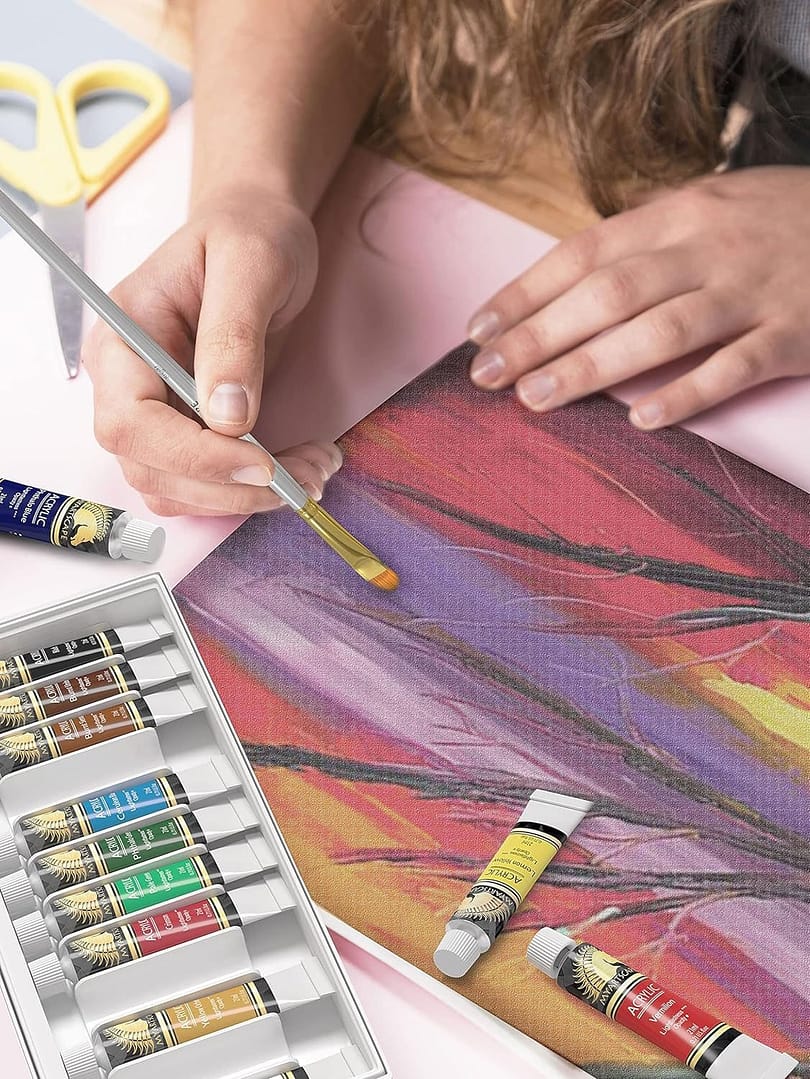
Learning different painting techniques helps students become more versatile and confident artists. Each method creates different textures, edges, blends, and visual effects.
Wet-on-wet painting involves applying fresh paint to a wet surface or working with wet layers. The technique allows colors to blend naturally and can create soft transitions.
This approach is especially useful for artists who want to create atmospheric backgrounds, expressive effects, or gradual color changes. Because the results can be less predictable, students also learn to respond creatively to changes as they work.
Dry brushing uses a relatively small amount of paint on a brush. The technique can create visible texture and broken strokes, making it useful for details, highlights, hair, fabric, and textured surfaces.
Students can learn how pressure, brush direction, and paint quantity influence the final effect. These small adjustments can significantly change the appearance of a painting.
Glazing involves applying thin, transparent layers of paint over an existing dry layer. It can add depth and modify the appearance of underlying colors.
This technique requires patience because artists build the image gradually. It can be particularly useful when creating subtle transitions, atmospheric depth, and luminous color effects.
Palette knives provide an alternative to traditional brushwork. Artists can use them to spread, scrape, layer, and shape paint across a surface.
The resulting texture can give artwork a bold and expressive quality. Palette knife techniques are also useful for experimenting with impasto effects, where thicker applications of paint create visible texture.
Learning several techniques allows students to move beyond one fixed method. Instead of relying on a single approach, they can select techniques according to the subject, medium, and artistic style they want to explore.
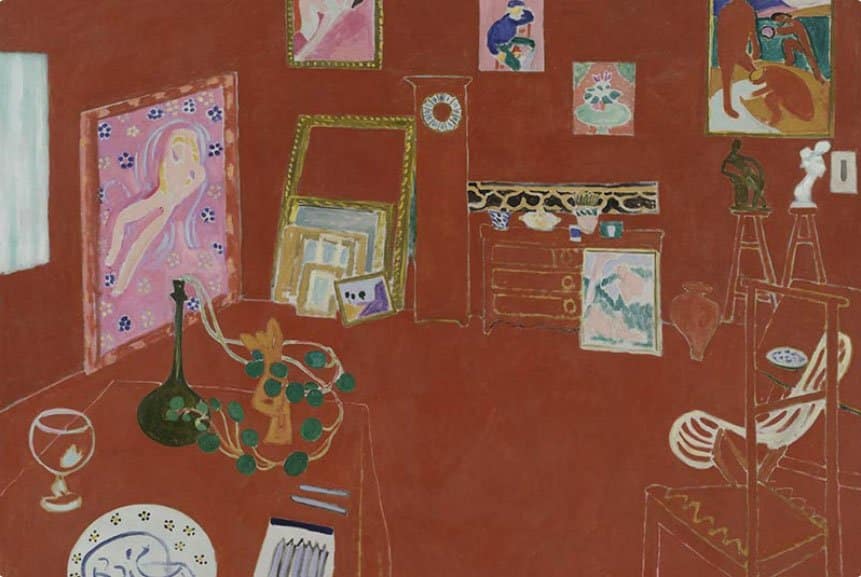
Understanding color is fundamental to developing stronger paintings. Color theory helps students understand relationships between hues and make more intentional decisions when creating a composition.
The color wheel is one of the most useful starting points. It introduces primary, secondary, and tertiary colors and demonstrates how different hues relate to one another.
Students can also explore complementary colors. These colors appear opposite each other on the color wheel, such as blue and orange or red and green. When placed together, they can create strong visual contrast.
Color temperature is another important concept. Warm colors can create visual energy and intensity, while cool colors can contribute to a calmer or more distant atmosphere. However, the emotional effect of color can vary depending on context, culture, and individual experience.
Color harmony is also important. Monochromatic, analogous, complementary, and triadic color schemes give artists different ways to organize a palette.
Students also learn how tints, shades, and values affect depth and form. Adjusting the lightness or darkness of a color can make objects appear closer, farther away, brighter, or more dimensional.
With practice, color theory becomes less about memorizing rules and more about making informed artistic choices. Students can then experiment with color while developing a visual language that reflects their individual style.
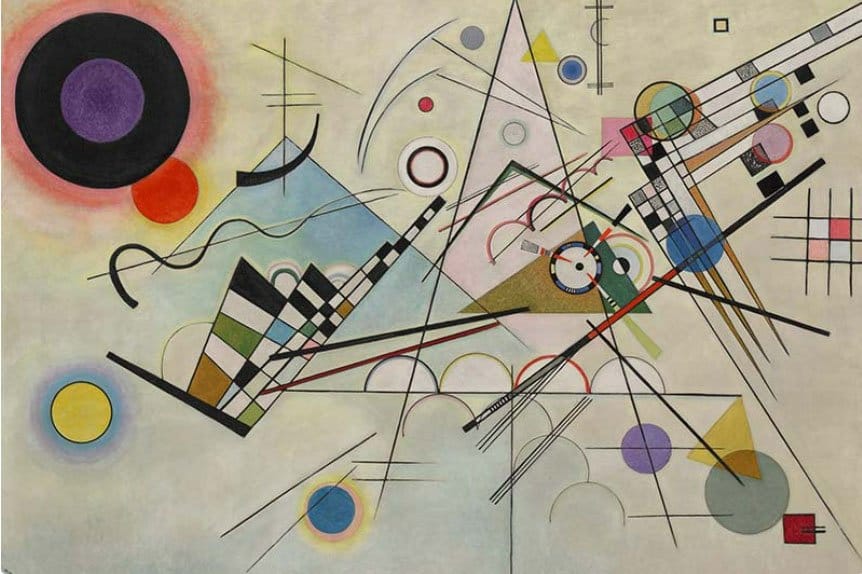
Having appropriate materials can make the learning process easier and more enjoyable. However, beginners do not necessarily need a large collection of expensive supplies.
Brushes are among the most important tools. Round brushes are useful for details and controlled strokes, while flat brushes can cover larger areas. Filbert, fan, and liner brushes can provide additional options for blending, texture, and fine lines.
The type of paint also affects the working process. Watercolors are known for their transparent washes and fluid qualities. Acrylics dry relatively quickly and can be used on various surfaces. Oil paints are valued for their slow drying time and smooth blending properties.
The painting surface is equally important. Artists may work on watercolor paper, canvas panels, stretched canvas, or other prepared surfaces depending on the medium.
A palette provides a surface for mixing colors. Beginners can learn how to organize their palette and mix colors gradually rather than using large amounts of paint.
Other useful tools may include palette knives, sponges, masking tape, containers for water, mixing surfaces, and appropriate cleaning materials.
A good instructor can help students understand which materials are necessary for each project. This prevents beginners from spending money on unnecessary supplies while giving them enough flexibility to experiment.
The goal is not to own the most expensive equipment. It is to understand how each tool works and use it effectively.
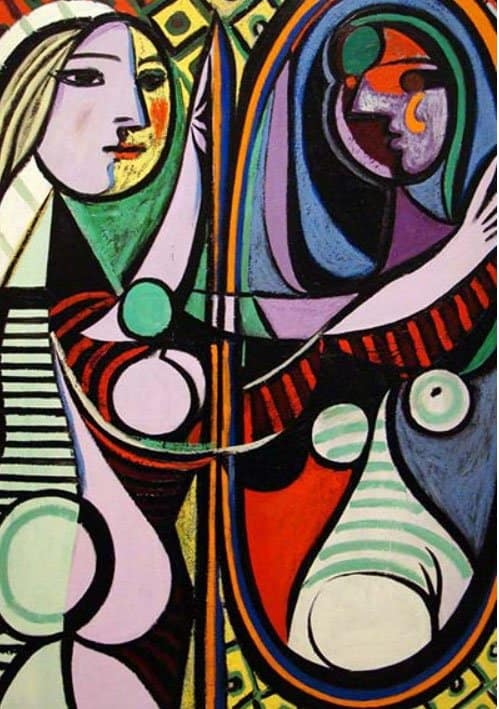
The way people learn to paint has changed considerably over time. Historically, aspiring artists often learned through apprenticeships and studio-based training.
During the Renaissance, apprentices worked closely with experienced artists. They learned by observing techniques, preparing materials, producing studies, and gradually taking on more independent work.
Later, formal art academies introduced structured education. Students studied subjects such as drawing, anatomy, perspective, composition, and color. These institutions helped establish systematic approaches to artistic training.
During the nineteenth and twentieth centuries, artistic education expanded alongside major changes in the art world. Impressionism, Expressionism, Cubism, Abstract Art, and other movements challenged traditional ideas about representation and technique.
As artistic styles became more diverse, art education also became more flexible. Students gained opportunities to explore different materials, subjects, and approaches rather than following one artistic tradition.
Today, people can learn painting through many different formats. Traditional studios, community programs, private instruction, workshops, schools, and online courses all provide opportunities for artistic development.
Digital learning has also made demonstrations and educational resources more accessible. Students can study techniques from instructors in different parts of the world while practicing in their own homes.
Despite these changes, the basic purpose of art education remains consistent: helping learners understand artistic principles, develop practical skills, experiment with ideas, and build confidence through practice.
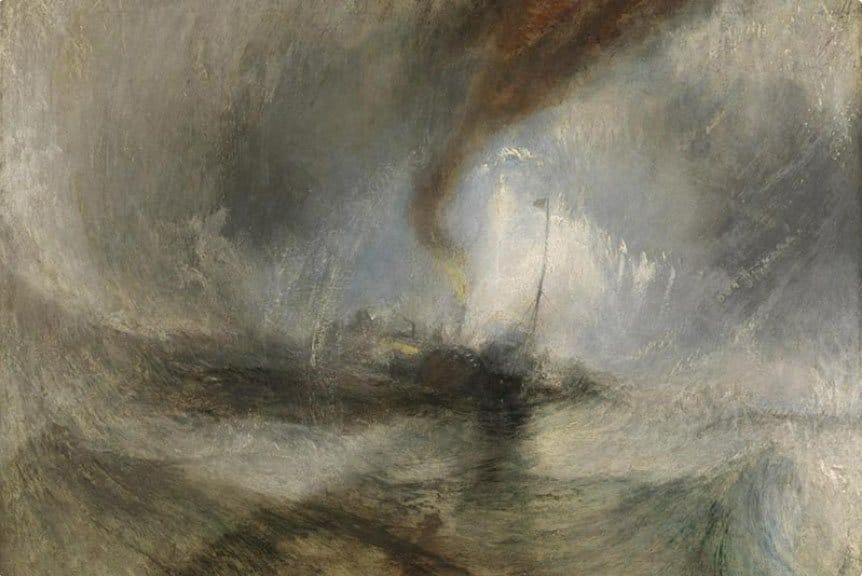
Creative activities can provide an opportunity to slow down and focus on a single task. Painting requires attention to color, movement, shape, composition, and detail, which can help people become more engaged with the present activity.
For some people, this focused process can feel relaxing. Time spent working on a painting may provide a temporary break from digital distractions, work responsibilities, and repetitive routines.
Art can also offer a form of personal expression. People may communicate ideas or experiences visually when they find it difficult to express them through words. Abstract compositions, color choices, and subject matter can all become elements of personal expression.
Research has explored connections between creative activity, stress, mood, and psychological well-being. However, painting should not be presented as a replacement for professional mental-health care. Its potential value is better understood as part of a broader approach to relaxation, creativity, social connection, and personal development.
Completing an artwork can also create a sense of achievement. Beginners may experience satisfaction when they successfully mix a color, improve a technique, or complete a project that initially seemed difficult.
Group learning can add another benefit. Students can meet people with similar interests, exchange ideas, and encourage one another. This social element can make regular creative practice more enjoyable.
Ultimately, learning to paint can support more than artistic development. It can create time for concentration, experimentation, self-expression, and personal growth while giving students an enjoyable activity they can continue developing over time.