Painting is an ever-evolving art form where artists refine their skills, explore new techniques, and expand creative possibilities. New tools and materials give artists more ways to experiment with texture, color, detail, and application.
Modern painting tools go beyond traditional brushes and palettes. Silicone blades, sponge rollers, and airbrush systems provide alternative ways to apply and manipulate paint. These tools can create everything from delicate details to bold and expressive marks.
One useful addition to an artist’s toolkit is the palette knife. It can be used to create impasto effects by applying thick layers of paint directly onto the canvas. Fluid pouring techniques and drip methods can also produce unique patterns and unexpected combinations of color for Painting Class.
Eco-friendly materials are becoming increasingly popular among artists. Sustainable supplies and water-soluble oil paints can offer practical alternatives to traditional materials. Water-soluble oils, for example, can reduce the need for strong solvents while still providing rich colors and expressive textures.
Technology has also introduced new possibilities for artistic experimentation. Digital styluses allow artists to explore pressure-sensitive techniques, while light-responsive and phosphorescent pigments can create artwork that changes under different lighting conditions.
Learning to use different tools can help students discover techniques that match their individual artistic style. Experimenting with new materials is not simply about following trends. It is an opportunity to develop creative confidence and find new ways to communicate ideas through art.
At Fania Art Gallery, students can explore a variety of painting techniques while developing their skills in a supportive learning environment. Through practice and experimentation, learners can discover new approaches and expand their understanding of visual expression.
Innovation continuously reshapes the art world, introducing tools that redefine how artists express themselves. A painting class today is no longer confined to traditional brushes and canvases; new tools, materials, and digital advancements allow for more dynamic and immersive artistic exploration. From high-tech brushes to unconventional applicators, these modern enhancements provide fresh opportunities for creativity.This article delves into the evolution of tools in a painting class, examining their impact on artistic technique, experimentation, and the overall learning experience.

Art has always been shaped by innovation, and a painting class is no exception. Traditional brushes, once the sole instrument of painters, have now been supplemented by a vast array of tools designed to expand artistic possibilities.
The shift toward contemporary materials has introduced artists to instruments such as sponge rollers, silicone brushes, and airbrush systems, each offering unique textural capabilities. Silicone blades, for example, allow for fluid movement across the canvas, creating smooth transitions and spontaneous abstract forms. Meanwhile, digital styluses integrated into hybrid painting class experiences provide a seamless blend between traditional and digital art.
New substrates have also emerged, allowing for diverse applications. Instead of solely working on canvas, students now explore aluminum panels, glass, and repurposed textiles. These surfaces respond differently to pigments, encouraging artists to experiment with layering and adhesion techniques.
Furthermore, modern tools facilitate greater precision and efficiency. Airbrushes enable ultra-fine detail work without the need for time-intensive layering, while palette knives introduce expressive, sculptural textures. With these advancements, a painting class evolves into a space of limitless creativity, where students engage in exploration rather than rigid technique replication.

Technology has revolutionized every aspect of life, including the way artists approach their craft. A painting class today may incorporate digital tools that were once reserved for professional studios, allowing students to explore an expanded artistic landscape.
Digital brushes mimic real-world textures, offering a broad range of effects without the mess of physical paint. Styluses equipped with pressure sensitivity create strokes that respond to hand movements, simulating the experience of painting with a traditional brush. Tablets and smart canvases enable instant corrections, reducing material waste while fostering confidence in experimentation.
Beyond digital platforms, augmented reality (AR) and virtual reality (VR) have entered the art space. A painting class using AR applications can overlay guidance on a student’s canvas, helping them understand proportions, color blending, and brush techniques in real-time. VR painting platforms, like Google’s Tilt Brush, let artists create immersive 3D artworks, transforming the way they engage with space and composition.
Additionally, AI-assisted tools analyze brushstrokes and suggest improvements, making art education more interactive and accessible. With technology playing an increasing role in a painting class, students gain exposure to a broader artistic ecosystem, one that fuses traditional techniques with cutting-edge advancements, opening new avenues of self-expression.
A painting class traditionally emphasizes brushwork, but artists are increasingly experimenting with unconventional tools. The introduction of non-traditional brushes and applicators expands the range of textures, strokes, and effects an artist can achieve.
Silicone brushes, for example, offer a flexible alternative to traditional bristles, allowing for smoother application and easy cleaning. Sponge rollers, commonly used for wall painting, have found their place in fine art, enabling soft gradients and abstract patterns. Toothbrushes, when used in a painting class, create stunning splatter effects, perfect for dynamic backgrounds and atmospheric details.
Palette knives, which were once used exclusively for impasto techniques, are now utilized for creating sharp, structured strokes in modern painting. Artists also experiment with unconventional tools like feathers, fabric, and even household items such as credit cards to achieve unique textures.
The use of non-traditional applicators not only broadens an artist’s toolkit but also encourages spontaneity. A painting class that incorporates these tools fosters a deeper understanding of material behavior, leading to more innovative artistic expressions. As students embrace diverse techniques, they break free from conventional norms, opening the door to endless creative possibilities.

Digital advancements have transformed the landscape of art education, and a painting class today often includes digital tools alongside traditional materials. Software like Adobe Fresco, Procreate, and Corel Painter replicate real-world painting techniques, allowing artists to explore an infinite range of effects.
Digital brushes now accurately simulate oil, watercolor, acrylic, and charcoal textures. Pressure-sensitive styluses enable intricate detailing, mimicking the subtle movements of traditional painting. Layers provide the ability to experiment freely, adding complexity to artwork without the fear of irreversible mistakes.
Hybrid painting class experiences blend traditional and digital methods, helping students develop a well-rounded skill set. For instance, a piece can begin as a digital sketch, later evolving into a physical painting. Conversely, artists can scan their hand-painted work to enhance details digitally.
Additionally, digital painting tools allow for efficient practice. A student can repeatedly refine their technique without the cost of materials, making art more accessible. With the integration of digital platforms, a painting class evolves into an adaptable and forward-thinking creative environment, where artists can explore the full spectrum of artistic innovation.
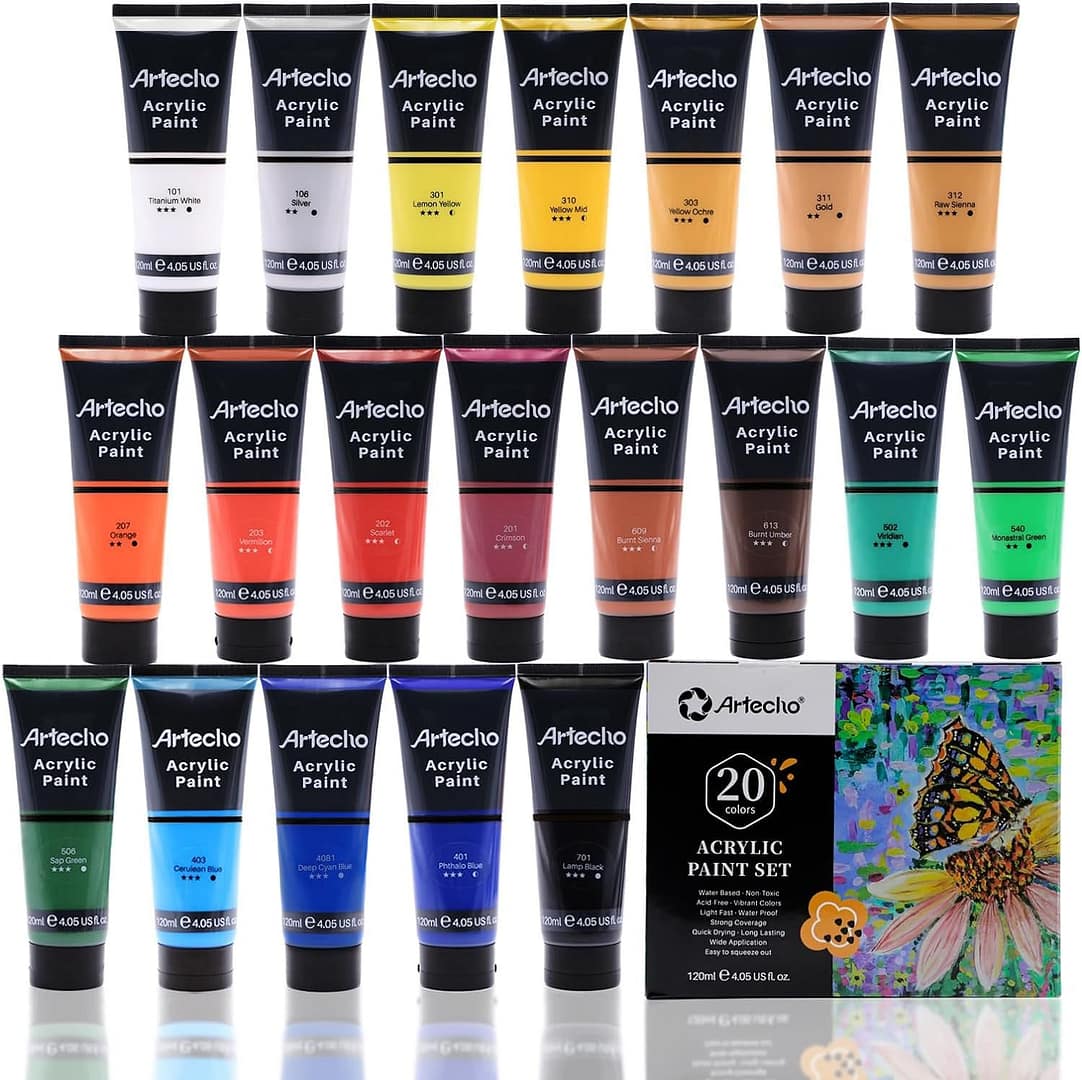
Airbrushing is an advanced technique gaining popularity in modern painting class settings. This method involves using compressed air to spray fine mists of paint, resulting in smooth gradients and hyper-realistic effects.
Artists favor airbrush tools for their ability to create seamless blends, precise details, and delicate shading. Unlike traditional brushes, airbrushes eliminate visible strokes, offering a polished and refined finish. In a painting class, students can use airbrush techniques to enhance realism in portraits, landscapes, and abstract compositions.
Airbrushes also provide versatility, allowing for detailed stenciling and masking techniques. By controlling pressure and paint flow, artists can achieve everything from soft, ethereal glows to crisp, sharp edges. Specialized airbrush paints, formulated for smooth application, enable intricate detailing without clogging or fading.
Integrating airbrush techniques into a painting class enhances artistic precision, providing students with an additional tool for creative expression. As airbrushing continues to evolve, its influence in contemporary art education grows, offering limitless potential for innovative artistic exploration.
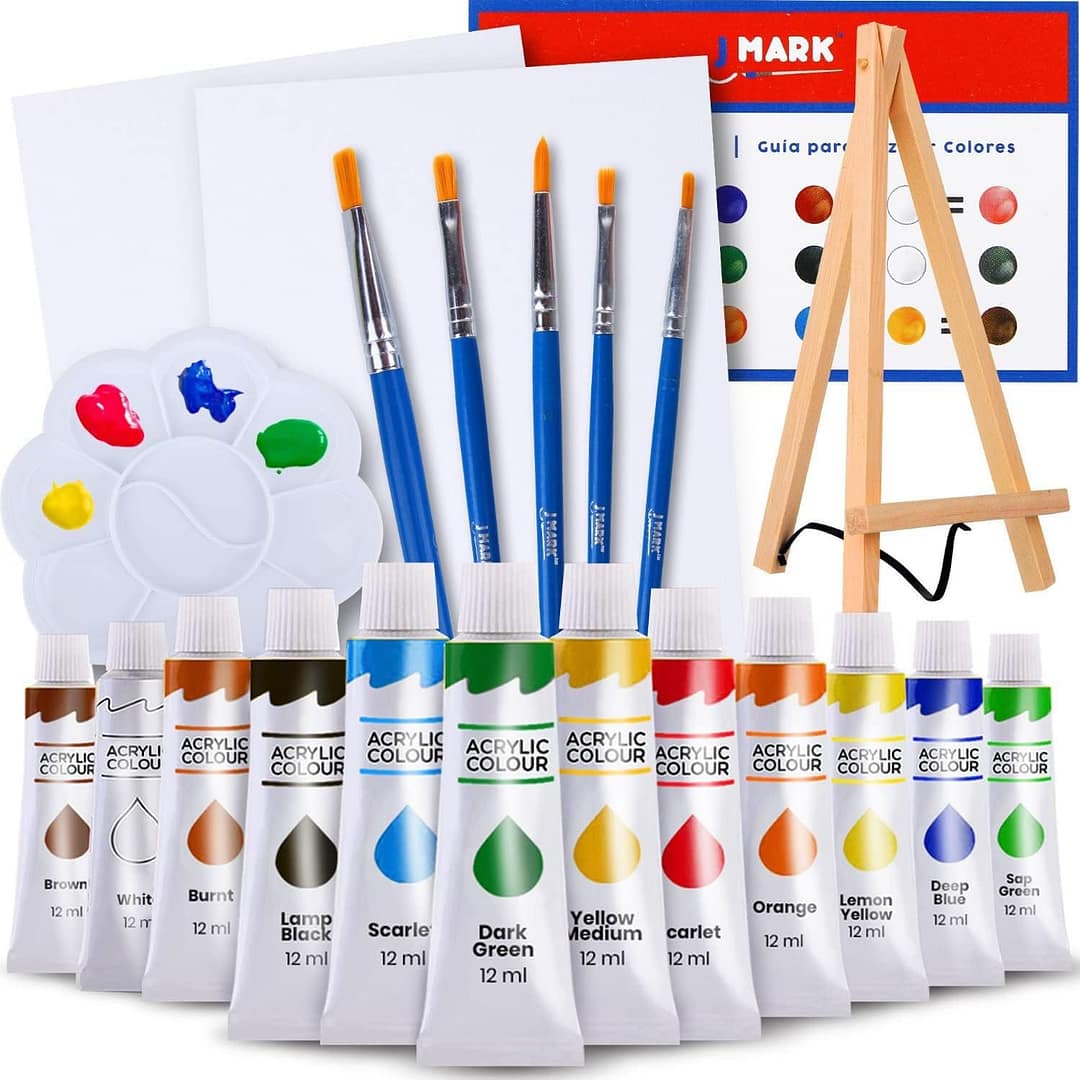
The blending of multiple artistic mediums has gained traction in contemporary painting class settings. Mixed media techniques encourage experimentation, combining elements such as ink, collage, pastels, and digital overlays to create layered, textured compositions.
Incorporating unconventional materials, such as newspaper clippings, metallic foils, or textiles, allows artists to add depth and dimension to their paintings. By fusing traditional and modern methods, students develop a versatile approach to artistic creation.
The adaptability of mixed media fosters self-expression, as each piece evolves uniquely based on material interaction. In a painting class, instructors guide students through layering techniques, emphasizing how different materials can complement one another.
By embracing mixed media, artists challenge traditional boundaries, crafting visually rich works that engage both technique and conceptual depth. The inclusion of diverse tools and materials redefines the creative process, making a painting class an ever-evolving space for artistic growth.

An artist’s canvas is just as important as the tools they use. A painting class that integrates adaptive surfaces allows for greater experimentation and artistic development. Traditional cotton canvases are now being supplemented with metal, wood panels, and synthetic fabrics, each offering distinct textural responses to paint application.
For example, painting on metal surfaces enhances the vibrancy of colors, as they reflect light differently compared to traditional canvas. Similarly, using textured watercolor paper allows pigments to settle uniquely, creating organic gradients and depth. Fabric-based surfaces like silk and linen introduce fluidity, making them ideal for expressive brushwork and mixed-media applications.
Beyond material diversity, interactive surfaces like digital smart canvases are emerging in modern painting class settings. These high-tech canvases allow artists to modify layers, simulate brush textures, and experiment with endless compositions before committing to a final piece. Such advancements enable students to refine their technique while embracing creative risk-taking.
By incorporating adaptive surfaces, a painting class provides an enriched learning experience, allowing artists to explore new techniques, mediums, and visual effects. As these innovative materials continue to evolve, they challenge the traditional boundaries of painting, encouraging artists to push their creative limits and develop a distinct artistic voice.