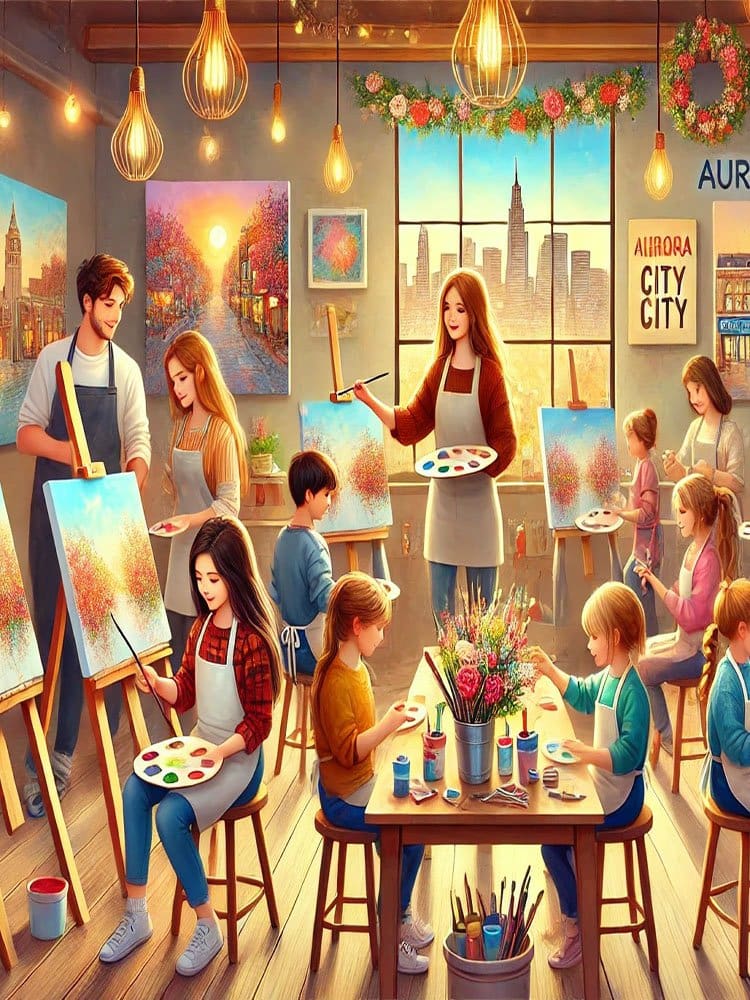

Embarking on the journey of artistic expression can be both exhilarating and daunting. For those who aspire to refine their artistic abilities, a Painting Class serves as a gateway to mastering the intricacies of brushwork, color theory, and composition. Whether you are a novice with an unsteady hand or an experienced artist seeking to push creative boundaries, structured guidance can unveil untapped potential. This article explores how enrolling in a Painting Class can fundamentally transform your skills, fostering growth, confidence, and artistic ingenuity.
Self-teaching has its merits, but nothing compares to the structured guidance provided in a Painting Class. Under the tutelage of an experienced instructor, students receive targeted feedback, allowing them to identify weaknesses and enhance their strengths.

Learning to paint is more than picking up a brush and applying color to a canvas. It is a process of developing observation, creativity, technical control, patience, and artistic confidence. Whether you are a complete beginner or an experienced artist looking to refine your abilities, structured instruction can make a significant difference in your progress.
A well-designed Painting Class in Aurora gives students the opportunity to learn essential techniques while receiving guidance, feedback, and encouragement. Instead of trying to learn everything alone, students can follow a clear path from basic exercises to more advanced artistic projects.
For people searching for painting classes in Aurora, the right learning environment can provide much more than technical instruction. It can help you discover your artistic voice, overcome creative blocks, build confidence, and develop skills that continue to improve with practice.

Strong artwork begins with strong fundamentals. Before experimenting with advanced styles, artists need to understand how materials, colors, shapes, values, and composition work together.
A structured painting class introduces these principles step by step, helping students build a reliable artistic foundation.
Different brushes produce different marks, textures, and levels of detail. Learning how to hold, load, and move a brush gives artists greater control over their work.
Students can practice:
Creating thin and thick lines
Controlling pressure and brush movement
Producing smooth or textured strokes
Blending colors effectively
Creating fine details
Building expressive brushwork
These exercises may seem simple, but consistent practice can dramatically improve the quality of finished paintings.
Color is one of the most important elements of painting. Beginners often discover that choosing colors directly from a tube does not always produce the desired result.
Learning basic color theory helps artists understand:
Primary, secondary, and tertiary colors
Warm and cool colors
Complementary colors
Color temperature
Value and saturation
Neutralizing overly bright colors
Creating harmonious color palettes
With guided practice, students become more confident when mixing colors instead of relying entirely on pre-mixed paints.
A technically accurate painting can still feel weak if the composition does not guide the viewer’s eye effectively.
Students learn how to arrange subjects, shapes, colors, and empty spaces within a composition. They may also explore focal points, balance, contrast, rhythm, and visual hierarchy.
These principles are useful whether you are painting landscapes, portraits, still life, abstract artwork, or other subjects.
Creating convincing depth is another essential skill.
Students learn how size, overlapping shapes, atmospheric effects, perspective, and value changes can create the illusion of distance.
Understanding these concepts helps paintings appear more dimensional and realistic.

Some people believe creativity is something you either have or do not have. In reality, creativity can be developed through observation, experimentation, practice, and exposure to new ideas.
An effective art class in Aurora provides an environment where students can experiment without feeling pressured to create a perfect painting every time.
Instead of simply copying a reference image, students can learn why certain artistic decisions work and how they can adapt those principles to their own ideas.
Exploring different materials can reveal unexpected strengths.
Depending on the program, students may experiment with:
Oil painting
Watercolor
Acrylic painting
Drawing and sketching
Mixed media
Digital painting
Experimental techniques
Each medium behaves differently. Watercolor encourages transparency and controlled washes, while oil allows extensive blending and layering. Acrylic can provide flexibility and relatively fast drying times.
Experimenting with different approaches can help students discover which medium best matches their personality and artistic goals.

Even experienced artists sometimes struggle with creative blocks. Staring at a blank canvas can be frustrating when no idea seems good enough.
A structured learning environment can help remove this pressure.
Instead of waiting for inspiration, students can work through specific exercises and assignments that encourage creative thinking.
A themed project gives students a starting point while still allowing room for personal interpretation.
For example, a class might explore:
Nature and landscapes
Portrait painting
Still life
Urban scenes
Seasonal subjects
Abstract concepts
Light and shadow
Personal memories
The objective is not simply to complete another painting. It is to encourage students to approach familiar subjects from new perspectives.
Feedback can reveal problems that are difficult to notice when working alone.
An instructor can help identify issues involving proportion, composition, color relationships, perspective, or technique. Students can then apply that feedback to future work.
Constructive criticism should not discourage creativity. Instead, it should help artists understand what is working and where improvement is possible.
Trying an unfamiliar technique can feel uncomfortable, but it can also accelerate learning.
Students may be encouraged to work with a different brush, palette, subject, composition, or medium. These challenges help artists move beyond repetitive habits.
Over time, experimentation becomes an important part of the creative process.
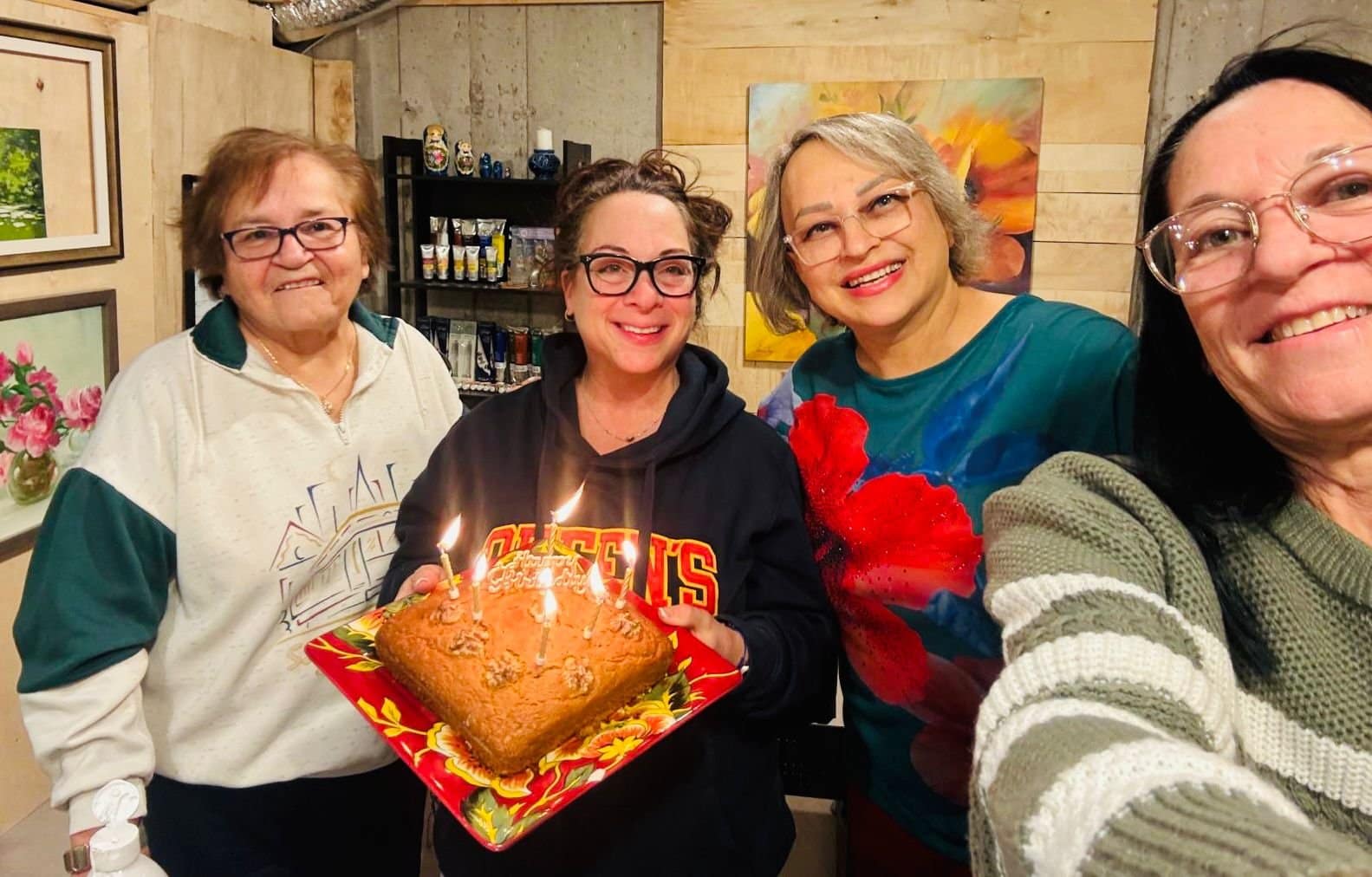
One of the biggest differences between beginners and experienced artists is often the ability to observe.
Many beginners paint what they think an object looks like rather than what they actually see. Structured instruction teaches students to slow down and analyze visual information.
They learn to observe:
Shapes and proportions
Light direction
Shadows
Highlights
Edges
Color relationships
Negative space
Texture
Perspective
These observation skills can improve both realistic and expressive artwork.
For anyone taking painting lessons for beginners in Aurora, learning to observe carefully can be one of the most valuable long-term skills.
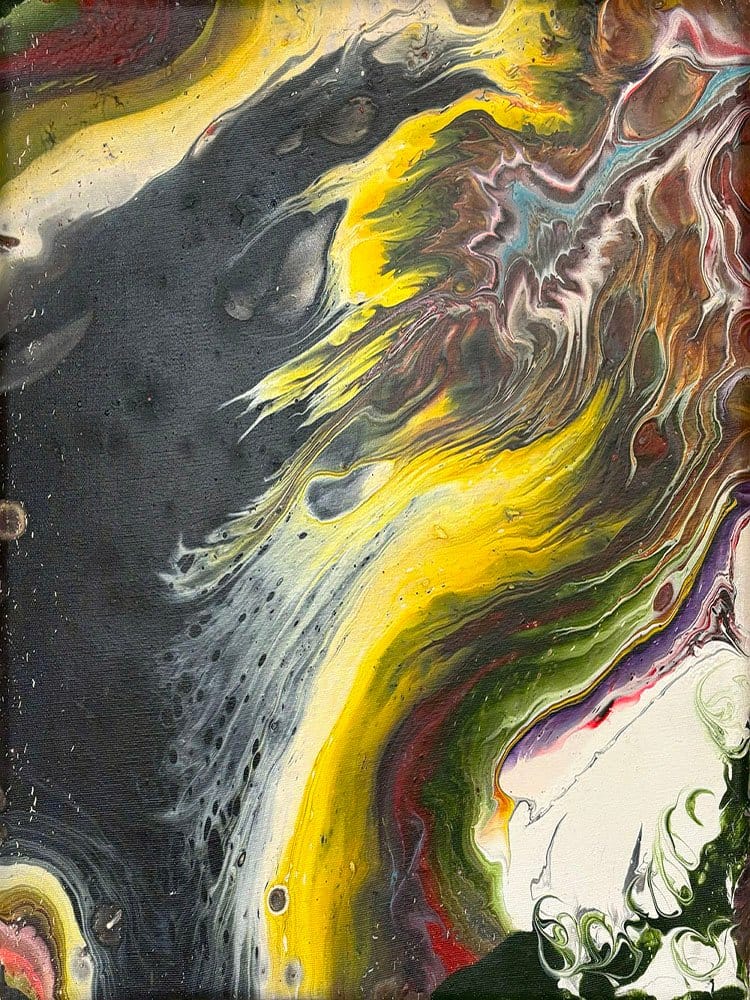
Artistic confidence does not appear overnight. It develops when students repeatedly practice, make mistakes, solve problems, and see measurable improvement.
A supportive Painting Class creates opportunities for students to experience small successes.
Completing a difficult exercise, mixing the correct color, improving a portrait, or successfully creating depth can provide motivation to continue learning.
This process is especially valuable for adults who may have always wanted to paint but never had the opportunity to study art.

Painting can also provide benefits beyond technical development.
Creative activities encourage concentration and allow people to focus on a specific task. For many students, spending time creating artwork can become an enjoyable break from work, technology, and everyday responsibilities.
Painting requires attention to the present moment.
Students may spend several minutes concentrating on a particular color, brushstroke, shape, or detail. This focused activity can create a calming experience.
The process of mixing colors, observing a subject, and gradually developing an image encourages patience and concentration.
Although painting should not be considered a medical treatment, many people find creative activities personally relaxing and rewarding.
Painting provides a visual language for communicating ideas and emotions.
Artists can use color, composition, subject matter, texture, and brushwork to express different moods and perspectives.
This freedom allows students to develop artwork that reflects their individual experiences rather than simply reproducing someone else’s style.

Learning in a group can offer advantages that independent online tutorials cannot always provide.
A local painting class in Aurora allows students to meet people who share an interest in art.
The classroom can become a place for exchanging ideas, discussing techniques, and encouraging one another.
Every student approaches a painting differently.
One person may have a strong understanding of color, while another may have excellent drawing skills. Observing how other students solve artistic problems can introduce new ideas.
This type of informal learning can complement formal instruction.
Learning alone can make it easy to postpone practice.
Regular classes create a routine. Knowing that you will return to class with a new project or exercise can encourage consistent practice.
Consistency is particularly important because artistic improvement depends heavily on repetition.

The skills developed through painting can also support other creative disciplines.
Understanding color, composition, proportion, contrast, and visual hierarchy can be useful in many areas.
Traditional painting principles can be applied to digital artwork.
Artists who understand values, color relationships, lighting, and composition often have a stronger foundation when transitioning to digital tools.
Painting can improve visual awareness that is useful in graphic design.
Artists become more familiar with color harmony, balance, contrast, spacing, and visual hierarchy.
Painting skills can also be applied to larger creative projects, including murals, decorative artwork, and interior artistic features.
These applications demonstrate why learning fundamental art principles can have long-term value.
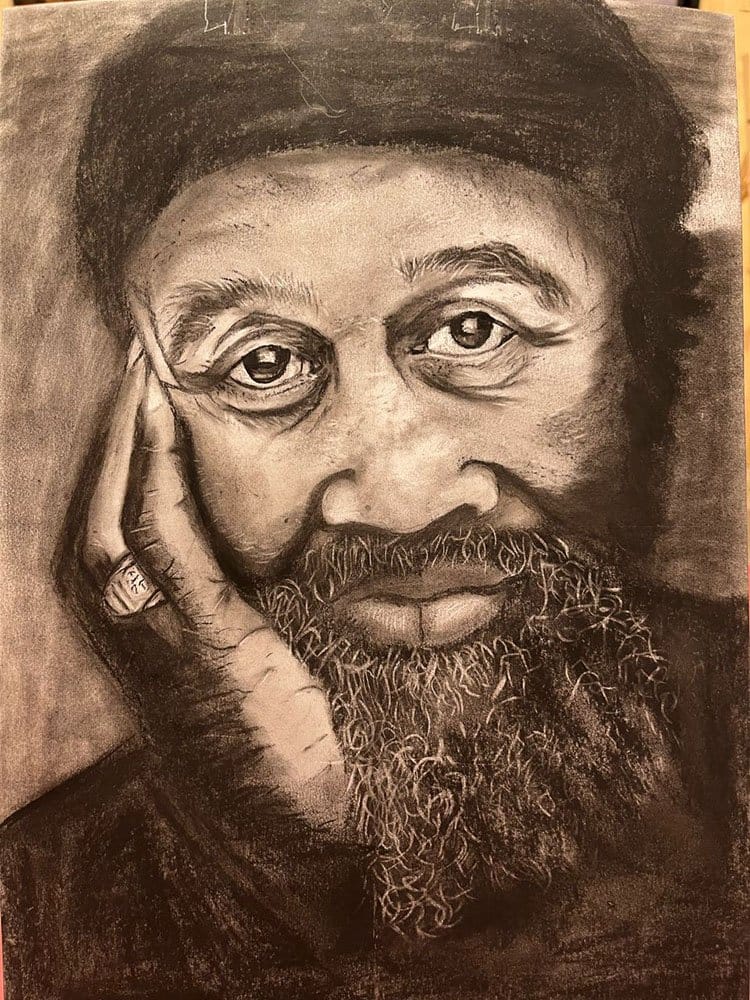
Exposure to different artistic movements can expand an artist’s visual vocabulary.
Students can explore characteristics associated with styles such as:
Realism
Impressionism
Expressionism
Abstract art
Contemporary art
Minimalism
Traditional painting approaches
Studying different styles does not mean students must copy them permanently.
Instead, exposure helps artists understand different ways of using color, shape, texture, composition, and brushwork.
This exploration can eventually contribute to the development of a personal style.
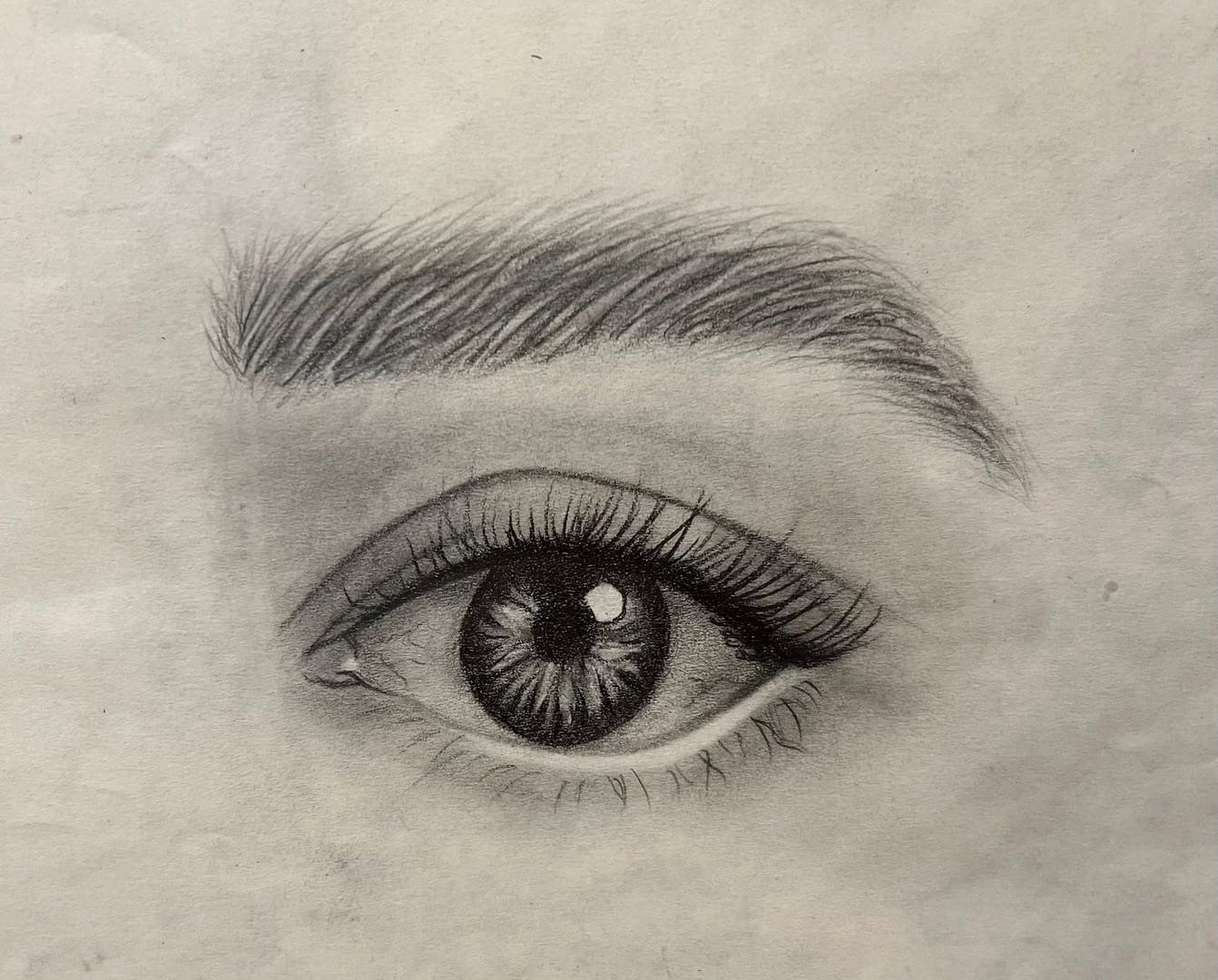
Online videos and tutorials can be useful resources, but they cannot always identify the specific problems affecting an individual student’s work.
An instructor can observe how a student approaches a painting and provide personalized guidance.
For example, a student may believe that their painting has a color problem when the real issue is value or composition.
Personal feedback can help students identify these problems faster.
A knowledgeable instructor can also demonstrate techniques in real time, answer questions, and adjust exercises according to the student’s experience level.

Historically, many artists developed their skills through structured apprenticeships and atelier-style training.
Students often learned by observing experienced artists, practicing fundamental exercises, studying proportion, and gradually taking on more complex projects.
This approach emphasized patience and technical discipline.
Modern painting classes may not follow the traditional atelier system exactly, but many still use the same fundamental philosophy: learn the basics, practice consistently, receive feedback, and gradually increase the level of difficulty.

Today’s art education combines traditional principles with modern tools and resources.
Students can benefit from demonstrations, reference images, digital resources, online research, and technology-assisted learning.
Some artists also use digital tools and artificial intelligence to explore ideas before beginning a traditional painting.
Technology can provide inspiration, but it does not replace the need to understand fundamental artistic principles.
Learning how to make artistic decisions remains essential.
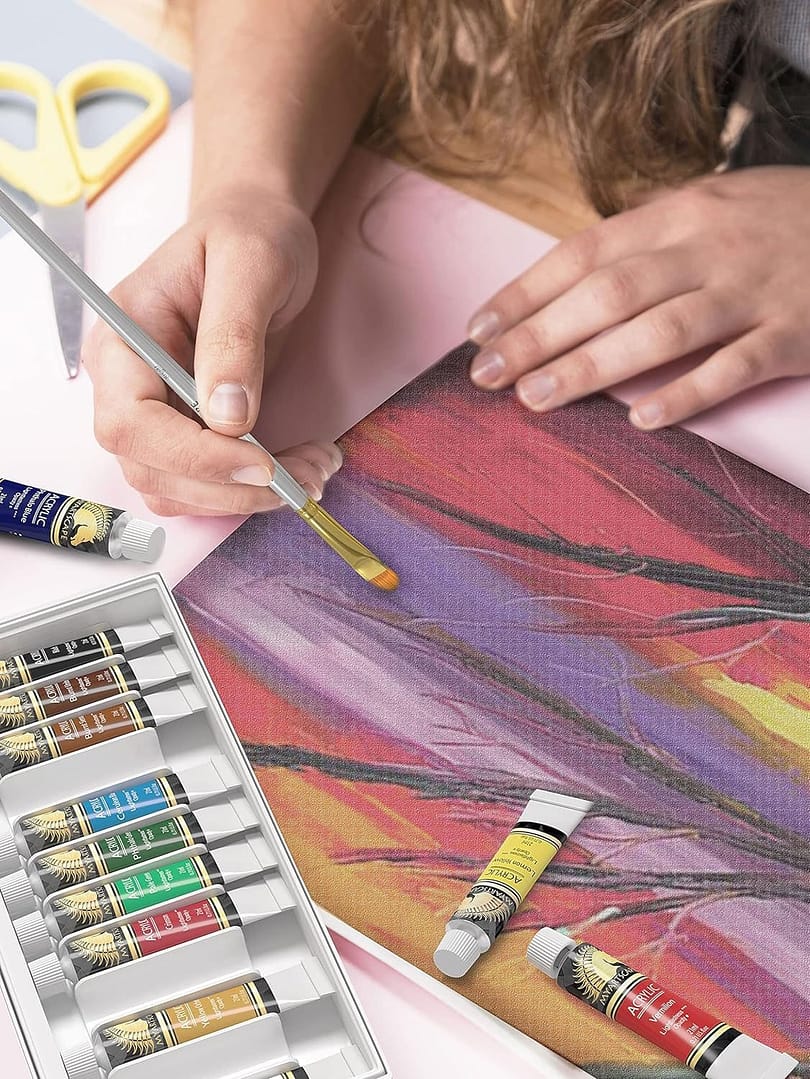
One of the most important long-term goals of art education is discovering what makes your work unique.
A personal style usually develops gradually rather than appearing suddenly.
It can emerge from repeated experimentation with:
Color palettes
Brushwork
Subjects
Composition
Texture
Lighting
Painting techniques
Artistic influences
A good instructor should provide guidance while allowing students enough freedom to make their own artistic decisions.
The objective is not to make every student’s artwork look identical. It is to help each artist become more confident in developing their own visual language.
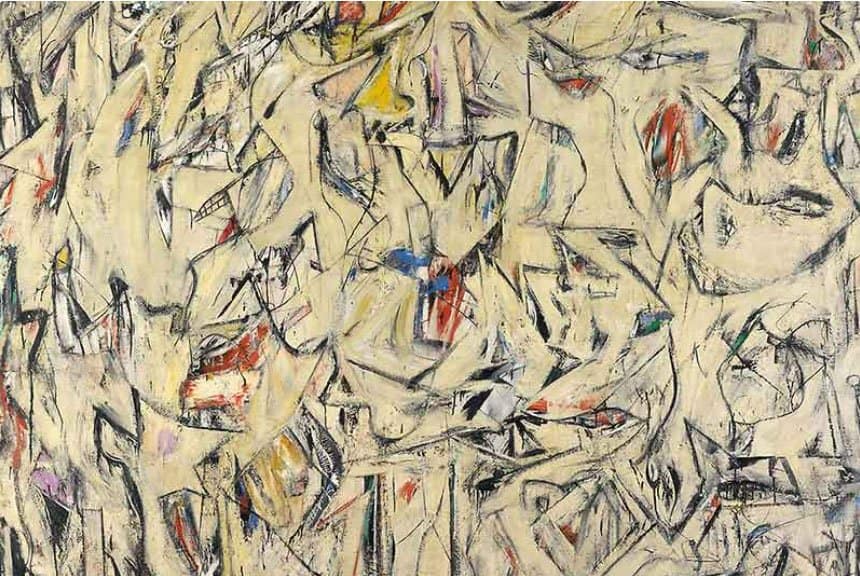
A portfolio is another valuable result of consistent artistic practice.
Instead of keeping individual paintings disconnected from one another, students can gradually build a collection that demonstrates their progress.
A portfolio can include different subjects, techniques, and styles.
For aspiring artists, a strong portfolio can eventually support applications for exhibitions, creative opportunities, commissions, or further art education.
Even hobby artists can benefit from documenting their progress.
Looking back at older paintings can make improvement much easier to recognize.
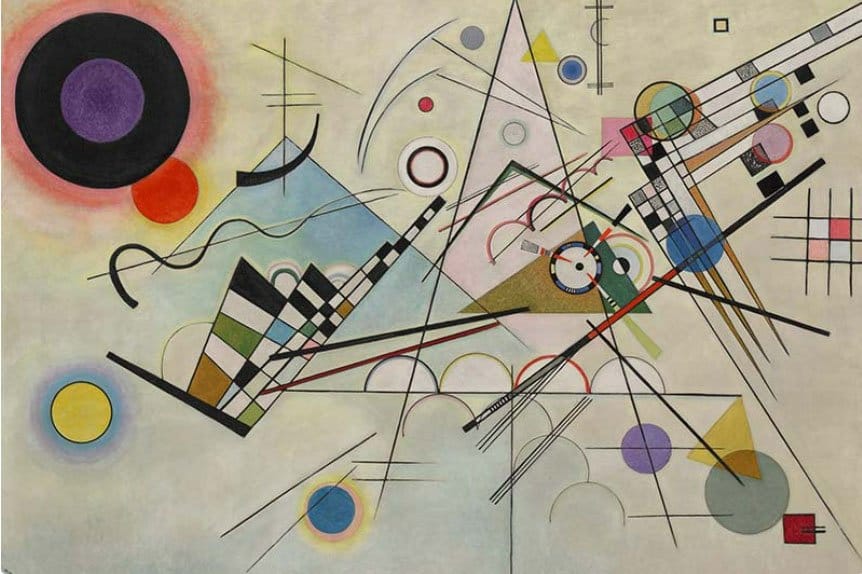
Choosing a local program has practical and social advantages.
For residents of Aurora and nearby communities, attending an in-person class can make regular practice easier to maintain.
Students can attend scheduled sessions, work alongside other artists, receive direct feedback, and develop relationships within the local creative community.
For someone searching for art classes near Aurora, location is therefore more than a convenience. A nearby learning environment can make it easier to turn artistic interest into a consistent habit.
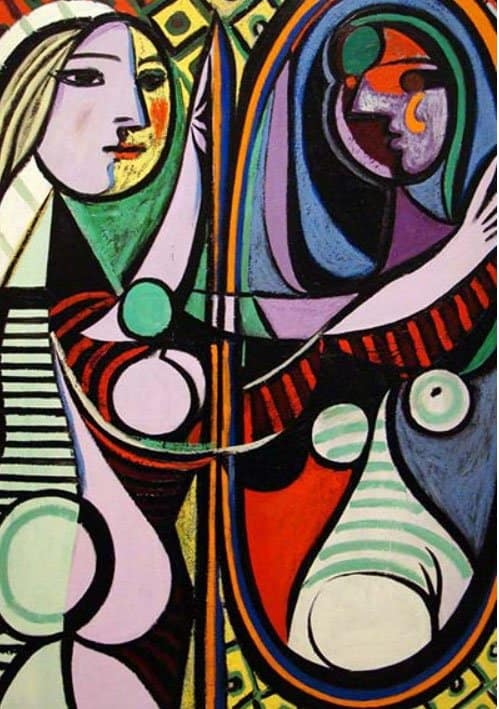
Not every program is designed for every student.
Before enrolling, consider several factors.
Beginners may need a program that explains fundamentals clearly. More experienced artists may prefer advanced instruction focused on technique, composition, or personal development.
Consider whether you want to learn oil, watercolor, acrylic, or another medium.
If you are uncertain, an introductory program can help you discover which medium suits you best.
Look for a learning environment that combines demonstrations, practice, individual guidance, and constructive feedback.
Simply watching an instructor paint is not enough. Students need opportunities to practice themselves.
Your goals should influence your choice.
You may want to:
Learn painting from the beginning
Improve drawing and observation
Develop a personal style
Build a portfolio
Explore a new medium
Paint as a creative hobby
Prepare for more advanced artistic study
A suitable program should support your specific objectives.
A major advantage of structured art education is that learning can be adapted to different backgrounds.
A beginner may need to start with brush control, color mixing, shapes, and simple compositions.
An intermediate artist may benefit more from advanced color relationships, portrait techniques, perspective, or composition.
Adults who are returning to art after many years may also appreciate a supportive environment where they can learn without feeling pressured to compete with experienced artists.
The most important factor is finding instruction that matches your current ability and future goals.
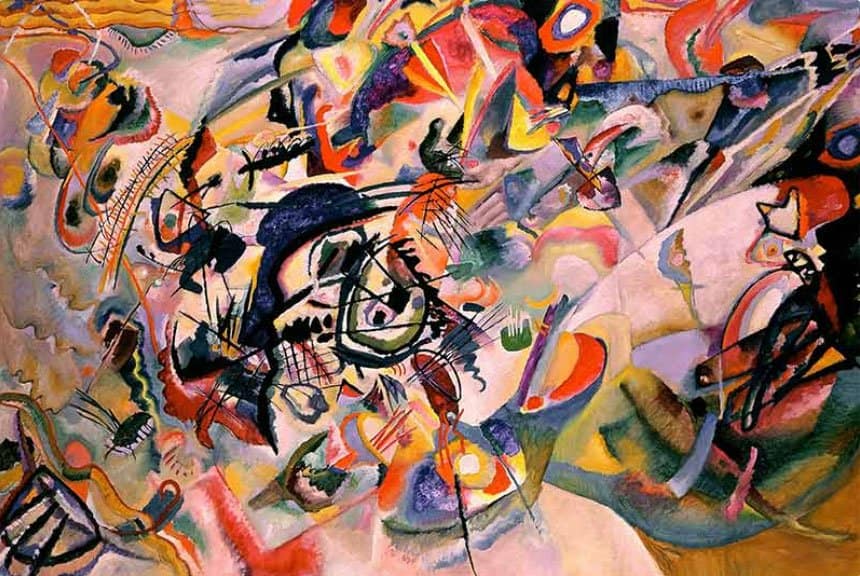
Many people say they want to learn painting but continue postponing it.
They may buy supplies, watch tutorials, save reference images, and think about taking lessons without actually starting.
Structured learning can turn that intention into action.
Regular practice creates momentum. Each class becomes another opportunity to learn something new and apply it to the next painting.
Over several weeks and months, these small improvements can produce significant results.
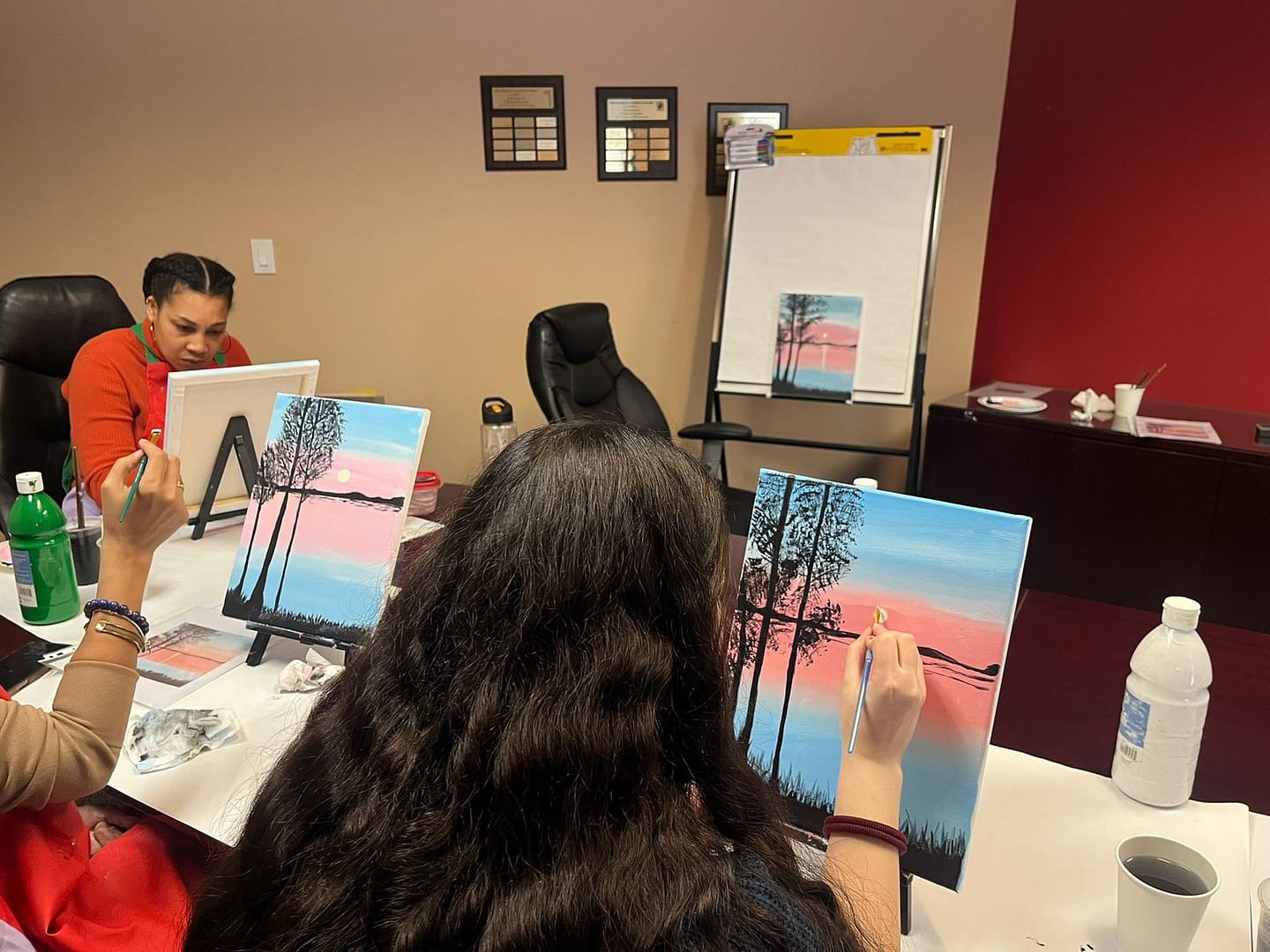
The value of painting education goes beyond one finished artwork.
Students develop patience by working through difficult stages. They develop problem-solving skills by deciding how to correct mistakes. They develop observation through studying subjects carefully.
They also learn that improvement rarely happens instantly.
Painting teaches the value of experimentation, persistence, and continuous learning.
These qualities can influence how people approach other creative and professional challenges.
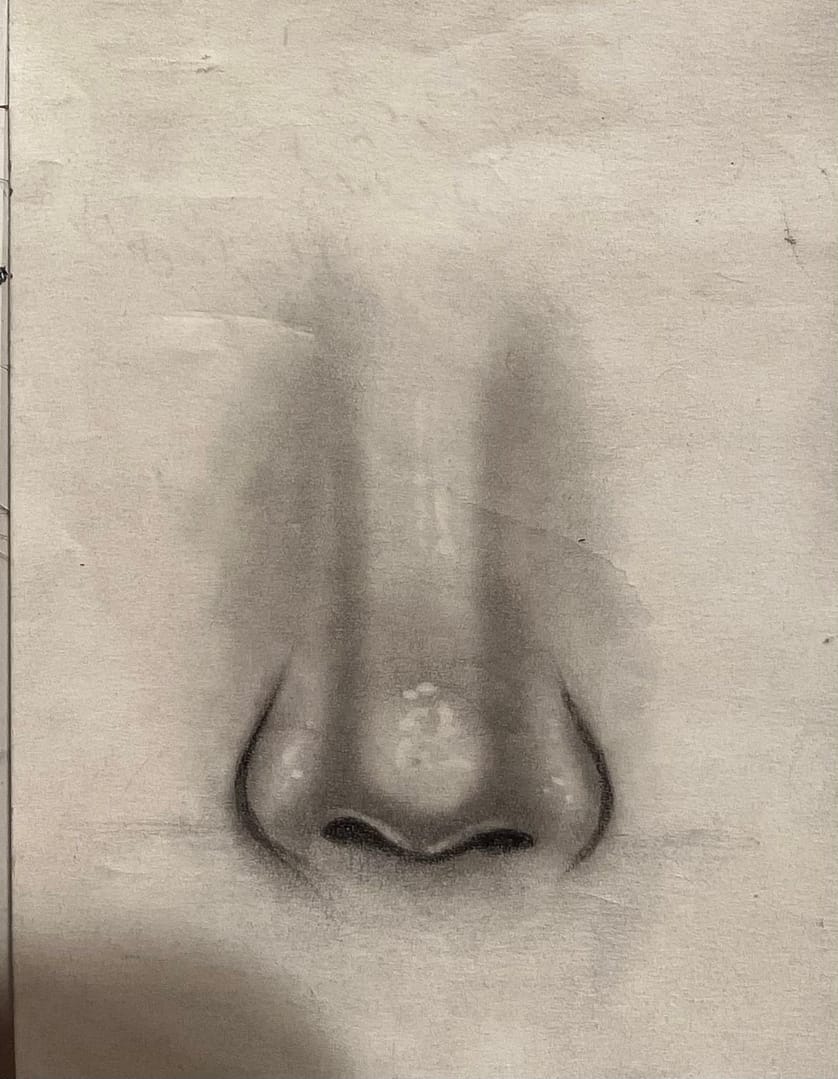
A Painting Class in Aurora can provide the structure, guidance, and creative environment needed to turn artistic interest into meaningful progress.
You do not need to be naturally gifted to begin. You do not need years of experience. Most importantly, you do not need to create a perfect painting on your first attempt.
With the right instruction and consistent practice, you can gradually improve your technique, understand color and composition, strengthen your observation skills, and develop greater confidence.
If you have been searching for painting classes in Aurora, this may be the right time to take the next step.
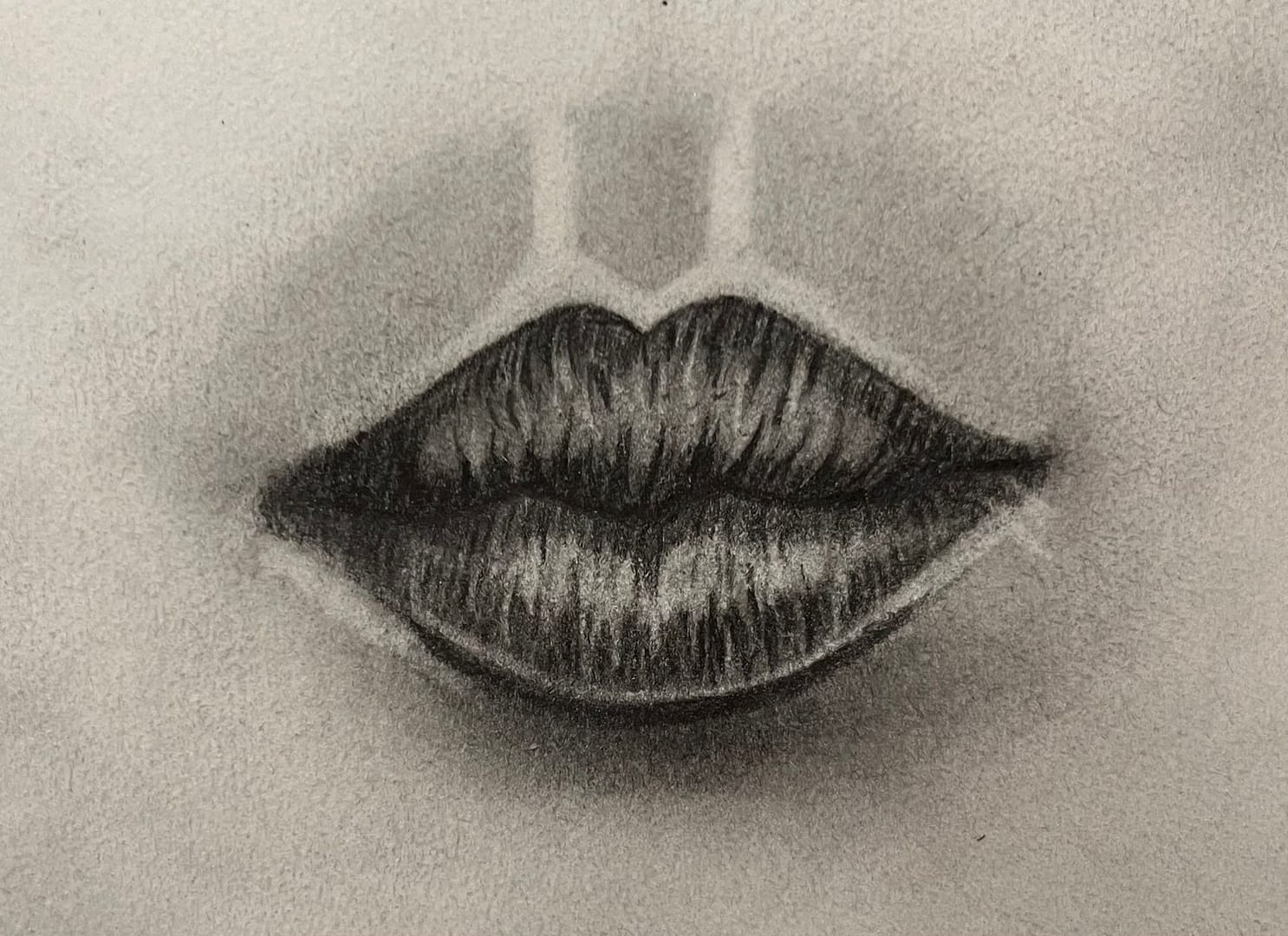
Join Fania Art Gallery and discover a supportive environment where you can learn, practice, experiment, and grow as an artist.
Whether you are a beginner, an adult returning to art, or an experienced painter looking to refine your skills, our classes can help you move forward with greater confidence.
Explore our painting classes in Aurora and start developing your artistic skills today. Your next painting could be the beginning of something much bigger.