
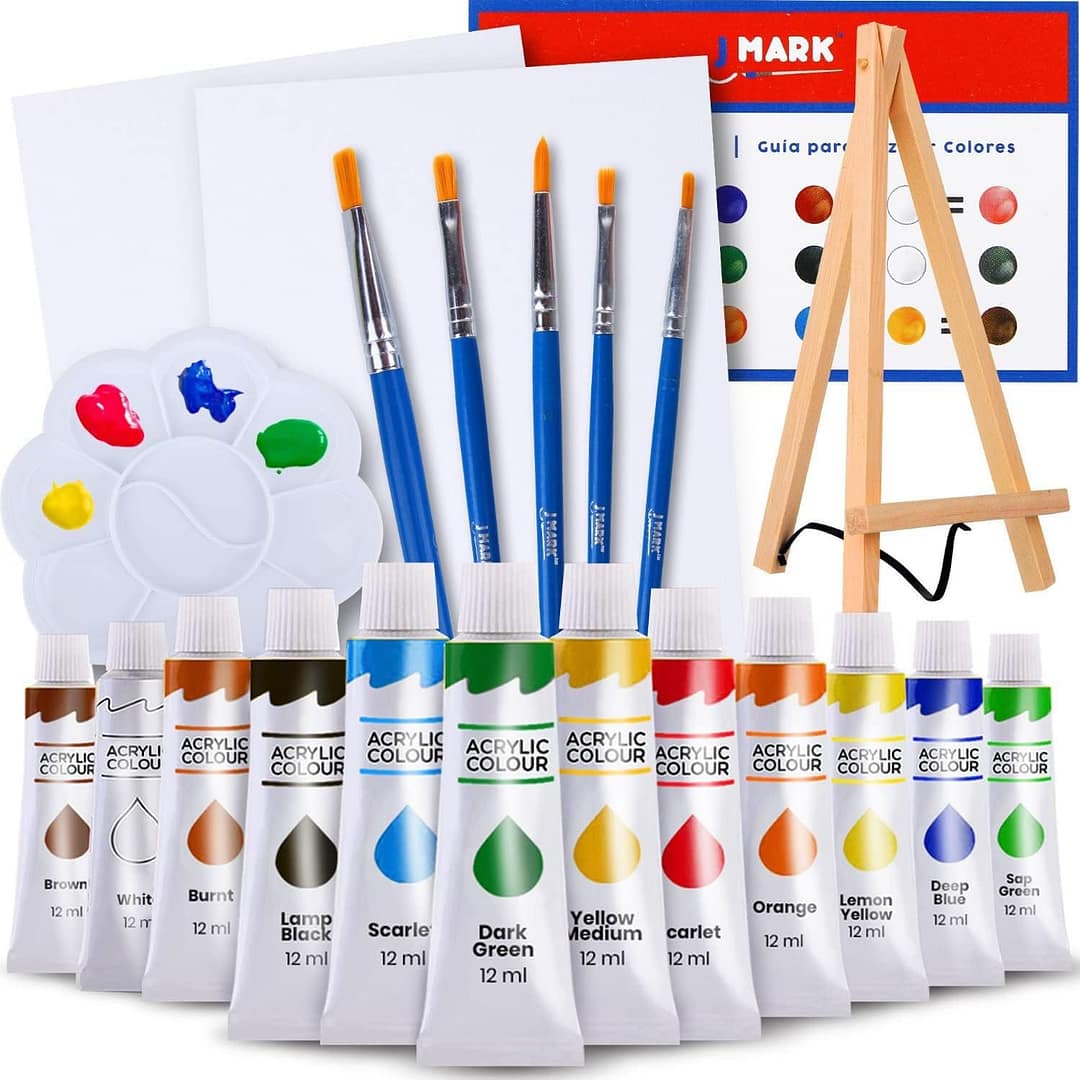
Enrolling in a Painting Class is an exciting first step toward unleashing your creative potential. Whether you’re drawn to oils, acrylics, or watercolors, understanding key techniques and mindsets can make a world of difference in your artistic growth. Many beginners struggle with hesitation, self-doubt, and technical challenges, but with the right approach, anyone can develop a strong foundation in painting.

Starting your artistic journey can be both exciting and challenging. For beginners, learning how to paint is not simply about putting colors on a canvas. It involves developing observation skills, understanding color, controlling brushes, creating depth, and learning how to make confident artistic decisions.
A well-designed Painting Class gives beginners the opportunity to develop these skills step by step. Instead of focusing only on the final painting, effective painting lessons teach students how to understand the process behind successful artwork.
Whether you are interested in watercolor, acrylic, oil painting, or mixed media, the following secrets can help you make faster progress and get more from your Painting Class experience.

Before even picking up a brush, train your eyes to see like an artist. One of the most important skills beginners develop in a Painting Class is the ability to observe objects accurately rather than simply painting what they think an object should look like.
When looking at a flower, for example, a beginner may immediately think about its general shape and color. An experienced artist looks deeper. They notice the direction of the petals, the spaces between them, the intensity of the light, the subtle changes in color, and the shadows created by overlapping forms.
Practice observing:
Basic shapes and proportions
Light and shadow
Negative space
Edges and contours
Color temperature
Texture and surface details
The relationship between objects
Try spending several minutes observing your subject before beginning your painting. Ask yourself where the darkest area is, where the light is coming from, and which colors appear warmer or cooler.
This habit can dramatically improve your compositions. Strong observation skills also make it easier to translate real-life subjects into convincing paintings.
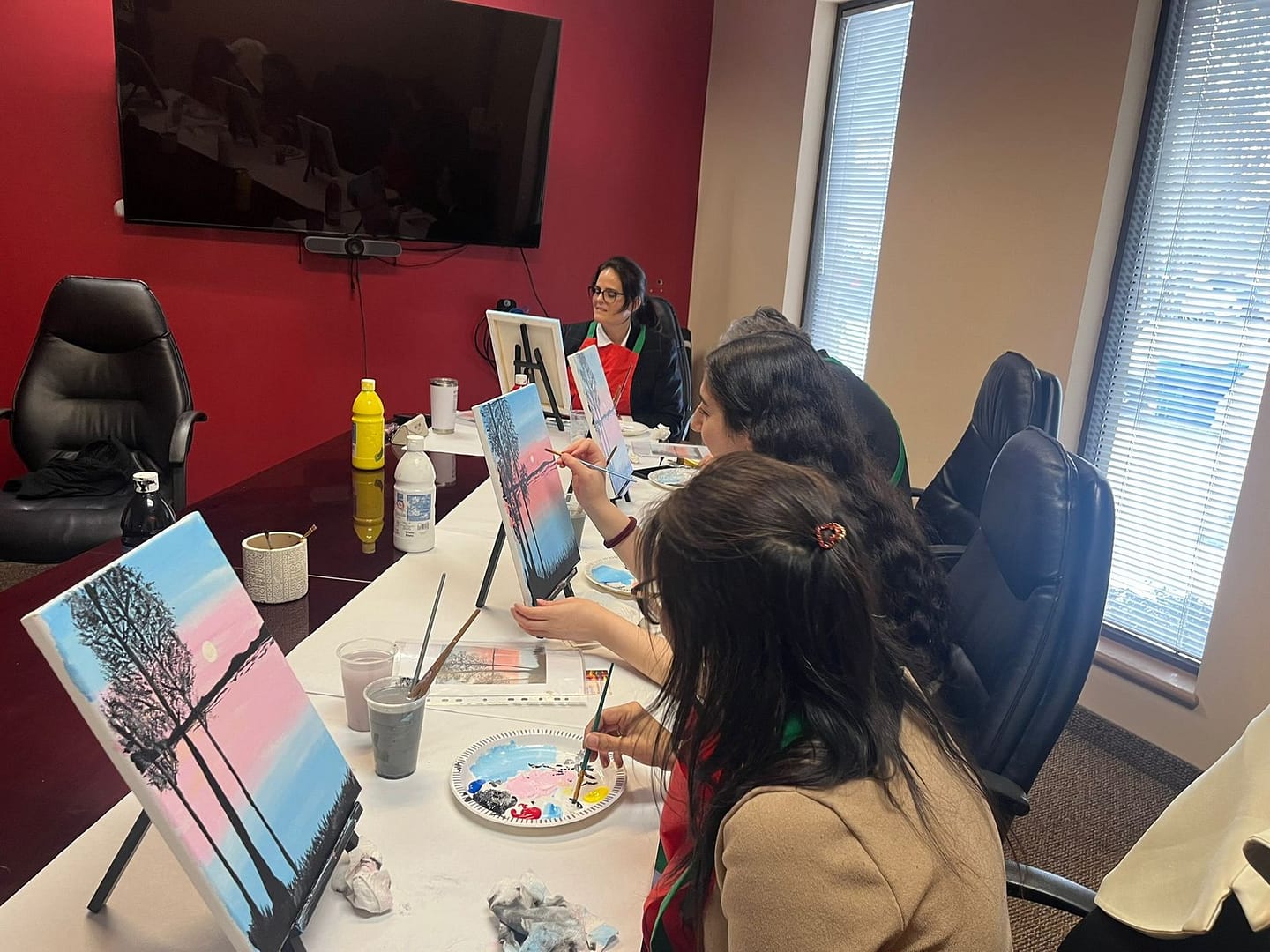
Many beginners try to paint complicated subjects too soon. A better approach is to break everything into basic shapes.
A face can be studied as a combination of simple forms. A landscape can be divided into areas of sky, land, trees, and distant objects. Even complicated objects can often be understood through circles, rectangles, triangles, and organic shapes.
This approach is particularly useful in a Painting Class for Beginners because it reduces the pressure to create a perfect image immediately.
Before adding details, concentrate on:
The overall shape.
The proportions.
The position of the subject.
The major light and dark areas.
The relationship between different elements.
Once the basic structure is correct, details become much easier to add.
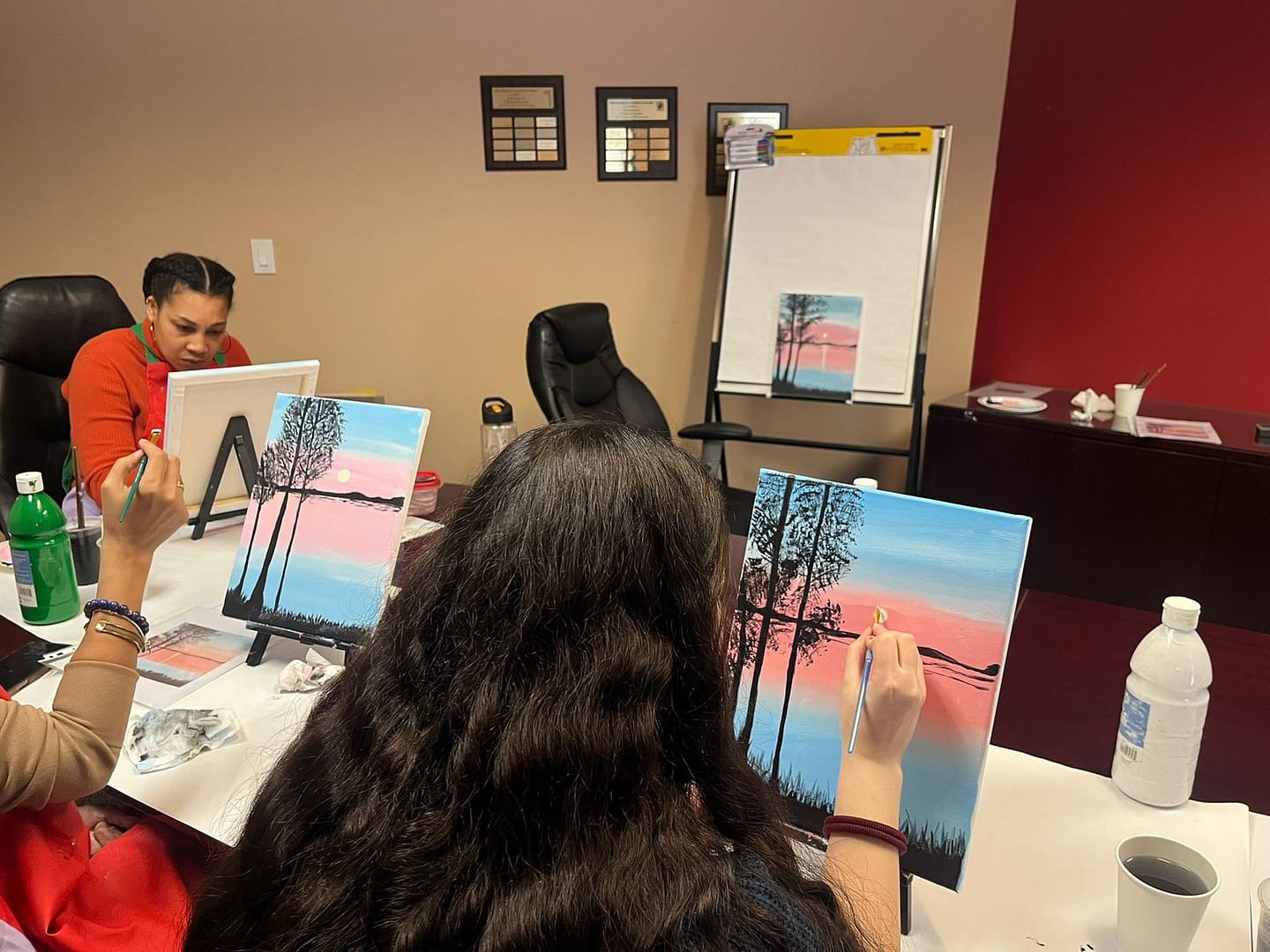
One common mistake beginners make is trying to achieve the final look in a single application of paint. Effective painting lessons teach students that many successful paintings are developed gradually through multiple layers.
Start with the larger shapes and general colors. Once those areas are established, gradually introduce additional layers, shadows, highlights, and smaller details.
Depending on the medium, layering can produce very different effects. In watercolor, transparent washes can create luminous depth. Acrylic paint allows artists to build opaque layers relatively quickly. Oil painting can use multiple layers to create rich transitions and subtle variations.
A useful general process is:
Sketch → Base Colors → Shadows → Midtones → Highlights → Details → Final Adjustments
Working in stages prevents beginners from becoming overwhelmed. It also makes it easier to correct mistakes before too much detail has been added.
Layering creates richness and dimension while helping prevent a painting from looking flat or unfinished.

Every brushstroke carries intention. Learning how to use different brushes effectively can significantly influence the appearance of your artwork.
A professional Painting Class will usually introduce students to several brush shapes and explain how each one can produce a different effect.
For example:
Round brushes are useful for details, lines, and controlled strokes.
Flat brushes can cover larger areas and create clean edges.
Filbert brushes are useful for soft edges and rounded forms.
Fan brushes can create interesting textures.
Liner brushes are useful for fine lines and delicate details.
However, simply owning many brushes does not make someone a better painter. The goal is to understand how pressure, direction, speed, and paint consistency change each brushstroke.
Long, sweeping movements can create a sense of flow. Short strokes can add texture. Gentle pressure creates softer marks, while stronger pressure can produce broader and more expressive strokes.
Experimenting with these techniques will eventually help you develop greater control and a more recognizable artistic style.
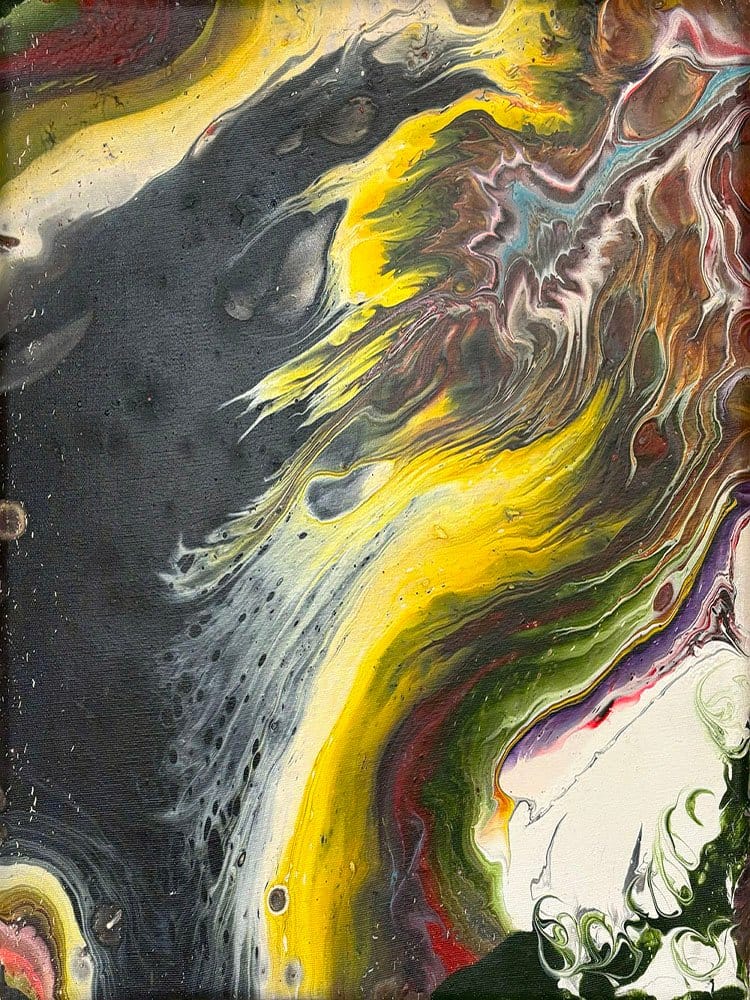
Paint quantity is another important skill that beginners often overlook.
Using too much paint can make certain areas heavy or difficult to control. Using too little can result in weak coverage or uneven surfaces. The ideal amount depends on the medium, the brush, the surface, and the effect you want to create.
During a Painting Class, pay attention to how your instructor loads the brush and mixes paint before applying it to the canvas.
Practice controlling:
Paint thickness
Water or medium levels
Brush loading
Pressure
Stroke length
Paint coverage
Developing this control can make your painting process much more predictable and enjoyable.

Rather than relying entirely on pre-mixed paints, explore the beauty of custom color blends.
A strong Painting Class should encourage students to understand color relationships instead of simply memorizing which paint to use.
Learn how primary colors interact and experiment with warm and cool variations. A green made from different combinations of yellow and blue can look completely different depending on the proportions and temperature of those colors.
Instead of automatically using black for every shadow, experiment with complementary colors or darker versions of surrounding colors. This can create more natural and sophisticated shadows.
For example, a shadow on a yellow object may contain subtle purple or brown influences rather than simply being gray or black.
Creating your own colors also gives your artwork greater harmony. When colors are mixed from a related palette, different areas of the painting often feel more connected.

Beginners sometimes believe that more colors automatically produce better paintings. In reality, using too many unrelated colors can make artwork appear chaotic.
Try starting with a limited palette. Choose a small number of colors and learn what you can create by mixing them.
A limited palette can help you understand:
Color harmony
Warm and cool relationships
Value
Saturation
Complementary colors
Color mixing ratios
This is an excellent exercise for students attending painting lessons because it encourages decision-making instead of relying on every color available in the paint box.

Color is important, but value is often even more important when creating the illusion of form.
Value refers to how light or dark something appears. A painting can contain beautiful colors and still look flat if the values are not properly organized.
A skilled instructor in a Painting Class will often teach students to identify the lightest lights and darkest darks before concentrating on small details.
When studying a subject, ask:
Where is the primary light source?
Which area is the brightest?
Where are the deepest shadows?
Which forms overlap?
Where does the light gradually transition into shadow?
Understanding these relationships helps create three-dimensional forms.
A useful beginner exercise is to simplify your subject into three main values: light, middle, and dark. Once you understand those relationships, you can gradually introduce more subtle transitions.
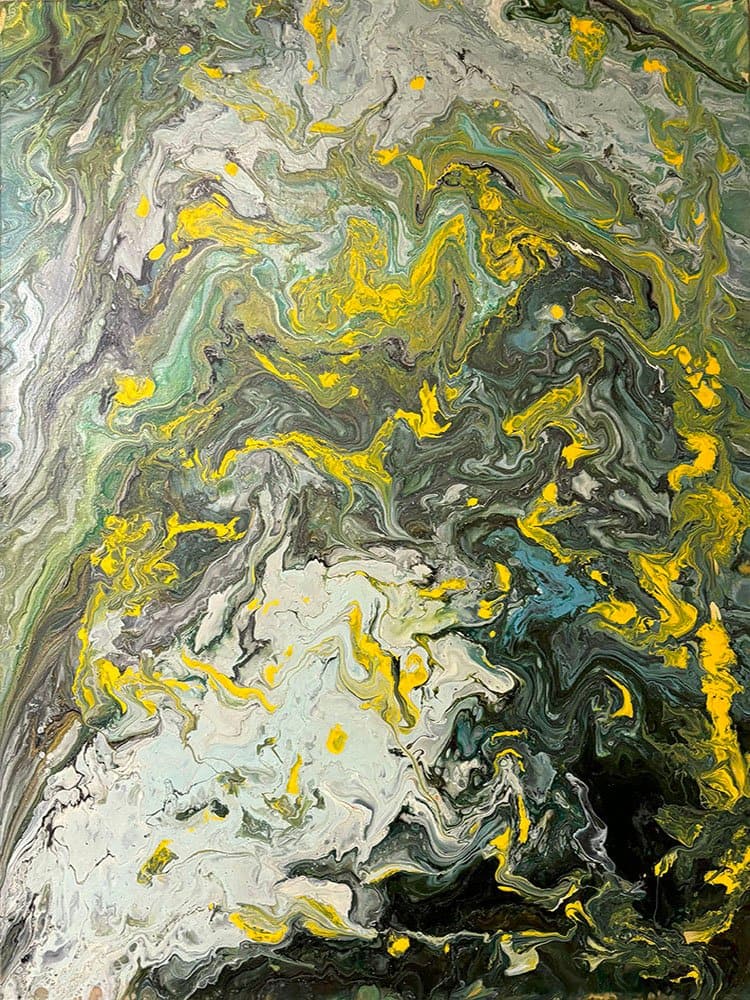
Light is the lifeblood of a compelling painting. Whether you are painting a still life, portrait, landscape, or abstract composition, light determines how the viewer experiences the artwork.
Strong contrast can draw attention to a specific area. Softer transitions can create atmosphere and distance.
For example, in a landscape, foreground objects may have stronger contrast and sharper edges. Distant objects can have softer edges and less contrast.
This technique helps create depth without requiring excessive detail.
Learning how to control contrast is one of the most valuable painting skills for beginners because it allows you to guide the viewer’s attention.
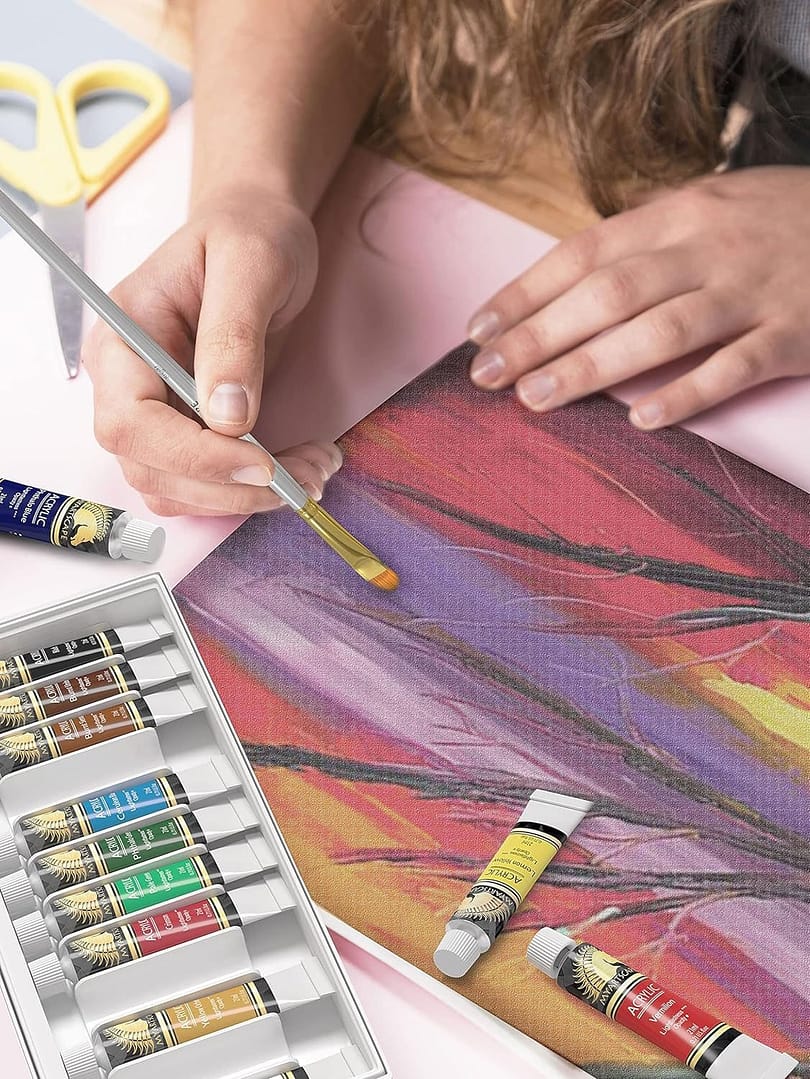
Perfectionism can become a major obstacle to artistic development.
A Painting Class provides a safe environment where beginners can make mistakes and learn from them. Every unsuccessful brushstroke can teach you something about color, proportion, composition, or technique.
Perhaps a color mixture becomes too dark. Maybe an object is positioned incorrectly. Perhaps the composition feels unbalanced.
Instead of immediately considering the painting a failure, ask:
What did this mistake teach me?
Artists improve through experimentation. Some of the most valuable lessons come from discovering what does not work.
Allow yourself to make imperfect paintings. Not every canvas needs to become a masterpiece. Some paintings are simply practice, and practice is an essential part of becoming a better artist.
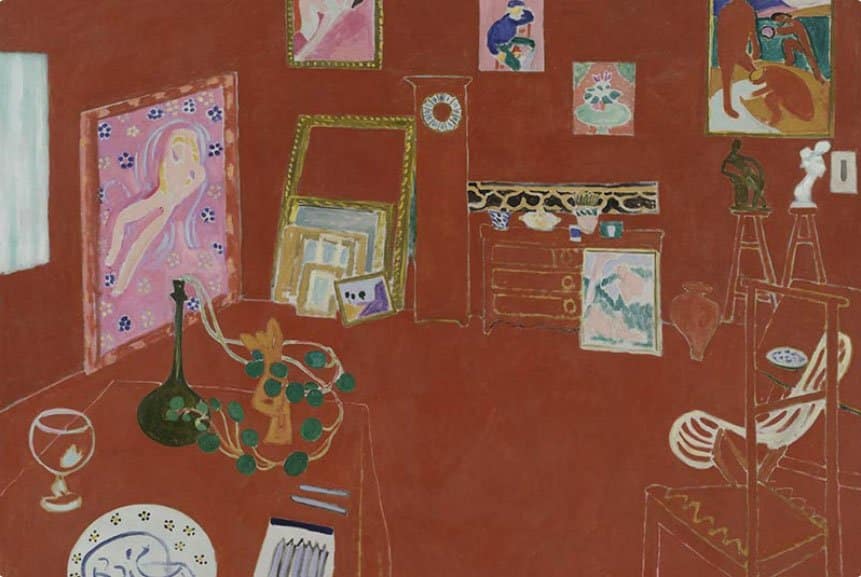
When a painting does not look right, avoid randomly adding more paint. Stop and identify the actual problem.
Is the problem:
Proportion?
Value?
Color?
Composition?
Perspective?
Edges?
Brush control?
Lack of contrast?
Identifying the problem before making changes can save time and prevent overworking the painting.
This analytical approach is one of the advantages of structured painting lessons. An instructor can often identify an issue that a beginner cannot see yet.
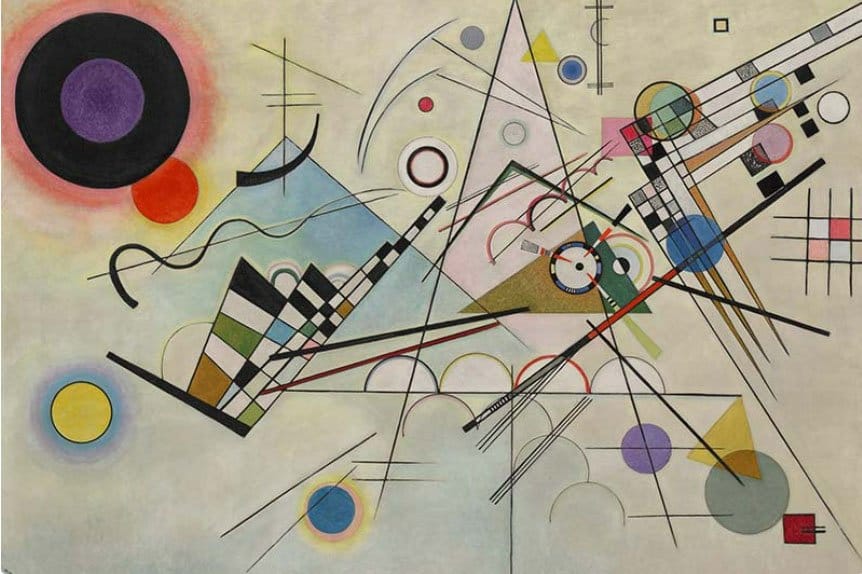
A blank canvas can feel intimidating. Many beginners spend too much time worrying about making the first mark.
Instead, begin with a simple plan.
Lightly sketch the main composition and identify the major shapes. Then establish the largest areas of color before thinking about details.
Remember that the first layer does not need to be perfect. It is simply the foundation for everything that comes later.
With practice, the blank canvas becomes an opportunity rather than something to fear.
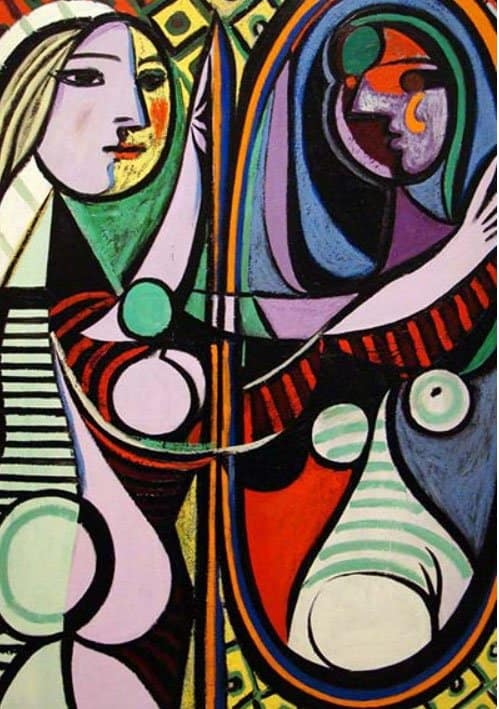
Technical skills are essential, but a good Painting Class should also encourage artistic individuality.
Beginners often try to copy the style of artists they admire. This is a useful learning exercise, but it should eventually lead to experimentation.
Try changing:
Your color palette
Brush size
Subject matter
Composition
Level of detail
Texture
Painting speed
Degree of realism
You may discover that you prefer loose expressive brushwork rather than highly detailed realism. Another student may enjoy delicate watercolor landscapes or bold acrylic paintings.
There is no single correct artistic style.
Your creative voice develops naturally through repeated practice and experimentation.
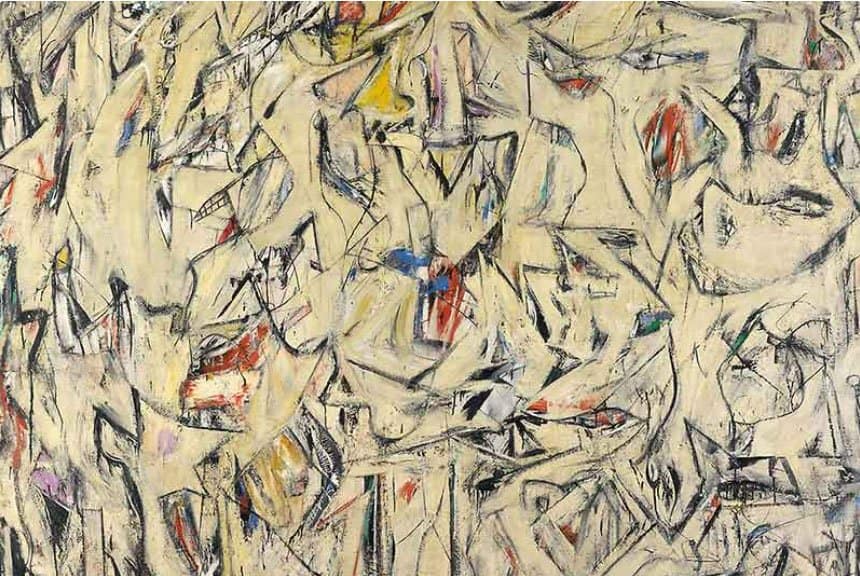
Attending a Painting Class once a week is valuable, but regular practice between lessons can accelerate your progress.
You do not always need several hours to practice. Even 15 to 30 minutes can be useful when the exercise has a clear purpose.
For example, dedicate one session to color mixing. Another day, practice brush control. On another day, paint simple objects using only three values.
Short, focused exercises often produce better results than spending hours painting without a specific goal.
Keep your practice paintings. Looking back at older work can reveal progress that is difficult to notice from day to day.
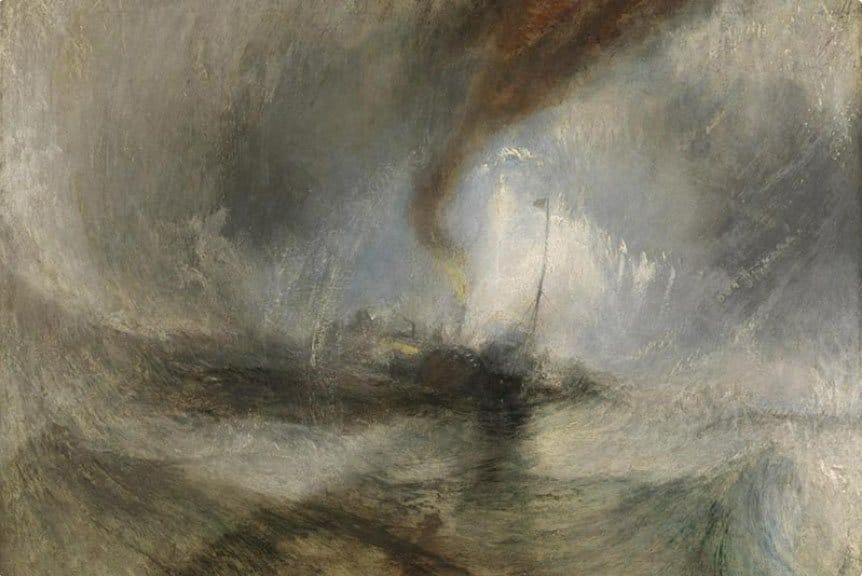
Beginners sometimes stop too early because they are afraid of ruining their work. Others continue adding details long after the painting has already reached a strong point.
Learning when to stop is an important artistic skill.
Step away from the canvas occasionally and view it from a distance. Ask whether additional details genuinely improve the composition.
Sometimes the best final step is not adding more paint but removing unnecessary marks or strengthening one important area.
A good instructor can help you recognize when a painting feels complete.
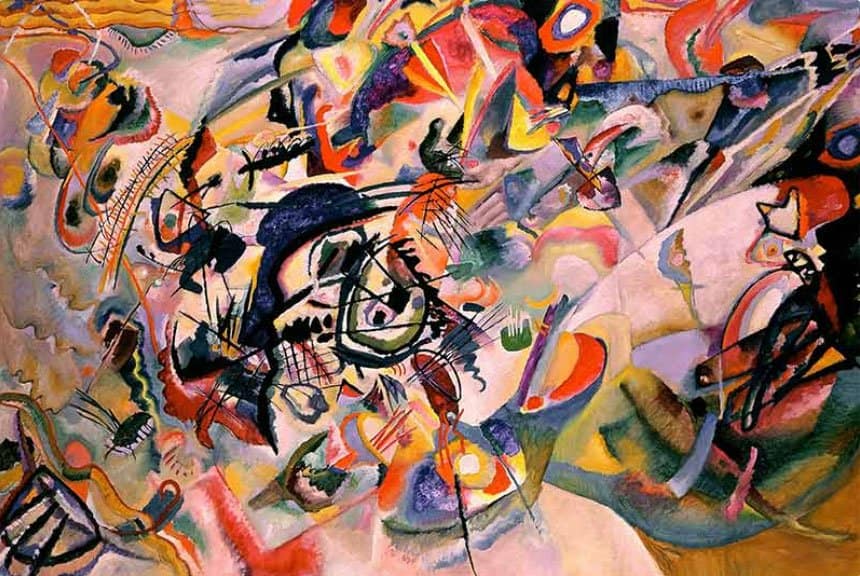
Constructive feedback is one of the biggest advantages of learning in a structured Painting Class.
Instead of relying only on your own judgment, you can receive suggestions about composition, color, technique, and areas that need improvement.
When receiving feedback, try not to focus only on whether someone likes or dislikes your painting. Pay attention to the reasoning behind the advice.
For example, feedback such as “increase the contrast in this area” gives you a practical skill that you can use in future paintings.
Over time, external feedback helps you develop your own critical eye.
Confidence does not appear overnight. It develops through repeated experiences of solving artistic problems.
Start with manageable projects. Paint simple objects, small landscapes, basic still lifes, or limited-color studies.
Each completed painting gives you another opportunity to learn.
As your skills improve, gradually increase the complexity of your subjects. This progression can make the learning process much less frustrating.
A beginner does not need to create professional-level artwork immediately. The real goal is consistent improvement.

One of the most important secrets beginners should understand is that painting is not simply a technical skill.
It is also a form of observation, communication, experimentation, and personal expression.
Two students can paint the same subject while producing completely different results. Their choices of color, composition, brushwork, and emphasis reflect their individual perspectives.
This is why a supportive Painting Class should provide both technical instruction and creative freedom.
The goal is not to make every student paint in exactly the same way. The goal is to give each student the skills and confidence needed to develop their own artistic direction.

A Painting Class is more than a place to learn how to use brushes and paint. It is an environment where beginners can develop observation, color theory, composition, brush control, and creative confidence.
The most important secret is simple: improvement comes from consistent practice, experimentation, and a willingness to learn from mistakes.
Master the basics first. Observe carefully. Build your painting in layers. Experiment with color. Study light and value. Practice different brush techniques. Most importantly, give yourself permission to experiment.
With the right instruction and regular practice, the blank canvas becomes less intimidating and more exciting. Each painting becomes another opportunity to develop your skills, discover your creative voice, and move closer to the artist you want to become.
If you are ready to turn your interest in painting into practical skills, joining a supportive Painting Class for Beginners can be an excellent first step. With expert guidance, hands-on practice, and constructive feedback, you can build a strong artistic foundation and enjoy the creative process along the way.