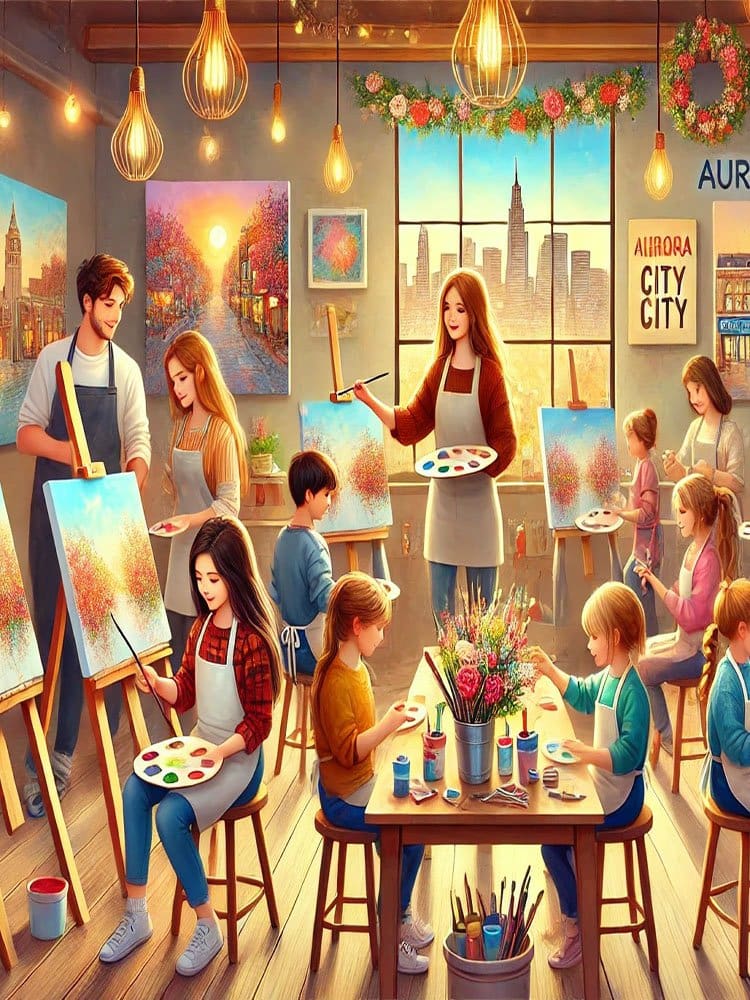
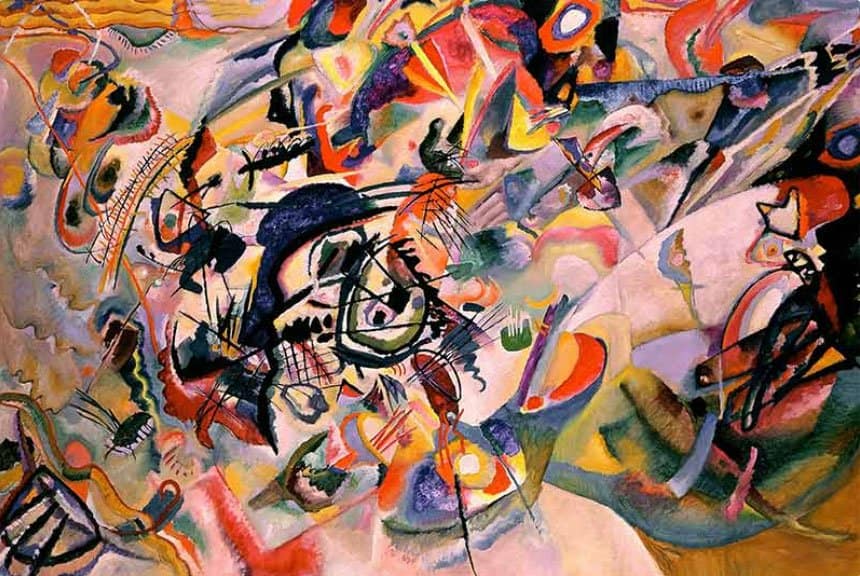
Improving as an artist doesn’t require years of formal training. Small, intentional adjustments can yield dramatic results. Whether you’re a beginner or refining your technique, a Painting Class provides valuable insights that accelerate artistic growth. Understanding key principles, experimenting with techniques, and embracing creative freedom can transform your approach to painting.
Every great painting begins with a strong composition. Before touching a brush, consider the layout of your piece. A well-structured Painting Class often introduces students to compositional rules like the rule of thirds, leading lines, and negative space. These guidelines help create balance and direct the viewer’s eye across the canvas.
Avoid placing your focal point dead center—this can create a static composition. Instead, shift elements slightly off-center for a more dynamic effect. A diagonal arrangement of objects or colors can add movement and depth. Strong compositions engage the viewer, making artwork more compelling.

Learning to paint is an exciting journey that combines observation, creativity, technique, and practice. However, beginners often face challenges when they first pick up a brush.
Understanding a few essential principles can make the learning process easier. These principles help students improve their technique while developing confidence and creativity.
A well-structured Painting Class introduces these concepts through demonstrations and practical exercises. Students can learn how to control paint, understand color, improve composition, and develop their own artistic style.
The following painting secrets can help beginners make better decisions and progress more confidently.

One often-overlooked technique in a Painting Class is underpainting. This method involves creating a preliminary layer before applying the final colors.
Underpainting can establish the basic structure of an artwork. It helps artists identify light areas, dark areas, and major shapes before adding details.
Many artists use a monochromatic underpainting. This approach focuses mainly on values rather than full color. It allows the artist to establish the foundation of the composition first.
Value refers to the relative lightness or darkness of an area. Strong value relationships can make a painting appear more dimensional.
For oil and acrylic painters, burnt sienna can create a warm foundation. Ultramarine blue can provide a cooler visual effect.
These colors can subtly influence the layers applied above them. Small areas of the underpainting may remain visible. This can add visual richness and complexity.
Watercolor artists can use a similar concept with light initial washes. These washes establish broad color relationships before additional layers are added.
A Painting Class can demonstrate how underpainting affects the final appearance. Students can compare paintings created with different foundation colors.
Underpainting also encourages artists to work from general shapes toward specific details. This prevents beginners from becoming focused on small areas too early.
Another advantage is improved composition. Major forms can be adjusted before the final layers become complicated.
Beginners should remember that underpainting does not need to be perfect. Its purpose is to establish a strong foundation.
Experimenting with warm and cool underpainting can also help students understand color interaction. This experience strengthens both color awareness and painting confidence.
With practice, underpainting becomes a useful planning tool. It can help artists create paintings with greater depth, harmony, and visual structure.

A skilled artist understands that brush control is just as important as color selection. The way a brush moves across a surface affects texture, edges, movement, and expression.
In a Painting Class, students can experiment with different brushes and application methods. Each brush produces a different type of mark.
Flat brushes are useful for broad shapes and crisp edges. They can also create strong, controlled strokes.
Round brushes are extremely versatile. They can produce both thin lines and broader marks depending on pressure and angle.
Fan brushes can help create soft textures. They can be useful for foliage, clouds, hair, and certain blending effects.
Liner brushes are designed for fine details. They can create delicate lines and intricate marks.
Filbert brushes combine characteristics of flat and round brushes. Their curved edges can create softer transitions.
Using the correct brush can make a difficult task much easier. However, brush selection is only part of the process.
The way you hold a brush also changes the result. Holding it close to the tip provides greater precision. Holding it farther back encourages looser movement.
Brush pressure matters as well. Light pressure can create delicate marks. Stronger pressure can produce broader and more expressive strokes.
A Painting Class can help beginners understand these differences through practical exercises.
Students can practice straight lines, curved strokes, dots, controlled edges, and loose marks. These simple exercises improve coordination.
Brush direction can also influence visual movement. Horizontal strokes may create calmness. Diagonal strokes can introduce energy and movement.
Artists should also learn when to stop brushing an area. Excessive brushing can mix colors unintentionally. It can also create muddy or overworked surfaces.
A useful exercise is to create a small painting using only a few brush types. This forces students to understand what each brush can accomplish.
Over time, brush control becomes more intuitive. Artists spend less time thinking about mechanics and more time focusing on creative decisions.
Strong brush control can therefore improve both precision and artistic expression.

Color mixing is one of the most important skills beginners can develop. Instead of relying entirely on pre-mixed colors, artists should learn how pigments interact.
A well-structured Painting Class introduces color theory through practical exercises. Students learn how primary colors combine to create secondary and tertiary colors.
Understanding the color wheel provides a useful foundation. It helps artists recognize complementary, analogous, and contrasting relationships.
Complementary colors appear opposite each other on the color wheel. Mixing them carefully can produce more natural darker tones.
For example, a small amount of red can influence green. Blue and orange can also be combined to create complex neutralized colors.
Using complementary colors instead of pure black can create more sophisticated shadows. The resulting colors often maintain greater visual harmony.
Artists should also learn about color temperature. Warm colors include reds, oranges, and yellows. Cool colors include blues, greens, and many purples.
Warm and cool colors can create the illusion of depth. Warm colors may appear closer in some compositions. Cooler colors can help create distance.
However, this principle depends on context. Saturation, value, surrounding colors, and lighting also influence visual depth.
A Painting Class can teach students to observe these relationships rather than relying on fixed rules.
Avoiding muddy mixtures is another important skill. Mixing too many pigments together can reduce clarity and saturation.
Beginners can improve by using a limited palette. Fewer pigments encourage more thoughtful mixing and stronger color relationships.
It is also useful to create a color chart. Students can record combinations and observe the resulting colors.
This simple exercise builds a personal reference library. It can save time during future paintings.
Artists should also compare colors next to one another. A color can appear different depending on the surrounding colors.
Lighting affects color perception as well. Natural daylight, indoor lighting, and artificial light can produce different visual impressions.
Learning these principles helps students make intentional color decisions.
With regular practice, color mixing becomes faster and more intuitive. Artists begin predicting results before combining pigments.
This confidence allows them to focus more on composition and creative expression.
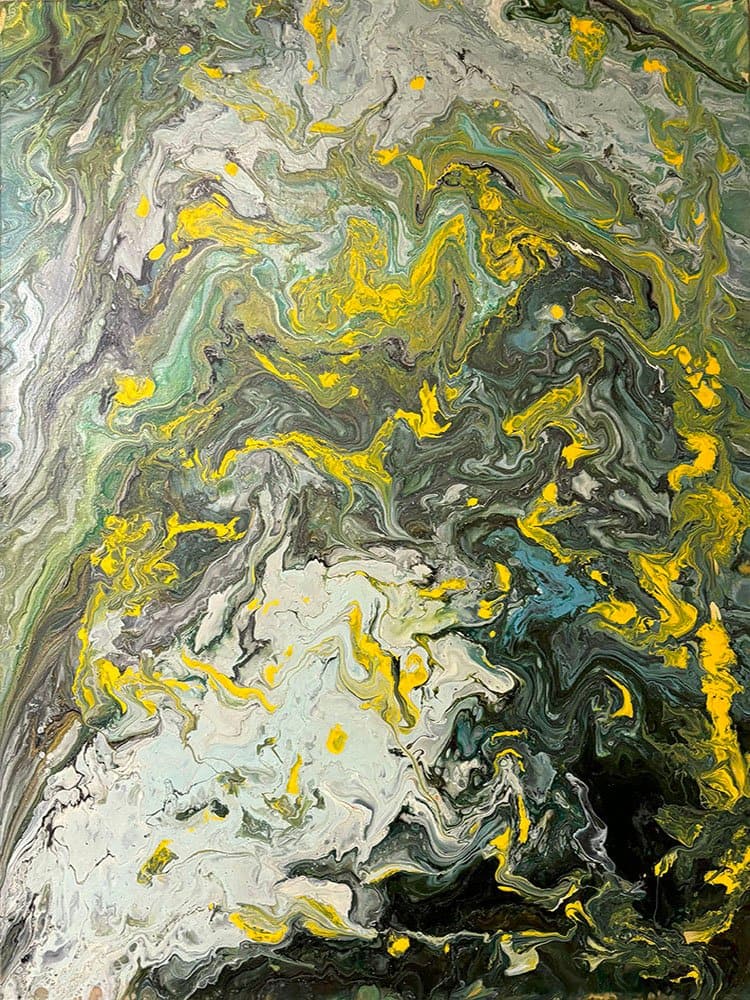
Light and shadow give paintings a sense of form and dimension. Without clear value relationships, even accurate drawings can appear flat.
In a Painting Class, students learn that value can be more important than color when establishing realistic form.
Before focusing on detailed colors, beginners can study a subject in grayscale. This exercise helps them identify light, middle, and dark values.
Chiaroscuro is a traditional approach that emphasizes strong contrasts between light and shadow. It can create dramatic and powerful compositions.
However, realistic painting does not always require extreme contrast. Soft transitions can create a more subtle atmosphere.
Beginners should observe the direction of the main light source. The position of the light determines where highlights and shadows appear.
Cast shadows are also important. They show how an object interacts with its surrounding surface.
Reflected light can influence shadow areas as well. A nearby colored object may subtly affect the appearance of a shadow.
Instead of automatically using pure white for highlights, artists can choose lighter versions of the surrounding color.
Similarly, pure black is not always necessary for deep shadows. Mixing darker complementary colors can create more complex results.
A Painting Class can demonstrate these relationships using still-life exercises. Students can paint simple objects under controlled lighting.
Working from observation is particularly valuable. It teaches artists to notice subtle changes rather than relying on assumptions.
Photographs can also provide references. However, real-life observation helps students understand how light changes across three-dimensional surfaces.
Edges are another important part of light and shadow. Some edges should remain sharp. Others should gradually disappear into surrounding areas.
This variation makes a painting feel more natural.
By studying value, light direction, reflected light, and edges, beginners can create stronger depth.
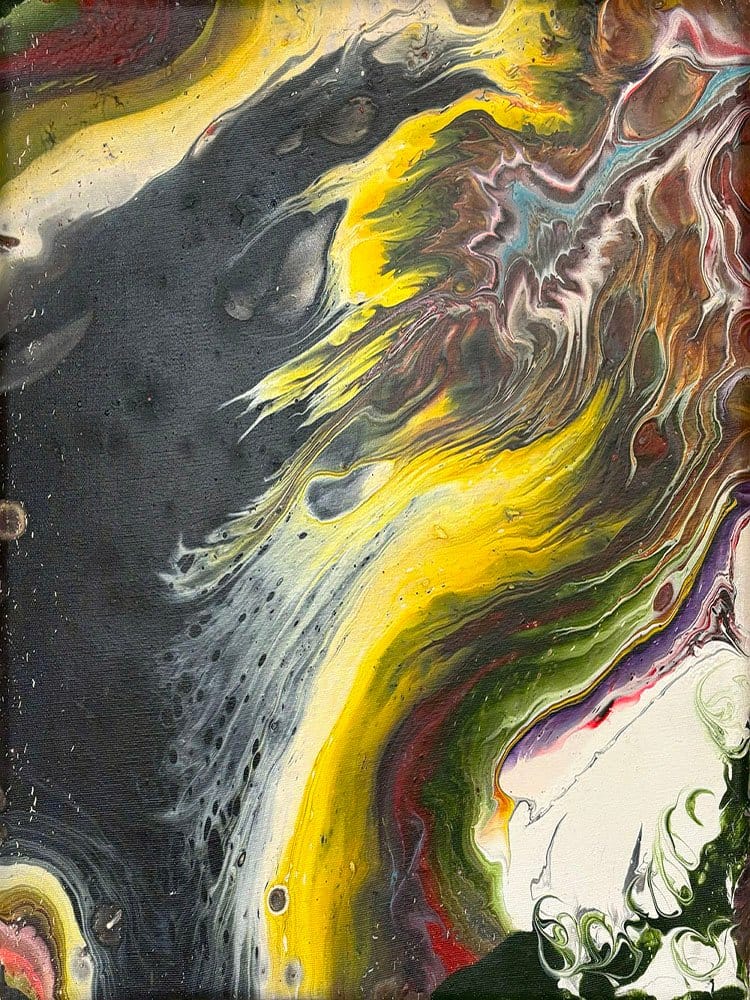
Hesitant brushstrokes can make paintings appear overworked. Beginners sometimes repeatedly correct the same area. This can destroy fresh color and texture.
One of the most valuable lessons in a Painting Class is learning to make deliberate brushstrokes.
Confidence does not mean rushing. It means understanding the purpose of each stroke before applying it.
A useful exercise is to visualize the stroke before touching the canvas. Decide its direction, length, pressure, and purpose.
Large brushes can also encourage confidence. Beginners often use small brushes because they feel safer. However, small brushes can encourage excessive detail.
Using a larger brush forces artists to simplify. It also encourages broader and more expressive movements.
Gestural painting provides another useful exercise. Artists apply strokes quickly while focusing on movement and overall structure.
This approach can reduce stiffness. It can also help students develop a more expressive artistic style.
Brush economy is another important concept. Fewer purposeful strokes can sometimes create stronger results than many corrections.
Artists should avoid repeatedly touching areas that are already working. Sometimes the best improvement is knowing when to leave an area alone.
A Painting Class can provide demonstrations showing how experienced artists build a painting with controlled strokes.
Students can practice creating different marks without worrying about producing a finished painting.
For example, they can create long strokes, short strokes, curved strokes, broken marks, and textured applications.
These exercises build muscle memory.
Over time, students become more comfortable making decisions quickly. Their paintings can begin to look more intentional and energetic.
Confident brushwork does not require every stroke to be perfect. Variation and spontaneity can make artwork more interesting.
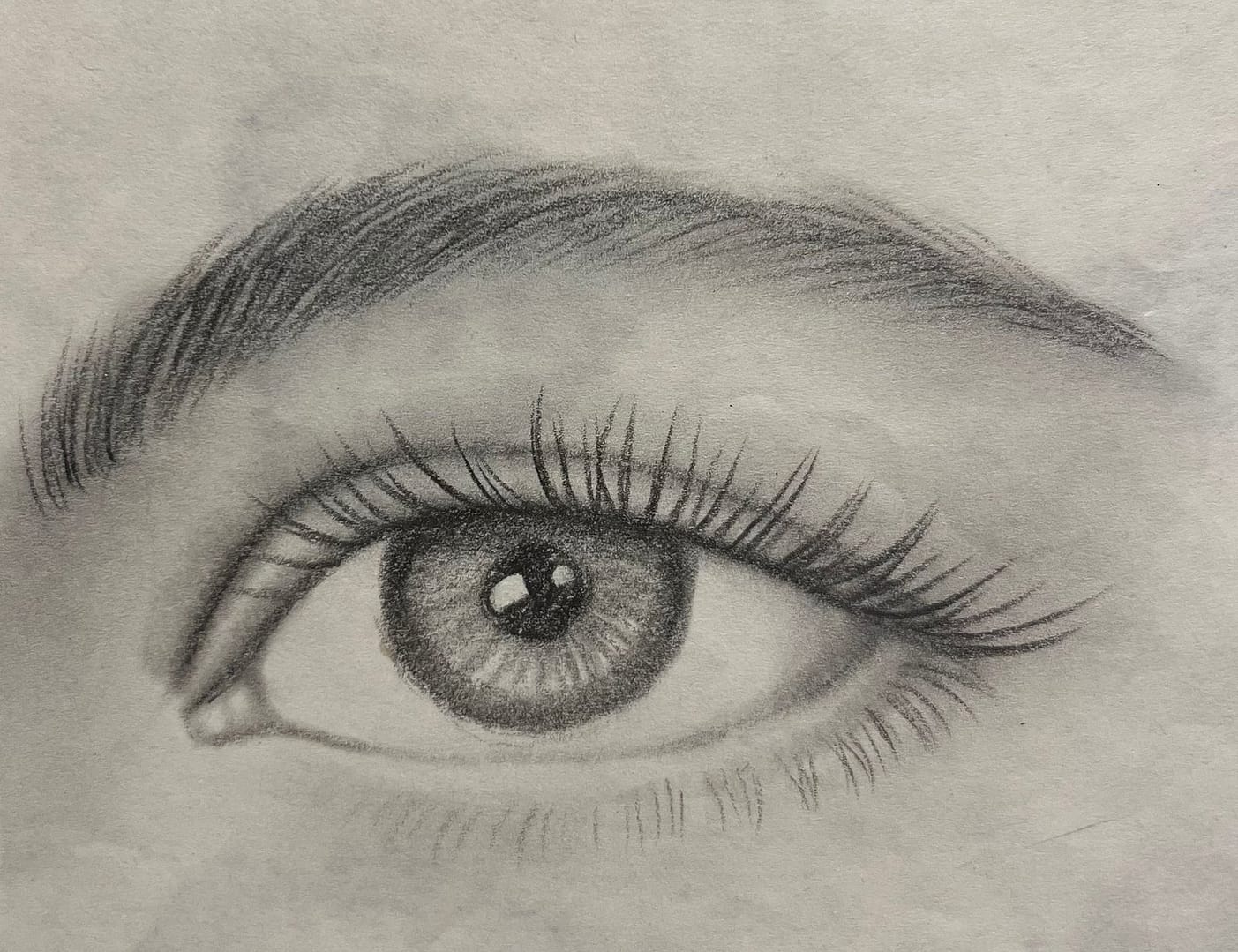
One of the most important principles beginners can learn is to work from general shapes toward specific details.
A structured Painting Class often teaches students to establish the overall composition first.
Start by identifying the largest shapes. Block in the major areas of color and value before adding small details.
This approach allows artists to evaluate the entire painting during its early stages.
Beginners often make the mistake of finishing one small section before working on the rest. This can create inconsistencies in proportion and lighting.
Working broadly prevents this problem.
The first stage should focus on composition and major shapes. The second stage can develop values and color relationships.
Details should come later.
Artists can also establish the focal point before adding secondary elements. This creates a clearer visual hierarchy.
Edges can then be refined selectively. Not every part of the painting requires the same level of detail.
This principle is especially useful for realistic painting. It helps maintain unity across the entire composition.
A Painting Class can demonstrate this process through step-by-step projects.
Students can see how a simple block-in gradually becomes a finished artwork.
Working from general to specific also reduces frustration. Beginners do not need to solve every problem at once.
Instead, they can complete the painting through manageable stages.
This method can be applied to portraits, landscapes, still life, and abstract compositions.
The result is usually a more balanced and cohesive painting.
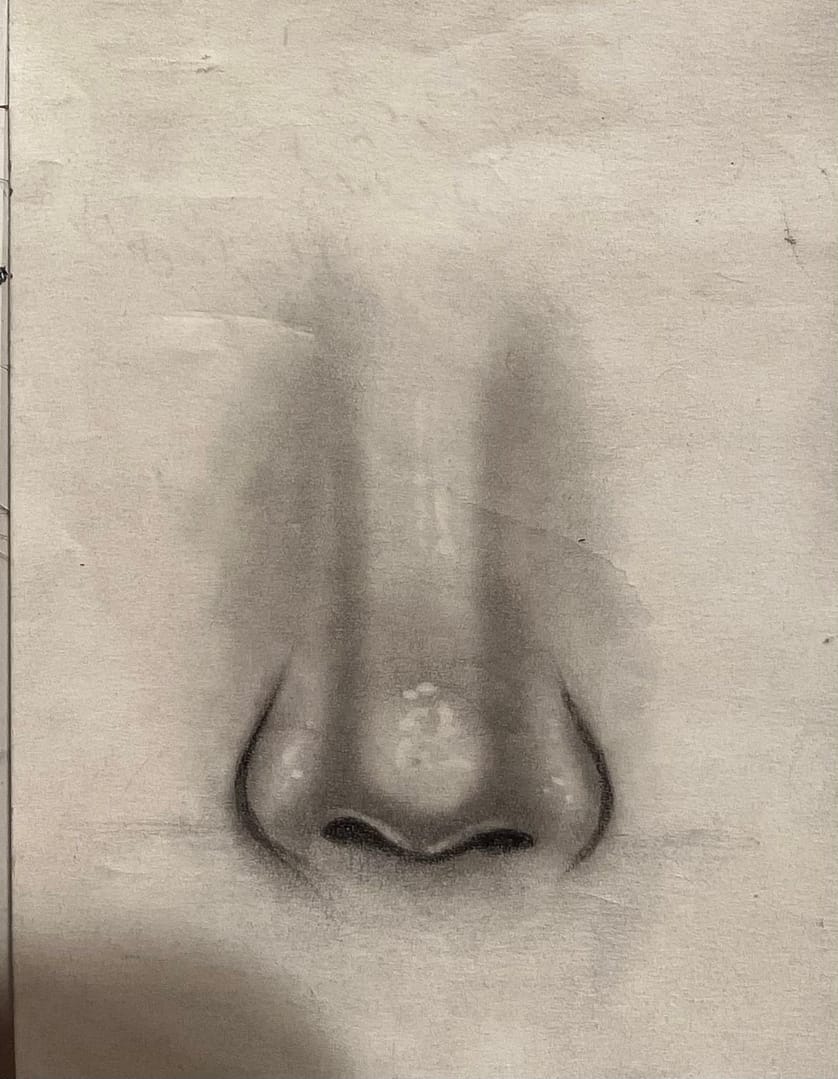
Artistic growth requires experimentation. Learning several painting techniques allows artists to expand their creative vocabulary.
A Painting Class provides an excellent environment for exploring these approaches.
Impasto involves applying paint thickly to create visible texture. The raised surface can interact strongly with light.
This technique is often effective for expressive artwork and textured subjects.
Glazing involves applying thin transparent or semi-transparent layers. It can create luminous color effects.
This technique is particularly useful when artists want to gradually modify color and depth.
Scumbling uses relatively dry paint to create broken or soft visual effects. It can be useful for atmospheric textures.
Artists can use this method to create subtle transitions without completely covering the underlying layer.
Splattering introduces small droplets of paint onto the surface. It can create energy, movement, and visual texture.
The technique can be controlled or spontaneous depending on the desired effect.
Dry brushing uses a brush with relatively little paint. It allows parts of the surface to remain visible.
This method can create rough textures and expressive marks.
Wet-on-wet painting involves applying paint onto an already wet surface. Colors can blend naturally and create soft transitions.
Each technique produces a different visual result.
A Painting Class can help students understand when and why to use each approach.
The goal is not to use every technique in one painting. Instead, students should learn how each method supports a particular artistic purpose.
Experimentation helps artists discover which techniques fit their personality.
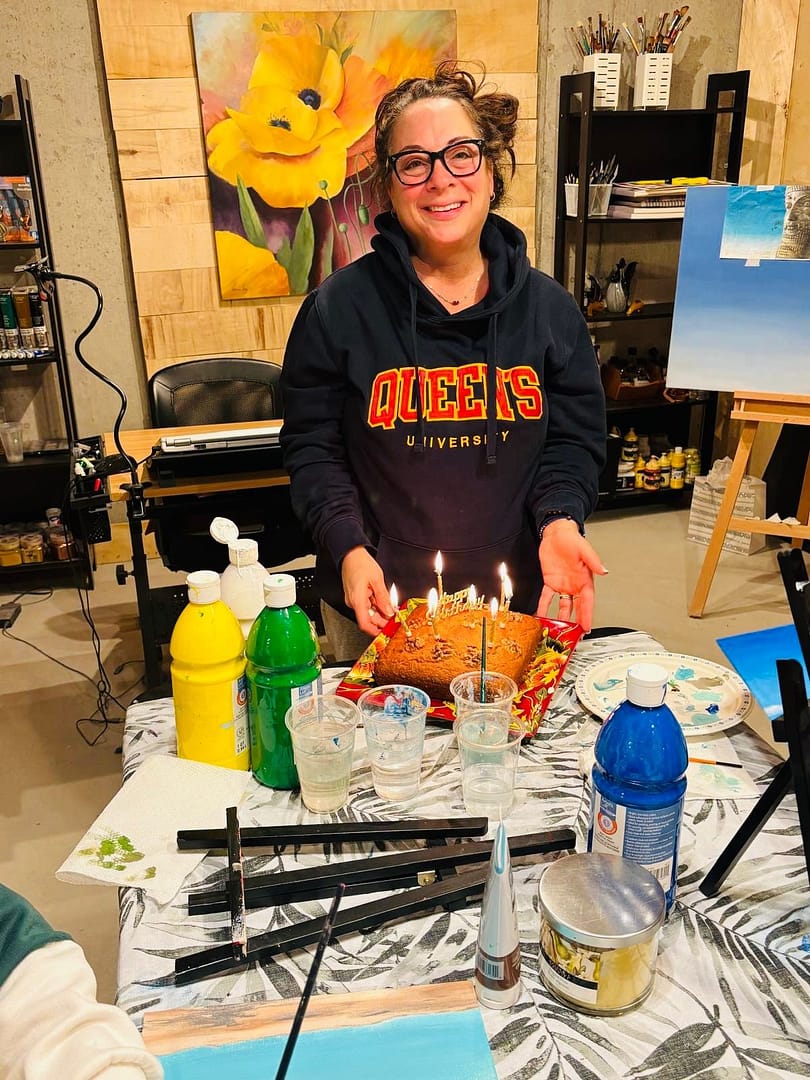
Artists can become too focused when working close to a canvas. Details may look impressive up close but fail to work within the complete composition.
During a Painting Class, instructors often encourage students to step back regularly.
Viewing the painting from a distance provides a different perspective. It makes large problems easier to identify.
You may notice that one area is too dark. Another section may require stronger contrast. A focal point may not attract enough attention.
Taking a quick photograph can also help. The smaller image removes some distracting details.
Looking at the painting in a mirror provides another useful test. The reversed image can reveal compositional problems that are difficult to see normally.
Squinting at the painting can also help. When details become less visible, the major value relationships become easier to evaluate.
Students should periodically ask several questions.
Is the focal point clear?
Are the major shapes balanced?
Does the lighting remain consistent?
Are the darkest and lightest values placed effectively?
Does the painting feel complete?
A Painting Class can teach students how to evaluate these elements objectively.
Regular assessment prevents artists from spending too much time on minor details.
It also encourages a more professional approach to painting.
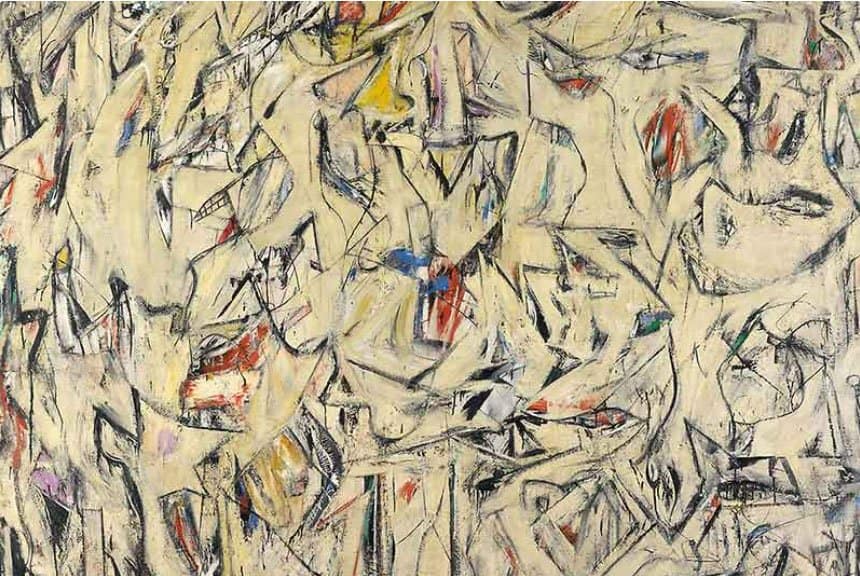
Feedback is an important part of artistic development. A supportive Painting Class can provide opportunities to receive useful opinions from instructors and fellow students.
Beginners sometimes take criticism personally. However, constructive feedback should focus on the artwork rather than the artist.
A helpful critique can identify problems with composition, color, proportion, value, or technique.
Different viewers may notice different things. This variety can provide valuable information.
Students should listen carefully before deciding whether to apply a suggestion.
Not every piece of feedback needs to be accepted. Artists ultimately make their own creative decisions.
The goal is to understand why someone has a particular response.
For example, an instructor may suggest increasing contrast around the focal point. This advice can help students understand visual hierarchy.
Another suggestion may involve simplifying a background. This can teach students how negative space supports composition.
A Painting Class creates an environment where these discussions can happen naturally.
Students can also learn by reviewing the work of others.
Seeing how classmates solve similar problems can introduce new ideas.
Professional artists also use critique as part of their development. Seeking thoughtful feedback can prevent creative stagnation.
The most useful approach is to remain curious.
Instead of asking whether feedback is positive or negative, ask what can be learned from it.
This mindset can accelerate artistic growth.
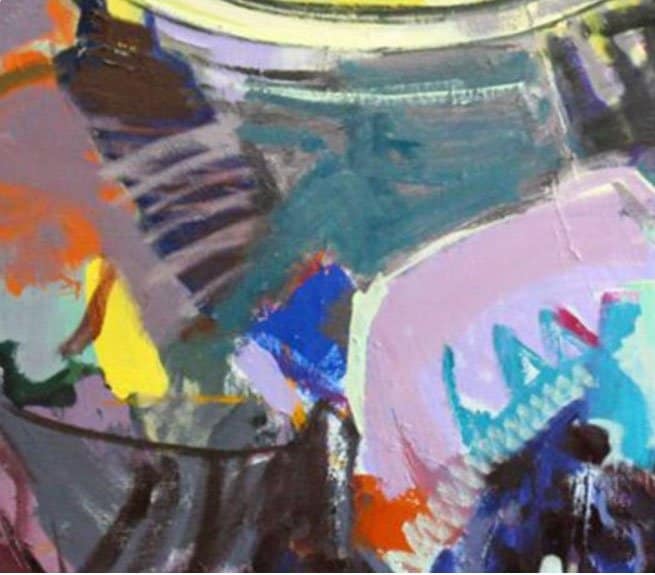
Learning established techniques is important, but the ultimate goal is personal expression.
A Painting Class can provide technical foundations while giving students opportunities to discover their own artistic voice.
Beginners often start by studying artists they admire. This is a natural part of learning.
Copying techniques can help students understand brushwork, composition, and color.
However, artists should gradually move toward original ideas.
Try changing the colors of a familiar subject. Experiment with different compositions. Use unusual brushwork or textures.
These experiments can reveal personal preferences.
Some artists may prefer realistic detail. Others may enjoy loose and expressive brushwork.
Some may be attracted to muted colors. Others may prefer bold and saturated palettes.
There is no single correct artistic style.
A personal style develops through repeated creative decisions.
Keeping a sketchbook can help students record ideas and experiments. They can test compositions without committing to a finished canvas.
A Painting Class can support this exploration by introducing different mediums and techniques.
Students should avoid worrying about finding a perfect style immediately.
Artistic identity changes over time.
The more an artist practices, the more consistent certain preferences may become.
These preferences can eventually form a recognizable visual language.
The goal is not simply to be different. The goal is to create artwork that feels authentic.
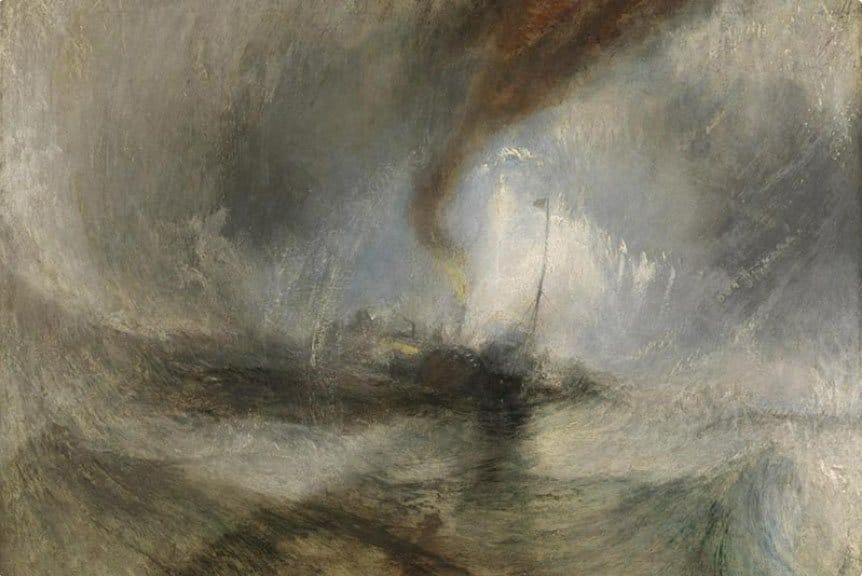
Consistent practice is one of the strongest factors in artistic improvement.
Attending a Painting Class provides structured instruction. However, independent practice between classes can reinforce new skills.
Even short sessions can be valuable.
A student might spend one session practicing color mixing. Another session could focus on brush control.
Quick sketches can also improve observation.
Regular practice creates familiarity with materials. Paint mixing becomes easier. Brush control becomes more natural. Composition decisions become faster.
Setting realistic goals is important.
Instead of promising to complete a large painting every day, choose manageable exercises.
For example, paint a small study for twenty minutes. Focus on one skill rather than trying to improve everything at once.
Keeping previous exercises allows students to track progress.
Comparing older paintings with recent work can reveal significant improvements.
A Painting Class can provide motivation by creating regular deadlines and learning goals.
However, practice should remain enjoyable.
Artists should allow time for experimentation without worrying about producing portfolio-quality work.
Some paintings exist simply to teach a lesson.
Others may become finished artworks.
Both experiences are valuable.
The important thing is to keep painting.
Over time, repeated practice builds technical confidence and creative independence.
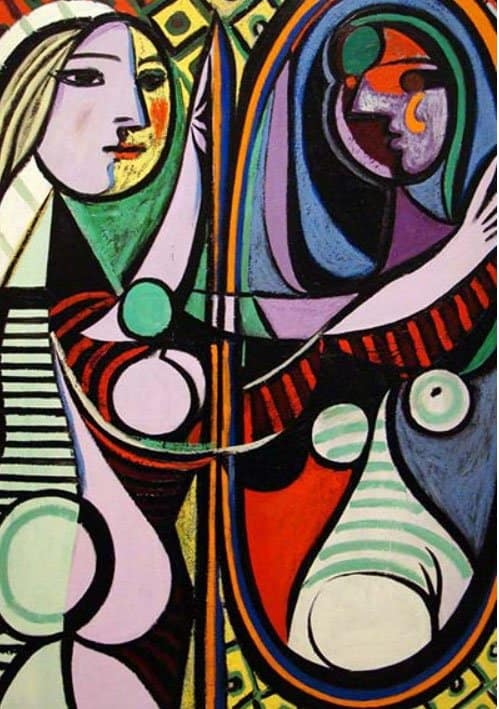
Becoming a better painter does not happen overnight. Artistic development comes from learning, observation, experimentation, feedback, and consistent practice.
The techniques discussed in this guide provide a strong foundation for beginners. Underpainting can create depth. Brush control can improve precision. Color mixing can strengthen harmony.
Understanding light and shadow can create realistic form. Working from general shapes can improve composition. Experimenting with different techniques can expand creative possibilities.
Most importantly, artists should remain curious.
A supportive Painting Class can make this process easier and more enjoyable. Students can learn practical techniques while receiving guidance from experienced instructors.
If you are looking for painting classes in Aurora, Fania Art Gallery offers an opportunity to develop your artistic skills in a creative learning environment.
Whether you are a complete beginner or already have painting experience, structured instruction can help you move forward.
You can explore different painting techniques, practice color theory, improve brush control, and develop greater confidence.
Learning alongside other artists can also make the experience more engaging. You can exchange ideas, receive constructive feedback, and discover new creative approaches.
At Fania Art Gallery, the goal is not simply to teach students how to copy a painting. The goal is to help them understand the creative process and develop their own artistic abilities.
If you have always wanted to learn painting, there is no need to wait for the perfect moment.
Start with one class. Learn one technique. Complete one painting. Then continue building your skills.