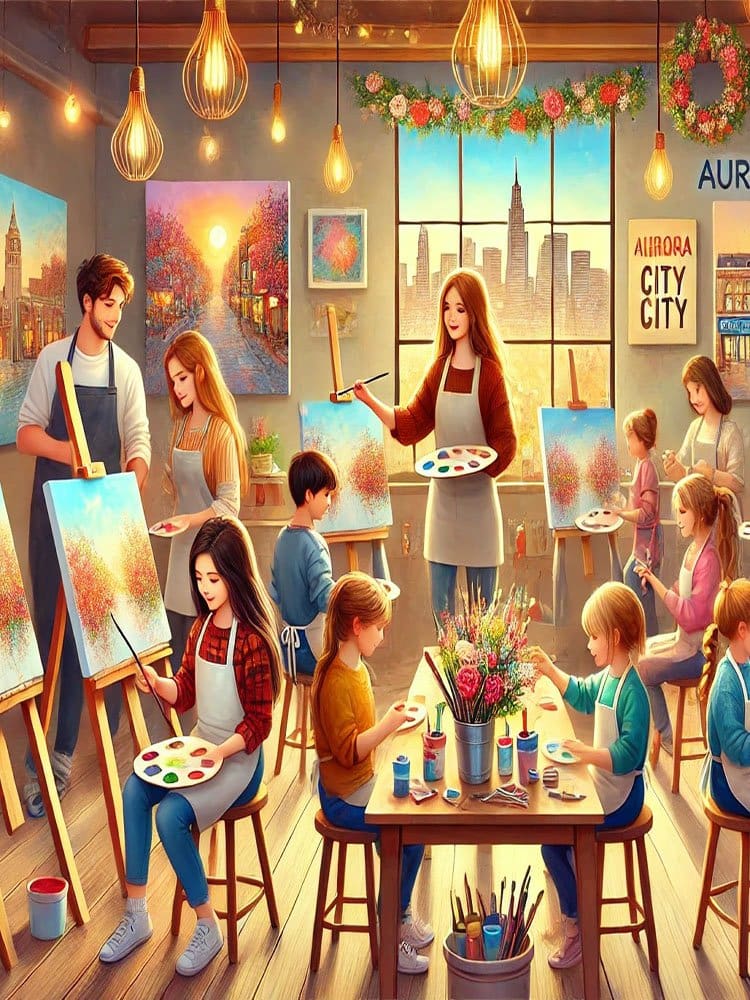
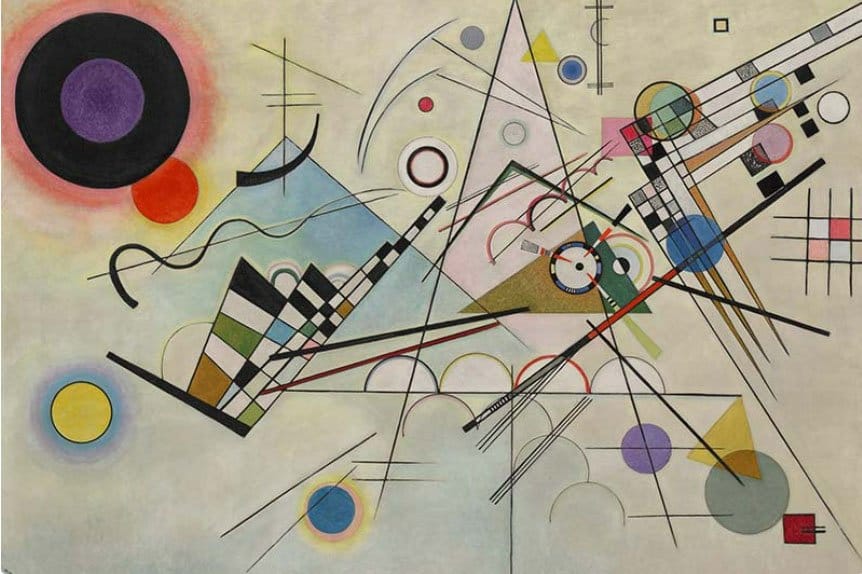
A Painting Class. opens the door to self-expression, creativity, and artistic growth. Whether you are an amateur or a seasoned artist, the thrill of applying color to canvas never fades. Engaging in structured lessons helps refine your techniques and develop confidence in your artistic abilities.
Art transcends words, allowing emotions to take form through brushstrokes and color. A Painting Class introduces fundamental principles of composition, contrast, and perspective, helping participants turn ideas into visual masterpieces. By experimenting with different styles, you unlock hidden talents and develop a unique artistic voice.
The classroom environment fosters motivation and inspiration. Surrounded by fellow artists, you gain exposure to diverse perspectives and creative methods. Constructive feedback from instructors and peers accelerates learning, making each session more enriching than the last.
Painting also nurtures patience and mindfulness. As you blend colors and perfect details, the outside world fades, leaving you in a state of complete artistic immersion. A Painting Class cultivates this focus, ensuring that each participant enjoys the meditative and therapeutic benefits of the creative process.

Color is one of the most powerful elements in visual art. It can influence emotion, atmosphere, depth, and visual balance. A well-designed Painting Class teaches students how colors work together and how they affect the viewer.
Understanding color theory gives beginners a strong foundation for artistic development. Students learn about primary, secondary, and tertiary colors. They also discover how different combinations can create harmony or contrast.
The color wheel is an essential tool for learning these relationships. Primary colors include red, blue, and yellow. Secondary colors are created by mixing primary colors together. Tertiary colors combine primary and secondary colors to create more complex hues.
A Painting Class also introduces students to complementary colors. These colors appear opposite each other on the color wheel. Their strong contrast can make important areas of a painting stand out.
Analogous colors offer a different visual effect. They sit next to each other on the color wheel. These combinations create smoother transitions and a more harmonious appearance.
Triadic color schemes provide another useful approach. They use three colors positioned evenly around the color wheel. Artists can use this method to create balanced and energetic compositions.
Color temperature is equally important in painting. Warm colors include red, orange, and yellow. They often create feelings of warmth, energy, excitement, or closeness.
Cool colors include blue, green, and some shades of purple. They can suggest calmness, distance, peace, or spaciousness. Learning temperature helps students create stronger visual depth.
A quality Painting Class teaches students that color is more than simple decoration. Color can guide the viewer’s attention and strengthen the meaning of an artwork.
Students also learn how saturation affects visual impact. Highly saturated colors can appear bold and energetic. Muted colors can create a softer and more subtle atmosphere.
Value is another important part of color understanding. Value refers to how light or dark a color appears. Strong value differences can make objects appear more dimensional.
Lighting can dramatically change the appearance of colors. A color may look different under warm indoor lighting. Natural daylight can create another visual effect.
Students learn to observe these subtle differences through practical exercises. They experiment with mixing colors and comparing different combinations. These exercises gradually improve their ability to see color accurately.
A Painting Class can also introduce limited palettes. Working with fewer colors encourages careful mixing and better color control. This approach can help beginners avoid muddy or disconnected colors.
Understanding color relationships improves both realistic and abstract painting. Students can apply these principles to landscapes, portraits, still life, and modern artwork.
With regular practice, artists become more confident when choosing colors. They begin making intentional decisions instead of relying on guesswork. This skill can significantly improve the quality of finished paintings.
Learning color theory also encourages creative experimentation. Students can move beyond traditional color choices and develop their own visual language.
Whether you prefer watercolor, acrylic, or oil painting, color knowledge remains essential. A structured Painting Class provides the guidance needed to understand and apply these principles effectively.

Painting can provide more than artistic education. It can also create a relaxing environment for self-expression and personal reflection. A Painting Class gives participants dedicated time to slow down and focus on creativity.
Many people experience daily stress from work, responsibilities, and busy schedules. Creative activities can provide a welcome break from those pressures. Painting encourages participants to concentrate on the present moment.
The repetitive movement of a brush can feel calming and engaging. Mixing colors and applying paint requires attention and patience. This focused activity can help people temporarily disconnect from everyday distractions.
A Painting Class also provides an opportunity for emotional expression. People do not always find it easy to explain their feelings with words. Art offers another way to communicate thoughts, moods, and experiences.
Color can become an important part of this process. Bright colors may reflect energy and excitement. Softer colors may create a peaceful or reflective mood.
Painting does not require every emotion to have a specific explanation. Sometimes the creative process itself can provide value. Students can explore ideas freely without needing to produce a perfect result.
Creative activities can also encourage concentration. Painting requires observation, planning, hand control, and decision-making. These activities keep the mind actively engaged throughout the process.
Learning new techniques can create a sense of accomplishment. Completing a painting provides a visible result of time and effort. This progress can strengthen motivation and artistic confidence.
A supportive Painting Class can also reduce the fear of making mistakes. Beginners often worry that their artwork will not look professional. A positive learning environment changes this perspective.
Mistakes can become useful learning opportunities. Students can experiment with different brushes, colors, and techniques. They gradually learn that unexpected results can sometimes improve a composition.
Painting can also encourage patience. A successful artwork often develops through several stages. Students may need to sketch, apply layers, adjust values, and refine details.
This gradual process teaches people to appreciate progress. Not every painting needs to be completed quickly. Allowing time for development can lead to more thoughtful artistic decisions.
Social interaction provides another potential benefit. Group classes allow participants to meet people who share an interest in art. Conversations about techniques and ideas can create a sense of community.
Students can encourage one another during challenging projects. Positive feedback can make the learning experience more enjoyable. Shared creative experiences can also make regular attendance more motivating.
A Painting Class can therefore support both artistic and personal development. Participants learn practical skills while creating time for relaxation and self-expression.
It is important to view painting as a creative activity rather than medical treatment. However, many people find artistic hobbies relaxing and emotionally rewarding.
For beginners, the combination of instruction and creativity can be especially valuable. They receive guidance while discovering their own artistic preferences.
Over time, painting can become a meaningful creative routine. Regular practice allows students to develop skills and enjoy the process of making art.

Starting to paint can feel intimidating when you have little or no experience. Beginners often wonder which materials to buy and which techniques to learn first. A structured Painting Class removes much of this uncertainty.
Professional guidance gives new students a clear starting point. Instead of trying random tutorials, beginners can follow organized lessons. Each exercise builds upon skills introduced earlier.
One of the first skills students learn is proper brush handling. Different brushes produce different marks and textures. Understanding these differences helps beginners gain better control.
Color mixing is another essential foundation. New artists often struggle to create consistent colors. Instructor guidance can make this process easier to understand.
Students also learn how much paint to use. Too much paint can create unwanted texture or slow drying. Too little paint may produce weak coverage.
Composition is another important beginner skill. Students learn how objects can be positioned within a painting. They also explore balance, proportion, focal points, and negative space.
Observation exercises can improve accuracy. Beginners learn to look carefully instead of painting from assumptions. This approach can make objects appear more realistic.
A good Painting Class introduces these concepts gradually. Students are not expected to master everything during their first lesson. Progress happens through repeated practice and constructive feedback.
The classroom environment can also reduce beginner anxiety. Students discover that others are learning and making mistakes too. This shared experience can create a more comfortable atmosphere.
Instructor feedback is particularly valuable during the early stages. Small corrections can prevent beginners from developing inefficient habits. Personalized advice can also make practice more productive.
Another advantage is access to demonstrations. Seeing a technique performed can make complex instructions easier to understand. Students can then repeat the process with their own materials.
Beginners can explore different painting mediums without immediately committing to one style. They might experiment with acrylics, watercolor, or oil painting. This experience helps them discover their preferences.
A structured course can also introduce basic art terminology. Understanding words such as value, hue, saturation, contrast, and composition improves communication. It also makes future learning easier.
Most importantly, a Painting Class encourages experimentation. Students learn that mistakes are normal parts of artistic development. They can correct problems instead of abandoning the entire painting.
Confidence usually develops through small achievements. Completing a simple exercise can motivate students to attempt more challenging projects. Each successful step creates momentum.
Group learning provides additional encouragement. Students can observe different approaches to the same assignment. This exposure can introduce new ideas and creative possibilities.
A beginner-friendly Painting Class should therefore combine instruction, practice, feedback, and creativity. This structure makes learning more accessible and enjoyable.
With consistent practice, beginners can gradually develop stronger technique and visual confidence. They can also begin creating artwork that reflects their individual personality.
Whether your goal is relaxation, personal creativity, or serious artistic development, structured instruction can provide a valuable starting point.
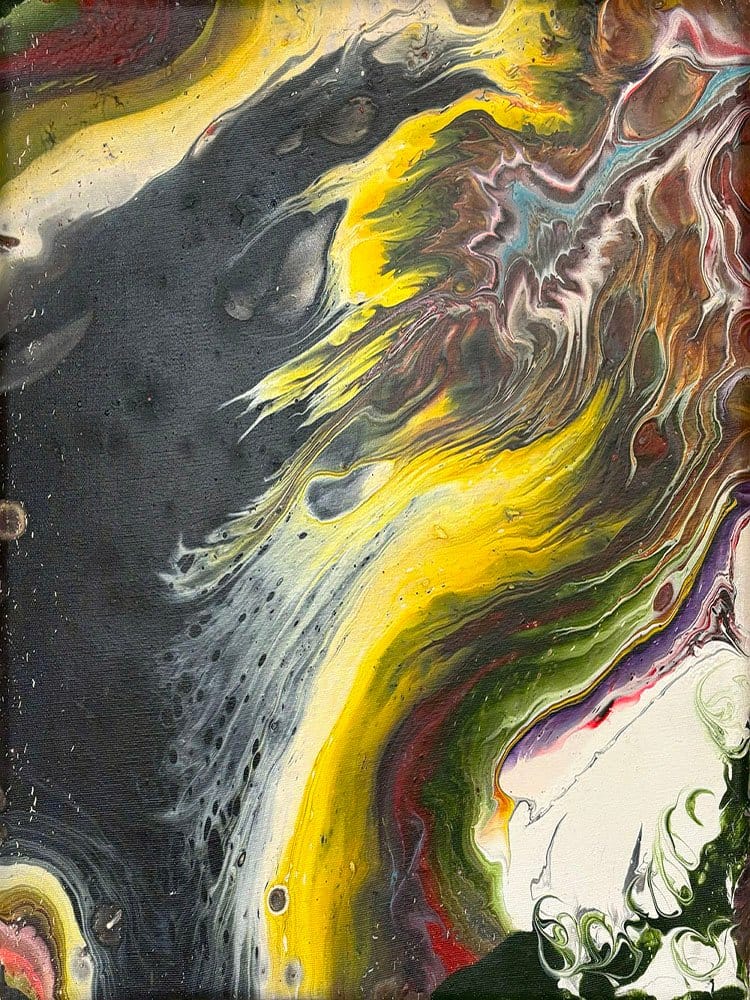
A Painting Class is not only a place to learn artistic techniques. It can also provide an opportunity to connect with other creative people.
Many people enjoy art but rarely have enough time to practice alone. Joining a class creates a regular space for creative activity. It also provides a shared experience with other participants.
Group learning can make the artistic process more enjoyable. Students can discuss techniques, materials, ideas, and creative challenges. These conversations can introduce perspectives that may not appear during independent practice.
Watching another student paint can also be educational. Different artists approach color, composition, and brushwork in unique ways. Observing these differences can inspire new techniques.
A Painting Class encourages students to learn from one another. One participant may have strong color skills. Another may have experience with composition or drawing.
This diversity creates a valuable learning environment. Students can discover approaches that complement their own artistic interests.
Constructive feedback can also improve motivation. Positive comments can encourage students to continue practicing. Helpful suggestions can identify areas that need additional attention.
Group activities can create a sense of accountability. Attending a scheduled class makes creative practice more consistent. Regular participation can be difficult to maintain when working alone.
The social environment can also make beginners feel more comfortable. New artists often worry about comparing their work with experienced painters. A supportive classroom can reduce this pressure.
Everyone develops at a different pace. Some students may progress quickly with color mixing. Others may need more time to develop drawing or brush control.
A good Painting Class respects these differences. The goal is not to create identical paintings. The goal is to help each student develop individual skills and confidence.
Art can also bring people together across different backgrounds. Participants may have different careers, ages, and life experiences. Their shared interest in creativity creates a natural connection.
Friendships can develop through regular classes and shared projects. Conversations often continue before and after lessons. Over time, the studio can become a welcoming creative community.
The social benefits can be especially valuable for adults with busy routines. A regular art class provides dedicated time away from work and household responsibilities.
Students can also celebrate each other’s progress. Completing a challenging painting becomes more meaningful when others understand the effort involved.
Exhibitions and group showcases can provide another social opportunity. Students can display their artwork and receive feedback from classmates and visitors.
A Painting Class can therefore combine artistic education with community building. The result is a learning experience that extends beyond technical instruction.
When students feel connected to their creative community, they may become more motivated to continue learning. This consistency can support long-term artistic growth.

Developing strong painting skills requires more than learning how to hold a brush. Artists need to understand how different techniques affect texture, depth, movement, and visual expression.
A structured Painting Class introduces students to a variety of approaches. This exposure allows beginners to discover which techniques match their artistic goals.
Blending is one of the most useful techniques for creating smooth transitions. It can help artists move gradually from one color to another. Blending is especially useful for skies, skin tones, and soft backgrounds.
Layering provides another important method. Artists build a painting gradually by applying several layers of color. Each layer can add depth, detail, or visual complexity.
Glazing involves applying thin layers of transparent or semi-transparent color. This technique can create luminous effects and subtle color changes.
Dry brushing produces a different appearance. The brush contains relatively little paint, allowing some of the underlying surface to remain visible. This method can create texture and expressive marks.
Wet-on-wet painting creates soft transitions while the paint remains wet. It is commonly used for atmospheric effects and flowing compositions.
Impasto offers a more textured approach. Thick applications of paint create visible brush marks and raised surfaces. This technique can add a strong physical quality to artwork.
Palette knife painting provides another creative option. Instead of using traditional brushes, artists apply paint with a knife. This can produce bold edges and distinctive textures.
A Painting Class also teaches brushwork. Different brush shapes create different marks. Pressure, direction, speed, and angle can all change the final result.
Students can practice controlled strokes and expressive movements. These exercises improve hand coordination and help artists develop a personal style.
Watercolor requires a different technical approach. Artists need to understand transparency, water control, and paper behavior. Mistakes can be more difficult to cover than in some other mediums.
Acrylic painting offers flexibility and relatively fast drying. Students can use thin washes, opaque layers, dry brushing, or textured applications.
Oil painting provides extended working time. This makes it useful for blending and gradual transitions. It also allows artists to build rich layers and subtle tonal changes.
A good Painting Class can introduce these mediums at an appropriate pace. Students can compare their characteristics through practical exercises.
Texture is another important consideration. Artists can use brushes, palette knives, sponges, and other tools to create different surfaces.
Technique should always support the artistic idea. Using many effects does not automatically create a stronger painting. Students learn to choose methods that serve the composition.
Experimentation is therefore an important part of technical development. Artists become more confident when they understand how materials respond.
Regular practice improves consistency. Students gradually develop better control over paint, brushes, color, and surface.
Over time, these techniques become part of an individual artistic vocabulary. Artists can combine traditional methods with experimental approaches.
A comprehensive Painting Class gives students the opportunity to explore this technical range. The experience can help beginners move from basic exercises toward more confident artistic expression.

Creativity develops when artists are willing to experiment. A Painting Class can provide a safe environment for trying new ideas without worrying about perfection.
Beginners often believe that every painting must look realistic. However, art can take many forms. Experimentation allows students to discover different approaches to visual expression.
Mixed media is one exciting way to expand creativity. Artists can combine paint with collage, ink, paper, texture mediums, or other materials. These combinations can produce unexpected visual results.
Abstract painting offers another opportunity for experimentation. Artists can focus on color, movement, shape, rhythm, and emotion. They do not always need to reproduce a recognizable object.
A Painting Class can introduce students to abstract exercises. These activities encourage participants to respond to colors and shapes intuitively.
Palette knife painting can also create spontaneous results. The knife produces different marks from a traditional brush. Students can explore bold textures and unexpected edges.
Splatter techniques provide another expressive option. Controlled splashes can introduce energy and movement. Artists can use this approach for backgrounds or specific visual effects.
Fluid painting creates an especially unpredictable process. Colors interact and move across the surface. The final result often develops through a combination of planning and chance.
Experimentation can also involve unusual color combinations. Students might use unexpected hues instead of realistic colors. This approach can create distinctive and memorable artwork.
Changing the scale of a painting can produce another creative challenge. Working on a larger surface encourages broader movements. Smaller surfaces require greater precision and control.
Students can also experiment with mark-making. Repeated lines, dots, scratches, and directional strokes can create visual rhythm. These marks can become an important part of personal style.
A Painting Class should encourage students to ask creative questions. What happens if the colors are changed? What happens if the brush is replaced? What happens when traditional rules are intentionally broken?
These questions transform painting into a process of discovery. Students become more curious about materials and techniques.
Experimentation also helps reduce the fear of failure. When the goal is exploration, an unexpected result becomes useful information. Students can learn from it rather than seeing it as a mistake.
Creative freedom can lead to stronger individual expression. Students gradually discover colors, textures, and techniques that feel natural to them.
Not every experiment will become a finished artwork. Some exercises exist simply to develop confidence and curiosity. This process is an important part of artistic growth.
A supportive Painting Class gives students permission to explore. Instructors can introduce new ideas while allowing participants to make their own creative decisions.
Over time, experimentation can help students move beyond imitation. Instead of simply copying examples, they begin developing original ideas.
This process is valuable for beginners and experienced artists alike. Creativity does not have a fixed endpoint. There are always new materials and techniques to explore.

For aspiring artists, building a portfolio is an important part of long-term development. A strong portfolio demonstrates skills, creativity, consistency, and artistic direction.
A Painting Class can provide valuable opportunities to create portfolio-quality work. Students complete exercises and projects that can later become part of a broader collection.
A portfolio should show more than technical ability. It should also communicate the artist’s personality and visual interests. Variety can demonstrate flexibility while consistency can establish a recognizable style.
Students can explore different subjects during their classes. Portraits, landscapes, still life, abstract compositions, and other themes can reveal different abilities.
A Painting Class can encourage students to experiment with multiple mediums. Acrylic, watercolor, and oil paintings can demonstrate different technical skills.
However, quality is more important than simply having many artworks. Students should select pieces that represent their strongest abilities. Weak or unfinished work can reduce the overall impact of a portfolio.
Instructor feedback can help with this selection process. Teachers can identify strengths and suggest areas for improvement. This guidance can help students make more strategic decisions.
Critique sessions are especially valuable for portfolio development. Students learn how viewers respond to their work. They can then refine composition, color, technique, and presentation.
A professional portfolio should also show artistic progression. Earlier pieces can demonstrate where the artist started. More recent work can reveal technical and creative development.
A Painting Class creates a structured environment for this progression. Students have regular opportunities to produce new work and evaluate their results.
Documentation is another important consideration. Finished paintings should be photographed carefully when they become part of a portfolio. Good lighting and accurate color representation can improve presentation.
Students should also keep records of titles, dimensions, mediums, and completion dates. These details can be useful for exhibitions, applications, and future sales.
A digital portfolio can expand an artist’s reach. Selected paintings can be displayed on a professional website or social media profile. This allows potential clients and art organizations to discover the artist.
For students interested in exhibitions, a focused collection can be particularly useful. Several related artworks can create a stronger artistic story than unrelated individual pieces.
A Painting Class can also help students identify recurring themes. Over time, certain subjects, colors, or techniques may become part of their personal style.
Portfolio development should be an ongoing process. Artists can regularly remove older work and replace it with stronger pieces. This keeps the collection current and representative.
Students interested in commissions can also use portfolios to demonstrate their capabilities. Potential clients often want to see examples before requesting custom artwork.
For aspiring professional artists, a carefully developed portfolio can support future opportunities. These may include exhibitions, commissions, workshops, competitions, or further education.
Most importantly, portfolio building encourages students to take their artistic development seriously. Each completed painting becomes part of a larger creative journey.
A well-structured Painting Class can therefore provide more than individual lessons. It can help students build the technical skills, confidence, and body of work needed for future artistic opportunities.
Whether your goal is personal development or a professional art career, starting a portfolio during your classes can be a valuable step.
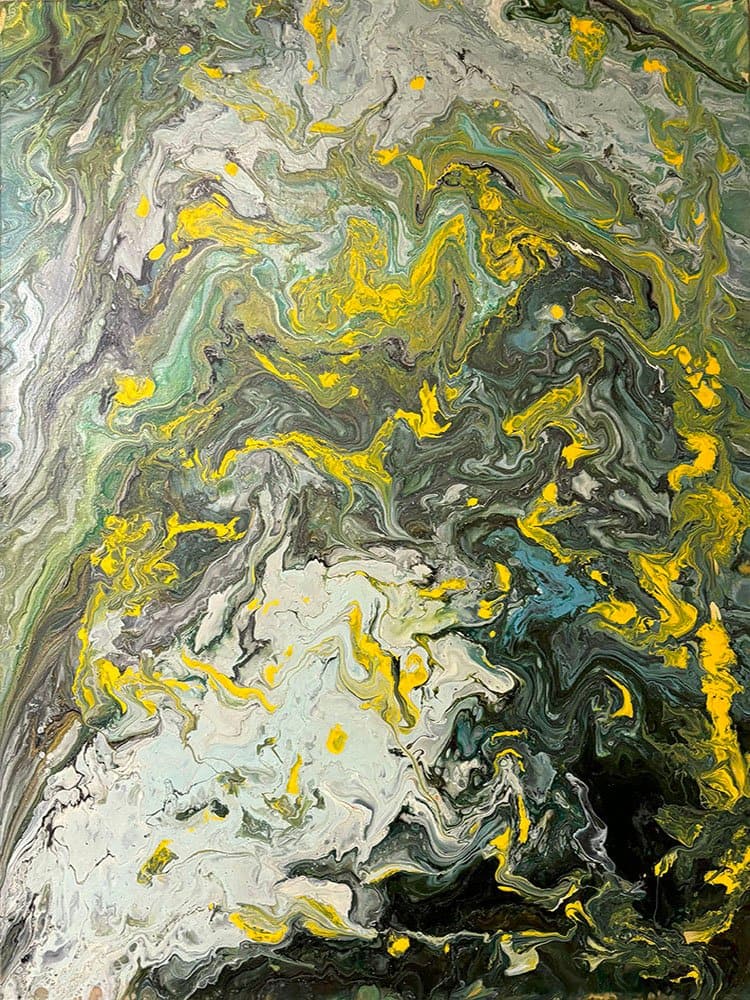
Choosing the right painting medium can make the learning process more enjoyable. Each medium has different characteristics, techniques, and creative possibilities. A Painting Class can help beginners understand these differences before choosing a preferred medium.
Acrylic paint is a popular choice for beginners. It dries relatively quickly and works on many surfaces. Students can create thin washes or apply thicker layers for stronger texture.
Acrylics are also useful for experimentation. Artists can combine different brush techniques and textures. The fast drying time allows students to build layers without long waiting periods.
Watercolor offers a completely different experience. It relies heavily on water, transparency, and careful planning. Light areas are often created by preserving the white surface of the paper.
A Painting Class can teach students how to control water and pigment. These skills are essential for creating smooth washes and delicate transitions.
Watercolor is especially effective for landscapes, flowers, illustrations, and expressive studies. Its transparent quality creates a distinctive visual appearance.
Oil painting provides another set of possibilities. Oil colors remain workable for longer periods. This allows artists to blend colors gradually and refine subtle transitions.
Students can use oil paint to develop rich textures and realistic details. However, the medium requires careful handling and appropriate studio practices.
A Painting Class can introduce oil painting gradually. Students learn about brushes, palettes, surfaces, mediums, and basic cleaning procedures.
The choice of medium should also depend on the artist’s goals. Someone interested in quick studies may prefer acrylic. Another student may enjoy the transparency of watercolor.
Artists interested in realistic portraits may appreciate the blending possibilities of oils. However, artistic preference develops through actual experience.
Trying different mediums can help students discover their strengths. It also prevents beginners from believing that one medium is suitable for everyone.
A structured Painting Class allows students to compare these options in a supportive environment. Practical demonstrations can make the differences easier to understand.
Students can experiment with similar subjects using different materials. This comparison reveals how the medium changes texture, color, drying time, and overall appearance.
The right medium can also influence artistic style. Some materials encourage precision, while others encourage spontaneity.
Beginners should not feel pressured to choose one medium permanently. Artistic interests often change with experience.
Exploration is part of becoming a confident artist. Trying different materials can reveal unexpected creative opportunities.
A quality Painting Class gives students the foundation needed to make informed choices. With practice, they can identify the techniques and materials that best suit their creative goals.
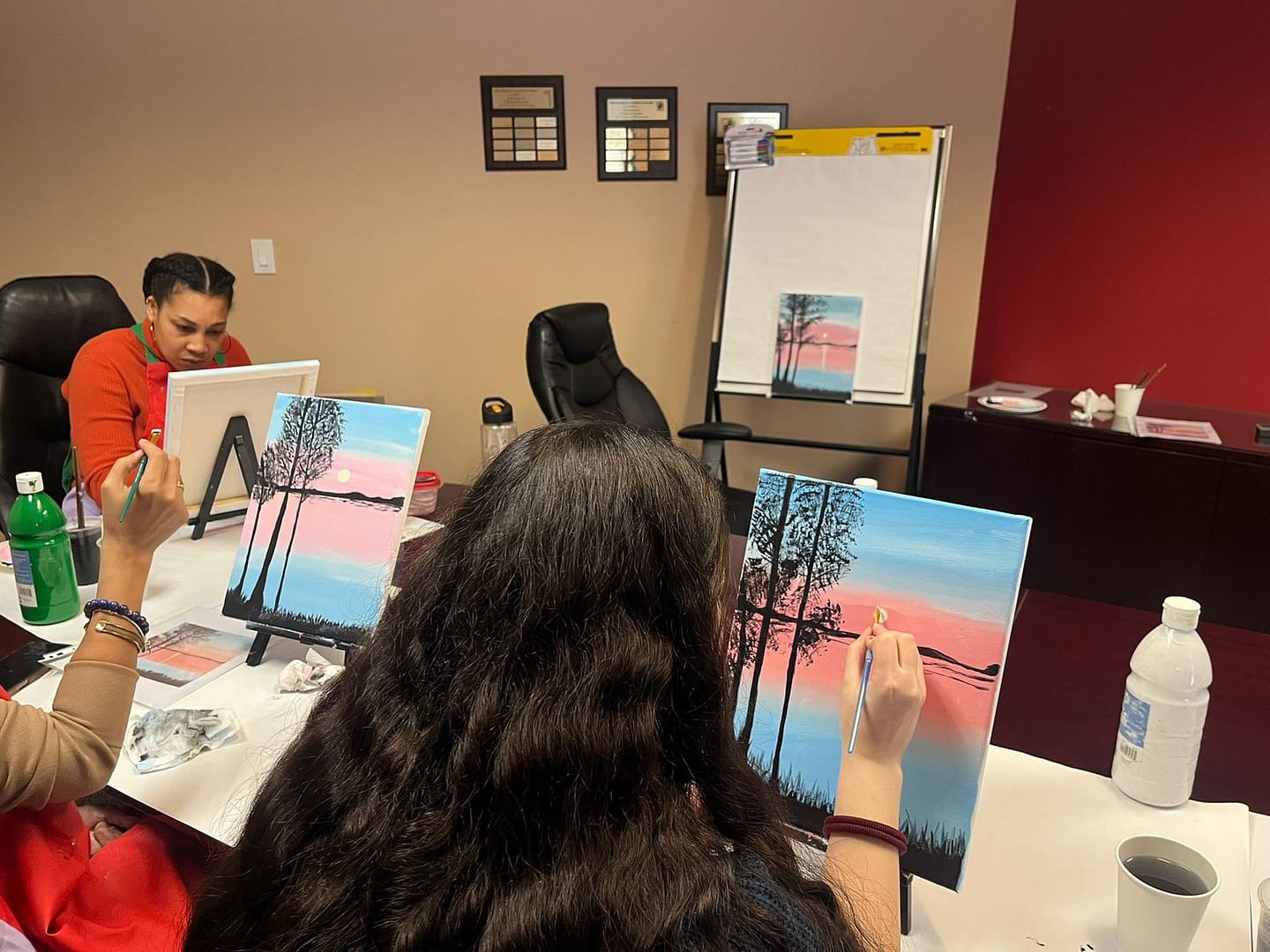
Strong painting begins with strong observation. Artists need to understand shapes, proportions, values, and relationships before applying color.
A Painting Class can help beginners develop these fundamental observation skills. Students learn to look carefully instead of relying only on memory or assumptions.
Observation is especially important when painting realistic subjects. An artist must notice the size and position of objects. Small changes in proportion can significantly affect the final result.
Drawing exercises can improve this ability. Students may begin with simple shapes such as circles, rectangles, and cylinders. These forms can later become more complex objects.
Understanding basic shapes makes drawing less intimidating. Many complicated subjects can be simplified into recognizable geometric forms.
A Painting Class can teach students how to identify these underlying structures. This approach helps them understand proportion before adding details.
Value is another important observation skill. Value describes the relationship between light and dark areas. Strong value control can make a painting appear more three-dimensional.
Students can practice identifying highlights, midtones, and shadows. These exercises improve their ability to interpret light before using color.
Negative space also deserves attention. It refers to the areas surrounding and between objects. Observing negative space can help artists improve proportion and composition.
Perspective is another useful foundation. Beginners learn how objects change in size and position as they move through space.
A Painting Class can introduce simple perspective exercises. These lessons help students create more convincing environments and compositions.
Contour drawing can improve hand-eye coordination. Students focus on the edges of objects while carefully observing their shapes.
Gesture drawing can also develop visual confidence. Quick sketches encourage artists to capture movement and essential forms without excessive detail.
These skills become useful when painting portraits, landscapes, still life, and other subjects.
Portrait painting requires careful observation of facial proportions. Landscape painting requires attention to distance, scale, and atmospheric changes.
Still-life painting requires students to observe relationships between objects. They must consider shape, lighting, shadow, and spatial arrangement.
A Painting Class can combine drawing and painting exercises for this reason. Students develop visual skills before attempting more complex projects.
Reference images can also support learning. However, students should learn how to interpret references rather than simply copy every detail.
Observation encourages artists to make independent decisions. They begin noticing subtle differences in color, texture, and form.
Regular sketching can strengthen these abilities. Even short drawing exercises can improve visual memory and confidence.
Students also learn that artistic accuracy does not always require photographic realism. Observation provides information, while the artist decides how to interpret it.
This balance is important for developing a personal style. Artists can begin with accurate observation and gradually introduce creative choices.
A strong foundation in drawing and observation can make painting easier. Students spend less time correcting basic proportions and more time developing artistic expression.
For beginners, these skills provide a practical starting point. A well-structured Painting Class can build them gradually through demonstrations, exercises, and feedback.
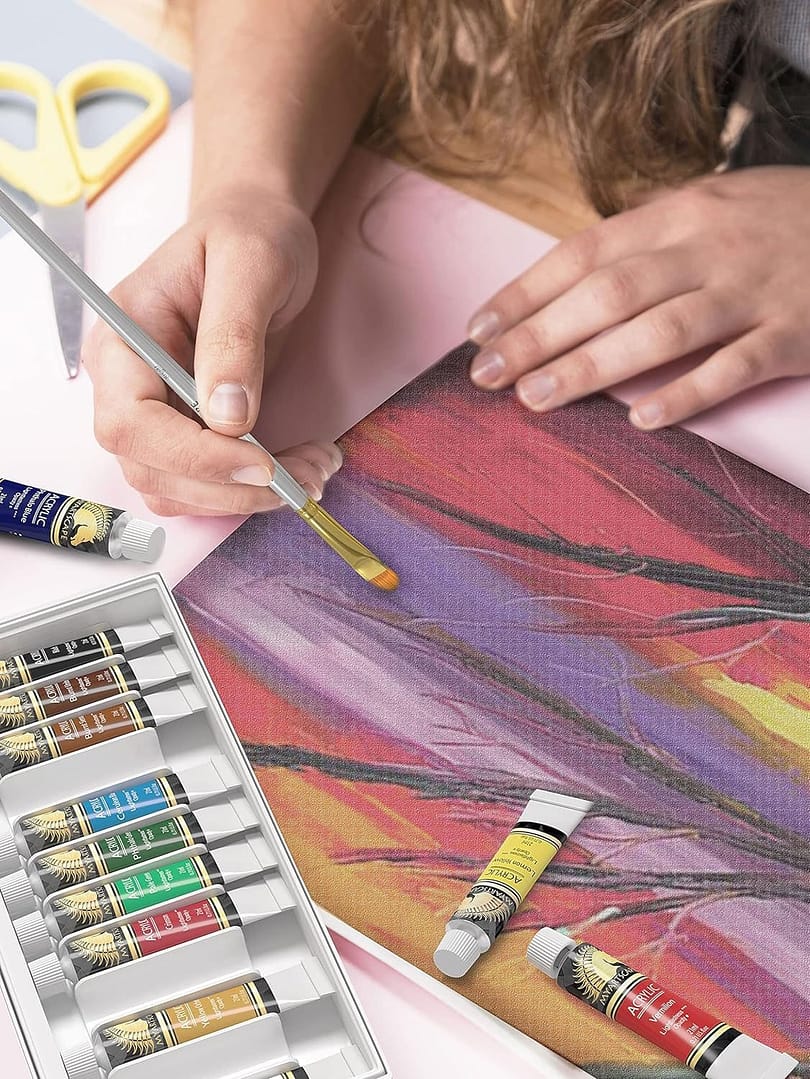
Every artist begins with uncertainty. Beginners may compare their work with experienced painters and feel that their results are not good enough.
A supportive Painting Class can help students overcome this mindset. Artistic confidence develops through practice, experimentation, and consistent progress.
Students should understand that improvement takes time. A first painting does not need to look professional. Each project provides an opportunity to learn something new.
Constructive feedback can make this process easier. An instructor can identify strengths and suggest practical improvements.
Feedback should not eliminate individuality. The goal is to help students understand their choices and develop better control over their techniques.
A Painting Class can encourage students to experiment with different subjects and styles. This exploration helps reveal personal interests.
Some students may prefer realistic painting. Others may enjoy abstract compositions or expressive brushwork.
Personal style often develops gradually. It is rarely something that can be created instantly.
Artists may discover recurring preferences in color, subject matter, texture, or composition. These patterns can eventually become part of their visual identity.
Experimentation plays an important role in this process. Students should have opportunities to try techniques outside their comfort zone.
Changing brushes can create different marks. Changing colors can alter the mood. Changing the composition can completely transform the visual impact.
A Painting Class provides a controlled environment for these experiments. Students can explore new ideas while receiving guidance when needed.
Confidence also comes from completing challenging projects. Each finished painting demonstrates that the student can solve artistic problems.
Some paintings may succeed immediately. Others may require significant changes. Both experiences provide valuable learning opportunities.
Students can keep earlier paintings as records of their development. Comparing older work with newer pieces can reveal meaningful progress.
This comparison can be especially motivating during difficult periods. Improvement is sometimes difficult to notice from one painting to the next.
A personal sketchbook can also support artistic development. Students can record ideas, color combinations, compositions, and quick studies.
Regular practice creates opportunities for discovery. Artists become more comfortable making decisions without constantly seeking approval.
A Painting Class can also teach students when to stop. Overworking a painting can sometimes reduce its freshness and energy.
Learning to recognize completion is part of artistic judgment. Students gradually become more confident about when additional changes are necessary.
Personal style should not be forced. It develops naturally through repeated practice and thoughtful experimentation.
Artists can study other painters for inspiration while still developing their own direction. Learning from others does not require copying them permanently.
Over time, technical knowledge becomes easier to apply. Students can focus more attention on ideas, emotion, and visual storytelling.
This is where painting becomes highly personal. The same subject can produce completely different results from different artists.
A supportive Painting Class gives students the freedom to discover this individuality. Guidance provides structure, while experimentation creates room for personal expression.
With patience and consistent practice, beginners can develop greater confidence. They can also create artwork that reflects their own interests and creative voice.
The ultimate goal is not simply to paint correctly. It is to understand the tools well enough to express ideas with confidence.
For anyone beginning an artistic journey, developing this confidence can be one of the most valuable outcomes of a Painting Class.

Learning to paint is a rewarding journey that combines creativity, practice, and personal expression. A well-structured Painting Class can help beginners develop essential skills with greater confidence.
Throughout this guide, we explored color theory, painting techniques, creative experimentation, and portfolio development. We also discussed the social and personal benefits of learning art in a supportive environment.
The right instruction can make the learning process easier and more enjoyable. Students can develop better brush control, color understanding, composition skills, and artistic confidence through regular practice.
If you are looking for painting classes in Aurora, Fania Art Gallery can provide a welcoming environment for your artistic journey. Our classes are designed to help students learn practical techniques while developing their own creative style.
Whether you are completely new to painting or want to improve existing skills, structured instruction can make a meaningful difference. You can explore different techniques and discover the painting medium that best matches your interests.
Fania Art Gallery offers an opportunity to learn, practice, experiment, and connect with other people who appreciate art. Each class can become a step toward greater artistic confidence and creative freedom.
For beginners, starting with the right guidance can prevent frustration. Instead of trying to learn everything alone, students can receive practical instruction and useful feedback throughout the process.
Our approach encourages students to experiment while building strong artistic foundations. You can learn traditional techniques while developing your own ideas and visual expression.
If your goal is to create artwork for personal enjoyment, develop a portfolio, or continue your artistic education, a Painting Class can be an excellent starting point.
Ready to develop your artistic skills?
Explore painting classes in Aurora at Fania Art Gallery and take the next step in your creative journey. Whether you are a beginner, an experienced artist, or someone returning to painting after years away, there is always something new to learn.
Contact Fania Art Gallery today to learn about available classes, schedules, and enrollment options. Start creating, keep practicing, and discover what you can achieve through art.