
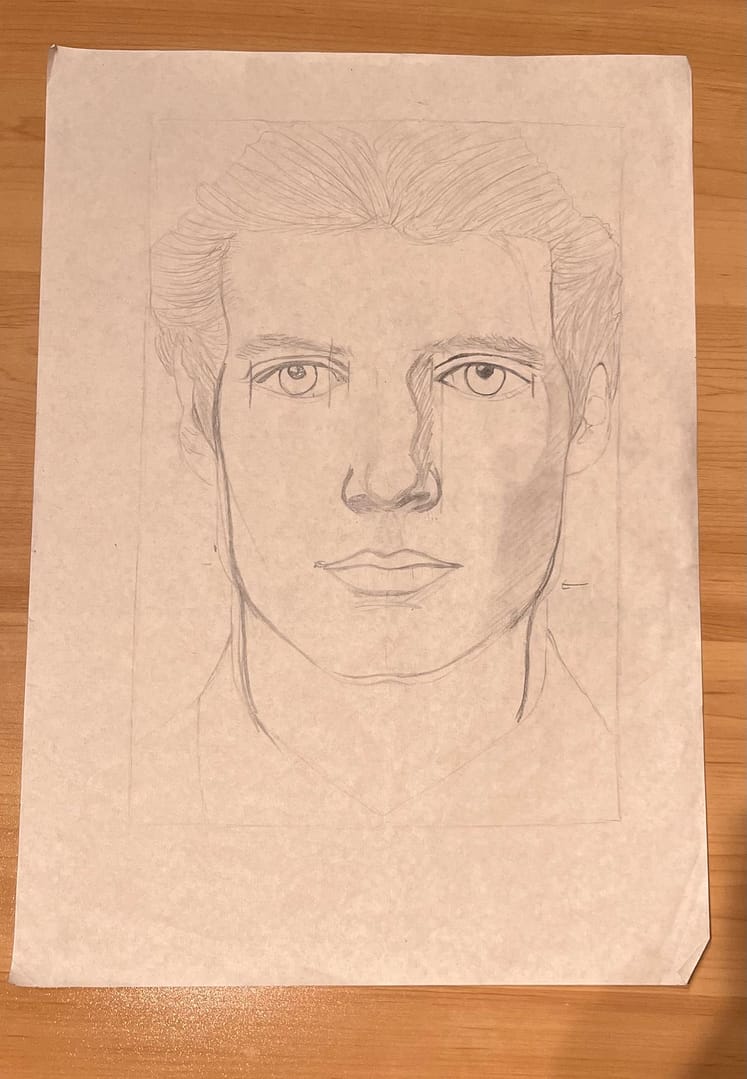
Selecting a high-quality painting class requires more than just browsing reviews or enrolling in the first available option. A discerning approach ensures that both novices and seasoned artists gain meaningful skills and inspiration.
A well-structured Painting Class should have an experienced instructor with a strong artistic background. Credentials matter, but the ability to impart knowledge with clarity, patience, and enthusiasm is equally crucial. A great teacher fosters creativity while offering constructive critiques, helping students refine their techniques rather than simply replicating brushstrokes.
Course content plays a pivotal role. A good painting class should cover fundamental techniques such as color theory, brushwork, and composition while also allowing room for individual expression. Classes that rigidly follow a one-size-fits-all method can stifle creativity, whereas those that encourage experimentation enable artistic growth.
The learning environment significantly influences the experience. Whether conducted in a studio or online, the space should be conducive to concentration, offering ample resources, lighting, and access to quality materials. A supportive community is equally vital—engaging with peers fosters a dynamic exchange of ideas and constructive feedback.
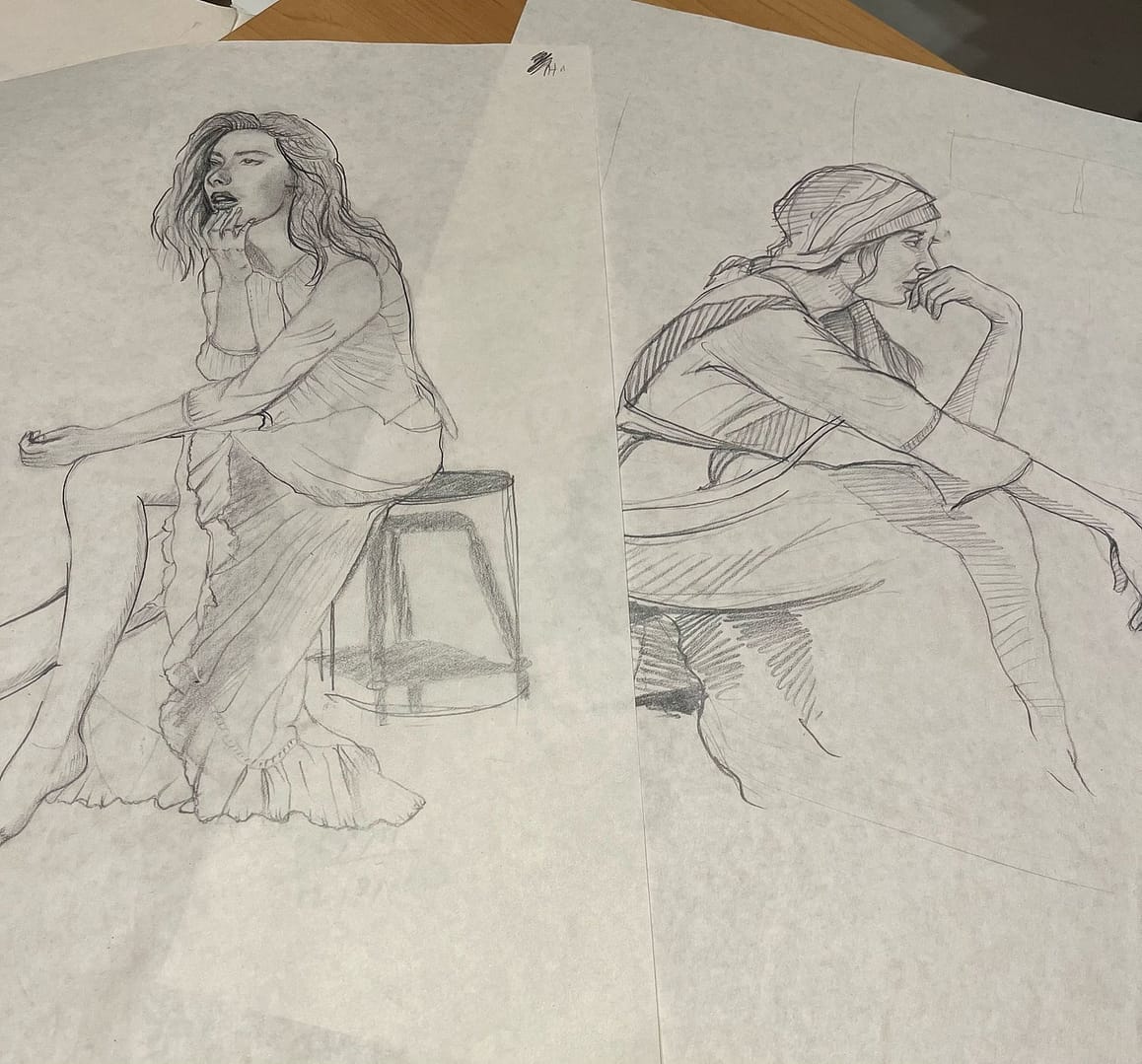
Finding the right painting class requires more than simply choosing a convenient schedule. Adults should consider the instructor’s experience, course structure, learning environment, class size, and opportunities for individual feedback.
Flexibility and structure should also be balanced. A rigid schedule may not work well for adults with demanding commitments. On the other hand, a completely unstructured course may make it difficult to build skills consistently.
Look for a program with a clear learning path. Each lesson should build on previous skills while still giving students room to explore their own ideas. This balance can make learning both organized and enjoyable.
The instructor’s teaching style is another important factor. A good instructor should explain techniques clearly, demonstrate practical methods, and provide useful feedback. Students should also feel comfortable asking questions and trying new approaches.
The learning environment matters as well. A welcoming studio can make it easier for beginners to participate and for experienced artists to experiment. A supportive atmosphere can encourage students to share ideas without feeling pressured to create perfect results.
It is also helpful to review examples of student artwork and testimonials when available. Looking at previous students’ work can provide useful insight into the teaching approach and the types of projects offered.
The best painting class should do more than teach technical skills. It should help students understand the creative process, develop confidence, and discover their own artistic interests. With the right guidance and learning environment, adults can enjoy a rewarding path toward continued artistic growth.

The instructor plays an important role in creating a successful painting class. Artistic experience is valuable, but strong teaching skills are equally important. A knowledgeable instructor should be able to explain techniques clearly and adapt instruction to different levels of experience.
Teaching styles can vary. Some instructors focus on traditional techniques, accuracy, and careful observation. Others use a more exploratory approach that encourages experimentation and personal expression. Understanding these differences can help adults choose a class that matches their learning goals.
Communication is another important factor. A supportive instructor should provide clear and constructive feedback while respecting each student’s individual artistic style. Students should feel comfortable asking questions and discussing challenges during the learning process.
Before choosing a class, it can be helpful to review the instructor’s portfolio, student testimonials, and available class information. If possible, attending a trial session can also provide a better understanding of the instructor’s teaching style and the overall learning environment.
The right instructor does more than demonstrate painting techniques. They create an environment where students can learn, experiment, and gradually develop confidence in their own artistic abilities.

A well-designed painting class should provide a clear learning path for students at different levels. The curriculum may begin with essential skills such as color theory, composition, perspective, brushwork, and basic techniques.
As students become more comfortable with the fundamentals, lessons can gradually introduce more advanced concepts. This approach allows adults to develop their skills step by step without feeling overwhelmed.
A strong curriculum should also balance technical instruction with creative freedom. Clear guidance helps students understand the fundamentals, while opportunities for experimentation allow them to develop their own artistic ideas and preferences.
The progression of each course is also important. Lessons should build on previously learned skills and introduce new challenges at an appropriate pace. This can help students stay engaged while continuing to improve.
Before enrolling, it can be useful to review the course outline and examples of student projects. These details can provide a better understanding of what the class teaches and how students may progress throughout the program.
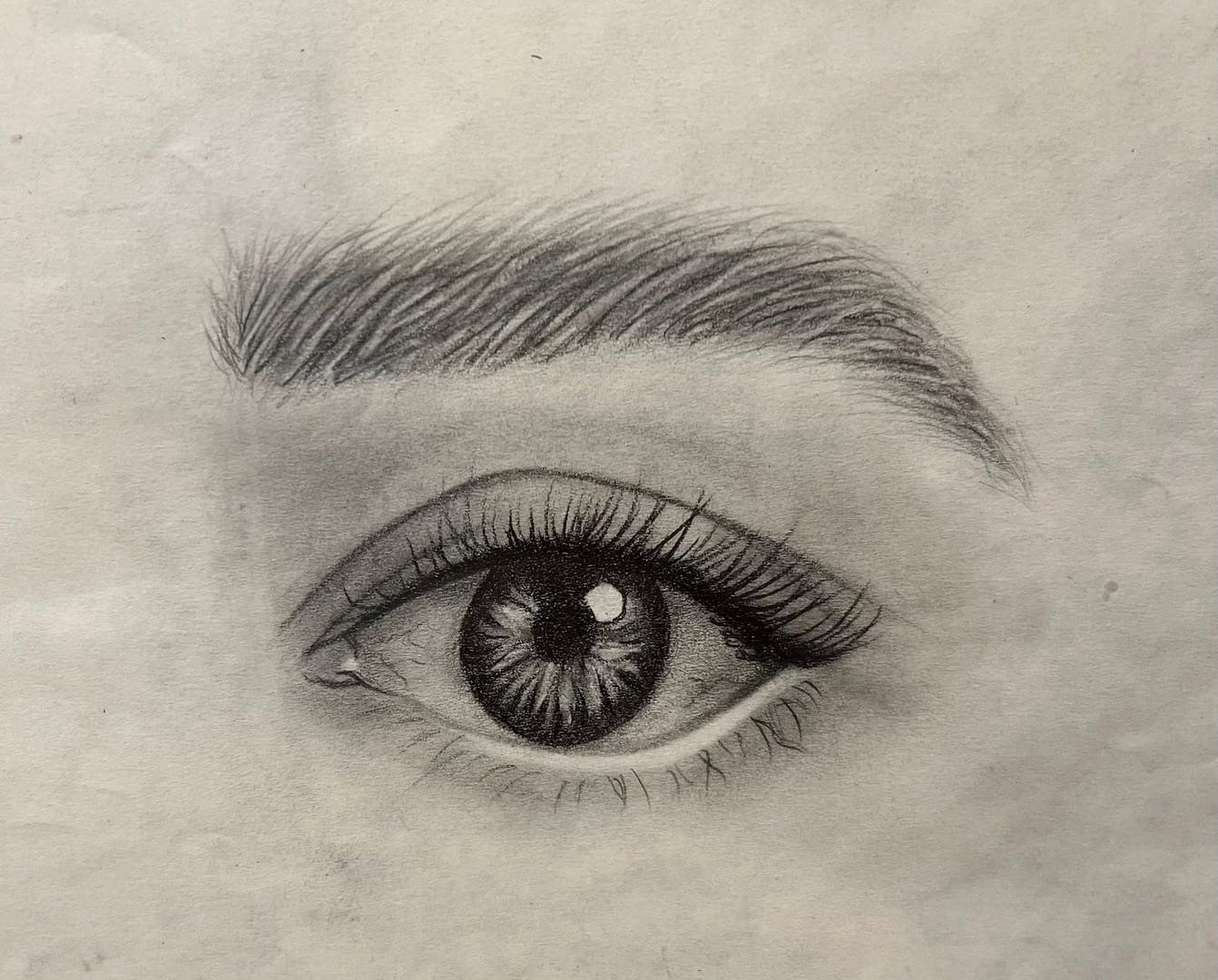
Class size can have an important effect on the learning experience. Smaller groups often give instructors more opportunities to provide individual guidance and feedback. This can be especially helpful when students are learning new techniques or working on detailed projects.
Larger classes can also offer benefits. They may provide more opportunities to observe different approaches and meet other people who share an interest in art. However, students should consider whether the instructor has enough time to address individual questions and provide useful feedback.
Student interaction can also enrich the learning process. Sharing ideas, discussing artwork, and observing different techniques can introduce learners to new perspectives and creative approaches.
When choosing a painting class, consider both the class size and the overall teaching format. A good learning environment should provide clear instruction while giving students enough opportunity to practice, ask questions, receive feedback, and engage with other participants.
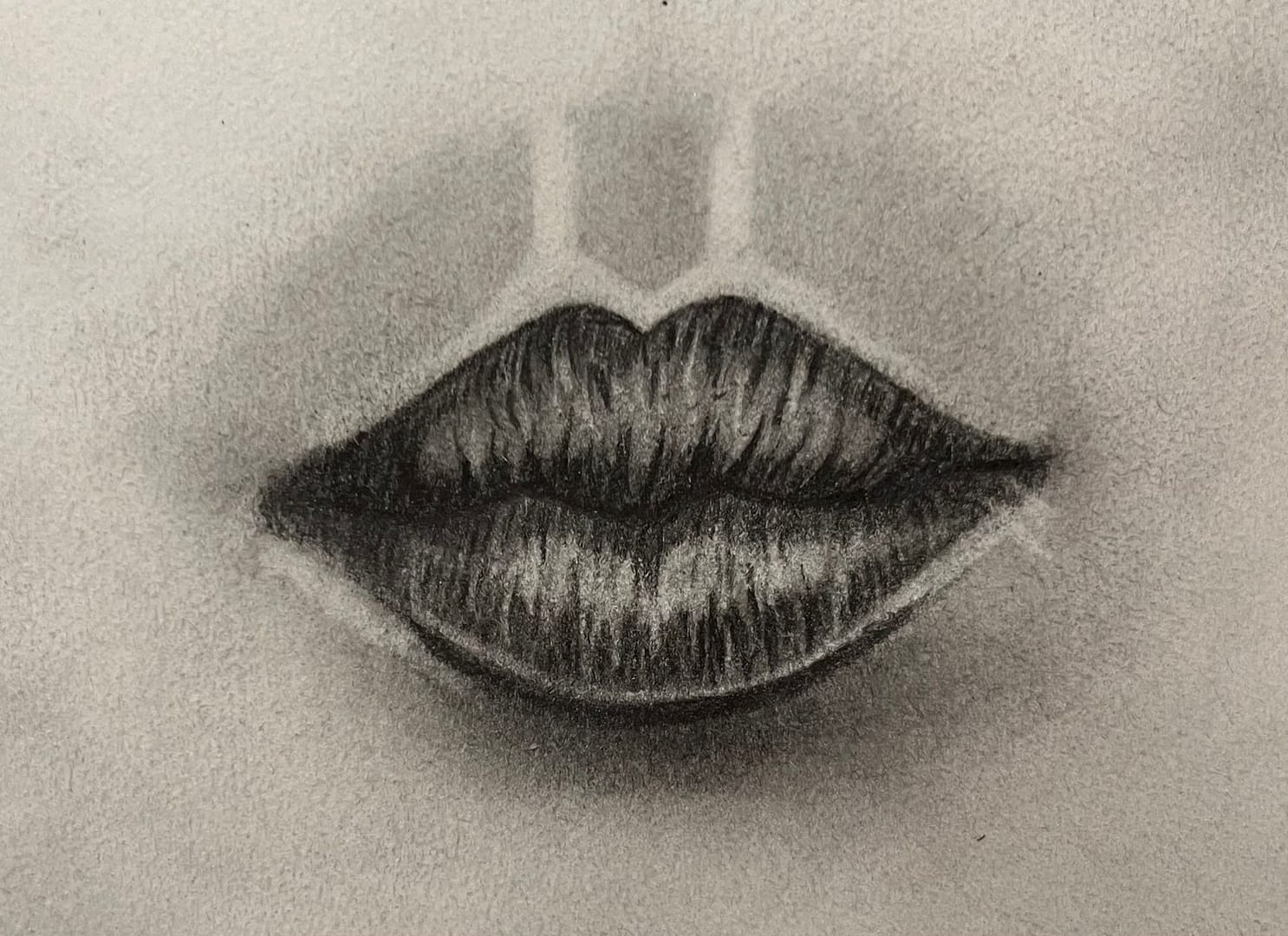
Access to suitable materials can make the learning experience more convenient and enjoyable. Depending on the program, a painting class may provide essential supplies such as paints, brushes, canvases, palettes, and other art materials.
Some classes include materials in the registration fee, while others ask students to bring their own supplies. Before enrolling, it is helpful to check which materials are provided and which ones students need to purchase. This can also help adults plan their overall budget.
The quality and suitability of art supplies can influence the painting process. Beginners may also benefit from guidance on choosing appropriate paints, brushes, canvases, and other materials for their projects.
Additional learning resources can be useful outside the studio as well. Some programs provide reference materials, practice exercises, recorded demonstrations, or other digital resources that students can use between classes.
When comparing painting classes, consider both the physical materials and the additional learning resources included in the program. Easy access to the right supplies and useful educational materials can make it easier for students to practice and continue developing their skills.
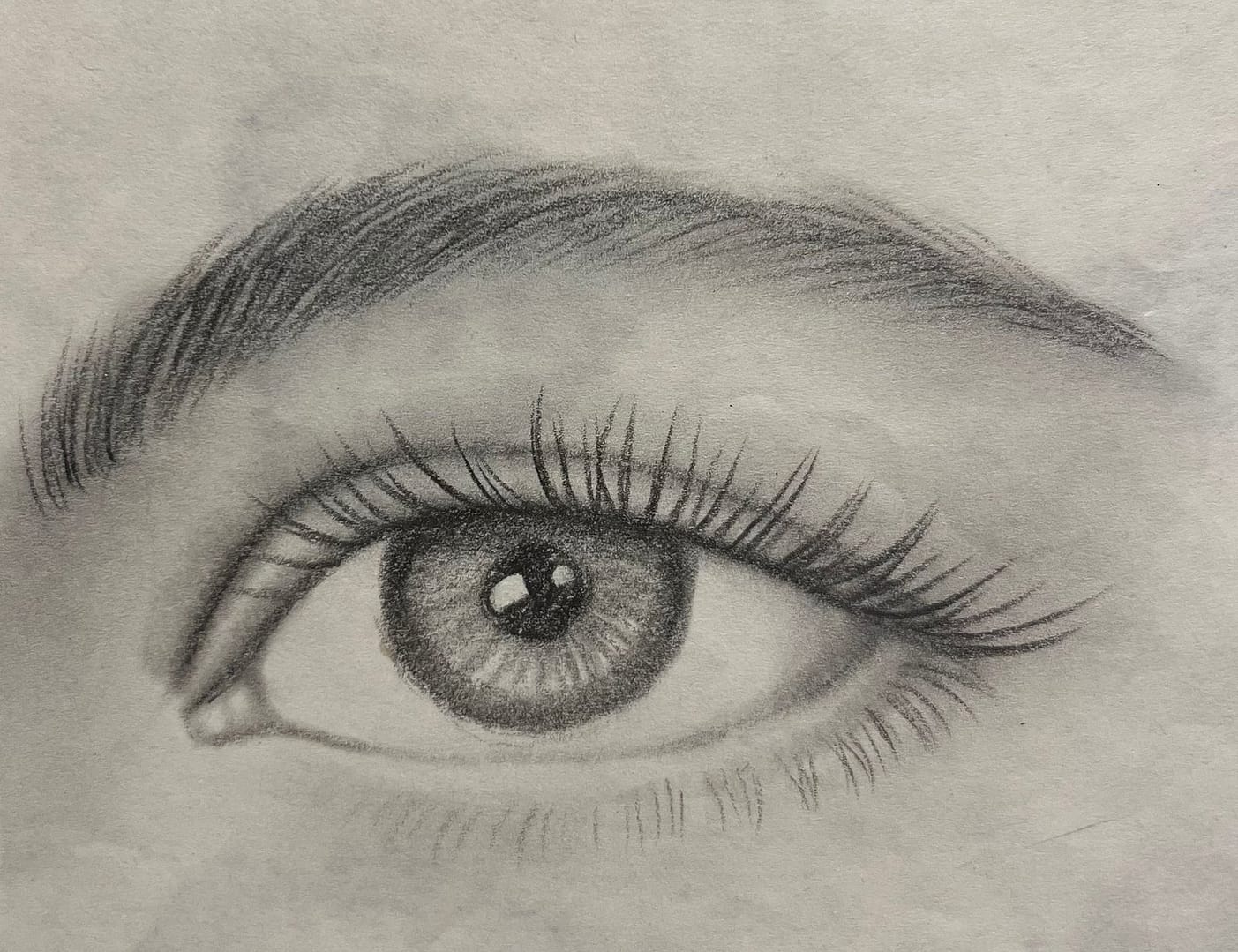
The studio environment can have an important influence on the overall learning experience. A well-lit, organized, and comfortable space can help students stay focused and feel inspired while they paint. A clean and well-maintained studio also makes it easier to work with art supplies and move comfortably during the lesson.
The atmosphere of the class is equally important. A supportive and encouraging environment allows students to ask questions, try new techniques, and develop their skills with greater confidence. Constructive feedback can help students improve while still giving them the freedom to develop their own artistic style.
When choosing a painting program, consider visiting the studio if possible or reviewing photos of previous classes. This can give you a better idea of the workspace, class atmosphere, available facilities, and overall learning environment.

A flexible class schedule can make it easier for adults to balance painting lessons with work, family, and other commitments. Depending on the program, classes may be available on weekday evenings or weekends to accommodate different schedules.
Online options can provide additional flexibility for students who prefer to learn from home. Some programs offer live virtual sessions, while others provide pre-recorded demonstrations that students can watch at their own pace. Hybrid programs may combine online learning with in-person instruction.
When choosing a painting program, consider the class schedule, attendance options, and learning format. Selecting a program that fits your routine can make it easier to attend regularly and maintain steady progress.

Tracking progress can help students understand how their painting skills develop over time. A well-structured program may use portfolio reviews, completed projects, or instructor feedback to help students recognize their strengths and identify areas for improvement.
Regular critiques and constructive feedback can give students practical guidance on techniques such as color mixing, composition, brushwork, and overall presentation. Self-evaluation can also encourage students to reflect on their work and set goals for future projects.
Some programs may conclude with an exhibition, student showcase, or digital gallery. These opportunities allow students to share their artwork and see how their skills have developed. Reviewing examples of previous students’ work can also help prospective students understand the type of progress they may experience in the program.

A well-designed painting program can combine technical instruction with opportunities for creative exploration. Learning fundamental skills such as color mixing, composition, perspective, and brushwork provides a strong foundation. At the same time, students benefit from having opportunities to experiment and develop their own artistic style.
Some programs focus more on realistic painting and structured techniques, while others encourage abstract, expressive, or experimental approaches. Neither approach is necessarily better. The right choice depends on each student’s interests, experience, and creative goals.
Before enrolling, consider how much guidance and creative freedom the program provides. Understanding the teaching approach can help students choose a class that matches their preferred way of learning and supports their artistic development.

The cost of a painting program can vary depending on factors such as class length, instructor experience, class size, materials, and the type of instruction provided. A higher price does not always mean better quality, just as a lower cost does not necessarily mean fewer learning opportunities.
When comparing programs, consider what is included in the registration fee. Some classes provide paints, brushes, canvases, and other materials, while others require students to purchase their own supplies. Additional features such as individual feedback, specialized workshops, demonstrations, or access to learning resources may also add value.
Comparing several options can help students find a program that fits both their budget and their learning goals. The best value is not necessarily the least expensive option, but a program that provides appropriate instruction, useful resources, and a learning experience that meets the student’s needs.

Online painting programs have become a convenient option for adults who prefer to learn from home. Virtual lessons can provide greater scheduling flexibility and give students access to instructors and learning resources beyond their local area.
In-person classes offer a different type of learning experience. Students can work directly with physical materials, observe demonstrations more closely, and receive feedback from the instructor during the session. The studio environment can also provide opportunities for discussion and interaction with other students.
The right format depends on personal preferences, schedule, experience, and learning goals. Online courses may suit students who value flexibility and independent practice, while in-person sessions may be preferable for those who benefit from hands-on instruction and direct interaction. Some programs also combine both formats to provide a more flexible learning experience.
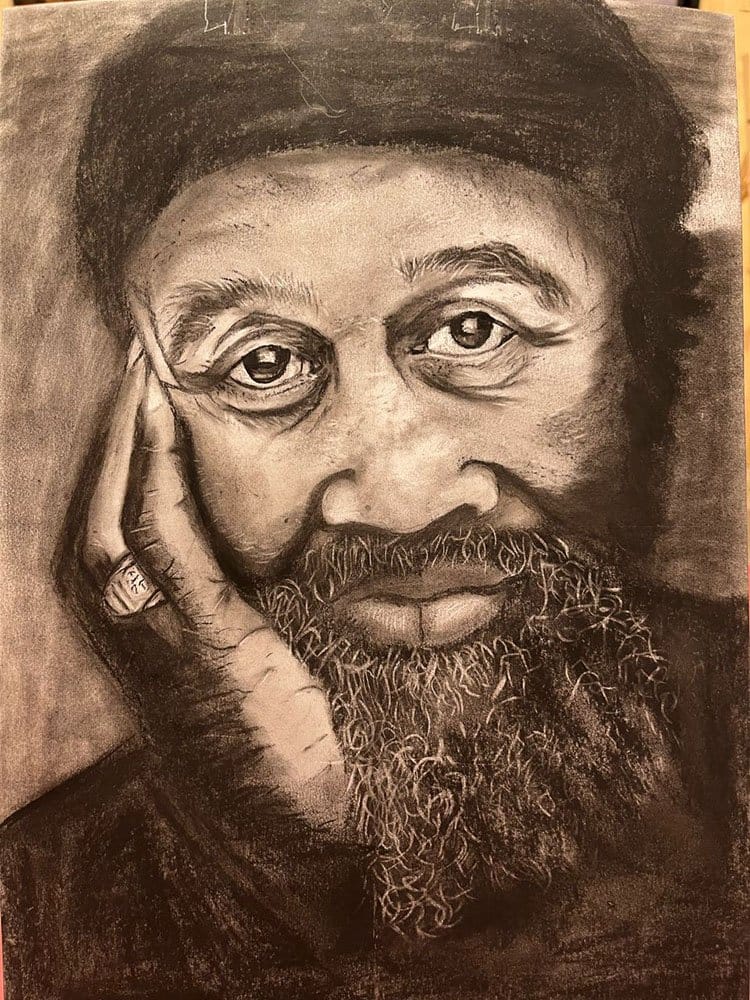
A welcoming artistic community can add value to the learning experience. Interacting with other students gives participants opportunities to share ideas, discuss techniques, and learn from different approaches to painting. Collaborative activities can also make classes more engaging and enjoyable.
Some programs provide online groups, social media communities, or other spaces where students can share their artwork and exchange feedback. These connections can encourage students to continue practicing and stay motivated between classes.
For students who want to become more involved in the local art community, a class can also provide opportunities to discover exhibitions, workshops, and other creative events. Building relationships with fellow artists and art enthusiasts can make the learning experience more social and help students become more connected to the local arts community.
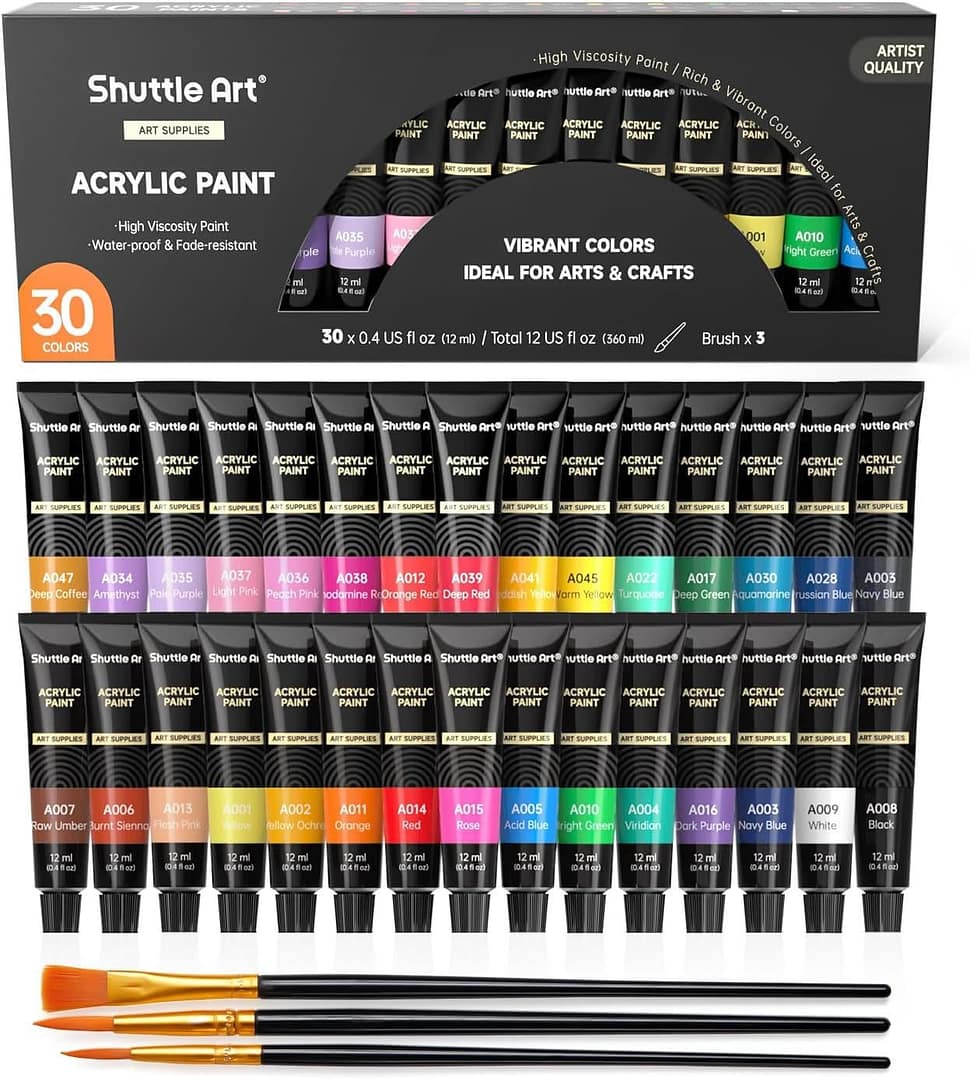
Choosing the right painting program involves considering several factors, including the instructor’s experience, curriculum, class environment, schedule, materials, and cost. A good program should provide clear instruction while also giving students enough freedom to explore their creativity and develop their own artistic style.
Before enrolling, consider your experience level, learning goals, preferred format, and available time. Reviewing the course structure, resources, class size, and opportunities for feedback can help you make a more informed decision.
Ultimately, the right painting class is one that fits your needs and makes learning enjoyable. With the right environment, guidance, and opportunities to practice, adults can build their skills while enjoying a rewarding and creative experience.