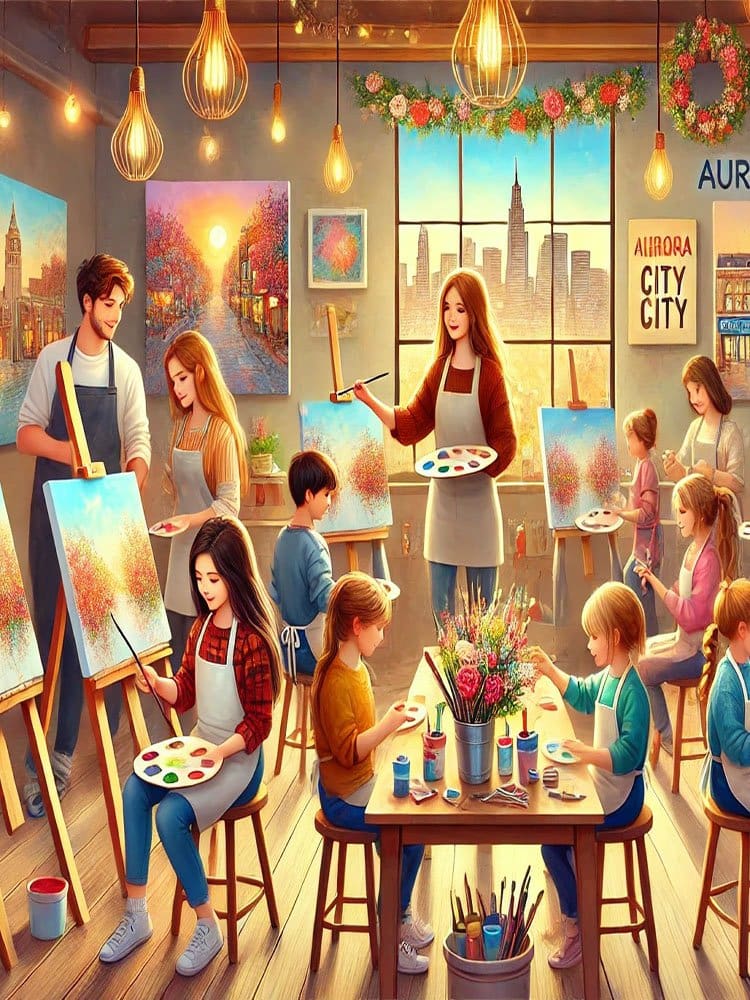
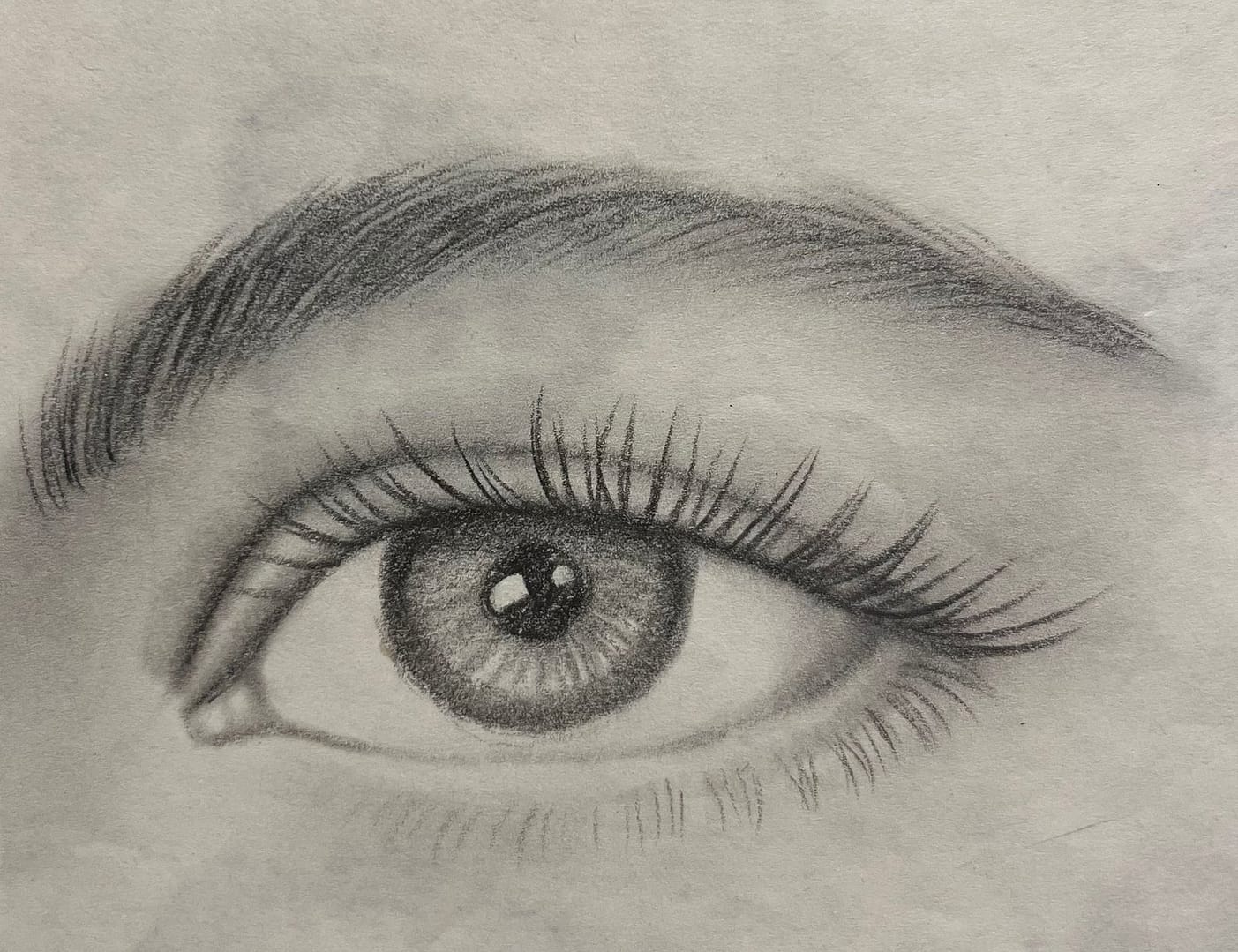
A painting class is more than just an exercise in brushwork—it is a gateway to self-expression, a meditative escape, and a journey into artistic exploration. Whether you’re a novice holding a paintbrush for the first time or an adept artist refining your technique, each session unveils new dimensions of creativity. Painting Class
Guided by skilled instructors, participants delve into the nuances of color theory, composition, and texture. The interplay of light and shadow, the delicate balance of hues, and the rhythmic flow of brushstrokes become second nature with practice. A painting class nurtures patience, precision, and an acute sense of observation—skills that extend beyond the canvas and into everyday life.
Enrolling in a painting class tailored for a single participant offers a profoundly enriching journey, fostering creativity, self-expression, and artistic growth. Unlike group sessions, where instruction is spread across multiple learners, a solo painting class provides an exclusive, immersive environment. With the instructor’s undivided attention, each brushstroke receives meticulous guidance, accelerating skill development efficiently.
A private painting class enables lessons customized to individual artistic goals. Whether a novice exploring color theory or an experienced painter refining advanced techniques, personalized instruction ensures a focused, goal-oriented approach. The freedom to experiment without external pressures cultivates confidence and a distinctive artistic voice.
Beyond technical mastery, a solo painting serves as a therapeutic retreat. The rhythmic motion of painting induces mindfulness, alleviates stress, and promotes a meditative state. Deep engagement with the creative process allows emotions to flow freely, transforming the canvas into a sanctuary of self-expression.
Opting for a one-on-one painting class is an investment in both artistic proficiency and personal well-being. It provides the opportunity to progress at an individualized pace, in an environment devoid of distractions, under the dedicated guidance of an expert. Whether pursuing painting as a passionate hobby or a professional endeavor, a personalized learning experience enhances both skills and enthusiasm for the craft.
One of the greatest advantages of a solo painting class is the level of personalized instruction available. Unlike a group setting, where an instructor’s time is divided among multiple students, a one-on-one class ensures that all guidance is tailored to the individual’s skill level, learning pace, and artistic vision.
Instructors can adapt lessons to meet specific needs, whether focusing on fundamental techniques like shading and blending or exploring more advanced concepts such as composition and perspective. The ability to receive instant feedback on each stroke and adjust accordingly leads to faster improvement and a stronger grasp of artistic principles.
Additionally, personalized instruction fosters a deeper connection between the student and their work. Instead of following a predetermined curriculum, the student can explore their unique creative inclinations, allowing for more meaningful self-expression. The flexibility of a solo painting class also means lessons can be adjusted to align with the student’s evolving goals and interests.
For those who struggle with the pressure of performing in front of others, a private class offers a relaxed and judgment-free space. Without comparisons or external expectations, creativity flourishes, leading to greater confidence and artistic fulfillment.
Ultimately, the benefits of a personalized painting class extend beyond skill acquisition; they nurture a lifelong appreciation for art while fostering self-discovery and inner peace.
Selecting the right instructor for a solo painting class is crucial for a fulfilling learning experience. A qualified teacher with experience in various painting styles and techniques can provide the expertise necessary for artistic growth. Researching potential instructors and reviewing their portfolios helps ensure that their artistic approach aligns with your personal preferences.
A great instructor should not only be skilled in painting but also possess strong communication and teaching abilities. Patience, encouragement, and the ability to adapt to different learning styles are essential qualities that contribute to an effective and enjoyable painting class. Seeking out testimonials or student reviews can provide valuable insight into an instructor’s teaching methods and effectiveness.
Before committing to a long-term course, consider attending a trial session or consultation to gauge compatibility. A one-on-one painting class requires a comfortable and trusting student-teacher relationship, where feedback is constructive and tailored to your specific goals.
Ultimately, the right instructor should inspire confidence, foster creativity, and provide the guidance needed to refine techniques and develop a distinct artistic voice. Taking the time to find the perfect mentor enhances the overall experience, making the journey in a solo painting class both enjoyable and rewarding.
Having the right materials is crucial for a successful solo class. The specific supplies required depend on the chosen medium, but some essentials apply across all painting styles.
For acrylic painting, a set of quality brushes, a range of vibrant paints, and a sturdy palette are fundamental. Watercolor enthusiasts need specialized paper, delicate brushes, and high-pigment paints that blend seamlessly. Oil painters benefit from durable canvas, rich oil-based paints, and essential mediums like linseed oil and turpentine.
Aside from paints and brushes, having a comfortable workspace is key. Proper lighting enhances visibility, while an easel provides ergonomic support. A well-organized art station encourages focus and creativity, making the solo painting class more enjoyable.
Beginners should invest in instructional materials, such as books or online tutorials, to supplement their learning experience. Digital tools like tablets and styluses can also be useful for practicing digital painting techniques.
Ensuring high-quality supplies minimizes frustration and enhances the painting experience. The right materials empower artists to explore their creativity freely and bring their artistic visions to life.
A solo painting class provides an excellent opportunity to experiment with various painting styles, allowing artists to find their unique aesthetic. From realism and impressionism to abstract and surrealism, each style offers a different approach to artistic expression.
Realism focuses on capturing subjects with lifelike precision, requiring meticulous attention to detail. Impressionism embraces loose brushwork and vibrant color palettes to depict fleeting moments. Abstract painting encourages free expression through bold colors and unconventional shapes, while surrealism blends reality with dreamlike imagery.
Exploring different styles broadens artistic horizons and helps students refine their technique. A solo class allows for in-depth study of each style, providing the freedom to master one or blend multiple influences into a unique artistic voice.
A well-structured painting class can significantly enhance learning outcomes. Setting clear goals for each session ensures progress and prevents stagnation. A good structure involves warming up with basic exercises, followed by practicing techniques, and ending with creative experimentation.
Dividing lessons into themes, such as color theory, brushwork, and composition, provides a systematic approach. Keeping a journal to track progress, document challenges, and note areas for improvement adds another layer of structure.
Time management is crucial. Allocating specific hours for practice, review, and experimentation maintains consistency and fosters growth. A structured solo class ensures a balanced learning experience, maximizing both technical mastery and creative development.
Every artist encounters creative blocks, but a solo painting class offers strategies to break through them. Taking breaks, experimenting with different mediums, and finding inspiration from nature or other artists can reignite creativity. Setting smaller, achievable goals and allowing room for mistakes fosters a growth-oriented mindset.
For experienced artists, a solo class can be the perfect setting to refine advanced techniques. Techniques like glazing, impasto, underpainting, and grisaille enhance artistic depth. Learning how to manipulate light and shadow, create texture, and master color blending further elevates painting skills.
A solo painting class is not just about technique; it’s about personal expression. Using symbolism, exploring color psychology, and incorporating movement into compositions can create compelling narratives. Tapping into emotions and experiences makes each painting unique and deeply personal.
pating imperfection, and allowing imagination to flow freely onto the canvas.
Engaging in a class is an invitation to explore the depths of creativity, self-expression, and technique. Whether an absolute beginner or an experienced artist, these classes provide a structured yet liberating environment to cultivate artistic abilities. The blend of traditional techniques and modern interpretations creates a dynamic space for learning.
One class often begins with an introduction to essential materials—brushes, canvases, paints, and palettes. Understanding the properties of different media, from the fluidity of watercolors to the textured richness of oils, allows participants to make informed choices. The experience of mixing colors and discovering unexpected shades fosters an appreciation for the subtle interplay of hues.
Beyond technical skills, a class nurtures observation. Artists learn to perceive nuances in light, shadow, and perspective, translating real-world elements onto the canvas. The discipline required in mastering brushstrokes is balanced by the freedom to interpret subjects in a personal style.
More than just an artistic endeavor, attending a painting class can be a therapeutic experience. The act of painting engages the mind, reducing stress and fostering mindfulness. The immersive nature of art allows individuals to disconnect from daily pressures and focus entirely on the creative process.
In addition to individual growth, a class encourages community. Learning alongside fellow artists cultivates inspiration, collaboration, and constructive critique. The shared passion for creativity creates a space where ideas flourish and artistic boundaries expand.
Ultimately, the value of a painting class lies not only in the technical expertise gained but also in the profound joy of artistic expression. It is an enriching journey, one that unveils hidden talents and deepens one’s connection to art.
The class introduces participants to a variety of techniques, each offering a unique approach to artistic expression. Mastering these methods enhances versatility and broadens the creative spectrum.
One foundational technique is wet-on-wet, commonly used in watercolor and oil painting. This approach involves applying fresh paint onto a wet surface, allowing colors to blend organically and create soft transitions. The unpredictability of this method fosters spontaneity, making it ideal for expressive compositions.
Dry brushing, in contrast, produces textured and detailed effects. By using a brush with minimal paint and applying it to a dry surface, artists can achieve crisp, layered strokes. This technique is often employed for highlighting and intricate details, adding depth and realism to artwork.
Another popular method covered in a painting class is glazing, a technique in which thin layers of transparent paint are applied over dried layers to create luminous effects. Glazing enhances color vibrancy and depth, allowing for refined compositions with subtle gradients and rich undertones.
Palette knife painting offers a bold, tactile alternative to traditional brushwork. By using a palette knife instead of a brush, artists create thick, textured applications of paint, resulting in dynamic, expressive pieces. This method is particularly popular in impasto painting, where visible brushstrokes add movement and dimension.
Each technique introduced in a painting class contributes to artistic growth. By experimenting with various approaches, artists develop a well-rounded skill set that allows them to adapt to different styles and artistic visions. These techniques not only refine craftsmanship but also inspire creativity and innovation.
Understanding color theory is essential for any artist, and a painting class provides an in-depth exploration of how colors interact, evoke emotions, and create harmony within a composition. Mastering color theory allows artists to make intentional choices that enhance their work.
At the core of color theory is the color wheel, a fundamental tool that helps artists understand relationships between primary, secondary, and tertiary colors. A painting class typically covers complementary colors—those positioned opposite each other on the wheel—such as blue and orange, red and green, or yellow and purple. When used together, these colors create dynamic contrast and visual impact.
Color temperature is another critical aspect discussed in a painting class. Warm colors, like red, orange, and yellow, evoke energy and passion, while cool colors, such as blue, green, and violet, create calmness and serenity. Artists learn to use color temperature to establish mood and depth in their compositions.
Additionally, a painting class teaches the importance of color harmony, which ensures a balanced and visually pleasing arrangement of hues. Monochromatic schemes, analogous color palettes, and triadic color arrangements are explored to help artists develop a keen sense of balance and composition.
Shading and tinting also play a significant role in achieving dimension and realism. A painting class guides students through the process of creating shadows and highlights, adding depth and form to their artwork.
By understanding and applying color theory, artists elevate their paintings beyond mere representation, infusing them with emotion, energy, and aesthetic appeal. The knowledge gained in a painting class empowers artists to experiment fearlessly and develop their unique visual language.
Every artist needs the right tools to bring their vision to life, and a painting class introduces participants to an array of essential materials. Selecting the appropriate tools enhances the painting process, allowing for precision and creative freedom.
Brushes are fundamental to any painting class, with various shapes and sizes available to achieve different effects. Round brushes are ideal for detailed work, while flat brushes excel at covering larger areas. Fan brushes create texture, and liner brushes provide delicate, intricate strokes.
The choice of paint is equally crucial. Watercolors, acrylics, and oils each offer distinct properties and applications. Watercolors allow for transparent washes, acrylics dry quickly and provide vibrant hues, and oil paints blend smoothly for rich, deep colors.
A painting class also emphasizes the importance of quality canvases and papers. Cotton and linen canvases are popular for acrylic and oil painting, while watercolor paper must be thick enough to absorb moisture without warping.
Palettes serve as mixing surfaces, with wooden, plastic, and glass options available. A painting class teaches artists how to mix colors effectively, ensuring smooth transitions and harmonious compositions.
Additional tools, such as palette knives, sponges, and masking tape, expand creative possibilities. Each tool has its unique function, from scraping and layering paint to creating unexpected textures.
Having the right materials not only supports artistic expression but also enhances the learning experience in a painting class. Familiarizing oneself with these tools enables artists to refine their techniques and discover new ways to bring their ideas to life.
Throughout history, the concept of a painting class has evolved significantly, shaped by cultural, technological, and artistic movements. From ancient workshops to modern online courses, the way people learn to paint has undergone profound transformations.
In the Renaissance period, painting instruction was primarily conducted through apprenticeships in the studios of master artists. Aspiring painters learned techniques by assisting their mentors, creating preparatory sketches, and gradually progressing to independent works. This immersive, hands-on learning process formed the foundation of many classical painting techniques still taught today.
By the 19th century, formalized painting classes emerged in art academies across Europe and beyond. Institutions such as the École des Beaux-Arts in France and the Royal Academy in England established structured curriculums focusing on anatomy, perspective, and color theory. These academies trained generations of influential artists and set the standards for professional art education.
The 20th century brought a wave of innovation, with avant-garde movements such as Impressionism, Expressionism, and Abstract Art challenging traditional norms. Painting classes began to embrace diverse styles, encouraging experimentation and personal interpretation. Art schools expanded their programs, integrating modernist principles and interdisciplinary approaches.
Today, painting classes are accessible to a broader audience through digital platforms, community workshops, and university programs. Online courses enable artists to learn from instructors worldwide, breaking geographical barriers and fostering global artistic exchange. Whether in a physical studio or a virtual classroom, the essence of a painting class remains the same: to inspire, educate, and cultivate artistic passion.
One painting class is more than just an opportunity to learn artistic techniques; it is a gateway to emotional well-being and self-discovery. The process of painting engages the mind, encouraging relaxation, focus, and emotional expression.
Studies suggest that creative activities, such as painting, stimulate the brain’s reward system, releasing dopamine and reducing stress levels. The meditative nature of brushstrokes and color blending allows individuals to immerse themselves fully in the moment, fostering a sense of calm and mindfulness.
A painting class also provides a safe space for emotional exploration. Artists can express their thoughts, experiences, and emotions through visual language, even when words fail. Whether through abstract compositions or realistic depictions, painting becomes a therapeutic outlet.
Furthermore, the sense of accomplishment derived from completing a painting boosts self-esteem and confidence. Overcoming artistic challenges and refining one’s skills fosters resilience, patience, and creative problem-solving abilities.
Participating in a painting class also promotes social connections, reducing feelings of isolation. Engaging with fellow artists in a supportive environment nurtures camaraderie, inspiration, and personal growth.
Ultimately, a painting class serves as both an artistic and emotional sanctuary, where creativity and mental well-being go hand in hand.