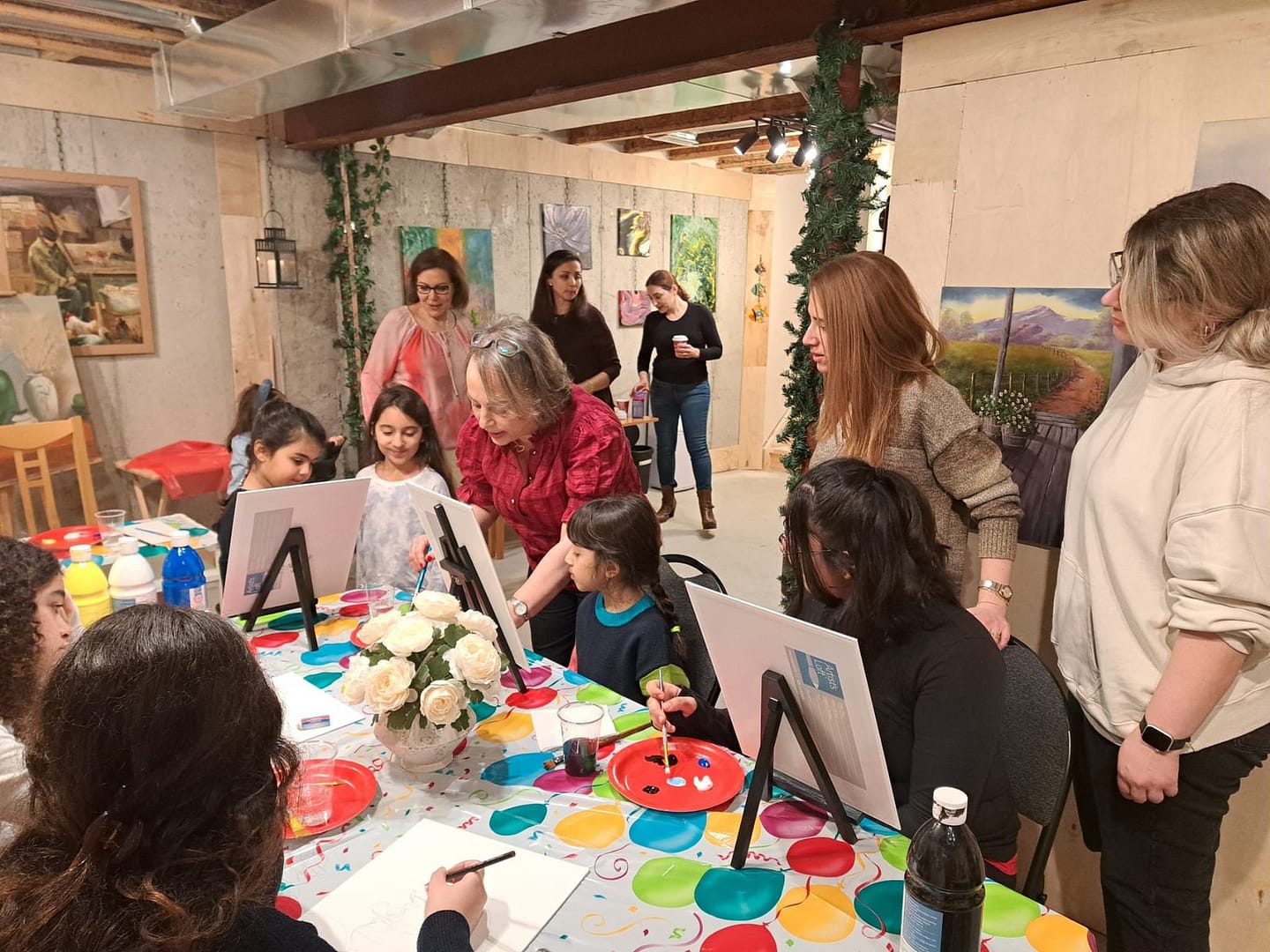
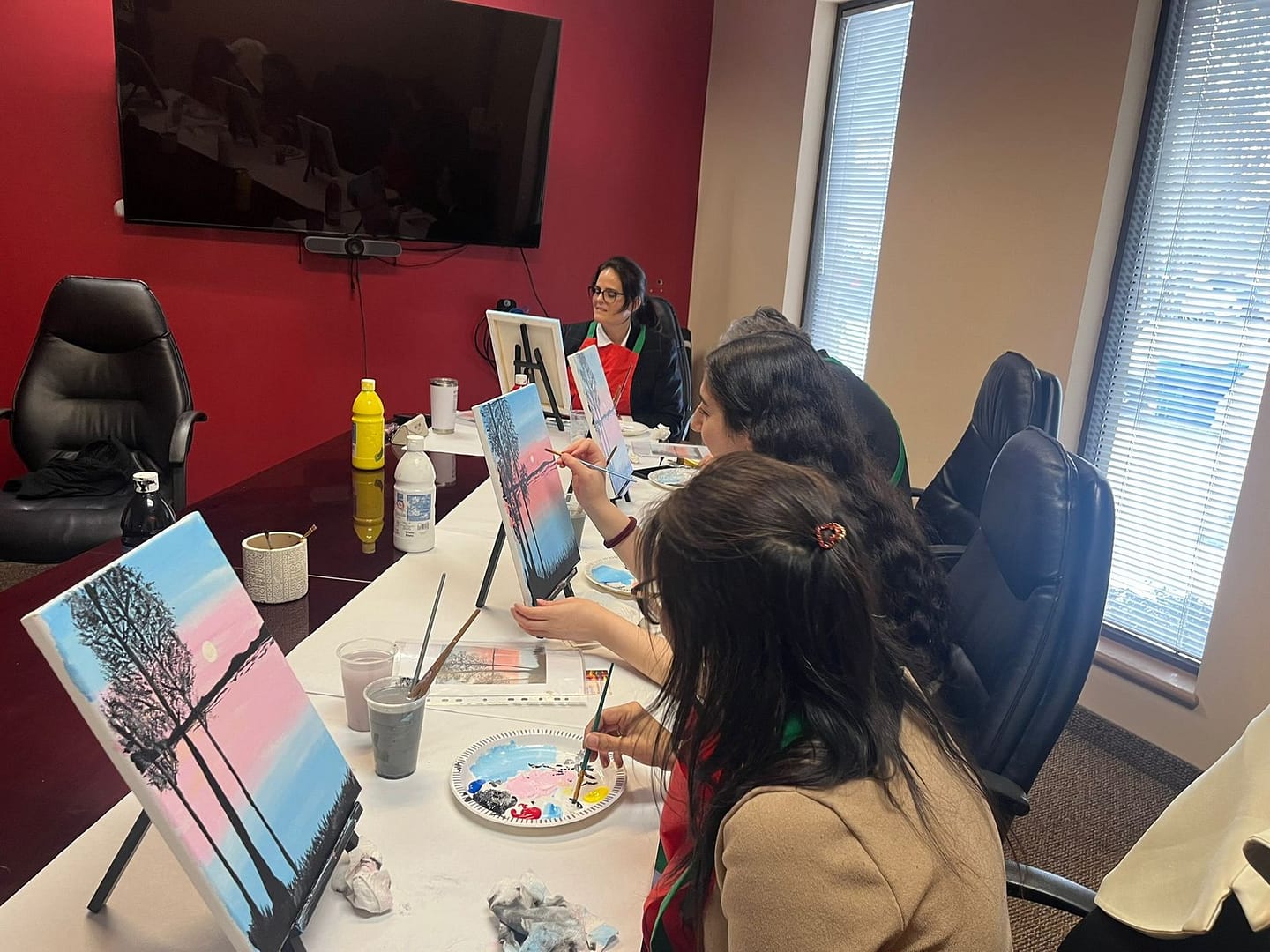
A Painting class can be an incredibly therapeutic and enriching experience for children with disabilities. These classes offer a creative outlet where young minds can express themselves freely, fostering a sense of accomplishment and joy. In an environment tailored to their needs, every stroke of the brush becomes a step toward self-discovery.
The beauty of a Painting Class for kids lies in its ability to transcend traditional communication barriers. For children who may struggle with verbal expression, painting provides a nonverbal language through which they can convey emotions and ideas. Whether it’s through the vibrant splash of colors or the meticulous details of their artwork, the act of painting allows children to explore their inner world in a way that words often cannot capture.
Instructors in these classes are trained to recognize the unique needs of each child, creating a supportive and inclusive atmosphere. Specialized tools and techniques can be introduced to accommodate various abilities, ensuring that every child has the chance to engage fully with the medium. This individualized approach not only promotes artistic growth but also builds confidence and a sense of pride in their creative accomplishments.
Moreover, a Painting class for disabled children encourages social interaction, offering opportunities for children to collaborate, share their work, and engage with peers in a positive and nurturing setting. The bonds formed through shared artistic experiences help to foster a sense of belonging and community, essential for emotional well-being.
Ultimately, these classes provide much more than just an art education; they empower disabled children to explore their potential, express their emotions, and find joy in creativity.
Art has long been recognized for its therapeutic properties, and a Painting class for disabled children is no exception. It serves as a safe space where children with various disabilities can explore their creative abilities while enhancing their emotional and mental well-being. These classes go beyond teaching the fundamentals of painting; they offer a sanctuary where expression knows no bounds. Through the medium of paint, children communicate their emotions, thoughts, and experiences, often in ways words cannot. This creative outlet is particularly beneficial for children who face communication challenges, allowing them to develop new ways to express themselves.
A Painting class tailored to children with disabilities is an immersive and adaptive experience that considers the unique needs of each individual. The class environment is thoughtfully crafted to ensure inclusivity, with specialized instructors who are trained to provide the necessary support. Whether a child is navigating physical limitations or cognitive challenges, the class structure is designed to accommodate their needs, helping them feel seen and understood. In this setting, every child can find their artistic voice, regardless of their challenges.
For children with disabilities, building confidence is often a gradual process, but a Painting class can significantly accelerate this journey. As they experiment with different tools, colors, and techniques, children are encouraged to take risks, make mistakes, and learn from them. This process of trial and error fosters a growth mindset, where children realize that each attempt, no matter the outcome, is valuable. The artistic environment allows for positive reinforcement, empowering children to feel proud of their work and accomplishments.
In a Painting class, the act of creating becomes an exercise in self-empowerment. The opportunity to hold a paintbrush, mix colors, and compose images fosters a sense of agency. It gives children control over their creative process, which can be especially meaningful for those who might feel they have little control over other aspects of their lives. For many, this newfound autonomy is both uplifting and motivating, serving as a catalyst for further growth and development.
Moreover, a supportive community often forms within these classes. When children share their artwork with others, they not only gain validation but also learn to appreciate the diverse perspectives of their peers. This sense of belonging reinforces the importance of self-worth, making it an integral part of the confidence-building process in a Painting class.
One of the most profound benefits of a Painting class for disabled children is the enhancement of communication skills. Many children with disabilities struggle with verbal communication, making it challenging to express complex emotions or thoughts. Painting offers an alternative medium for self-expression, enabling children to convey their inner world through the visual language of color, shape, and texture. This artistic approach is particularly valuable for children on the autism spectrum or those with speech delays, as it provides them with a way to articulate their feelings without relying on words.
In a Painting class, instructors encourage children to explore different emotions through their artwork. By associating colors with specific feelings or using visual symbols to represent ideas, children develop a richer vocabulary of expression. This can serve as a bridge to improved verbal communication, as children gain a deeper understanding of how to identify and articulate their emotions. Additionally, the tactile nature of painting helps children connect with their physical sensations, which further supports emotional awareness.
Over time, children who participate in these classes often develop a heightened sense of self-awareness and the ability to communicate more effectively, both artistically and verbally. As a result, a Painting class becomes more than just an artistic endeavor—it becomes a vital tool in helping children with disabilities find their voice.
A Painting class offers an ideal environment for emotional growth and regulation for children with disabilities. The process of painting itself can have a calming effect, helping children to focus their attention and manage their emotions. Whether they are feeling anxious, frustrated, or overwhelmed, the act of painting provides a safe outlet to channel these feelings into something productive and creative. This form of self-regulation is crucial for children with disabilities who may struggle to control their emotions in other contexts.
Instructors in a Painting class often guide children through the process of using their artwork to reflect on their emotions. This practice helps children learn to recognize and label their feelings, which is a critical step toward emotional intelligence. Through repeated engagement in these classes, children begin to develop coping mechanisms for managing stress and anxiety. The soothing act of applying paint to canvas, along with the sense of accomplishment that comes from completing a piece, can be an effective tool for emotional healing.
Furthermore, art therapy techniques, often incorporated into these classes, provide additional layers of emotional support. By using painting as a medium for emotional expression, children gain the confidence to confront and process their emotions in a healthy, constructive manner. Thus, a Painting class becomes an essential resource for fostering emotional resilience.
A Painting class for disabled children cannot function effectively without highly trained instructors who are knowledgeable in both art and special education. These educators possess a unique skill set that enables them to design inclusive and adaptive lesson plans, which cater to the varying needs of their students. They are attuned to the challenges faced by children with disabilities, including sensory sensitivities, physical limitations, and cognitive differences, and they create an environment where all children can succeed.
Specialized instructors in a Painting class are adept at providing individualized support. They are skilled at identifying each child’s strengths and areas of need, and they adjust their teaching methods accordingly. Whether a child requires more time to complete a project, needs specific accommodations in handling materials, or benefits from additional guidance with motor skills, the instructor is prepared to offer the necessary support. This personalized approach ensures that every child, regardless of their disability, is given an equal opportunity to thrive.
In addition to their technical expertise, instructors foster an environment of patience, encouragement, and empathy. By building trusting relationships with the children, they create a safe and supportive space where artistic expression can flourish. A Painting class under the guidance of such skilled instructors can have a lasting impact on a child’s development, both creatively and personally.
A Painting class for disabled children is more than just an opportunity for artistic expression; it is also a space for socialization and peer interaction. Many children with disabilities experience isolation due to their condition, making it challenging to build relationships with others. In the inclusive setting of a Painting class, children have the chance to engage with their peers, collaborate on projects, and share their work. This interaction helps break down social barriers, fostering a sense of belonging and community.
Through group activities and collaborative art projects, children learn valuable social skills such as cooperation, turn-taking, and communication. As they work together on a shared artistic goal, they build bonds with their peers, gaining a sense of camaraderie that extends beyond the art studio. These social experiences are essential for the development of social skills and emotional intelligence.
In addition to the structured group activities, children are encouraged to share their artwork with the class, which promotes confidence and social interaction. As they discuss their creative process and receive feedback, they learn how to navigate social dynamics in a supportive environment. The result is a Painting class that not only nurtures artistic talent but also strengthens the social fabric of the classroom.
The cognitive benefits of participating in a Painting class for disabled children are profound. Engaging in the creative process stimulates various areas of the brain, fostering cognitive development and enhancing problem-solving skills. Children are required to make decisions, plan their artwork, and experiment with different techniques—skills that promote critical thinking and cognitive flexibility. For children with cognitive disabilities, these activities provide an invaluable opportunity to strengthen neural connections and improve cognitive function.
In a Painting class, children often work on tasks that require them to follow instructions, engage in visual discrimination, and use fine motor skills. These activities challenge the brain, improving attention span, memory, and executive functioning. The hands-on nature of painting encourages children to focus on detail, enhancing their ability to concentrate and retain information.
Moreover, art education in a Painting class fosters creativity, which has been shown to have a positive impact on cognitive development. As children experiment with different colors, shapes, and compositions, they learn to think outside the box, approach problems from different angles, and develop innovative solutions. This creative thinking translates into other areas of learning, making the Painting class a powerful tool for cognitive growth.
The impact of a Painting class for disabled children extends far beyond the classroom. These classes leave a lasting imprint on a child’s personal growth, helping them develop skills and traits that will serve them well throughout their lives. Whether it is the confidence gained from completing a painting, the emotional regulation learned through artistic expression, or the friendships forged with peers, the benefits are profound and enduring.
In the long term, children who engage in Painting class are more likely to develop a positive sense of self, improved communication skills, and stronger emotional resilience. These children carry the lessons learned in the art studio into other areas of their lives, building the foundation for future success and happiness. Moreover, the memories of creating art in an inclusive, supportive environment often stay with children well into adulthood, influencing their attitudes toward creativity and personal expression.
Ultimately, a Painting class for disabled children is not just an art class—it is a life-changing experience that empowers children to discover their potential, build meaningful relationships, and express their unique voices. It is a space where creativity and personal growth intersect, leaving a legacy of positive change that endures for years to come.