
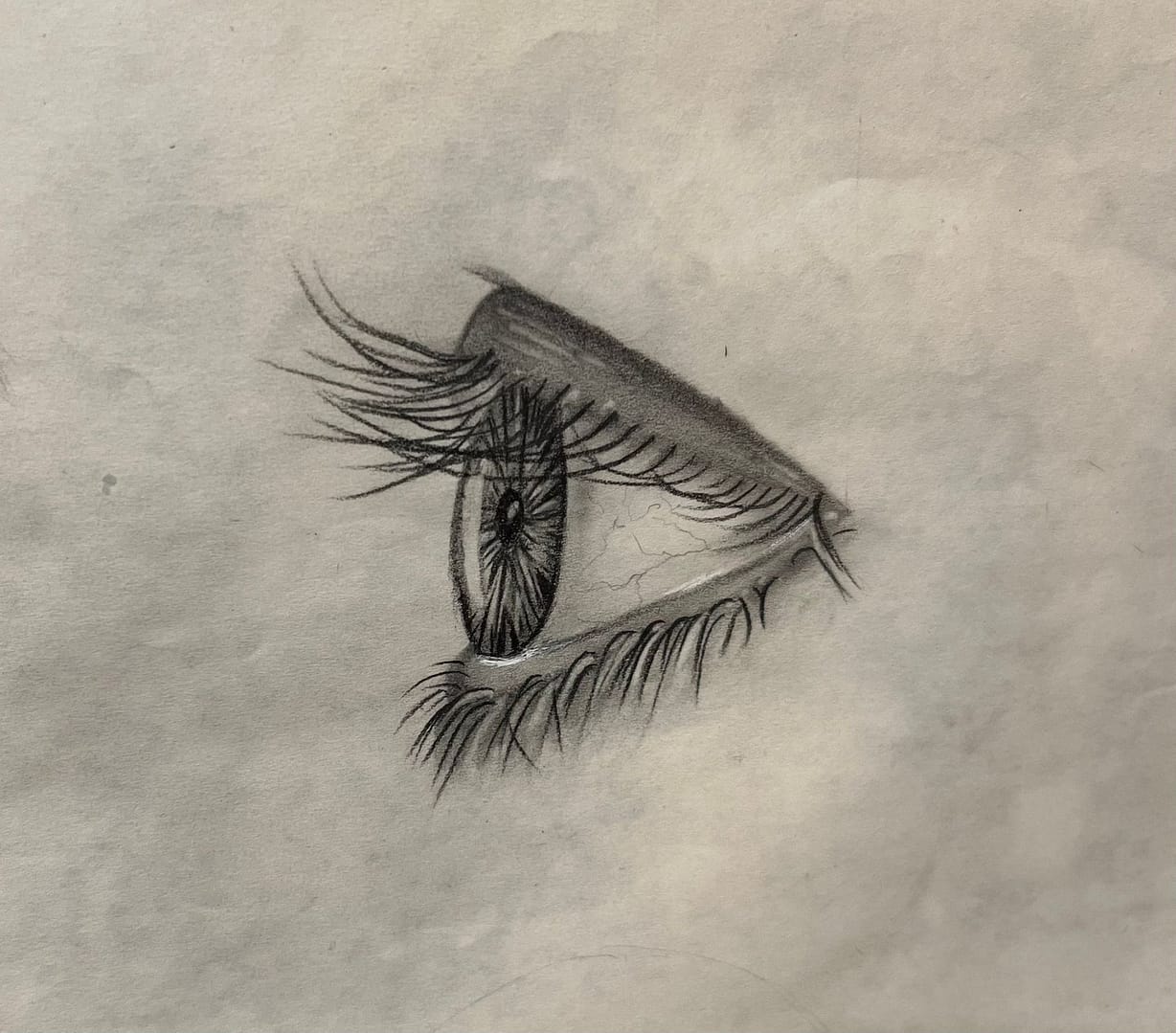
Starting an artistic journey can be both exciting and daunting, especially for beginners. An online Painting Class for Beginners offers an ideal platform for anyone eager to explore their creativity while learning at their own pace. Whether you’re completely new to painting or have dabbled in it, these virtual courses provide structured guidance, allowing you to develop fundamental skills in the comfort of your home.
A well-designed painting class introduces a variety of techniques and materials, from watercolors to acrylics, each offering unique methods for expression. Beginners will gain insight into color theory, composition, and brushwork, transforming raw ideas into vivid works of art. The beauty of online learning is the flexibility it offers; students can revisit lessons as needed and experiment without the pressure of a physical classroom.
Moreover, online painting class platforms often feature access to instructors with years of experience, who can offer valuable feedback and personalized tips. This virtual environment fosters creativity and self-expression, allowing you to interact with peers from all around the globe. Such community engagement can provide motivation and inspiration to continue honing your craft.
In conclusion, an online painting class is not just an educational experience—it’s an invitation to discover and nurture your artistic potential. With a blend of structured lessons, expert guidance, and a supportive community, beginners can confidently embark on their painting journey, creating masterpieces that are uniquely their own.
Online painting class offers a unique opportunity to explore creativity and develop artistic skills from the comfort of home. Many beginners are drawn to this flexible learning format, which enables them to learn at their own pace. These classes are ideal for individuals who have always wanted to paint but felt hesitant to start due to a lack of formal education or the intimidating environment of a traditional art studio.
Through an online painting class, beginners can explore various styles, mediums, and techniques at their own convenience. With a wide range of classes available, anyone can find a course that aligns with their interests. Whether you want to learn the basics of color theory, understand composition, or master the art of blending, online classes provide a comprehensive introduction to the world of painting.
These courses are designed to teach beginners step-by-step, breaking down each technique into manageable lessons. A typical painting class may cover topics such as selecting the right materials, understanding basic brushstrokes, and experimenting with different textures. The virtual format also allows students to revisit lessons and practice at their own pace, which is particularly beneficial for beginners who need extra time to grasp new concepts.
For those who want to refine their skills and explore new artistic territories, an online painting class serves as an invaluable resource. It allows learners to grow as artists in a supportive and non-intimidating environment. With expert instructors, easy-to-follow lessons, and access to online communities, beginners can confidently take their first steps into the world of painting.
The decision to enroll in an online painting class opens the door to numerous advantages, especially for beginners. One of the main benefits is the flexibility it offers. Unlike traditional art classes, online options allow students to learn from anywhere in the world, at any time. This is particularly appealing for individuals with busy schedules who may struggle to find time for in-person lessons.
Another significant advantage is the ability to learn at your own pace. In a live class, you might feel rushed to complete assignments or fall behind due to various reasons. An online painting class removes this pressure, allowing beginners to move through lessons as quickly or slowly as needed. Students can pause, rewind, or replay lessons to ensure they fully understand the content before moving on.
Additionally, online painting class platforms often provide a variety of resources that may not be available in traditional settings. These might include instructional videos, downloadable guides, and access to discussion forums where students can connect with peers. Some platforms also offer personalized feedback from instructors, which can be invaluable for beginners looking to improve their skills.
The supportive nature of an online painting class also plays a key role in a beginner’s artistic development. Students are encouraged to experiment, make mistakes, and learn from them. This approach fosters a sense of confidence and creativity, which is essential for anyone just starting their painting journey.
When considering an online painting class, beginners should take several factors into account to ensure they select the right course. One important aspect to consider is the course’s content. Does the class offer an introductory overview of painting techniques, or is it more advanced? For beginners, it’s crucial to choose a class that starts with the basics, such as color mixing, brush control, and understanding different painting surfaces.
Another factor to consider is the instructor’s expertise and teaching style. Many online painting class platforms provide instructor profiles, so students can get a sense of the teacher’s background and experience. Look for instructors who specialize in teaching beginners and who present lessons in a clear and accessible way.
The learning platform itself is also important. Some platforms offer live sessions, allowing students to interact with the instructor in real time, while others may be entirely self-paced. For beginners, a course with recorded lessons and supplementary materials may be ideal, as it allows for more flexibility.
Finally, consider the class’s community aspect. Some online painting class platforms offer discussion forums or private groups where students can share their work, ask questions, and offer support to one another. Engaging with fellow learners can help foster a sense of connection and motivate beginners to continue improving their craft.
One of the first things beginners will need to consider when taking an online painting class is the materials required for the course. Different classes may recommend different materials, but there are several essential items that are generally needed for most beginner-level painting courses.
First and foremost, beginners will need to select a suitable set of paints. Acrylic paints are often recommended for beginners due to their versatility, ease of use, and fast drying time. Watercolors and oil paints are also popular, but they may require more specialized techniques. A beginner should consult the class materials list to determine which type of paint is best suited for the course.
Next, a set of brushes is essential for any painting class. Beginners should invest in a variety of brushes, including flat, round, and filbert brushes, which allow for different painting techniques and effects. A quality set of brushes will make a significant difference in the outcome of your paintings.
Other materials that may be required include a palette for mixing paints, a canvas or watercolor paper, and a container for water (for watercolor or acrylic painting). A palette knife can also be helpful for mixing thicker paint or creating texture in your artwork.
While the materials needed for an online painting class can vary, beginners should always aim to purchase the best quality tools they can afford. Using high-quality materials will enhance the painting experience and help beginners achieve better results.
An online painting class for beginners introduces several fundamental techniques that are essential for mastering the art of painting. These techniques help students develop control over their brushstrokes, understand how to layer colors, and improve their overall artistic abilities.
One of the first techniques beginners learn is basic brush control. A painting class will teach how to hold the brush properly, how to apply different levels of pressure, and how to create different types of strokes. This is a vital skill that will influence the final appearance of a painting.
Another key technique is color mixing. In many painting class lessons, students learn how to mix primary colors to create secondary colors, as well as how to achieve the desired tone or shade by adjusting the ratio of paint. Understanding color theory is essential for creating depth, mood, and harmony in a painting.
A third technique that beginners explore is layering. This involves applying multiple layers of paint to build texture, enhance color intensity, and create a sense of depth in the artwork. Online painting class instructors often guide students through the process of layering, teaching them how to work with different paint types and mediums.
Finally, students may learn various techniques for shading, highlighting, and creating texture in their artwork. These techniques help bring a painting to life, making it more dynamic and visually appealing. Mastering these basics will set the foundation for further exploration and creativity in painting.
For many beginners, the idea of creating their first painting is both thrilling and intimidating. However, online painting class instructors provide step-by-step guidance to help students overcome this fear. Creating your first painting can be a rewarding experience that boosts confidence and sets the stage for future growth.
A typical first project in an online painting class might involve simple subjects, such as still life or abstract compositions. These subjects are less complex and allow beginners to focus on learning the basic techniques without feeling overwhelmed. Instructors often encourage students to begin with simple shapes and gradually build up to more detailed compositions.
The key to success in your first painting is not perfection but exploration. Online painting class lessons focus on experimenting with colors, brushes, and textures to understand how they work together. Beginners should not worry about creating a masterpiece right away; the goal is to enjoy the process and gain a better understanding of the medium.
Students are often encouraged to revisit their first painting after completing several lessons, as this allows them to see their progress and improvement. As confidence grows, beginners can take on more challenging projects and refine their skills further.
While online painting class offers a convenient and flexible way to learn, beginners may encounter several challenges as they progress. Understanding these common obstacles and knowing how to overcome them will help students stay motivated and continue improving their skills.
One of the most common challenges is frustration with the learning process. Many beginners feel discouraged when their paintings don’t turn out as expected. However, instructors often remind students that mistakes are part of the learning journey. Embracing imperfection and experimenting with different techniques is an essential part of growing as an artist.
Another challenge beginners face is mastering certain techniques. For instance, achieving smooth brushstrokes, blending colors, or creating texture can be difficult at first. However, online painting class instructors provide detailed instructions and tips to help students overcome these hurdles. Many students find that with consistent practice, they eventually gain control over these techniques.
Finally, some beginners struggle with self-doubt, questioning whether they have the talent or skill to improve. Online painting class platforms often include motivational resources, such as inspirational artist stories, to remind students that talent is nurtured through practice and dedication. Creating art is a personal journey, and every artist progresses at their own pace.
By addressing these challenges and maintaining a positive attitude, beginners can continue to thrive and enjoy the painting process.
An online painting class allows beginners to explore a variety of painting styles, each with its own unique techniques and approaches. Whether you’re interested in realism, abstraction, or impressionism, an online class offers a great introduction to different artistic movements and their techniques.
Realism is one of the most popular styles taught in beginner-level painting class courses. This style focuses on depicting subjects as accurately as possible, with attention to detail, shading, and perspective. Beginners may start with simple still-life subjects, learning to observe and replicate them on canvas with precision.
Impressionism is another style that is commonly explored in online painting class courses. Known for its emphasis on light, color, and movement, impressionism encourages beginners to paint scenes with loose brushstrokes and vibrant color palettes. This style is more focused on capturing a moment or mood rather than detailed accuracy.
Abstract painting is also a popular style for beginners, offering a way to express emotions and ideas without the constraints of realistic representation. Online painting class courses that focus on abstraction encourage students to experiment with shapes, lines, and colors in an intuitive and free-flowing manner.
By exploring these various styles, beginners can discover their personal artistic preferences and find the style that best aligns with their vision.
Once a beginner has mastered the basic techniques in an online painting class, it’s time to explore more advanced concepts and refine their skills. Progressing beyond the basics involves experimenting with more complex subjects, refining brushwork, and incorporating new techniques into one’s repertoire.
One way to advance is by tackling more intricate subject matter, such as portraiture, landscapes, or complex still life compositions. These subjects require a deeper understanding of composition, proportion, and color theory. An online painting class may guide students through these advanced lessons, teaching them how to approach these challenging topics.
Additionally, beginners may explore new painting techniques, such as glazing, impasto, or palette knife painting. These techniques add texture and depth to a painting, enhancing the overall aesthetic. Many online painting class platforms provide lessons on how to incorporate these advanced methods into artwork.
As beginners progress, they may also start developing their own personal style and artistic voice. Online painting class instructors often encourage students to experiment with different mediums and techniques to find what resonates with them. This stage of learning is all about pushing boundaries and exploring new creative possibilities.
With continued practice, dedication, and guidance from instructors, students can confidently progress beyond the basics and achieve a higher level of artistic mastery.
The future of online painting class education looks bright, as more and more people discover the benefits of virtual learning. Technological advancements continue to improve the accessibility and interactivity of online classes, making it easier than ever for beginners to learn painting from anywhere in the world.
One exciting trend is the integration of virtual reality (VR) and augmented reality (AR) into online painting class platforms. These technologies offer immersive learning experiences, allowing students to virtually step into a 3D painting environment and practice techniques in real time. As these technologies evolve, online painting education will become even more interactive and engaging.
Additionally, as the global art community continues to grow, online painting class platforms will likely see an increase in collaboration opportunities. Artists from different backgrounds and cultures can connect, share ideas, and inspire one another. This global community will continue to foster creativity, innovation, and inclusivity in the world of painting.
In conclusion, online painting class education is an excellent way for beginners to start their artistic journey. With flexibility, expert instruction, and the ability to experiment, students can develop their skills and create art that is both meaningful and beautiful. As technology continues to advance, the future of online painting education holds limitless possibilities for learners of all ages and backgrounds.
