
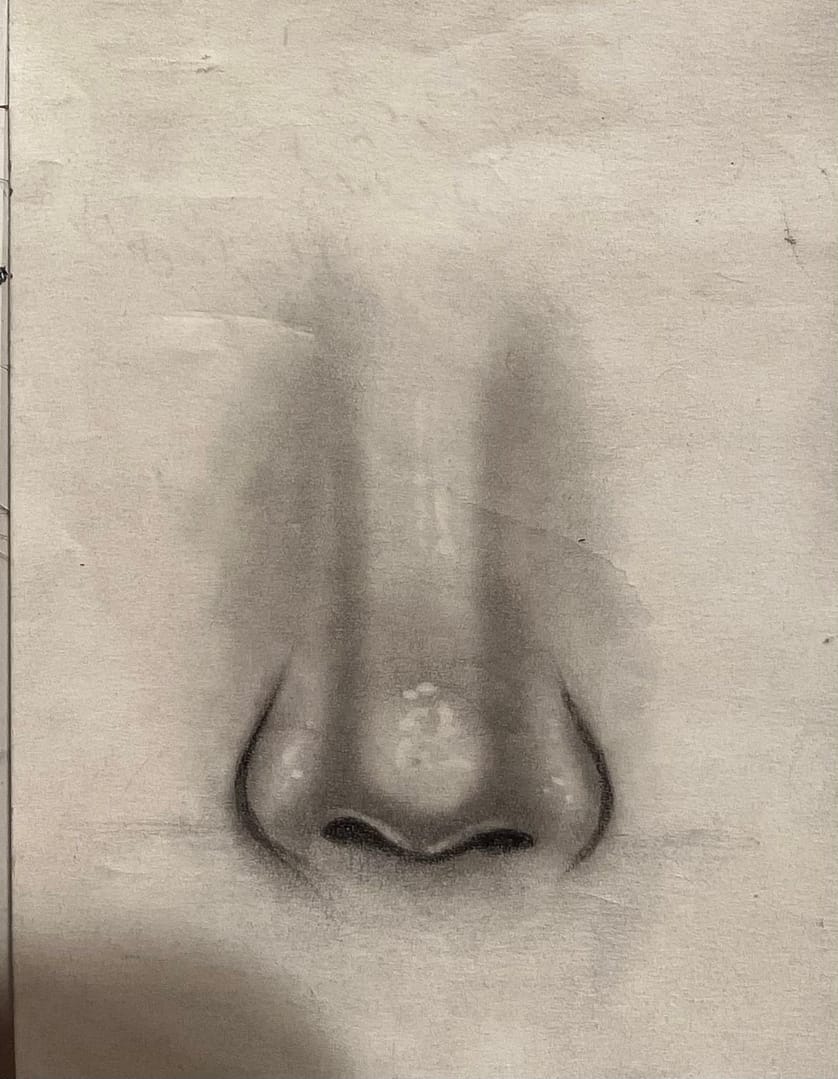
Calling all young artists! Dive into a world of color and expression with Painting Classes tailored specifically for teens at the renowned Fania Art Gallery. Located in the heart of the city, this esteemed gallery offers a dynamic space where budding artists can hone their skills and unleash their creativity in a vibrant atmosphere.
Led by experienced instructors who specialize in working with young talents, painting classes for teens at Fania Art Gallery provide a supportive and inspiring environment where students can explore a variety of mediums, techniques, and styles. From acrylics to watercolors, realism to abstraction, there’s something for every teen artist to discover and experiment with.
In painting classes for teens, participants have the opportunity to develop their artistic voice, express themselves authentically, and build confidence in their abilities. Whether they’re aspiring professionals or simply passionate about art, these classes offer a platform for self-expression and personal growth that extends beyond the canvas.
Join us at Fania Art Gallery and embark on a creative journey that will ignite your imagination and leave a lasting impression on your artistic practice.
Painting classes provide teens with a unique opportunity to explore their creative side and develop new skills. Whether they are beginners or more experienced artists, these classes offer a structured environment where teens can learn a variety of painting techniques. From basic brushwork to advanced color theory, painting classes equip students with the tools they need to express themselves visually.
For teens, the appeal of painting classes lies not only in the ability to create art but also in the therapeutic benefits of the creative process. Painting allows for emotional expression and can help teens navigate the challenges of adolescence. Whether they are working on a still life, a portrait, or an abstract piece, painting classes provide a supportive space for teens to experiment with different artistic styles and themes.
Through these classes, teens can explore their personal interests while learning the fundamentals of art. They gain confidence as they refine their skills, experiment with new techniques, and push the boundaries of their creativity. The structure of painting classes also allows teens to receive constructive feedback from instructors, helping them improve their technique and understanding of art.
In painting classes, teens are often introduced to a wide range of artistic materials and mediums. Acrylics, oils, watercolors, and pastels each offer distinct advantages, and exploring these options helps teens determine which medium best suits their personal style. Painting classes allow teens to gain hands-on experience with these materials, learning how to work with different textures, surfaces, and techniques.
By experimenting with various painting mediums, teens develop a well-rounded understanding of the tools available to them. For instance, acrylic paints dry quickly, allowing teens to layer and modify their work with ease, while oil paints provide a slower drying time, ideal for blending and creating more intricate details. Painting classes also teach teens how to prepare canvases, mix colors, and use various brushes and tools to achieve their desired effects.
In addition to learning technical skills, teens in painting classes are encouraged to think critically about their art. They learn how to evaluate their work, assess their progress, and make adjustments as necessary. This process not only hones their artistic abilities but also builds problem-solving skills that can be applied in other areas of their lives.
One of the key benefits of painting classes for teens is the opportunity for self-expression. During adolescence, teens are often seeking ways to articulate their emotions and thoughts. Painting provides an outlet for them to communicate their inner world without words. Whether they are creating abstract forms or realistic portraits, their paintings become personal expressions of who they are and how they see the world.
In painting classes, teens are encouraged to explore a variety of themes that resonate with their experiences. For instance, they may be drawn to painting about nature, identity, or social issues. This freedom allows them to explore their thoughts and feelings, using their paintings to express their unique perspective. These creative explorations also provide a sense of ownership over their work, boosting self-esteem and confidence.
Moreover, painting classes foster an environment where teens can share their artwork with others. This sharing process helps teens develop communication skills and gives them the opportunity to receive constructive feedback from peers and instructors. Engaging with others about their art also encourages teens to reflect on their creative choices and gain a deeper understanding of their own artistic process.
The social aspect of painting classes is another valuable component. For many teens, these classes offer a chance to meet others who share similar interests. Building connections with like-minded peers provides a sense of community and support. Teenagers can collaborate, exchange ideas, and learn from one another, enriching their overall artistic experience.
By participating in group critiques, teens learn how to express their thoughts on others’ work and how to receive feedback on their own creations. This exchange fosters a sense of collaboration, making painting classes more than just an individual pursuit. It also teaches teens important skills for working in a group, such as respect for differing opinions, communication, and constructive criticism.
In addition, being part of a group of young artists helps teens build friendships and a sense of belonging. These relationships can often extend beyond the classroom, providing teens with a lasting support network. Painting classes give teens the opportunity to connect with others who are passionate about the same creative pursuits, enhancing their social experience while enriching their artistic growth.
One of the unique aspects of painting classes is the balance between creativity and discipline. While painting allows for creative freedom, it also requires focus, practice, and patience. Teens who participate in these classes learn how to set goals, manage their time, and develop a consistent approach to their art. The discipline involved in creating a finished painting teaches teens the importance of persistence and dedication.
Instructors in painting classes emphasize the importance of developing a structured routine for practicing painting. Teens are encouraged to set aside time each week to work on their art, allowing them to progress steadily and refine their skills. This process teaches teens the value of hard work and perseverance, which can be applied not only to their artistic pursuits but also to other areas of their lives.
The structure of painting classes also helps teens build a sense of responsibility. By completing projects, meeting deadlines, and maintaining focus throughout the creative process, they learn how to stay organized and committed to their artistic goals. These life skills are invaluable and can have a lasting impact on their overall development.
Beyond technical skills, painting classes help teens cultivate a deeper appreciation for art. By studying the works of famous artists and learning about different artistic movements, teens gain insight into the history of painting and its cultural significance. Exposure to a variety of artistic styles, from Renaissance realism to modern abstraction, allows teens to develop a broader understanding of the diverse world of art.
In painting classes, teens may have the opportunity to explore different art forms beyond traditional painting. They might experiment with mixed media, incorporating materials like charcoal, pastels, or even found objects into their work. These explorations expand their creative horizons and encourage them to think outside the box. The ability to blend various mediums enhances their artistic flexibility, allowing them to create more dynamic and original pieces.
Furthermore, learning about art history in painting classes gives teens a sense of connection to the larger narrative of human creativity. They begin to recognize that their own artwork is part of a long tradition of artistic expression and that they are contributing to this ongoing dialogue. This historical perspective enriches their understanding of art and inspires them to create with greater purpose.
One of the benefits of painting classes is the opportunity to develop a personal style. In these classes, teens are encouraged to experiment with different techniques and approaches to painting. As they gain experience and confidence, they begin to discover what resonates with them the most. Whether it’s through bold, expressive brushstrokes or more controlled, detailed work, each teen develops a distinctive artistic voice.
By learning a variety of painting techniques in painting classes, teens gain the flexibility to explore multiple styles and genres. They may begin with classical approaches, such as still life or portraiture, before branching out into more abstract or conceptual work. This wide-ranging exploration allows teens to refine their preferences and ultimately find the medium and style that best expresses their personality and vision.
As they experiment with different painting techniques, teens begin to understand the importance of consistency and refinement. They learn how to push the boundaries of their creativity while maintaining a sense of cohesiveness in their work. This journey of self-discovery is one of the most rewarding aspects of painting classes, as it helps teens connect with their unique artistic identity.
Painting classes also provide an excellent platform for teens to develop their problem-solving abilities. As they work through the creative process, teens face challenges such as achieving the right color mix, handling brushwork, and resolving composition issues. These obstacles require critical thinking and creative solutions, helping teens to become more adaptable and resourceful.
Instructors in painting classes guide teens through these challenges, teaching them how to break down complex tasks into manageable steps. This process of problem-solving enhances teens’ ability to approach other areas of life with a similar mindset, whether it’s in academics, sports, or personal relationships. The experience of overcoming obstacles in the creative process builds resilience and encourages teens to embrace challenges with confidence.
Moreover, the act of creating art teaches teens how to make decisions and take risks. As they experiment with different techniques and compositions, they learn the importance of trusting their instincts and taking creative leaps. These decision-making skills are invaluable and help teens grow both as artists and individuals.
In addition to the cognitive benefits, painting classes provide emotional and psychological benefits for teens. The act of painting can be deeply therapeutic, allowing teens to process their emotions and express themselves in a safe and creative way. Many teens face stress, anxiety, and emotional challenges, and painting provides an outlet for them to work through these feelings.
In painting classes, teens learn that there is no “right” or “wrong” way to create art. This sense of freedom allows them to let go of perfectionism and embrace the fluidity of the creative process. The act of expressing themselves through paint can be a release, helping teens cope with difficult emotions and providing them with a healthy way to manage stress.
Moreover, the confidence that comes from creating something beautiful and meaningful contributes to teens’ overall sense of well-being. As they complete their paintings and receive positive feedback, they experience a sense of accomplishment and pride. These positive emotions reinforce the idea that creativity is an important and valuable part of their lives.
Teens who take painting classes also benefit from the opportunity to showcase their work. Many classes culminate
in exhibitions where teens can display their art to friends, family, and even the broader community. These opportunities to share their work with others can be incredibly empowering. It provides teens with a sense of validation for their efforts, while also helping them develop skills in presenting and discussing their artwork.
The experience of exhibiting their work allows teens to take ownership of their creative process. It fosters a sense of pride in what they’ve accomplished, as well as a desire to continue refining their craft. Additionally, seeing their work displayed alongside that of their peers can inspire them to pursue new ideas and techniques. The process of preparing for an exhibition also teaches teens valuable lessons in planning and organization, skills that can benefit them beyond the art world.
Participating in an exhibition can also open doors for teens to further their artistic careers. Some teens may be discovered by local galleries or art collectors, while others may be inspired to pursue art in higher education. Whether they are simply showcasing their creations for personal fulfillment or aiming for more professional opportunities, painting classes provide a gateway to a broader artistic community.
As teens progress in painting classes, they often discover the importance of patience in the creative process. While many may initially want to rush through their paintings to see the finished result, the experience of working slowly and carefully teaches teens the value of taking their time. Instructors emphasize that good art requires attention to detail and a willingness to make adjustments along the way.
This practice of patience extends beyond the painting process itself. Teens learn that the journey of creating art can be just as rewarding as the final product. By allowing themselves time to reflect, revise, and improve, teens develop a sense of discipline that can be applied in many areas of their lives. The lessons in patience they gain in painting classes are vital for their personal growth and future success.
Moreover, the experience of working through challenges and setbacks teaches teens resilience. As they encounter mistakes or difficult moments in their artwork, they learn to embrace these experiences as part of the creative process rather than as failures. This mindset shift empowers teens to approach life’s challenges with a more positive and adaptable attitude.
For teens interested in pursuing a career in art, painting classes offer an essential foundation. These classes provide the technical skills and knowledge needed to excel in more advanced artistic endeavors. Teens who take painting seriously may choose to study art in college or pursue a career as a professional artist. The skills learned in painting classes—from mastering techniques to understanding the fundamentals of composition—serve as a stepping stone to these future opportunities.
Additionally, painting classes help teens build a portfolio, which is crucial for applying to art schools or showcasing their work to potential clients. A strong portfolio is often a key factor in the admissions process for art programs or when seeking commissions from clients. Through painting classes, teens gain the experience and confidence necessary to create a body of work that demonstrates their artistic abilities.
Furthermore, painting classes also teach teens about the business side of art. They may learn about pricing their work, marketing themselves, and managing commissions, which is especially valuable for teens who want to turn their passion for painting into a sustainable career. These business skills are critical for success in the art world and help teens develop a more entrepreneurial mindset.
Another significant benefit of painting classes for teens is the enhancement of their fine motor skills. Painting requires coordination and precision, whether it’s in controlling the brush, mixing colors, or applying paint with careful strokes. As teens practice their craft, they strengthen the fine motor skills necessary for detailed and intricate work. These skills are not only beneficial for art but can also be applied in other areas that require hand-eye coordination, such as writing, sports, and playing musical instruments.
In painting classes, teens are encouraged to focus on the subtle nuances of their work. They learn how to layer paint, create textures, and add depth to their paintings—all of which require a delicate touch and control. This hands-on approach helps teens develop a greater awareness of their movements and a finer level of dexterity. Over time, these skills become more refined, allowing teens to create artwork that is more sophisticated and polished.
The improvement in fine motor skills also leads to increased confidence in other activities. Teens who develop a steady hand and good control in their artwork can transfer these abilities to other areas of life, enhancing their performance in tasks that require similar precision.
For teens who feel isolated or disconnected, painting classes offer an opportunity for emotional healing. Art has long been recognized for its therapeutic benefits, and painting, in particular, allows teens to express their emotions and process difficult experiences. In painting classes, teens can explore their feelings through color, texture, and form, providing an outlet for their emotions.
Whether dealing with stress, anxiety, or personal struggles, painting allows teens to work through their feelings in a healthy and creative way. The act of painting helps teens externalize their emotions, making them more manageable and less overwhelming. By expressing themselves through art, teens are able to release pent-up emotions and gain clarity on their feelings.
Additionally, painting classes provide a safe and supportive environment where teens can feel understood and accepted. Instructors and peers encourage open expression and foster a non-judgmental space. This supportive atmosphere is crucial for teens who may not have other outlets for their emotions, providing them with a place to heal through creative expression.
Through painting classes, teens also gain a greater appreciation for the arts as a whole. They are introduced to the rich history of painting and the myriad of styles and techniques that have shaped the world of art. This exposure broadens their understanding of what art can be and sparks curiosity about different artistic movements, from classical realism to contemporary abstraction.
In painting classes, teens learn to analyze and interpret art, developing critical thinking skills that allow them to appreciate and evaluate works of art more deeply. This deeper understanding of art enhances their ability to create meaningful paintings of their own, as they learn to draw inspiration from a variety of sources. The ability to see beyond the surface of a painting and understand the artist’s intention is a valuable skill that can be applied to both creating and appreciating art.
Moreover, painting classes expose teens to the diversity of artistic expression around the world. By studying art from different cultures and time periods, teens gain a broader perspective on the role of art in society. This cultural appreciation not only enriches their understanding of art but also encourages them to incorporate diverse influences into their own work.
As teens gain more experience in painting classes, they often find themselves becoming more observant of the world around them. Painting encourages teens to see things differently—whether it’s the way light reflects on a surface, the texture of a tree’s bark, or the subtle shifts in color in a sunset. This heightened awareness enhances their artistic work, as they learn to notice the intricate details that others might overlook.
This increased attention to detail extends beyond painting. Teens who develop a keen eye for observation in their art also carry this skill into other aspects of their lives. They become more attuned to the nuances in their environment, enhancing their ability to appreciate nature, architecture, and everyday scenes.
In painting classes, teens learn how to capture these details in their work, translating their observations into visual representations. This skill not only strengthens their paintings but also deepens their connection to the world around them, encouraging them to see beauty in even the most ordinary things.
Another major advantage of painting classes is the development of time management skills. Teens often juggle multiple responsibilities, such as schoolwork, extracurricular activities, and social obligations. In painting classes, teens learn to prioritize their time and manage projects effectively, balancing their artistic work with other commitments.
As teens take on larger painting projects, they are required to break down the process into manageable steps and allocate time for each stage of their work. This structured approach helps teens develop organizational skills and a better understanding of how to manage their time efficiently. It also teaches them to stay focused and avoid procrastination, important skills that will benefit them in all areas of their lives.
In addition, the completion of a painting project from start to finish provides a sense of accomplishment and reinforces the importance of perseverance. Teens learn that with time and effort, they can complete even the most challenging tasks. This experience of seeing a project through to the end builds confidence and teaches teens the value of hard work.
The creative nature of painting classes also provides teens with a sense of escape from the pressures of everyday life. Whether it’s the stress of school, relationships, or personal challenges, painting offers teens a way to channel their energy into something positive and fulfilling. The immersive experience of painting allows teens to disconnect from their worries and focus solely on the task at hand.
In painting classes, teens are encouraged to enter a “flow state” where they become fully absorbed in their work. This state of deep focus provides a mental break from the outside world, giving teens the space to relax and recharge. It allows them to experience the joy of creating without the distractions and stressors that may be present in other aspects of their lives.
This mental respite is particularly valuable for teens, who often face a wide range of emotional and social challenges. By providing a healthy outlet for their emotions, painting classes serve as a form of therapy, offering a much-needed break from the pressures of adolescence.
Many teens who take painting classes develop a lifelong passion for the arts. As they learn new techniques, experiment with different materials, and discover their personal style, they often develop a deep love for painting that lasts well beyond their teenage years. The skills gained in painting classes provide a strong foundation for continued artistic growth, whether through formal art education or independent practice.
For some teens, painting classes serve as the beginning of a lifelong artistic journey. They may choose to pursue art
in higher education, or even turn painting into a full-time career. For others, painting may remain a cherished hobby that provides them with a creative outlet throughout their lives. Regardless of the path they choose, painting classes ignite a passion for creativity that often endures into adulthood.
In fact, many teens who begin taking painting classes find that the skills they learn—both technical and emotional—enrich their lives in unexpected ways. Beyond simply creating art, they gain an appreciation for creativity as a whole, leading them to seek out other forms of artistic expression. Whether it’s photography, sculpture, or writing, the lessons learned in painting classes can inspire teens to explore other creative endeavors and continue their artistic journey in various forms.
Moreover, the discipline and dedication developed through painting classes translate well into other aspects of life. The perseverance required to complete a painting helps teens build resilience in the face of challenges, while the problem-solving skills gained in the creative process carry over into everyday situations. Ultimately, painting classes not only help teens become better artists but also contribute to their growth as individuals.
A significant advantage of painting classes is the opportunity to learn from skilled instructors. These experienced artists provide valuable insights into various techniques, offering personalized guidance that helps teens refine their skills. Instructors often have a wealth of knowledge about different styles, materials, and tools, and they can provide constructive feedback that helps teens improve their artwork.
In painting classes, instructors create a supportive and encouraging environment where teens feel comfortable taking risks and exploring new ideas. They guide teens through the process of developing their artwork, providing them with techniques to overcome creative blocks and challenges. Through individual critiques and group discussions, teens gain a deeper understanding of their art and how to improve it.
The mentorship provided in painting classes helps teens grow not only as artists but also as individuals. Instructors often serve as role models, showing teens how to navigate the world of art with professionalism and passion. The encouragement and support offered in these classes can make a significant difference in a teen’s artistic journey, inspiring them to continue creating and developing their skills.
Through painting classes, teens learn valuable skills that extend beyond the realm of art. Creativity, self-discipline, time management, and problem-solving are just a few of the important lessons learned. These skills can help teens succeed not only in their artistic endeavors but also in their academic and personal lives. For example, the patience and focus developed through painting can enhance a teen’s ability to stay engaged in schoolwork, while the creativity fostered in painting classes encourages innovative thinking in all areas of life.
Moreover, painting classes help teens develop a stronger sense of self-confidence. As they experiment with different techniques, try new styles, and refine their skills, teens begin to trust their creative instincts and abilities. The positive reinforcement they receive from instructors and peers boosts their confidence and encourages them to continue pursuing their passion for art.
In addition, painting classes teach teens the importance of persistence. Creating a finished painting requires time and effort, and it’s common for artists to encounter challenges and setbacks along the way. By learning how to persevere through these difficulties, teens gain a sense of accomplishment that reinforces their belief in their own abilities.
Another rewarding aspect of painting classes is the development of critical thinking skills. As teens create their artwork, they are required to make a series of decisions about composition, color, and technique. These decisions challenge their problem-solving abilities and help them develop a more analytical approach to their creative process.
In painting classes, teens are encouraged to think critically about their work and make deliberate choices. They learn to assess their paintings, identify areas that need improvement, and figure out how to make adjustments. This process of self-reflection teaches them how to evaluate their work objectively and apply critical thinking to make informed decisions about their artistic process.
These critical thinking skills are transferable to other areas of life. The ability to analyze problems, assess options, and make thoughtful decisions is valuable in academics, personal relationships, and future careers. Through painting classes, teens not only become better artists but also develop important life skills that will serve them well throughout their lives.
For teens who enjoy the process of creating art, painting classes offer a much-needed break from the stresses of everyday life. With the pressures of school, social media, and extracurricular activities, many teens find it difficult to relax and unwind. Painting provides a therapeutic escape, offering a moment of peace where teens can focus solely on the act of creation.
In painting classes, teens have the chance to disconnect from the outside world and immerse themselves in their artwork. The act of painting is meditative, allowing teens to relax and express themselves without the distractions of daily life. This time spent in a focused, creative environment helps reduce stress and promotes a sense of calm.
Moreover, painting encourages mindfulness—a state of being fully present in the moment. In painting classes, teens learn to engage in the process of painting with intention and awareness. This mindfulness helps them to connect with their inner thoughts and emotions, leading to a deeper understanding of themselves and their creative process.
As teens continue to develop their skills in painting classes, they often find that their artwork becomes more complex and refined. With each new painting, they push the boundaries of their creativity and challenge themselves to explore new techniques and styles. This progression is a natural part of the artistic journey, and it reflects the growth and development that teens experience as they become more confident in their abilities.
In painting classes, teens are encouraged to experiment with new ideas and take risks with their artwork. Whether it’s trying a different medium, exploring new subject matter, or embracing a more abstract style, these experiments allow teens to discover new aspects of their creativity. This sense of exploration is crucial for artistic growth and helps teens develop their own unique voice as artists.
The progression in painting classes is not only about technical skill but also about personal growth. As teens continue to create, they learn to trust their instincts, take creative risks, and embrace their individuality. This journey of self-expression is one of the most rewarding aspects of taking painting classes.
Finally, painting classes offer teens the opportunity to develop a lasting appreciation for the arts. As they explore different styles, techniques, and materials, teens gain a deeper understanding of the value of creativity and artistic expression. Many teens who take painting classes go on to pursue careers in art or continue to make painting a lifelong passion.
Through painting classes, teens not only gain valuable artistic skills but also develop a sense of connection to the broader artistic community. They learn to appreciate the work of other artists, both contemporary and historical, and understand the role of art in society. This appreciation helps teens see the importance of the arts in shaping culture and encouraging personal growth.
The skills, confidence, and passion gained from painting classes provide teens with a strong foundation for a future in the arts or any other field they choose. The experience of creating art fosters personal growth, critical thinking, and emotional expression, making painting classes an invaluable experience for teens.