
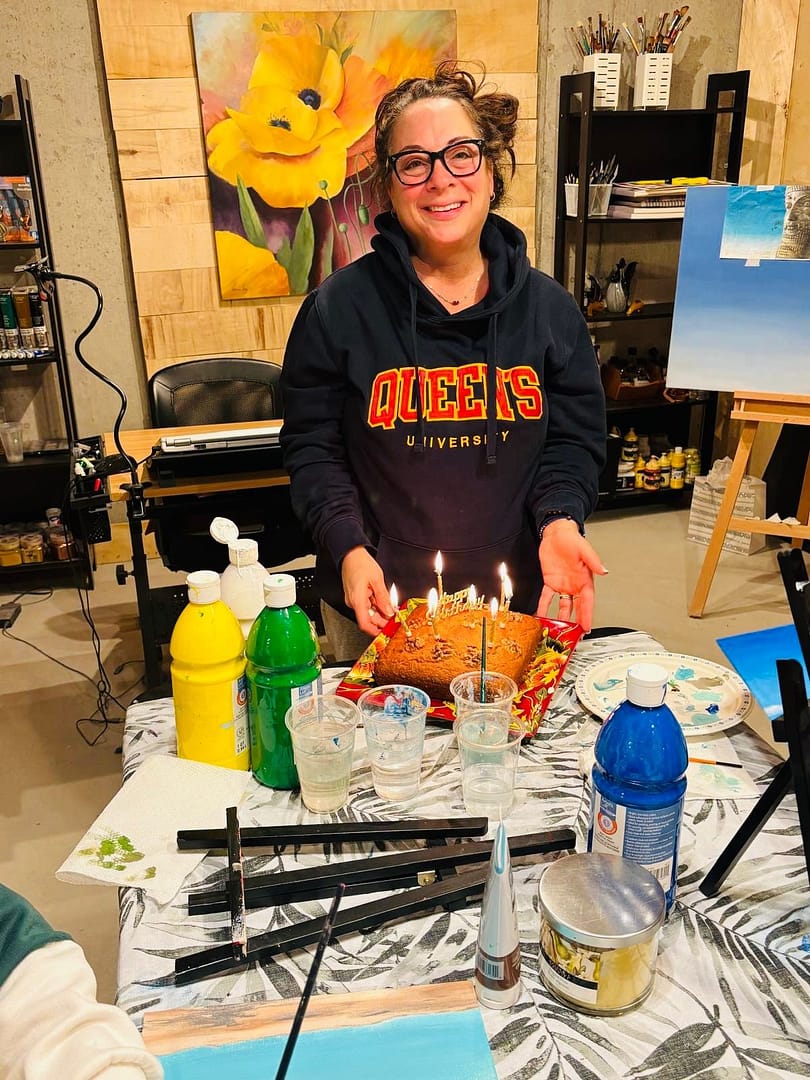
A painting class for Adults Person is more than just a creative outlet; it’s an opportunity to unwind and explore artistic expression in a relaxed, supportive environment. Whether you’re a seasoned artist or a complete beginner, these classes provide a space for individuals to escape the routine of daily life and immerse themselves in the world of color and texture. The therapeutic benefits of engaging with art are well-documented, offering stress relief and fostering mindfulness.
In a painting class, participants often find themselves tapping into their creative potential, discovering new techniques and honing their skills. The act of painting itself becomes a journey of self-expression, as individuals learn to communicate through brushstrokes, palettes, and canvases. These classes typically feature a variety of mediums, from acrylics to watercolors, giving adults the freedom to experiment and find their preferred style.
Not only does a painting class enhance artistic abilities, but it also serves as a social activity, fostering connections among like-minded individuals. The shared experience of creating art can lead to meaningful friendships and a sense of community. Additionally, many adult learners appreciate the flexibility that these classes offer, with options for evening sessions and weekend workshops.
For those seeking to enrich their lives with a fulfilling hobby, a painting class is an ideal choice. It’s not just about learning to paint—it’s about embracing creativity, relaxing the mind, and enjoying the process of creating something truly unique.
In recent years, painting classes for adults have surged in popularity. Adults seek creative outlets to relieve stress, enhance cognitive skills, and simply enjoy a fun, engaging activity. These classes provide a wonderful escape from the pressures of daily life. In a world where technology and work demand constant attention, many are finding solace in exploring art. By dedicating time to brush strokes and color mixing, participants tap into a meditative state. This not only provides relaxation but also fosters personal growth. Whether it’s a casual evening or a weekend retreat, painting classes offer a perfect opportunity to unwind and explore new horizons.
The beauty of these painting classes lies in their accessibility. No experience is required, making them suitable for everyone, regardless of artistic ability. Many participants find that their creativity blooms once given the proper guidance and encouragement. Each class offers structured learning and an opportunity for individual expression. Attendees learn essential techniques, experiment with various styles, and create masterpieces in a welcoming environment. This fusion of technical skill and artistic freedom is what draws so many adults to painting classes. It’s about more than learning to paint—it’s about discovering a new way of viewing the world.
One of the most profound reasons adults turn to painting classes is for the therapeutic benefits they offer. Painting is not only an enjoyable pastime, but it can also significantly improve mental well-being. Engaging in creative expression helps individuals process emotions, release stress, and even combat feelings of anxiety. By focusing on the strokes of a paintbrush, participants often experience mindfulness—staying in the present moment. This meditative aspect of painting allows adults to momentarily forget about the challenges of everyday life.
Painting classes also provide a sense of accomplishment. Creating something tangible brings immense satisfaction. This boosts self-esteem and cultivates confidence in one’s abilities. Adults may begin to feel more empowered as they complete projects and refine their artistic skills. In addition, these classes promote problem-solving. Whether deciding on colors or managing the composition of a painting, adults face decisions that stimulate the brain and improve cognitive functions. These cognitive exercises can even carry over into other areas of life, enhancing focus and concentration.
While the primary goal of painting classes is often artistic growth, they also serve as social spaces where adults can connect with like-minded individuals. For many, the joy of painting is enhanced by the camaraderie that develops within the class. Participants share ideas, offer constructive criticism, and celebrate each other’s progress. In doing so, they form bonds that go beyond the canvas. These connections often evolve into friendships that extend outside of class. For adults who may be seeking a sense of community or an opportunity to meet new people, painting classes provide a welcoming environment.
The social element of these classes fosters a sense of belonging. Group projects, exhibitions, and even informal discussions about art make the experience enriching. In addition, many people find that their social circle expands within the context of creative pursuits. The shared experience of learning and growing together creates a unique bond among participants. Whether it’s talking about favorite artists or discussing the techniques used in a current project, these moments of connection enhance the overall value of the painting class.
The most exciting aspect of any painting class is the opportunity for personal expression. Adults can experiment with various painting styles, colors, and techniques, unleashing their creativity in a way that feels authentic to them. Many find that painting allows them to express emotions and ideas that are difficult to communicate with words. The medium of paint provides a direct way to showcase inner thoughts, feelings, and perspectives. In painting classes, students are encouraged to explore what resonates with them and develop a unique artistic voice.
These classes foster an environment that encourages risk-taking. Whether it’s blending unexpected colors or using bold strokes, adults are pushed to step outside their comfort zones and try new things. The absence of judgment in these environments cultivates a sense of freedom, which is crucial for creative growth. By trying new techniques and embracing failures as learning opportunities, participants evolve as artists. Ultimately, painting classes give adults the chance to not only develop their technical skills but also explore and express their deepest selves.
Not all painting classes are created equal, and finding the right one is key to a fulfilling experience. Different classes cater to varying levels of expertise, so it’s essential to select one that aligns with your skills and interests. Some painting classes focus on beginners, offering step-by-step guidance and foundational skills. Others are more advanced, challenging seasoned artists to refine their technique and experiment with new concepts. For adults looking to paint for fun and relaxation, an introductory class may be the best fit. On the other hand, those seeking a more intensive learning experience might prefer a course focused on advanced techniques.
Another important factor in choosing a painting class is the style of art being taught. Some classes may specialize in watercolor, others in oils, while some offer a broader range of mediums. It’s also worth considering whether a class emphasizes a particular artistic tradition, such as realism or abstract expressionism. Regardless of the approach, choosing the right class ensures that participants can pursue their interests and enjoy the learning process to its fullest.
While the primary goal of many adults attending painting classes is creative expression, an often-overlooked benefit is the improvement of focus and concentration. Painting requires attention to detail, problem-solving, and mental discipline. These cognitive skills can be enhanced through the consistent practice of painting. Whether it’s mixing the perfect shade of color or applying paint with precision, every step in the creative process demands focus. By engaging in a painting class, adults sharpen their concentration and cognitive abilities.
In addition, the mental engagement required in painting classes often helps to calm the mind and reduce distractions. In a fast-paced world filled with constant notifications and interruptions, painting offers a sanctuary of stillness. This sustained focus on the task at hand strengthens the brain’s ability to block out external distractions. Over time, the mental discipline cultivated in painting classes translates into improved focus in other areas of life, such as work or personal endeavors.
One of the most delightful aspects of painting classes is the freedom to experiment. These classes create a space where adults can explore different materials, techniques, and styles. The goal is not necessarily to create a perfect painting but to experience the joy of experimentation. By stepping out of their comfort zones, participants discover new methods of working with paint and can push the boundaries of their creativity.
Experimentation in painting classes also involves learning from mistakes. Rather than seeing errors as setbacks, they are embraced as valuable lessons that lead to personal growth. With the support and guidance of instructors, students learn how to refine their techniques and turn perceived mistakes into assets. This approach encourages a healthy relationship with failure and fosters resilience in the creative process.
While painting classes offer freedom for personal expression, they also provide structure to ensure that participants make progress in their artistic journey. A well-designed class offers a balance of guidance, instruction, and independent exploration. This structured approach ensures that participants develop a solid foundation of technical skills, while still allowing room for creativity. Instructors provide valuable feedback, helping students understand where they can improve and how to overcome challenges.
For many adults, this structure is essential. Without clear guidance, it can be easy to feel lost or frustrated in the learning process. The structured environment of painting classes helps students stay focused and provides a clear pathway to mastery. Moreover, it fosters a sense of accomplishment as students track their progress and see tangible improvements in their work.
The environment in which a painting class takes place plays a critical role in the overall experience. A comfortable, supportive atmosphere encourages creativity and reduces the stress often associated with learning new skills. Many adults may feel hesitant to start painting because they fear they lack the talent or experience. In a well-designed painting class, these fears are alleviated through positive reinforcement and a nurturing space where everyone’s artistic journey is valued.
Comfort also extends beyond the physical environment. Classmates are encouraged to be supportive and constructive, fostering an atmosphere of mutual respect. This positive energy not only enhances the learning process but also makes the experience enjoyable. A welcoming environment encourages adults to explore their creativity without fear of judgment, allowing them to take risks and embrace new challenges.
Another reason why painting classes for adults are becoming so popular is their economic accessibility. Many community centers, art studios, and even online platforms offer affordable courses that make painting accessible to a wide audience. Whether looking for a short weekend workshop or a series of classes, there are options to fit almost every budget. For those hesitant about committing to a long-term program, single-session classes provide a low-cost option to try out painting without a major financial investment.
The affordability of painting classes also makes them an appealing choice for adults who are seeking an enriching hobby without breaking the bank. Unlike other hobbies that may require expensive equipment or ongoing expenses, painting often only requires a few basic supplies. For this reason, many adults view painting classes as an economical way to engage in a fulfilling and enjoyable creative process.
While painting classes for adults are often a solo pursuit, they can also serve as a fantastic family bonding experience. Parents can attend a class with their children or create a shared painting experience with their spouse. The shared act of creating art can deepen relationships and provide quality time together. Participating in a painting class as a family allows individuals to connect in a meaningful way while also exploring their own artistic expressions.
In these family-friendly classes, children and adults work side by side, learning together and encouraging one another. This joint experience can enhance communication and understanding. Furthermore, painting as a family fosters collaboration and mutual respect for each other’s creative process. Painting classes thus become a way to build lasting memories while exploring art.
Mastering the craft of painting requires patience, and painting classes are an excellent way for adults to cultivate this virtue. The process of creating a painting is often slow and deliberate. Each brushstroke contributes to a larger picture, and the art form encourages meticulous attention to detail. As students progress through their painting classes, they learn that creativity isn’t rushed. Patience becomes an integral part of their artistic practice.
This patience extends beyond the canvas. The process of learning and improving takes time, and painting classes help adults develop perseverance. Whether learning new techniques or refining existing skills, participants learn that success in art, as in life, often requires persistence and dedication. The ability to work through challenges, refine their skills, and wait for results fosters a greater sense of self-discipline and personal achievement.
A wonderful aspect of painting classes is the opportunity to celebrate artistic achievements. At the end of a session or course, many classes hold exhibitions or showcase student work. This celebration not only allows participants to admire their own progress but also serves as an encouragement for others. The act of displaying artwork provides a sense of accomplishment and pride.
For many adults, sharing their work with others is a rewarding experience. It boosts confidence and reinforces the value of their creative efforts. Whether exhibited in a formal gallery or in a casual classroom setting, these moments of recognition are a vital part of the learning journey. Painting classes are more than just educational opportunities—they are celebrations of artistic expression, community, and personal growth.
