
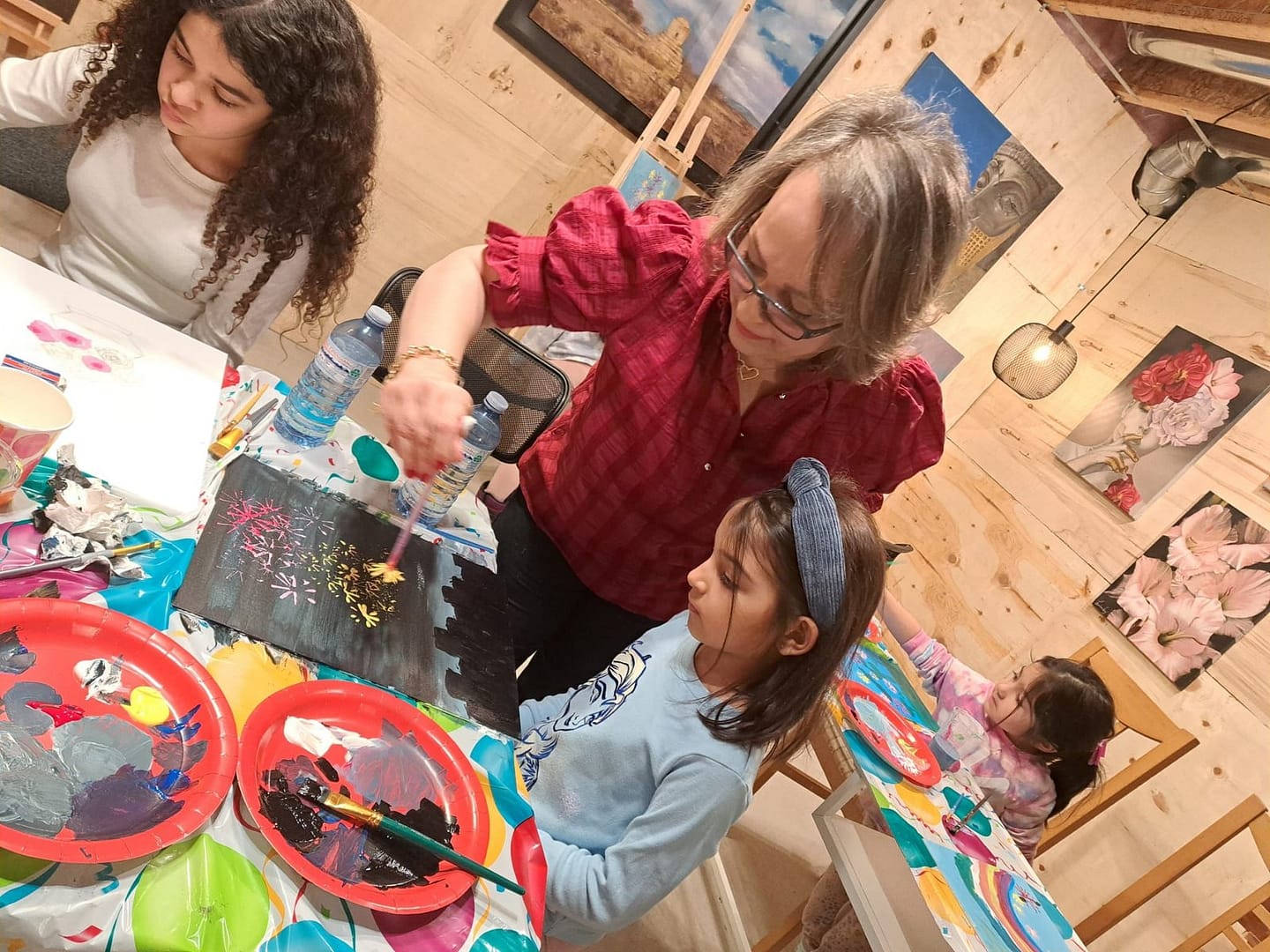
A Painting class designed for beginners offers a welcoming introduction to the world of art. Whether you’re an absolute novice or have dabbled in painting before, these classes provide the perfect foundation to build your skills. In a beginner-focused Painting Class for Beginners, participants are guided through the essentials, such as mastering basic techniques, understanding color theory, and learning to work with various mediums like acrylics or watercolors.
The structure of a Painting class for beginners is both informative and encouraging. Instructors emphasize the importance of experimentation and play, encouraging each student to discover their personal artistic style. With step-by-step guidance, beginners gain the confidence to express their creativity while building a solid technical foundation. Each brushstroke becomes an opportunity to learn, and mistakes are embraced as valuable lessons on the path to improvement.
As adults, many individuals believe they are too late to start painting, but a Painting class for beginners dispels this myth. It provides a supportive environment where learners of all ages can feel comfortable and inspired to explore their artistic potential. Additionally, these classes foster a sense of community, allowing students to share experiences and gain insights from fellow budding artists.
Ultimately, a Painting class for beginners is a journey of both personal and artistic growth. It’s about unlocking the creative potential that resides within, mastering new techniques, and enjoying the process of self-expression. Whether you aim to pursue painting as a hobby or simply wish to try something new, a beginner’s class is the ideal place to start.

A Painting class provides structured lessons, helping beginners build confidence. Learning under an instructor accelerates skill development through guided practice.
Painting promotes relaxation and creativity. Expressing emotions through color enhances mental well-being and fosters self-discovery. The process encourages artistic growth.
A Painting class introduces various techniques, including brush control and color mixing. Understanding basic principles improves artwork quality and enhances composition.
Students engage with peers in a Painting class, sharing ideas and inspiration. Group settings encourage motivation and boost creative confidence.
Art helps develop patience, focus, and problem-solving abilities. Creating artwork strengthens observation skills and enhances attention to detail.
Classes provide structured exercises that simplify complex techniques. Step-by-step guidance ensures steady progress and artistic improvement. Each lesson builds upon foundational skills.
A Painting class cultivates artistic passion through hands-on practice. Beginners explore different styles, discovering their unique creative preferences.
Selecting proper materials enhances the learning experience. A Painting class introduces essential tools, ensuring beginners start with high-quality supplies.
Acrylic paints dry quickly, making them ideal for beginners. Watercolors provide transparency, while oil paints offer rich textures and depth.
Brushes vary in shape, including round, flat, and filbert. Each type creates different textures and strokes, influencing artistic expression.
Canvas, wood panels, and watercolor paper serve as painting surfaces. Different materials affect paint absorption and overall appearance.
A mixing palette ensures accurate color blending. Disposable palettes simplify cleanup, while traditional wooden palettes provide durability and ease of use.
Easels support artwork and improve posture. Adjustable easels accommodate various canvas sizes, enhancing comfort and workflow efficiency.
Additional tools like palette knives and masking tape expand artistic possibilities. Proper material selection improves artistic output and painting experience.
A Painting class introduces color theory, which helps artists create visually balanced and harmonious artwork. Understanding color enhances creative expression.
Primary colors—red, blue, and yellow—cannot be mixed from other colors. These form the foundation of all color combinations.
Secondary colors—green, orange, and purple—result from mixing primary colors. Tertiary colors are created by blending primary and secondary hues.
Complementary colors, located opposite on the color wheel, create contrast and vibrancy. Analogous colors, positioned side by side, produce harmony.
Warm colors evoke energy and excitement. Cool colors create a calming effect. Balancing warm and cool tones enhances artistic composition.
Value refers to color lightness or darkness. Adjusting value creates depth and contrast, improving visual impact.
A Painting class emphasizes practical exercises, helping students apply color theory effectively. Understanding color relationships strengthens artistic decision-making.
A Painting class teaches various brush techniques essential for artistic development. Proper brush control enhances precision and texture.
Dry brushing produces rough, textured strokes. Wet-on-wet blending creates smooth transitions and soft color shifts. Each technique serves different artistic purposes.
Stippling involves dabbing paint with a brush, forming textured patterns. Scumbling layers thin paint to achieve subtle color variations.
Loading a brush with multiple colors creates dynamic gradients. Understanding brush pressure affects stroke intensity and line definition.
Brush maintenance extends longevity. Cleaning bristles thoroughly after each session prevents damage and maintains stroke consistency.
Holding a brush at different angles changes stroke characteristics. Practicing various grips refines control and improves technique.
A Painting class encourages experimentation with brushwork, helping students develop confidence in their strokes. Mastering brush techniques enhances artistic fluency.
A Painting class exposes students to various artistic styles, allowing exploration of different techniques and aesthetics.
Realism focuses on capturing accurate details and lifelike representations. Impressionism emphasizes light and movement, using loose brushstrokes and vibrant colors.
Abstract art prioritizes emotion and form over realism. Expressionism conveys inner feelings through exaggerated shapes and bold colors.
Cubism deconstructs subjects into geometric forms. Surrealism blends dreamlike imagery with reality, creating imaginative compositions.
Minimalism uses simplicity and limited color palettes to create powerful visual impact. Pop art incorporates bold colors and commercial imagery.
Each style offers unique creative opportunities. Experimenting with different techniques helps artists find their personal artistic voice.
A Painting class encourages style exploration, allowing beginners to discover preferences and develop signature approaches.
Composition determines how elements interact within a painting. A Painting class teaches layout principles, ensuring balanced and visually appealing artwork.
The rule of thirds divides a canvas into nine equal parts. Placing focal points along these lines enhances visual interest.
Leading lines guide viewers’ eyes through a composition. Diagonal lines add dynamism, while horizontal lines create stability.
Contrast emphasizes focal points by using opposing colors or values. Repetition establishes rhythm, creating unity across the composition.
Negative space provides breathing room and enhances balance. Proper spacing improves clarity and aesthetic appeal.
Symmetry creates formal balance, while asymmetry offers dynamic movement. Both approaches influence artistic impact.
A Painting class provides exercises to refine composition skills. Understanding layout principles strengthens artistic storytelling.
A Painting class introduces depth techniques, helping students create realistic and immersive artwork.
Linear perspective uses vanishing points to establish spatial depth. Overlapping elements reinforce dimensionality and placement within a scene.
Atmospheric perspective softens distant objects, reducing contrast and saturation. Foreground elements appear sharper, enhancing realism.
Shading adds form and structure. Light direction determines shadow placement, improving three-dimensionality.
Edges vary in sharpness; softer edges create depth, while crisp lines emphasize foreground elements.
Color temperature influences depth perception. Warm colors advance, while cool colors recede, affecting spatial relationships.
A Painting class includes hands-on exercises to refine perspective techniques. Understanding depth enhances realism and visual impact.
A Painting class teaches light behavior and its effect on objects, improving realism and visual storytelling.
Light sources determine highlights, midtones, and shadows. Observing natural light enhances shading accuracy.
Chiaroscuro contrasts light and dark areas, adding drama. Subtle gradients create smooth transitions between illuminated and shadowed regions.
Reflected light influences color perception. Shadows contain secondary hues, enriching composition depth.
Directional lighting defines form and atmosphere. Side lighting enhances texture, while overhead lighting flattens appearance.
A Painting class emphasizes shading techniques, helping artists manipulate light for stronger compositions. Mastering light enhances visual realism.
A Painting class explores color blending techniques, improving color control and vibrancy.
Mixing primary colors creates secondary hues. Adjusting proportions alters saturation and intensity.
Layering builds depth and luminosity. Glazing applies translucent layers, enhancing richness and detail.
Underpainting establishes tonal values before applying final colors. Blocking in large areas refines composition structure.
Mixing complementary colors neutralizes tones, reducing harshness. Harmonizing colors enhances overall balance.
A Painting class includes practical exercises in blending, ensuring smooth transitions. Mastering layering techniques enhances artwork sophistication.
A Painting class encourages individuality, guiding artists toward unique stylistic development.
Exploring various techniques helps refine preferences. Experimentation with brushwork and textures enhances originality.
Analyzing personal influences shapes artistic identity. Studying master artists provides inspiration and insight.
Frequent practice strengthens creative intuition. Revisiting older work highlights artistic growth and evolution.
Self-expression remains essential. A Painting class fosters confidence in artistic choices.
Each artist’s journey remains distinct. Developing a recognizable style distinguishes artwork and builds artistic credibility.