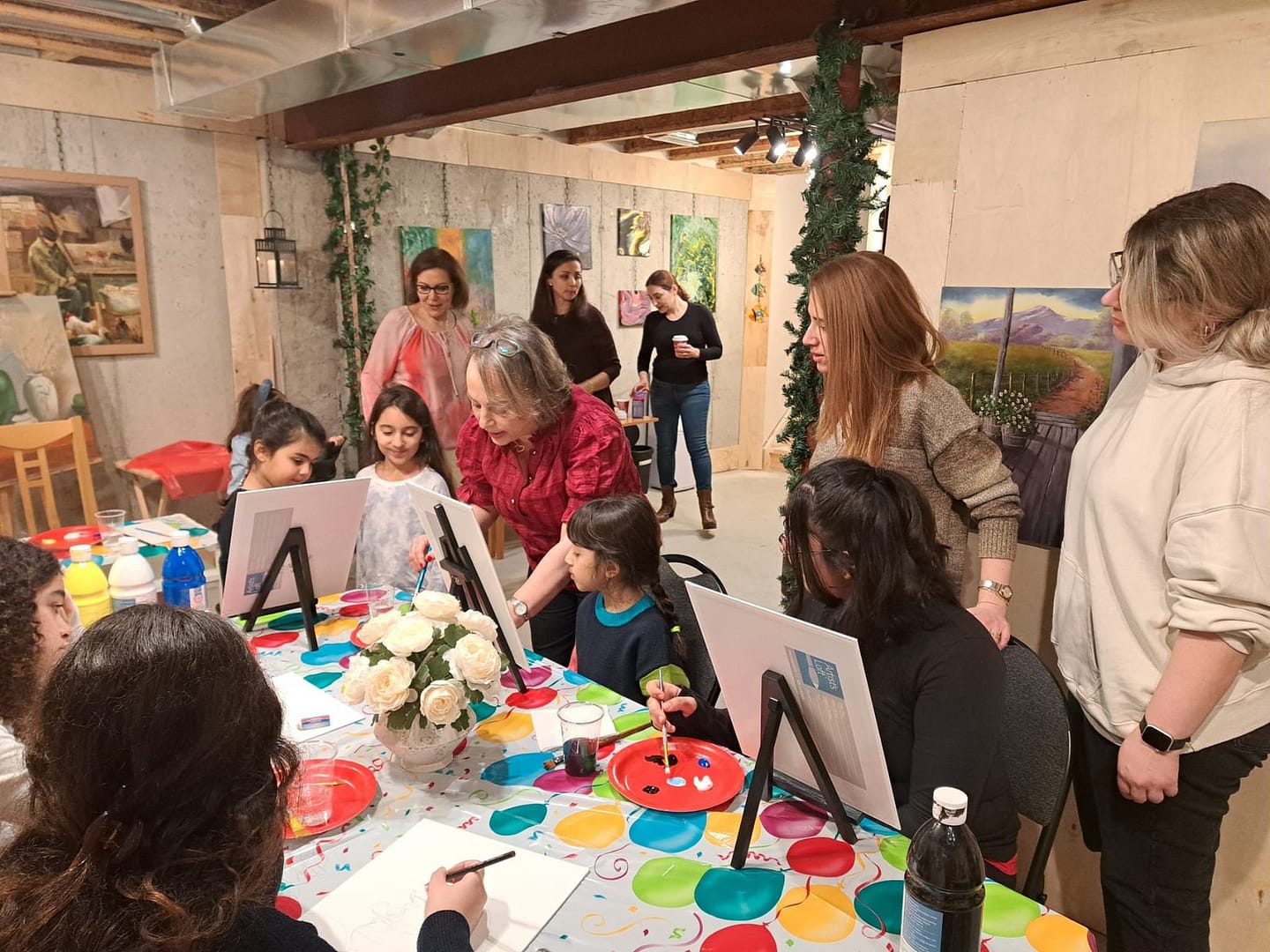
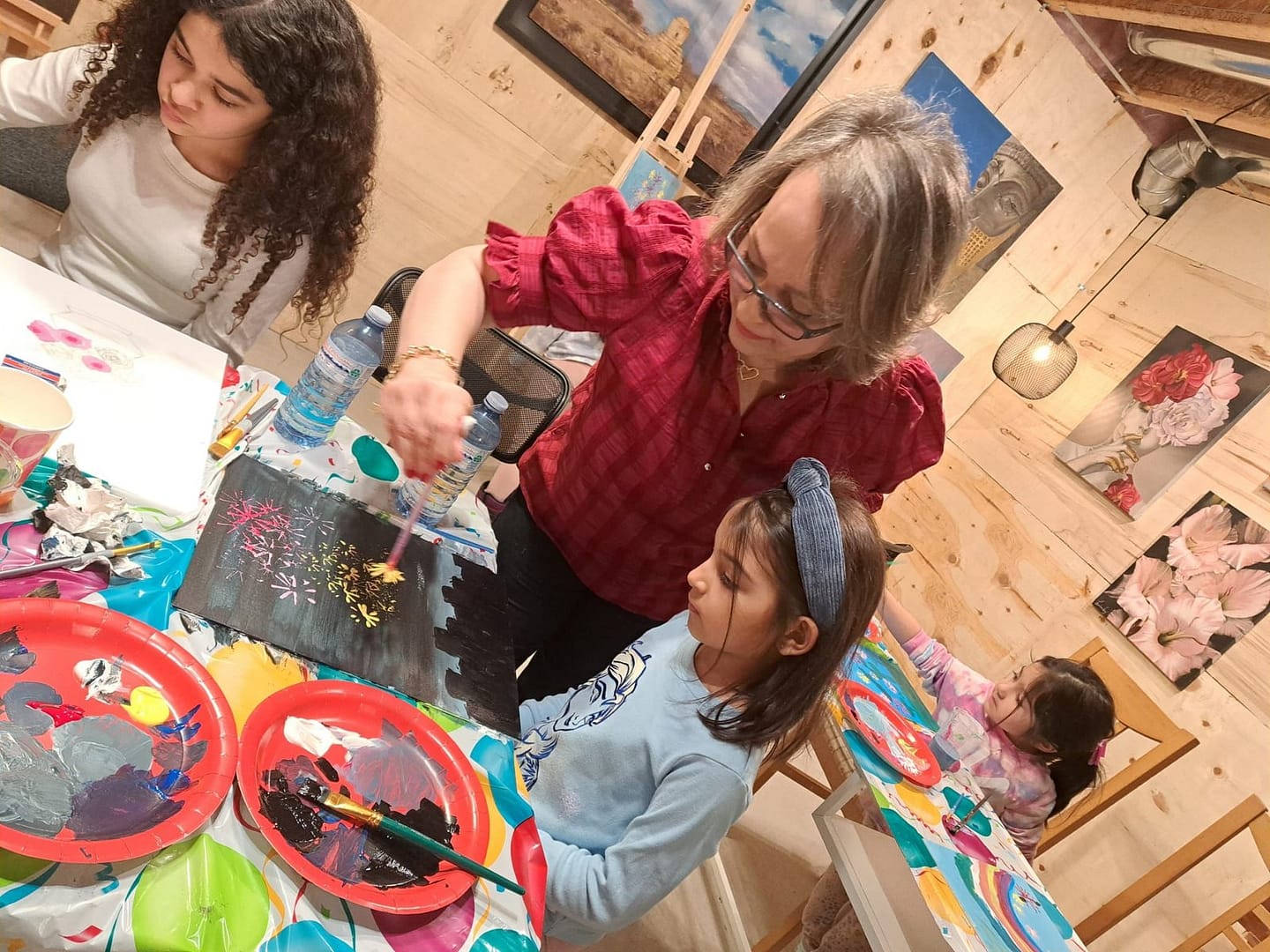
Art classes for kids offer an expansive array of developmental benefits that reach far beyond mere creative expression. Immersing oneself in the arts fosters not only imaginative prowess but also nurtures cognitive dexterity and emotional resilience. In a Painting Class for kids, for instance, children encounter a vibrant world where they are encouraged to explore a myriad of colors, textures, and techniques. This environment cultivates fine motor skills and instills a sense of discipline while simultaneously igniting passion and curiosity.
The journey of artistic discovery also empowers youngsters to communicate in a language that transcends words. The act of painting, drawing, or sculpting serves as a conduit for expressing complex feelings and ideas. Brief moments of inspiration may yield whimsical creations, while longer periods of focused effort lead to meticulously planned works. Such experiences develop perseverance, critical thinking, and problem-solving abilities. Collaborative art projects further enhance social skills by teaching children the importance of teamwork, empathy, and mutual respect. Diverse perspectives often coalesce into innovative outcomes, which enrich the learning environment.
Moreover, art classes contribute significantly to holistic development. They serve as a catalyst for academic growth by bolstering spatial awareness and enhancing visual analysis, skills that are transferable to subjects such as mathematics and science. This fusion of artistic creativity with logical reasoning nurtures balanced intellects. Ultimately, participation in art classes plants the seeds for lifelong learning and self-discovery, transforming transient moments of creation into enduring skills and confidence.
In addition, art classes cultivate mindfulness and encourage the exploration of innovative techniques. Young minds flourish in an environment that rewards experimentation, perseverance, and self-reflection. Each creative endeavor fortifies their ability to adapt, solve problems, and embrace challenges with excellence.
Art classes offer a portal into a realm of boundless creativity, intellectual curiosity, and emotional nuance. In today’s fast‐paced digital epoch, engaging children in artistic pursuits is more than recreational; it is a transformative catalyst that nurtures multifaceted development. At the nexus of aesthetic expression and cognitive exploration, these classes encourage young minds to traverse the spectrum of colors, shapes, and textures, laying the groundwork for profound personal growth. Experiencing an environment that values imagination over rote memorization fosters resilience, self‐discovery, and an enduring appreciation for beauty in its myriad forms.
The integration of artistic activities into a child’s routine cultivates a unique blend of cognitive fortitude and emotional dexterity. It is a domain where each brushstroke conveys stories, where silence intermingles with exuberant exclamations, and where intricate details coalesce into a holistic masterpiece. In settings such as a painting class, children learn to experiment boldly, confront challenges with ingenuity, and discover solace in creative expression. The ambiance of an art studio is both energizing and contemplative, striking a delicate balance between spontaneous experimentation and structured technique.
Encouraging children to partake in art classes serves as a counterbalance to conventional academic rigors, enabling them to articulate internal narratives without the confines of conventional language. The experience not only heightens sensory perception but also primes the intellect for future endeavors. Embracing art at an early age is a deliberate investment in cultivating well‐rounded, imaginative, and resilient individuals poised to meet life’s multifarious challenges.
Artistic instruction stimulates a fertile ground for creativity, inspiring children to explore novel ideas and divergent thought processes. The art classroom is a sanctuary where unbridled imagination meets disciplined technique, allowing students to experiment with an eclectic array of media. Here, creative exploration is not merely an activity—it is a transformative journey that encourages children to see the world through kaleidoscopic lenses. Every color, every line, and every texture becomes a medium for personal expression. In a painting class, the seemingly mundane canvas is reborn into a vibrant tapestry of innovative ideas and unorthodox perspectives.
Encouraging artistic endeavors helps youngsters to transcend the boundaries of conventional thinking. Short bursts of inspiration may yield exuberant splashes of color, while longer, contemplative periods give rise to meticulously composed works. Such varied approaches nurture the ability to think both spontaneously and strategically. The process instills a sense of wonder and reinvigorates the imagination in ways that traditional academic subjects may not.
Moreover, art classes offer a safe haven for trial and error. Mistakes become celebrated stepping stones rather than sources of discouragement. This philosophy emboldens children to experiment without the fear of failure, thus reinforcing resilience. By embracing the unpredictability of artistic creation, students acquire an essential understanding that creativity is not solely a talent but a cultivated skill that blossoms with persistence and curiosity.
Artistic education serves as a crucible for cognitive development, enhancing mental agility and fostering critical analysis. Within the structured chaos of an art studio, children are immersed in an intricate process that demands attention to detail, strategic planning, and creative problem-solving. The brain, when stimulated by artistic tasks, forges new neural connections that reinforce memory, concentration, and spatial reasoning. Activities such as sculpting, drawing, and even a painting class encourage kids to engage with abstract concepts in a tangible manner.
Short bursts of creative expression can coalesce with longer periods of methodical planning, thereby honing both divergent and convergent thinking. The interplay between these mental processes fosters a resilient and agile intellect. Children learn to reconcile the need for both spontaneity and precision—a duality that enriches their academic and personal pursuits. Furthermore, the aesthetic challenges posed by artistic projects stimulate the brain’s frontal lobe, which is essential for decision-making and social behavior.
In the realm of art, the ability to visualize outcomes, analyze composition, and experiment with different techniques converges to create an environment where critical thinking flourishes. The iterative nature of the creative process teaches children the value of perseverance, as they often find that the most compelling artworks are those refined through multiple revisions. Thus, art classes act as incubators for a dynamic and robust intellect, one that is well-equipped to navigate the complexities of both academic subjects and everyday challenges.
Artistic endeavors provide children with a profound avenue for emotional expression and regulation, transforming internal feelings into tangible forms. In the creative process, every stroke and hue represents a fragment of a child’s inner narrative. Art classes become sanctuaries where feelings too complex for words find a voice. This process of externalization not only mitigates emotional turbulence but also cultivates emotional literacy. In the serene setting of a painting class, children learn that art can be both a mirror and a window—reflecting their inner states while offering a glimpse into alternative modes of expression.
Short, impulsive bursts of creativity merge with longer, deliberate phases of contemplation, yielding an environment conducive to emotional catharsis. The iterative practice of refining one’s work parallels the gradual journey toward self-awareness and emotional maturity. As children experiment with color, texture, and form, they gain an understanding of how different elements can evoke or alleviate specific emotions. The act of creation becomes a therapeutic exercise, one that fortifies resilience in the face of adversity.
Furthermore, the collaborative nature of many art projects introduces young learners to the nuances of empathy and social validation. They come to appreciate that art is not only a solitary pursuit but also a shared language that bridges diverse emotional experiences. The guidance of mentors and the encouragement of peers foster a supportive community where vulnerability is met with understanding. In this context, the creative process is an indispensable tool for cultivating self-regulation, emotional intelligence, and ultimately, a balanced sense of self.
Art classes serve as dynamic arenas where individual creativity melds with collective collaboration. Within these vibrant spaces, children are afforded the opportunity to develop essential social skills while pursuing their artistic passions. The communal nature of creative projects fosters an environment in which diverse perspectives are celebrated, and collaborative problem-solving becomes the norm. In a painting class, for example, young artists learn to navigate differing artistic visions while contributing to a shared objective. Short interactions often spark lively discussions, and longer collaborative sessions cultivate deep interpersonal bonds.
Engaging with peers in a creative setting requires active listening, empathy, and a willingness to negotiate differing opinions. The iterative process of working together on an artistic project can transform potential conflicts into opportunities for growth. Children learn that the fusion of disparate ideas often yields results that are more innovative and nuanced than solitary endeavors. This collaborative spirit imbues them with a sense of communal responsibility and a deeper understanding of the value of teamwork.
Moreover, the art room becomes a microcosm of society, where children experiment with roles, leadership, and the dynamics of group creativity. Each participant contributes unique talents and insights, reinforcing the notion that success is often achieved through collective effort rather than individual prowess. The inclusive atmosphere of these sessions encourages a culture of respect and mutual admiration. Through shared artistic challenges and triumphs, students cultivate robust interpersonal rapport, thereby laying a solid foundation for future social and professional interactions in a diverse, interconnected world.
Artistic practice is instrumental in fostering self-assurance and resilience among young learners. Engaging in creative endeavors encourages children to embrace vulnerability while celebrating their unique contributions. Each completed project, regardless of its perceived imperfection, serves as a tangible testament to their evolving skill set. In settings such as a painting class, children experience firsthand the gratification of bringing an abstract vision to life. The blend of short, spontaneous creative outbursts with sustained, thoughtful execution fortifies a child’s belief in their abilities.
The art studio is an arena where failure is redefined as a stepping stone toward mastery. Every mistake becomes an invitation to learn, refine, and experiment anew. This iterative process nurtures a growth mindset that is critical in navigating academic and personal challenges. By confronting obstacles and persisting in the face of uncertainty, children cultivate resilience—a quality that extends well beyond the confines of the art room. Their experiences in art instill an enduring confidence that propels them to approach life’s complexities with optimism and determination.
Additionally, public display and discussion of one’s artwork can further elevate self-esteem. Recognition from peers and mentors reinforces a child’s sense of worth and validates their creative choices. The supportive community within art classes not only encourages individual expression but also instills the courage to take risks and innovate. Ultimately, the journey through creative exploration builds a robust internal framework that empowers children to tackle setbacks and celebrate achievements, thereby forging a resilient and confident outlook on life.
Art classes offer a sophisticated platform for refining fine motor skills and enhancing hand-eye coordination through deliberate practice and innovative techniques. As children engage in artistic activities, the precision required to manipulate brushes, pencils, and other tools demands meticulous control and sustained focus. Within the structured environment of a painting class, every delicate movement contributes to a broader tapestry of coordinated motor actions. Short, dynamic motions intermingle with longer, calculated strokes, allowing young learners to cultivate an impressive array of physical skills.
The act of drawing, cutting, and assembling art projects necessitates a harmonious integration of sensory perception and motor execution. Each gesture, from the nuanced application of pressure on a brush to the rhythmic motion of sketching, is a building block in the development of fine motor dexterity. This meticulous practice translates to enhanced precision in everyday tasks such as writing, buttoning a shirt, or using utensils. The repetitive nature of these artistic exercises reinforces neural pathways that are critical for both academic performance and daily functioning.
Furthermore, the hands-on nature of art encourages children to experiment with varying degrees of force, speed, and control, ultimately resulting in improved coordination. The visual feedback received during the creative process allows for immediate adjustments, fostering an adaptive approach to physical challenges. This experiential learning environment is enriched by peer collaboration and constructive feedback from mentors, further honing these essential motor skills. Consequently, the discipline and focus developed in art classes serve as a catalyst for improved physical coordination, empowering children to approach both artistic and mundane tasks with enhanced dexterity and confidence.
Art classes contribute significantly to academic achievement by nurturing skills that extend well beyond the realm of aesthetics. The interplay between creativity and critical thinking is a hallmark of the artistic process, and this synthesis often translates into enhanced performance in traditional academic subjects. In environments such as a painting class, children learn to observe intricacies, analyze complex compositions, and approach problems with a multifaceted perspective. Short, vivid bursts of creativity converge with longer analytical processes, enabling a deeper engagement with both art and academics.
The integration of artistic principles with academic learning reinforces conceptual understanding through visualization and hands-on experimentation. For instance, exploring geometric patterns in art can elucidate abstract mathematical concepts, while color theory can foster an intuitive grasp of scientific phenomena. This cross-disciplinary approach encourages children to apply creative problem-solving techniques to academic challenges, fostering a more holistic understanding of the material. The emphasis on detailed observation and iterative refinement in art nurtures patience and perseverance—qualities that are equally valuable in academic pursuits.
Moreover, the process of critiquing one’s own work and that of peers cultivates a reflective mindset that is indispensable for scholarly inquiry. Children learn to assess their progress, identify areas for improvement, and articulate constructive feedback. This self-regulatory mechanism translates into improved study habits and academic discipline. The collaborative nature of art projects further enriches this experience by promoting teamwork and communication skills, which are essential for success in educational settings. Ultimately, art classes serve as a vital bridge between creative exploration and academic excellence, empowering children to excel in multiple dimensions of learning.
The inherent challenges of artistic creation serve as a fertile ground for cultivating ingenuity and refined problem-solving skills. Each project undertaken in an art class demands a unique synthesis of vision, technique, and perseverance. In environments such as a painting class, children are confronted with complex decisions—selecting the appropriate medium, determining the optimal composition, and adapting to unforeseen obstacles. These challenges prompt them to think critically and innovate continually. Short bursts of creative insight are interwoven with extended periods of deliberative planning, forging an environment where innovation thrives.
Artistic challenges compel children to adopt an experimental mindset. When a particular technique fails to yield the desired effect, the instinct to modify and adapt is immediately activated. This iterative process of trial, error, and revision reinforces the notion that creativity is an evolving discipline. Children come to understand that every setback is merely a precursor to a breakthrough. The necessity of reconciling conceptual vision with practical execution demands an agile intellect capable of rapid problem-solving. As a result, children develop a robust repertoire of cognitive strategies that extend far beyond the art studio.
Moreover, the unpredictability inherent in creative endeavors instills a sense of curiosity and adventure. The willingness to experiment with unconventional ideas encourages the exploration of diverse solutions to complex problems. This dynamic interplay between structured planning and spontaneous creativity fosters a mindset that is both adaptable and innovative. In the process, art classes equip young learners with the tools needed to navigate a world where problem-solving is essential for success. Embracing artistic challenges, therefore, is not merely about creating beautiful works—it is about cultivating a resilient, inventive spirit poised to tackle life’s myriad obstacles.
In the midst of an ever-accelerating world, art classes provide a vital sanctuary for mindfulness and stress relief. The creative process—whether executed in a painting class or through other expressive mediums—offers children a reprieve from the rigors of daily academic and social pressures. Immersed in an environment that values introspection and expressive freedom, young artists learn to channel their anxieties into productive creativity. Short, meditative moments interlace with prolonged sessions of concentrated effort, resulting in a state of flow that promotes emotional balance and mental clarity.
The rhythmic act of creating art has been shown to reduce physiological stress markers by fostering relaxation and diminishing the impact of external stressors. Children, in turn, develop the capacity to pause, reflect, and recalibrate their emotional states. This mindful engagement is akin to a meditative practice, where each brushstroke or pencil mark becomes a deliberate exercise in focus and inner calm. The process allows them to access a reservoir of tranquility, transforming potential stress into an opportunity for creative exploration.
Furthermore, the reflective nature of art encourages self-awareness and introspection. Young artists become attuned to their emotional landscapes, learning to recognize and articulate feelings that might otherwise remain unexpressed. The act of documenting one’s internal journey through art is not only cathartic but also instrumental in building long-term resilience. In this nurturing environment, children acquire invaluable tools for self-care and stress management—techniques that will serve them well throughout their lives. Embracing art as a form of mindful relaxation, therefore, is an investment in both immediate well-being and enduring emotional fortitude.
Art classes are not solely about individual expression—they also serve as conduits for fostering cultural understanding and global awareness. Through the exploration of diverse artistic traditions and historical movements, children develop an appreciation for the rich tapestry of human creativity. In settings such as a painting class, learners are introduced to techniques, motifs, and narratives that transcend geographical boundaries and historical eras. This exposure cultivates an expansive worldview, encouraging them to explore unfamiliar cultures and ideologies with curiosity and respect.
The process of engaging with culturally diverse art forms requires children to step outside their familiar paradigms and consider alternative perspectives. Short, evocative depictions in art often encapsulate centuries of tradition, while longer, more intricate works reveal the depth of cultural symbolism and collective memory. By examining these artifacts of human expression, young minds are gently guided towards a broader understanding of the interconnectedness of society. This journey not only broadens their aesthetic sensibilities but also fosters empathy, tolerance, and a sense of global citizenship.
Moreover, collaborative projects that incorporate multicultural themes provide children with opportunities to engage in dialogue about identity, tradition, and social justice. Such discussions nurture an environment where differences are celebrated, and commonalities are recognized. The resulting cultural acumen enhances not only artistic creativity but also critical thinking and social awareness. By intertwining creative expression with the exploration of diverse cultural narratives, art classes equip young learners with the insight and sensitivity necessary to navigate an increasingly interconnected world. In this way, artistic education becomes a powerful vehicle for instilling lifelong values of respect, inclusivity, and global understanding.
The culmination of artistic exploration during childhood lays the cornerstone for a lifetime of creative inquiry and self-expression. As children progress through various art classes, they gather a treasure trove of skills, insights, and experiences that transcend the immediate act of creation. The lessons learned—from the technical finesse of a painting class to the emotional and intellectual challenges of collaborative projects—equip young learners with a versatile toolkit for navigating the complexities of the modern world. In this final reflection, art is celebrated not merely as an extracurricular activity, but as a profound medium for lifelong personal growth and societal contribution.
Throughout their formative years, children develop an enduring relationship with art that continuously evolves and adapts. Short, spontaneous creative bursts harmonize with long, contemplative sessions of reflection and refinement. This dynamic interplay fosters a resilient spirit, one that remains receptive to innovation and impervious to the vicissitudes of life. The journey through art is marked by continuous reinvention and self-discovery—a process that inspires both humility and confidence.
Moreover, the principles cultivated in the art room—curiosity, perseverance, empathy, and critical thinking—become intrinsic elements of a well-rounded character. These skills serve as vital instruments in both personal and professional realms, enabling individuals to approach challenges with a balanced perspective and an open mind. Ultimately, the embrace of art during childhood is an investment in a future defined by creativity, adaptability, and compassion. As young artists transition into adulthood, they carry with them the indelible imprint of their early creative endeavors—a legacy that will continue to illuminate and enrich their lives for years to come.