
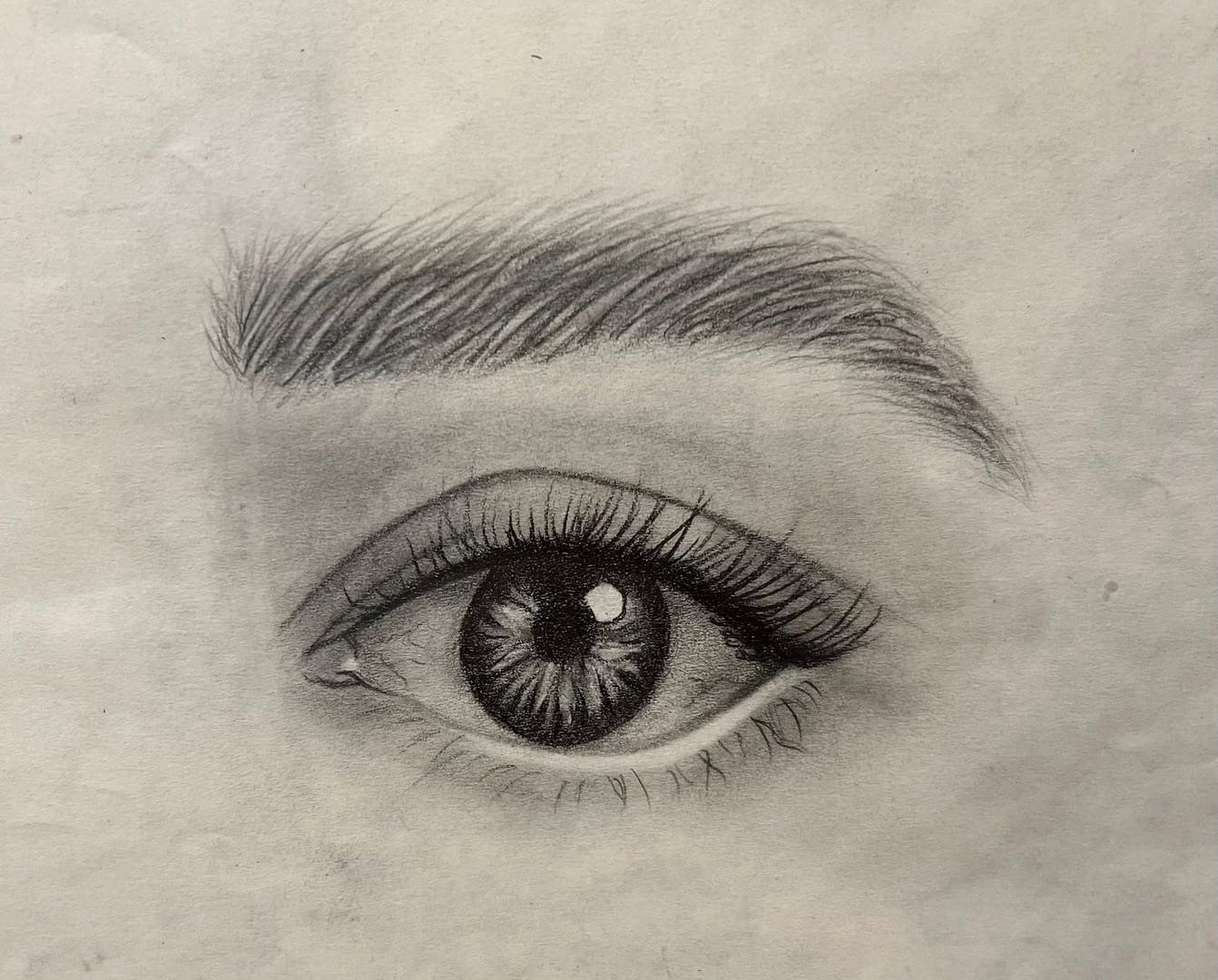
Enhance your homeschooling curriculum and ignite your child’s creativity with Painting Classes specially tailored for homeschoolers at Fania Art Gallery. Our gallery offers a unique and enriching environment where homeschool students can explore the world of art while receiving expert guidance from experienced instructors.
Designed to complement home-based learning, painting class for homeschoolers at Fania Art Gallery provide a comprehensive art education that goes beyond the basics. Students have the opportunity to delve into various painting techniques, experiment with different mediums, and develop their own artistic style under the guidance of our skilled educators.
Our homeschool painting class foster a collaborative and supportive atmosphere where students can express themselves freely and engage in meaningful artistic exploration. From still life to abstract expressionism, our diverse curriculum caters to the interests and abilities of each individual student, ensuring a personalized learning experience that nurtures their creative potential.
Join us at Fania Art Gallery and enrich your homeschooling journey with immersive painting class that inspire creativity, foster self-expression, and cultivate a lifelong love for art. Let your child’s imagination soar as they embark on a colorful adventure in our welcoming and inclusive studio environment.
Homeschooling is a flexible and personalized approach to education that allows children to learn at their own pace, according to their needs and interests. While the traditional curriculum often emphasizes subjects like math, science, language arts, and history, an essential area that frequently gets overlooked is the arts. Art education, particularly through painting classes, offers an invaluable opportunity for children to explore creativity, develop critical thinking, and express themselves in ways that go beyond the conventional classroom.
Painting classes for homeschoolers can significantly enrich the educational experience. These classes not only enhance artistic skills but also nurture emotional intelligence, fine motor skills, and problem-solving abilities. The process of painting is more than just applying paint to a canvas; it is an exploration of colors, shapes, textures, and emotions. When homeschoolers engage in painting classes, they embark on a journey of self-expression and discovery that opens new doors to learning.
In this comprehensive guide, we will explore the importance of art education, delve into the various types of painting classes available, discuss how to choose the right class for your child, and provide tips on integrating painting into your homeschool curriculum. By the end, you’ll understand how painting classes can be an essential part of a well-rounded education and how they can help homeschoolers unlock their creative potential.
One of the most significant benefits of painting classes is their impact on cognitive development. When children engage in painting, they exercise various cognitive functions, including memory, perception, attention, and problem-solving. For homeschoolers, these benefits are even more pronounced, as they have the freedom to explore their creativity in an environment that prioritizes individual learning.
The act of painting itself involves a range of cognitive processes. For example, children must make decisions about color selection, composition, and the application of various techniques. These decisions require them to think critically and develop a deeper understanding of spatial relationships and proportions. Additionally, the physical act of holding a paintbrush, controlling the flow of paint, and manipulating the canvas helps improve fine motor coordination and hand-eye coordination.
Research has shown that engaging in artistic activities like painting can enhance a child’s ability to focus and concentrate, which can improve performance in other academic areas. For homeschoolers, this means that painting classes can indirectly boost learning in subjects such as math and science by fostering better concentration and critical thinking skills.
Painting is an inherently therapeutic activity, allowing individuals to express emotions and thoughts that may be difficult to articulate through words. For homeschoolers, especially those who may not have the same social experiences as children in traditional schools, painting classes provide a safe space for self-expression and emotional exploration.
Children can use painting to process emotions such as joy, sadness, frustration, or excitement. As they learn to translate their feelings onto the canvas, they develop emotional intelligence and self-awareness. Additionally, art provides a sense of accomplishment. Completing a painting can boost a child’s self-esteem and confidence, especially when they receive positive feedback from their teacher or peers.
For homeschooling parents, this emotional outlet is particularly important as it can help children deal with stress, anxiety, or social challenges. Painting gives them a constructive way to manage their emotions while also building resilience and emotional regulation.
At its core, painting is a creative process that encourages innovative thinking and problem-solving. When children work on a painting, they are constantly making decisions about how to approach their subject, what materials to use, and how to solve any challenges that arise. Whether it’s figuring out how to mix colors to create the right shade or deciding on the composition of a piece, painting classes teach children to think critically and make choices based on experimentation and observation.
In addition, painting classes encourage children to take risks and embrace mistakes as part of the learning process. Often, the best artistic breakthroughs happen when students step outside their comfort zones and try something new. This mindset of experimentation can be valuable not just in art but also in other areas of life, teaching homeschoolers to approach challenges with a growth mindset.
One of the unique advantages of painting classes is that they often provide homeschoolers with a platform for socialization and peer interaction. While homeschooling offers many benefits in terms of personalized learning, it can sometimes result in limited social opportunities. Painting classes, especially group or online sessions, create a space where homeschoolers can meet peers who share similar interests.
Through these interactions, children can practice collaboration, communication, and teamwork. Group projects or art critiques offer opportunities for homeschoolers to share their work, offer feedback, and learn from others. These social skills are vital for personal growth and help homeschoolers build friendships that may extend beyond the art classroom.
In addition, participating in painting classes alongside other students can help homeschoolers feel part of a community, reducing any potential feelings of isolation that can sometimes accompany homeschooling.
The most common painting classes for homeschoolers involve traditional techniques such as watercolor, acrylic, and oil painting. Each of these mediums offers unique opportunities for artistic expression and skill development.
Watercolor Painting: Watercolors are often the first medium introduced to young artists due to their fluidity and versatility. In watercolor painting classes, students learn techniques such as wet-on-wet, dry brushing, and color blending. Watercolors are perfect for beginners because they are relatively easy to manipulate, and mistakes can often be incorporated into the design. These classes are ideal for homeschoolers who are just starting to explore art and need a forgiving medium.
Acrylic Painting: Acrylics are known for their fast-drying properties and vibrant color intensity. Painting classes in acrylics teach students how to work with layers, textures, and bold color choices. Acrylic paints can be used on a variety of surfaces, including canvas, wood, and paper, which allows for a wide range of artistic exploration. Acrylics are a good choice for homeschoolers who are looking to experiment with different techniques and create more textured, dynamic artwork.
Oil Painting: Oil painting is considered one of the most traditional and sophisticated forms of painting. Painting classes in oils are often more advanced and require students to learn the nuances of mixing pigments, applying glazes, and working with thick layers of paint. For older or more advanced homeschoolers, oil painting classes provide a deeper dive into the technical aspects of art and offer an opportunity to develop a distinctive, polished style.
With the rise of technology, digital art has become a popular medium for homeschoolers. Digital painting classes teach students how to use software programs like Adobe Photoshop, Corel Painter, or Procreate to create artwork on tablets or computers. Digital art allows for endless possibilities in terms of colors, textures, and effects, offering homeschoolers a new way to engage with the creative process.
For homeschoolers interested in painting classes that are more tech-oriented, digital art can be a great choice. These classes teach skills that are in high demand in today’s digital economy, such as graphic design, digital illustration, and 3D modeling. Additionally, digital painting offers instant feedback and allows for easy revisions, making it an appealing option for students who enjoy working in a fast-paced, flexible environment.
Project-based painting classes focus on completing a specific theme or assignment over a set period. These classes encourage students to develop a body of work around a particular subject, whether it’s creating a series of landscape paintings or studying the works of a famous artist. The structured nature of project-based classes provides homeschoolers with a clear goal and a sense of accomplishment as they work through each stage of the project.
For homeschoolers, project-based painting classes can be integrated with other subjects. For example, a student studying history might create artwork inspired by historical events or figures. Similarly, a homeschooler learning about nature could produce botanical illustrations or animal portraits. These types of painting classes allow students to connect their artistic endeavors with their broader academic interests, fostering an interdisciplinary approach to learning.
Private painting classes offer a more individualized approach to art instruction. In these one-on-one lessons, the teacher can tailor the curriculum to the specific needs and interests of the student. Private lessons are particularly beneficial for homeschoolers who want to develop a personalized artistic style or focus on a particular technique or medium.
Private painting classes also provide a more flexible learning schedule, allowing homeschoolers to take lessons during the day when they are most alert and focused. Additionally, these classes offer more immediate feedback from the instructor, helping students refine their skills more quickly.
Selecting the right painting classes for your child can be a challenging task, given the variety of options available. The key is to align the class with your child’s interests, age, skill level, and learning style. Here are some factors to consider when choosing the perfect painting classes for your homeschooler:
Consider your child’s current skill level when selecting painting classes. If your child is a beginner, look for classes that focus on basic techniques and offer ample guidance. For more advanced students, you may want to choose classes that challenge
them to refine their skills and explore more complex concepts, such as color theory, shading, and advanced brushwork. Some classes are designed specifically for beginners, while others are more suited for intermediate or advanced students.
Each child has a unique learning style, and it’s important to find a painting class that aligns with how your homeschooler learns best. Some children may thrive in a structured environment with clear instructions and a step-by-step approach, while others may prefer a more flexible and experimental setting where they can explore their creativity freely. If your homeschooler enjoys a hands-on approach, look for classes that emphasize physical engagement with the materials and provide plenty of opportunities for exploration.
Different painting classes focus on various techniques and mediums. For instance, a watercolor class will teach different methods from an oil painting class. If your homeschooler is interested in a particular medium, it’s best to find classes that specialize in that medium. If your child is unsure about what they want to focus on, consider offering a variety of mediums to explore so they can discover their preferences.
With the rise of online learning, many painting classes are now available remotely, allowing homeschoolers to learn from the comfort of their homes. Online classes can be ideal for families who do not have access to in-person classes or prefer the flexibility of self-paced learning. However, some students may benefit from the social interaction and hands-on guidance offered in an in-person setting. If possible, try both formats and observe which works best for your homeschooler.
When choosing painting classes, it’s essential to research the instructor’s background and teaching style. A good art teacher will not only have a strong grasp of art techniques but will also be able to inspire and motivate students. Look for instructors who are patient, encouraging, and able to offer constructive feedback. The ability to nurture creativity while teaching technical skills is key to helping a homeschooler grow as an artist.
Integrating painting classes into your homeschool curriculum can be both a fun and educational experience for your child. The flexibility of homeschooling allows you to seamlessly incorporate art into various subjects, enhancing the learning process. Here are some ways to make painting a regular part of your homeschool routine:
Many homeschooling families choose to designate a specific day or time each week for art lessons. Setting aside dedicated time for painting classes helps ensure that your child has an opportunity to focus on their creative development. Whether it’s once a week for a few hours or a short daily practice session, consistency is important for artistic growth.
One of the benefits of homeschooling is the ability to create interdisciplinary lessons. You can integrate painting classes with subjects like history, science, and literature. For example, if your child is learning about the Renaissance, you might study the works of famous painters like Leonardo da Vinci or Michelangelo and have your homeschooler replicate some of their techniques. If your child is studying animals, encourage them to create detailed illustrations of different species. This approach makes the learning experience more engaging and helps children connect art with the broader context of their studies.
As your homeschooler gains more confidence in their painting skills, encourage them to work on independent artistic projects. These projects can be based on their interests, whether it’s a series of paintings or creating a visual representation of a story they’ve written. Independent projects allow children to take ownership of their art and practice the skills they’ve learned in painting classes while fostering critical thinking and problem-solving abilities.
Displaying your homeschooler’s artwork is a great way to motivate them and celebrate their artistic achievements. Whether it’s in the form of an at-home gallery, a family art show, or posting their creations on a digital platform, displaying their work helps them feel proud of their progress and reinforces the value of their artistic endeavors. You can also encourage your child to create a portfolio of their work, which can be useful for showcasing their skills later in life if they pursue art in higher education or as a career.
Painting classes for homeschoolers offer much more than just an opportunity to learn how to paint—they provide a means of unlocking creativity, fostering emotional expression, and developing valuable life skills. From enhancing cognitive abilities to providing an emotional outlet, painting is a powerful tool that can be integrated into a homeschool curriculum to enrich the overall educational experience.
By choosing the right painting classes, whether traditional or digital, project-based or private, homeschoolers can explore their artistic potential in a structured yet flexible way. As homeschooling families discover the joy of painting, they can foster not only artistic talent but also critical thinking, emotional intelligence, and a lifelong appreciation for the arts.
Ultimately, painting classes empower homeschoolers to engage with the world in a deeper and more meaningful way, offering them a creative outlet that complements their academic journey. Whether they are creating a masterpiece with oils or experimenting with watercolors, the skills learned in painting classes will stay with them throughout their lives, providing them with a powerful form of self-expression and a deeper connection to the world around them.