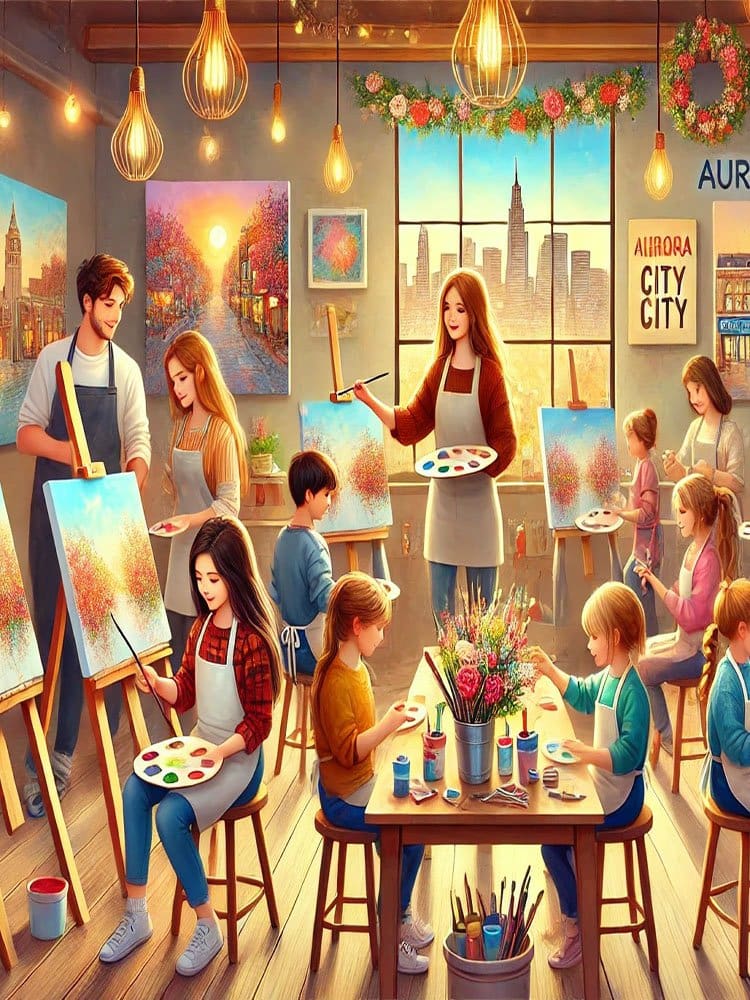
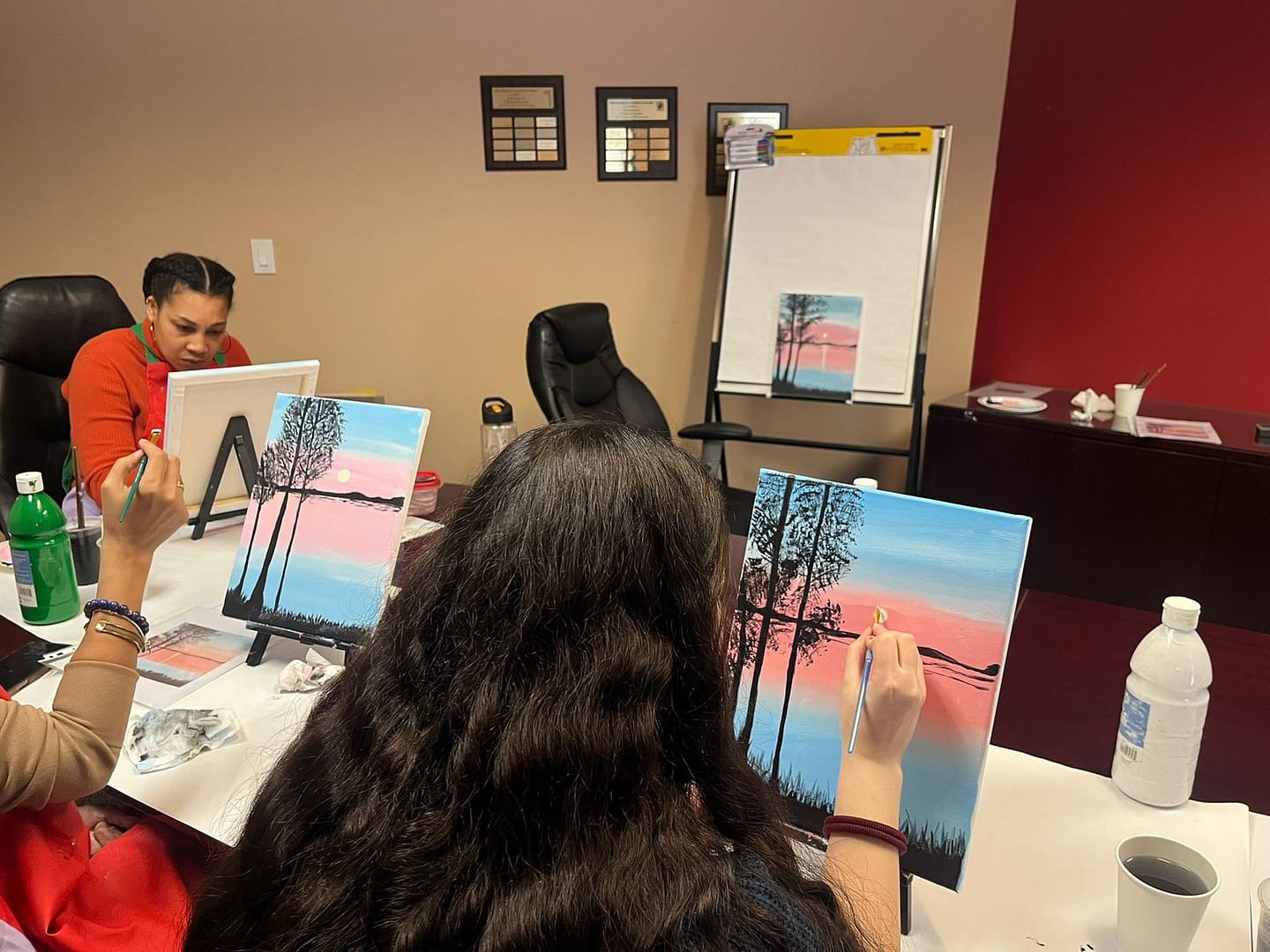
The fusion of traditional artistry with digital tools has revolutionized the creative landscape. A Painting Class utilizing computers offers an innovative approach, blending classical techniques with cutting-edge technology. Digital brushes, pressure-sensitive tablets, and advanced software provide an expansive canvas where imagination knows no bounds.
Unlike conventional mediums, digital painting eliminates the limitations of physical materials. Artists can experiment with layers, textures, and lighting without the fear of making irreversible mistakes. A Painting Class leveraging these tools enables students to explore color theory, composition, and brush dynamics in a way that traditional methods cannot replicate.
Moreover, the accessibility of digital platforms democratizes art education. Whether aspiring artists or seasoned professionals, individuals can refine their craft using powerful software like Adobe Photoshop, Corel Painter, or Procreate. Instructors guide participants through intricate techniques, helping them master shading, blending, and even hyper-realistic detailing.
A Painting Class with computers also fosters creativity through AI-assisted tools, allowing artists to generate unique concepts, automate repetitive tasks, and push the boundaries of their style. The integration of virtual reality further enhances immersion, enabling artists to step inside their creations and interact with their work on a deeper level.

The fusion of traditional artistry with digital tools has revolutionized the creative landscape. A Painting Class utilizing computers offers an innovative approach, blending classical techniques with cutting-edge technology. Digital brushes, pressure-sensitive tablets, and advanced software provide an expansive canvas where imagination knows no bounds.
Unlike conventional mediums, digital painting eliminates the limitations of physical materials. Artists can experiment with layers, textures, and lighting without the fear of making irreversible mistakes. A Painting Class leveraging these tools enables students to explore color theory, composition, and brush dynamics in a way that traditional methods cannot replicate.
Moreover, the accessibility of digital platforms democratizes art education. Whether aspiring artists or seasoned professionals, individuals can refine their craft using powerful software like Adobe Photoshop, Corel Painter, or Procreate. Instructors guide participants through intricate techniques, helping them master shading, blending, and even hyper-realistic detailing.
A Painting Class with computers also fosters creativity through AI-assisted tools, allowing artists to generate unique concepts, automate repetitive tasks, and push the boundaries of their style. The integration of virtual reality further enhances immersion, enabling artists to step inside their creations and interact with their work on a deeper level.
With technology constantly evolving, the digital painting realm continues to expand, offering limitless possibilities for expression. A Painting Class structured around computers is not just a lesson in technique—it is an invitation to explore an ever-expanding artistic frontier.
Art has undergone a profound transformation. The rise of digital tools has redefined the concept of a painting class, replacing traditional brushes and canvases with styluses and screens. This shift offers artists unparalleled creative freedom, eliminating the constraints of physical materials.
In a modern painting class, students can experiment without fear of wasting expensive supplies. A single tablet holds an infinite number of colors, brushes, and textures, allowing artists to refine their work with precision. The undo button alone revolutionizes the learning process, offering a safety net that traditional mediums lack.
Furthermore, digital painting bridges the gap between fine art and technology. Artists now integrate animation, 3D modeling, and interactive elements into their work, expanding creative possibilities beyond static images. Tools like Photoshop, Corel Painter, and Procreate provide features that mimic real-world painting techniques while introducing new capabilities exclusive to digital formats.
As digital art gains recognition in galleries and professional industries, painting classes emphasize skill development across various platforms. Artists learn not only how to replicate traditional methods but also how to leverage digital advancements to craft innovative masterpieces. This evolution makes digital painting more than just an alternative; it’s a thriving artistic discipline redefining the way we create and experience art.
A successful painting class begins with the right tools. Unlike traditional painting, which requires brushes, canvases, and pigments, digital painting relies on specialized hardware and software that replicate the tactile experience of painting while expanding its creative possibilities.
The first essential tool is a drawing tablet. Devices like the Wacom Cintiq, iPad Pro, and Huion Kamvas provide artists with pressure-sensitive surfaces, allowing for precise control over brush strokes. Some advanced models even offer textured screens to mimic the feel of real paper. These tablets are paired with styluses that recognize tilt, pressure, and rotation, enabling artists to create expressive lines and intricate details.
Software plays an equally critical role. Programs such as Adobe Photoshop, Corel Painter, and Procreate offer extensive brush libraries, layering options, and blending tools. These features replicate traditional mediums like oil, watercolor, and charcoal while introducing digital-exclusive enhancements like infinite undo, customizable brushes, and non-destructive editing.
Another crucial aspect of a painting class is color management. High-resolution monitors with accurate color calibration ensure that artwork appears consistent across different devices and print mediums. Artists also utilize color wheels, blending modes, and gradient tools to achieve stunning visual effects with minimal effort.
By integrating cutting-edge technology with artistic techniques, digital painting classes empower artists to push creative boundaries while maintaining the fundamental principles of traditional painting. With the right tools, the digital canvas becomes limitless.
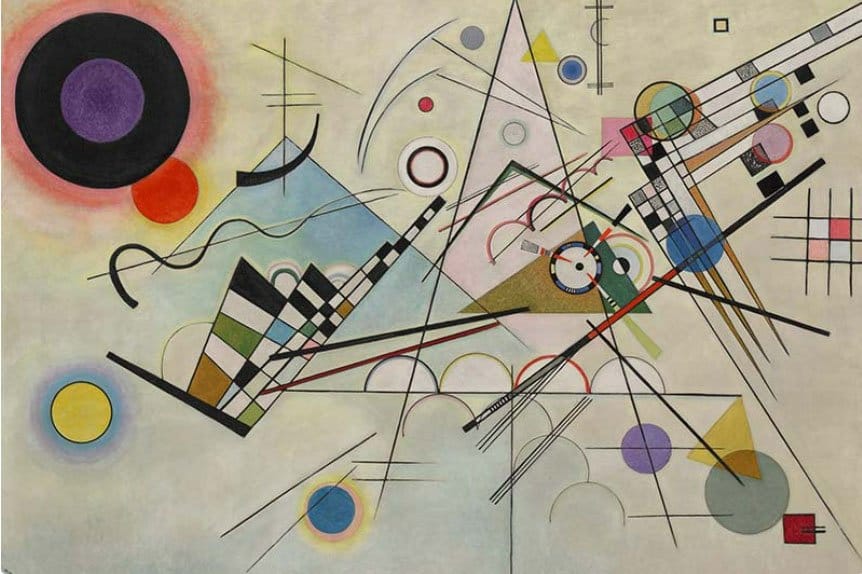
Brushwork is the essence of painting, defining an artist’s style and technique. In a painting class, students learn how to harness digital brushes to achieve the same expressive depth and fluidity as traditional media, but with greater precision and flexibility.
Digital painting software offers an extensive range of brushes that simulate real-world textures, from soft watercolor to thick impasto. These brushes are customizable, allowing artists to adjust size, opacity, flow, and pressure sensitivity. Unlike traditional brushes that wear out over time, digital brushes remain consistent, eliminating the need for constant replacement.
One of the key advantages of digital painting is the ability to create custom brushes. Many artists design personalized brushes that emulate their unique stroke patterns, enhancing their signature style. Some brushes even incorporate dynamic settings that react to stylus pressure and speed, producing natural-looking strokes that would be difficult to replicate with a physical brush.
A painting class also teaches students about brush economy—knowing when to use broad, loose strokes versus fine, controlled lines. Digital tools allow for layering techniques where base textures can be painted first, followed by refined details. This method mirrors the traditional approach of underpainting but with the added benefit of real-time adjustments.
By mastering digital brushwork, artists gain the ability to create stunning, lifelike compositions while enjoying the advantages of digital innovation.
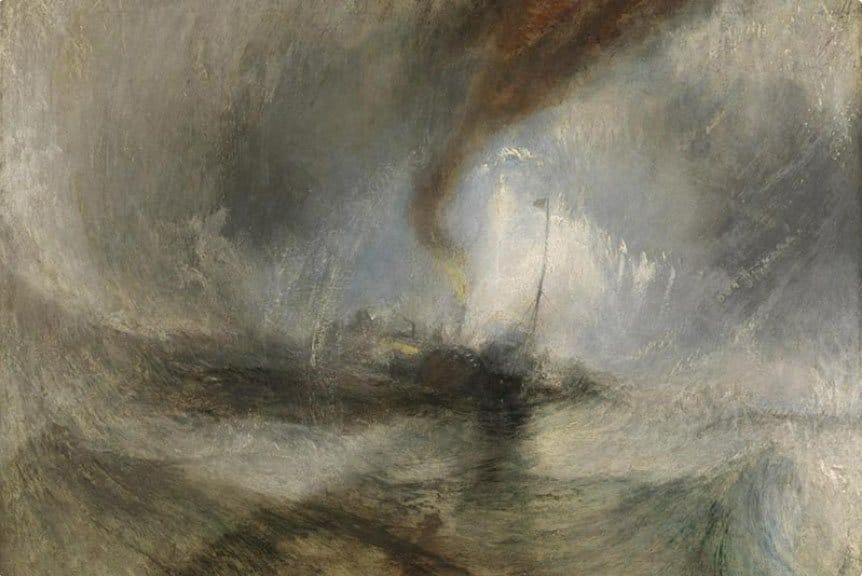
Layering is one of the most powerful techniques in digital painting, providing a level of control and flexibility that traditional methods cannot match. In a painting class, students learn how to strategically use layers to build depth, manage composition, and make non-destructive edits.
Unlike traditional painting, where every stroke is permanent, digital layers allow artists to separate different elements of their artwork. Backgrounds, midgrounds, and foregrounds can be adjusted independently, making refinements simple. Artists can also experiment with different textures and effects without altering the core composition, which encourages creative risk-taking.
Layer modes play a crucial role in digital painting. Blending options such as Multiply, Overlay, and Soft Light enable artists to create realistic shading, highlights, and atmospheric effects. These modes mimic how light interacts with physical paint, allowing for complex color relationships that would be challenging to achieve through traditional blending techniques.
Additionally, layers can be locked, grouped, and masked for more efficient workflow. A common approach in a painting class is to use adjustment layers for color correction, lighting effects, and contrast enhancement without affecting the original artwork. This non-destructive editing method ensures that artists can iterate on their work without compromising previous efforts.
Understanding layering is fundamental for digital artists, as it enhances both creative expression and technical efficiency. With proper layer management, an artist’s workflow becomes seamless, leading to more polished and professional results.
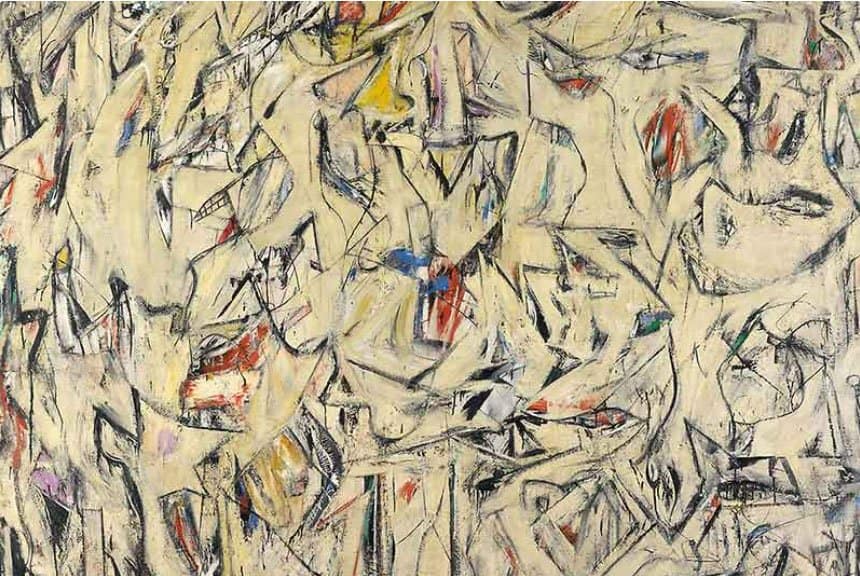
Color breathes life into a painting, conveying emotion, depth, and realism. A painting class focusing on digital techniques teaches artists how to master color theory using advanced tools that allow for precise color manipulation and experimentation.
Unlike traditional painting, where colors are mixed physically, digital painting offers unlimited possibilities with hue, saturation, and brightness adjustments. The color wheel is a fundamental tool, helping artists understand relationships between complementary, analogous, and triadic color schemes. Software like Adobe Photoshop and Corel Painter includes built-in color harmonization tools, ensuring cohesive palettes.
One of the most useful features in digital painting is blending modes. Overlay, Multiply, and Screen modes allow artists to create complex lighting effects and color transitions without manually mixing pigments. This enhances realism and depth, especially in portrait painting, where subtle skin tone variations are essential.
A painting class also covers light and shadow interaction, teaching students how to use cool and warm colors to create the illusion of depth. Digital tools such as gradient maps and global lighting effects help maintain consistent illumination across a composition.
Additionally, color psychology plays a significant role in artwork, influencing how viewers perceive and connect with a piece. Digital artists use this knowledge to evoke specific moods, whether it’s the warmth of a sunset scene or the cool tension of a cyberpunk cityscape. By mastering digital color theory, artists gain a powerful toolset for crafting visually compelling and emotionally resonant artwork.
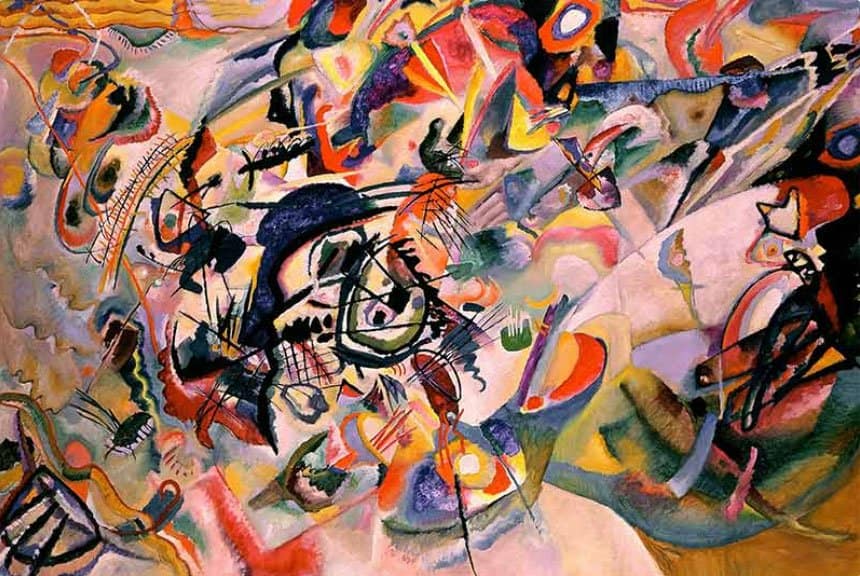
Texture adds a tactile quality to paintings, making them visually engaging and lifelike. In a painting class that incorporates digital tools, artists learn how to create and manipulate textures using specialized brushes, overlays, and digital techniques.
Traditional painters achieve texture through brush techniques, impasto, or mixed media. Digital artists, however, have an expansive toolkit at their disposal. Programs like Procreate and Photoshop offer textured brushes that simulate everything from rough canvas to fine silk. Custom texture brushes can be created or imported, allowing for highly personalized artistic expression.
Another powerful tool in digital painting is the use of texture overlays. Artists can apply photographic textures to their work, blending them seamlessly with digital brushwork. This method is widely used in concept art and illustration to add realism quickly without labor-intensive detailing. In a painting class, students learn how to adjust texture opacity, scale, and blend modes to integrate overlays naturally.
Pattern creation is also an essential aspect of digital painting. Repeating patterns are used in textile design, background illustration, and decorative elements. Digital tools enable artists to generate seamless patterns with precision, something that would be challenging with traditional methods.
Mastering digital textures and patterns allows artists to push their work to new levels of realism and complexity, enhancing storytelling and visual impact.
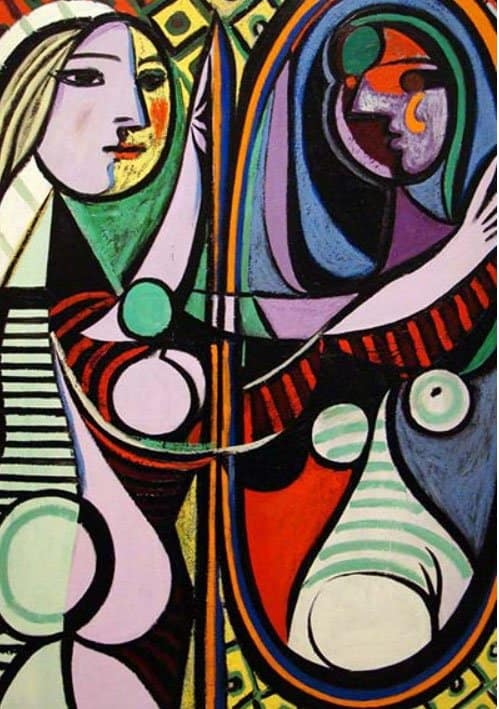
Perspective and composition are the foundations of strong visual storytelling. In a painting class that incorporates digital techniques, students learn how to create depth, balance, and visual harmony using tools that simplify complex spatial relationships.
Traditional artists rely on vanishing points and grid sketches to establish perspective. Digital painters have access to built-in perspective guides, symmetry tools, and adjustable grids. Programs like Clip Studio Paint and Photoshop provide rulers that snap lines into correct perspective, making the process more intuitive and accurate.
Composition principles such as the rule of thirds, golden ratio, and leading lines guide the viewer’s eye through a painting. Digital artists can quickly test different compositions by rearranging elements on separate layers without redrawing the entire scene. This flexibility allows for more experimentation and refinement.
Another advantage in digital painting is the ability to zoom and work on fine details while maintaining an overall balanced composition. A painting class teaches students how to step back and assess their work from a distance, ensuring that all elements contribute to the intended focal point.
By mastering digital perspective and composition, artists can create immersive worlds, dynamic character poses, and visually captivating scenes with ease.
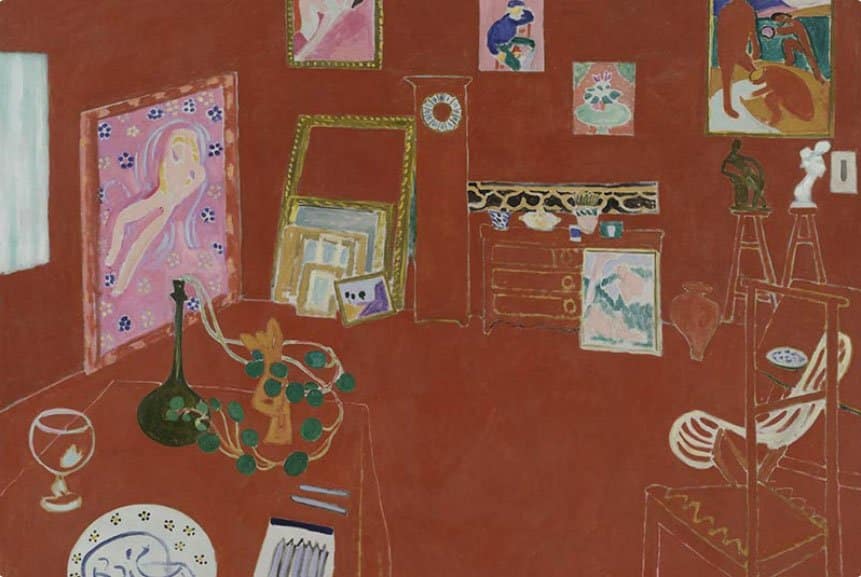
Light defines form, creating depth and realism in painting. A painting class focused on digital techniques explores advanced lighting methods that bring artwork to life.
Digital tools provide unique advantages in understanding light sources. Software like Blender and Photoshop allows artists to simulate different lighting conditions using 3D models or layer-based effects. This helps in crafting accurate shadows, highlights, and reflections.
A common method taught in painting classes is value sketching—blocking in grayscale shapes before adding color. This ensures a strong light structure, preventing flat or unnatural-looking compositions. Digital artists use soft and hard-edged brushes to define shadow transitions, mimicking real-world lighting scenarios.
Subsurface scattering, rim lighting, and ambient occlusion are techniques used to enhance realism. Digital painters can manipulate these effects dynamically, testing multiple lighting setups without repainting entire sections. Additionally, blending modes like Overlay and Soft Light allow artists to introduce color variations into shadows and highlights seamlessly.
A well-lit digital painting captures attention, directs the viewer’s focus, and enhances the overall mood of the piece. By mastering light and shadow, artists achieve a level of realism that rivals traditional painting.
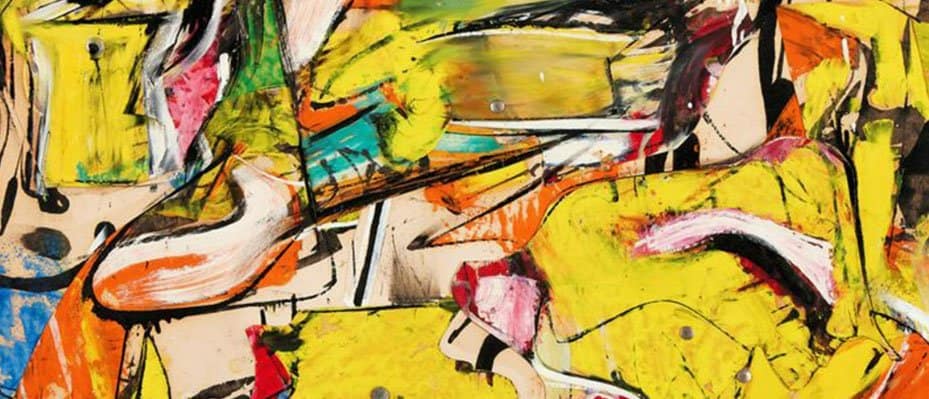
Every artist has a preference when it comes to tools. A painting class often explores the differences between traditional and digital brushes, helping artists choose the medium that best suits their workflow.
Traditional brushes offer a tangible connection to the canvas, where every stroke carries weight and texture. The unpredictability of paint mixing and drying creates unique, organic results. However, this comes with limitations—mistakes are harder to correct, and materials can be costly.
Digital brushes, on the other hand, provide infinite possibilities. Artists can switch between oil, watercolor, ink, or airbrush settings within seconds. The ability to customize brushes means that a single tool can replicate countless traditional techniques. Pressure sensitivity in styluses also ensures that strokes remain expressive and dynamic.
A major advantage in digital painting is the efficiency of workflow. Undo functions, layers, and non-destructive editing allow for experimentation without the fear of ruining a piece. In a painting class, students learn how to utilize these benefits while still applying traditional painting principles for natural results.
While both mediums have their merits, digital brushes offer flexibility and control that traditional methods cannot match.
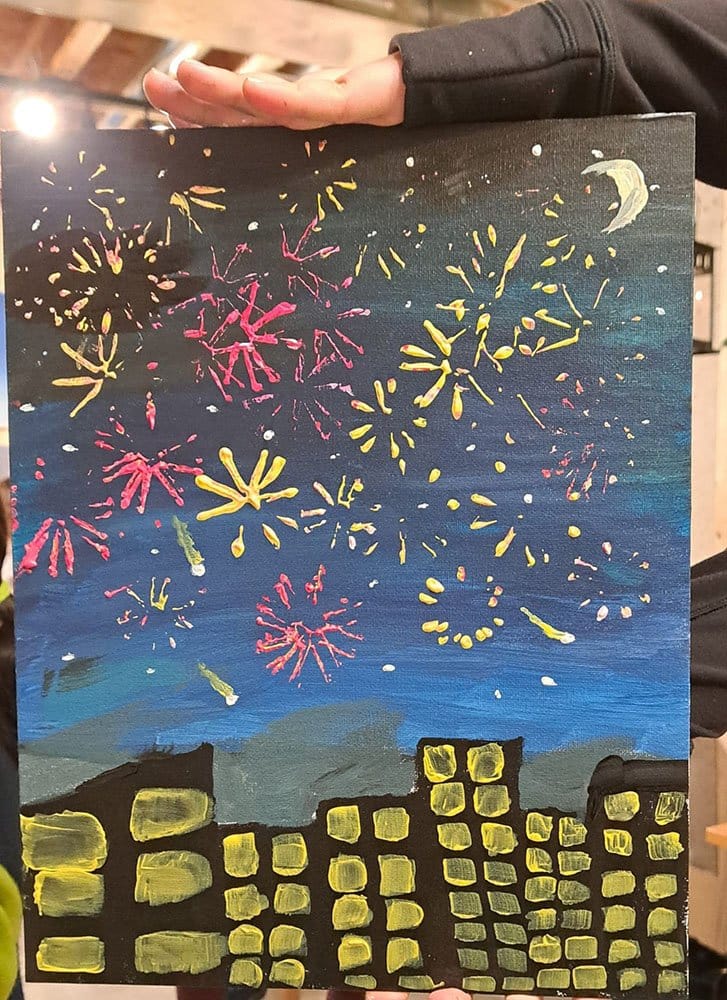
Painting is no longer limited to static images. A painting class that integrates digital tools often introduces animation techniques, enabling artists to bring their work to life.
Digital animation software like Adobe Animate, Krita, and Toon Boom allows artists to create frame-by-frame motion, giving movement to illustrations. Layered animation techniques, such as parallax effects and GIF creation, add depth and dynamism to digital paintings.
Artists can also use motion blur, dynamic lighting, and physics-based simulations to enhance realism. These techniques are invaluable in fields like game design, movie production, and concept art.
A painting class that embraces animation teaches artists how to transition from still art to motion graphics, expanding their creative opportunities.