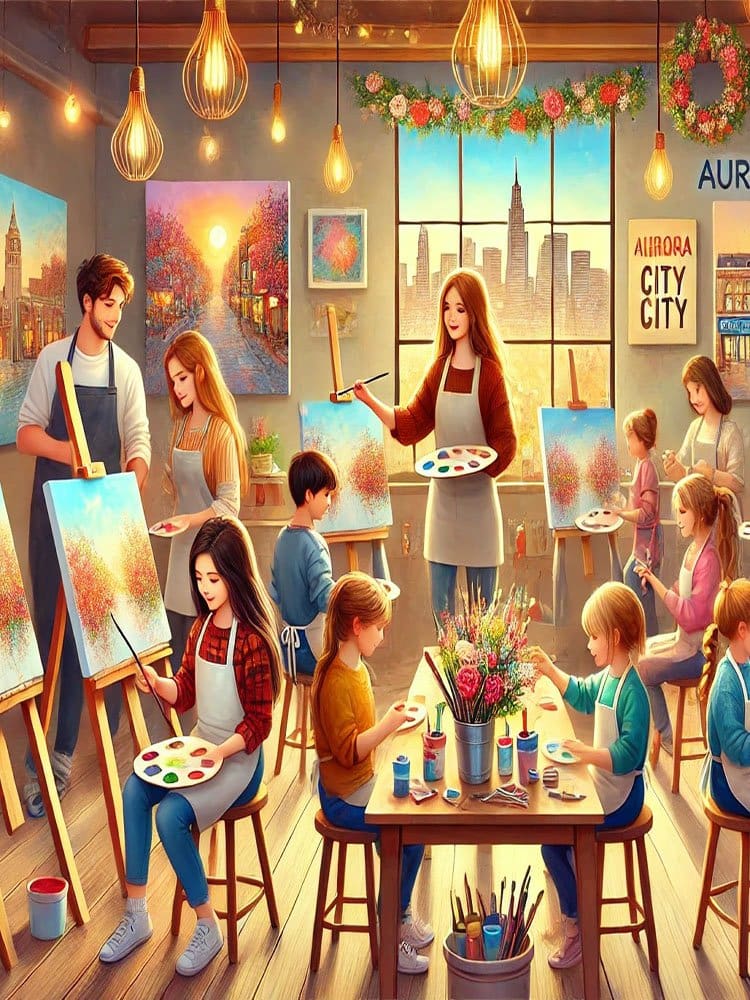
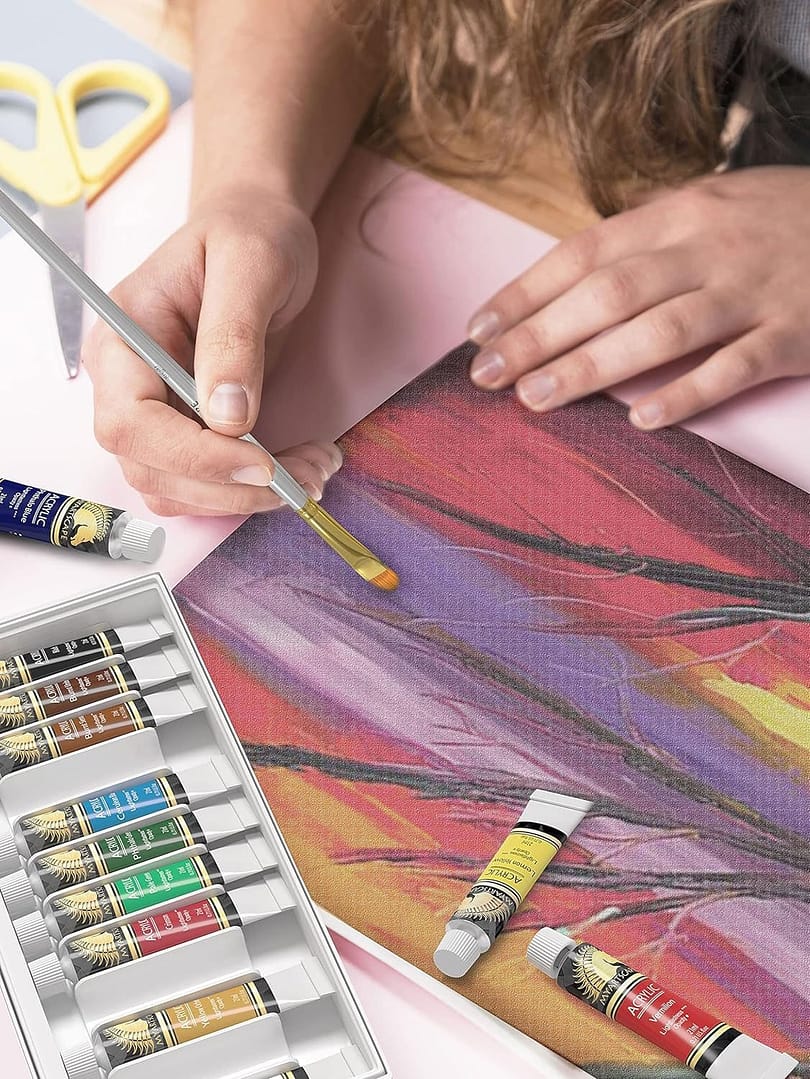
Starting a Painting Class is an exciting opportunity to explore creativity, develop artistic skills, and express personal ideas through art. However, a successful learning experience requires more than enthusiasm. Students need suitable painting materials, a comfortable workspace, experienced instruction, and a positive mindset. Understanding different painting styles, color theory, and composition can also help learners build a strong artistic foundation.
Whether you are a beginner or an experienced artist, preparing for an art class can make your learning journey more enjoyable and productive. Setting realistic goals, organizing art supplies, practicing regularly, and tracking your progress are important steps toward artistic development. A supportive learning environment also encourages students to experiment, share ideas, and gradually discover their own artistic style.
At Fania Art Gallery, we believe that every student should have the opportunity to learn, practice, and grow as an artist. The following 12 essential requirements will help you understand what to expect from a painting program and how to prepare for a rewarding creative experience.
Enrolling in a painting class is an inspiring endeavor that nurtures both creativity and technical skill. To make the most of this experience, several fundamental requirements must be in place.

A well-equipped painting class requires a diverse array of art supplies, as the quality and variety of materials directly influence artistic expression. The most fundamental tools include brushes of different sizes and bristle types. Soft synthetic brushes work well for delicate blending, while stiff hog-hair brushes are ideal for bold, textured strokes.
The choice of paint also plays a critical role. Acrylic paints offer fast drying times and versatility, making them excellent for beginners. Oil paints provide a rich texture and superior blending capabilities, but they require patience due to longer drying periods. Watercolors, known for their transparency and fluidity, demand precision and control.
Students should have a well-organized palette for mixing colors, a durable canvas or high-quality paper suited to their chosen medium, and a palette knife for impasto techniques. Additional essentials include a priming gesso to prepare surfaces, rags for cleaning, and jars for water or solvents. Those using oil paints must also have linseed oil and turpentine for thinning and brush maintenance.
A painting class should encourage students to experiment with different surfaces, such as stretched canvases, wood panels, or textured papers, as each medium reacts differently. Investing in quality materials prevents frustration and allows for greater artistic freedom. Having the right tools at hand ensures that students can focus entirely on honing their skills rather than struggling with subpar materials.

A conducive learning environment is crucial in a painting class, as it significantly impacts focus, comfort, and artistic execution. The workspace must be spacious enough to accommodate easels, large canvases, and movement. Working in cramped conditions restricts brushstroke freedom, hindering the creative process.
Lighting is an essential factor. Natural daylight is preferable, as it provides true color representation. If artificial lighting is necessary, full-spectrum bulbs that mimic daylight should be used to maintain color accuracy. A well-lit space prevents eye strain and enhances precision in detailing.
Ventilation is another critical aspect. Many painting mediums, particularly oil-based paints, require solvents like turpentine or mineral spirits, which emit fumes. A well-ventilated studio with windows or an exhaust fan ensures safety and prevents exposure to harmful chemicals. For those using water-based paints such as acrylics or watercolors, air circulation remains important to avoid excessive drying or smudging.
Ergonomics also play a role in a productive painting class. Adjustable easels allow students to work comfortably at different angles, while sturdy stools or chairs with back support promote proper posture. An organized space with designated areas for paint mixing, drying canvases, and cleaning brushes minimizes disruptions and enhances efficiency.
Keeping the workspace clean and well-maintained fosters creativity. Clutter can be distracting, so having storage solutions for brushes, paints, and tools helps maintain order. Additionally, having access to a sink for cleaning supplies is beneficial.
A well-designed painting class environment enables students to work with confidence, ensuring that external factors do not impede their artistic journey. Comfort, organization, and safety collectively contribute to an immersive and enriching experience.

A skilled instructor is an invaluable asset to any painting class, as their guidance helps students refine their techniques and develop a strong artistic foundation. The effectiveness of instruction depends on an instructor’s depth of knowledge, teaching methodology, and ability to provide constructive feedback.
An experienced instructor must be proficient in various painting styles, from classical realism to abstract expressionism. They should understand fundamental concepts like color theory, composition, and perspective, enabling them to explain complex techniques in a way that students can grasp. Instructors should also demonstrate a command of multiple mediums, including acrylics, oils, and watercolors, allowing students to explore different artistic possibilities.
Beyond technical expertise, an instructor must possess strong communication skills. The ability to break down complex techniques into step-by-step processes ensures that students can follow along without feeling overwhelmed. Effective instructors balance structured lessons with opportunities for creative exploration, fostering a learning environment that encourages both discipline and artistic freedom.
Critique is an essential component of a painting class. An instructor should provide insightful feedback, identifying areas for improvement while also highlighting strengths. Constructive criticism helps students refine their skills without discouragement. Additionally, personalized guidance ensures that each student receives the support they need based on their individual skill level and artistic goals.
An engaging instructor inspires students by sharing personal experiences, artistic challenges, and solutions they have encountered. Their passion for art motivates learners to persist through difficulties and develop their unique artistic voice. Ultimately, the right instructor transforms a painting class into an enriching experience that fosters both technical mastery and creative confidence.

A successful painting class requires more than just technical skills and materials—it demands the right mindset. Patience, perseverance, and a willingness to experiment are crucial qualities that allow artists to grow.
Developing painting techniques takes time. Beginners often struggle with blending, proportions, and color mixing, which can lead to frustration. However, approaching mistakes as learning opportunities rather than failures fosters resilience. Every brushstroke, even those that seem unsuccessful, contributes to a deeper understanding of the craft.
Creativity thrives in an environment that encourages risk-taking. Students should be willing to step outside their comfort zones, experimenting with bold color combinations, unconventional brushstrokes, and unique compositions. A painting class that promotes artistic freedom helps students develop a distinctive style rather than merely replicating established techniques.
Discipline is equally important. Consistent practice builds muscle memory and hones fine motor skills, enabling smoother execution of techniques over time. Establishing a routine, such as dedicating a specific number of hours per week to painting, reinforces progress.
Mindfulness plays a role in artistic development as well. Being fully present while painting enhances concentration and allows for a deeper connection with the creative process. Many artists find painting to be a meditative practice, offering a form of self-expression that transcends words.
A painting class that nurtures patience and an open-minded approach creates an environment where students can truly flourish. Those who embrace the journey rather than rushing the results will experience both technical improvement and artistic fulfillment.

A painting class is more than just an instructional setting—it is a thriving community where artists can exchange ideas, inspire one another, and grow together. Engaging with fellow students fosters creativity and provides a valuable support system throughout the artistic journey.
One of the most significant benefits of a group learning environment is the exposure to diverse perspectives. Each student brings a unique artistic approach, and observing different styles broadens creative horizons. Conversations about techniques, color choices, and artistic influences encourage a deeper appreciation of the painting process.
Collaborative activities enhance the experience of a painting class. Group projects, live painting sessions, and collective critiques allow students to develop confidence in presenting their work. Sharing insights and constructive feedback creates a positive atmosphere where everyone learns from one another.
Art exhibitions within the class setting provide an opportunity for students to showcase their progress. Seeing their work displayed builds confidence and motivation. Additionally, external exhibitions or competitions can encourage students to push their artistic boundaries.
Networking with artists outside the painting class further enhances growth. Many art communities organize workshops, artist talks, and gallery visits that expose students to industry professionals and emerging trends. Engaging with the broader art world opens doors to new opportunities and creative collaborations.
A sense of belonging within an artistic community fosters perseverance. The journey of an artist is filled with challenges, but being surrounded by like-minded individuals provides encouragement during moments of self-doubt. A well-structured painting class not only imparts technical skills but also cultivates a rich, inspiring environment where artistic passion thrives.

A successful painting class requires more than just technical skills and materials—it demands the right mindset. Patience, perseverance, and a willingness to experiment are crucial qualities that allow artists to grow.
Developing painting techniques takes time. Beginners often struggle with blending, proportions, and color mixing, which can lead to frustration. However, approaching mistakes as learning opportunities rather than failures fosters resilience. Every brushstroke, even those that seem unsuccessful, contributes to a deeper understanding of the craft.
Creativity thrives in an environment that encourages risk-taking. Students should be willing to step outside their comfort zones, experimenting with bold color combinations, unconventional brushstrokes, and unique compositions. A painting class that promotes artistic freedom helps students develop a distinctive style rather than merely replicating established techniques.
Discipline is equally important. Consistent practice builds muscle memory and hones fine motor skills, enabling smoother execution of techniques over time. Establishing a routine, such as dedicating a specific number of hours per week to painting, reinforces progress.
Mindfulness plays a role in artistic development as well. Being fully present while painting enhances concentration and allows for a deeper connection with the creative process. Many artists find painting to be a meditative practice, offering a form of self-expression that transcends words.
A painting class that nurtures patience and an open-minded approach creates an environment where students can truly flourish. Those who embrace the journey rather than rushing the results will experience both technical improvement and artistic fulfillment.
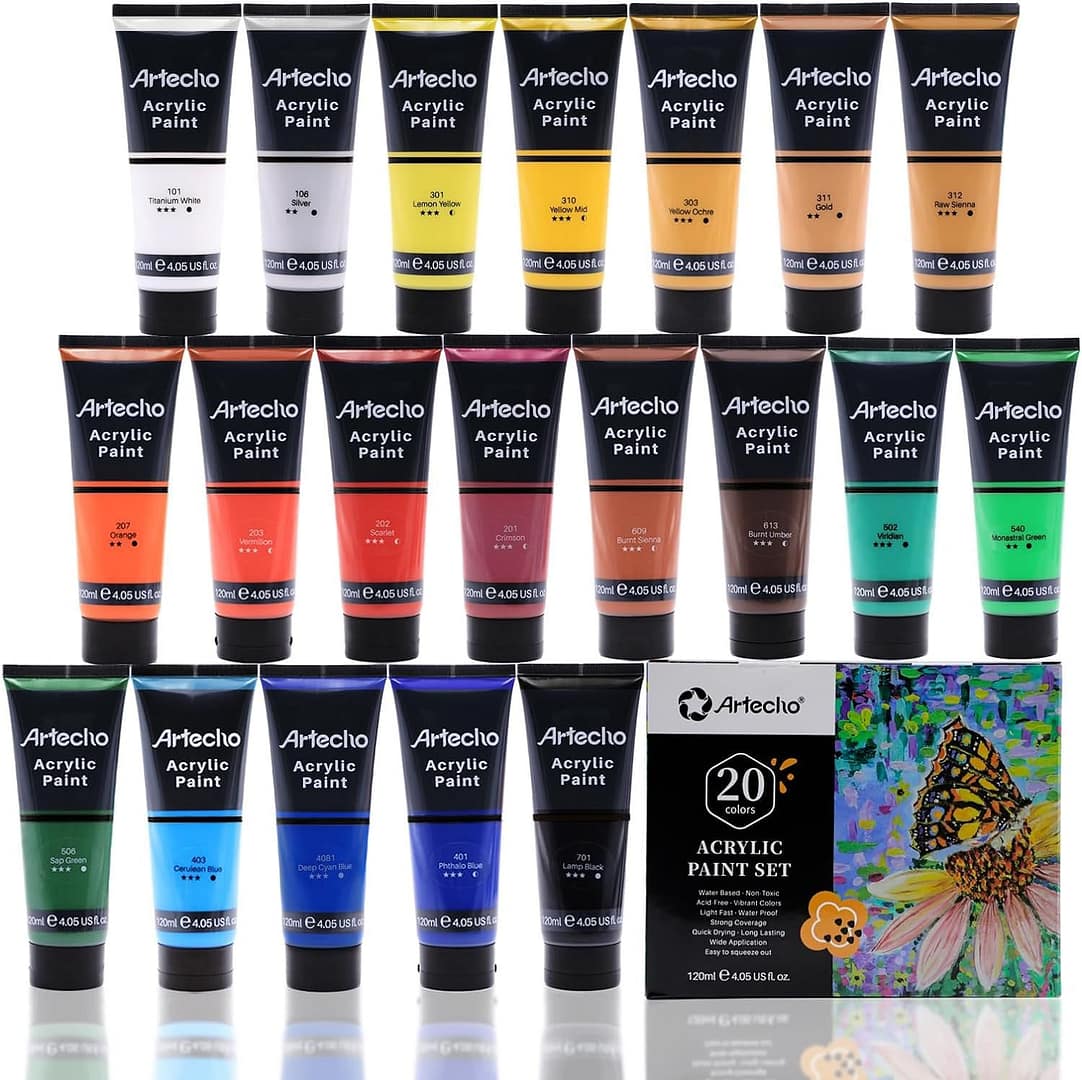
Choosing a suitable painting style is an important step in every artist’s learning journey. Each student has different interests, creative goals, and levels of experience. Some enjoy realistic artwork, while others prefer abstract paintings or expressive compositions. Exploring different styles helps students discover their artistic preferences and develop their own creative identity.
A well-structured Painting Class can introduce students to several painting techniques and artistic approaches. Beginners may experiment with watercolor, acrylic, or oil painting before selecting their preferred medium. Each medium offers different opportunities for creativity and skill development. Watercolors are useful for exploring transparency and soft color transitions. Acrylics allow students to experiment with bold colors and different textures. Oil paints offer extended blending time and opportunities for detailed work.
Students can also explore landscape painting, portraiture, still life, and abstract art. These subjects introduce different ways to observe shapes, colors, light, and perspective. Guided practice allows learners to understand each style without feeling pressured to master everything immediately. With regular experimentation and constructive feedback, students can gradually identify the techniques that suit their interests and abilities.
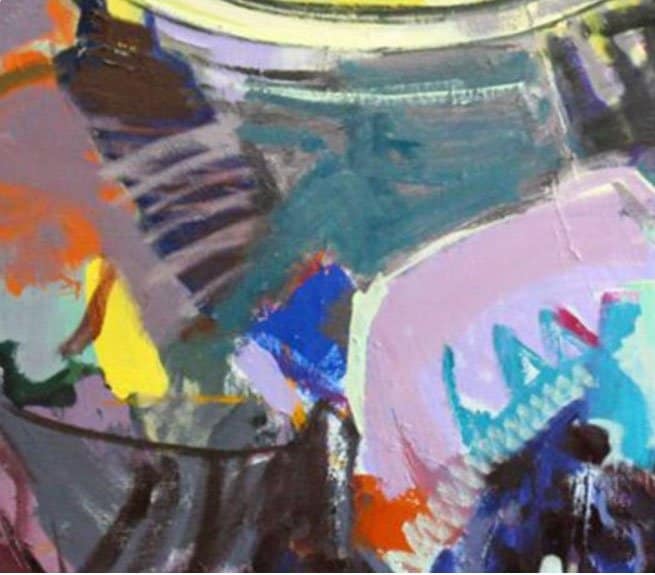
Color theory and composition are essential foundations for developing strong painting skills. Understanding how colors interact helps students create artwork with greater visual impact. Learning these principles also makes it easier to communicate emotions, establish atmosphere, and guide the viewer’s attention.
In a Painting Class, students can begin by exploring primary, secondary, and complementary colors. They can practice mixing different shades and observing how colors change when combined. Understanding warm and cool colors also helps learners create depth and atmosphere. Simple exercises involving color wheels and tonal studies provide opportunities to practice these important concepts.
Composition focuses on how objects, shapes, and colors are arranged within an artwork. Students can learn about balance, contrast, proportion, and visual movement. These principles help artists organize their paintings and create more engaging compositions. Practicing with simple sketches and still-life arrangements can make these concepts easier to understand.
Lighting and shading are also important elements of composition. Students can observe how light affects objects and creates shadows, highlights, and depth. Through practical exercises, they can develop better observation skills and improve their ability to represent three-dimensional forms. Regular practice with these fundamentals provides a strong foundation for more advanced painting projects.
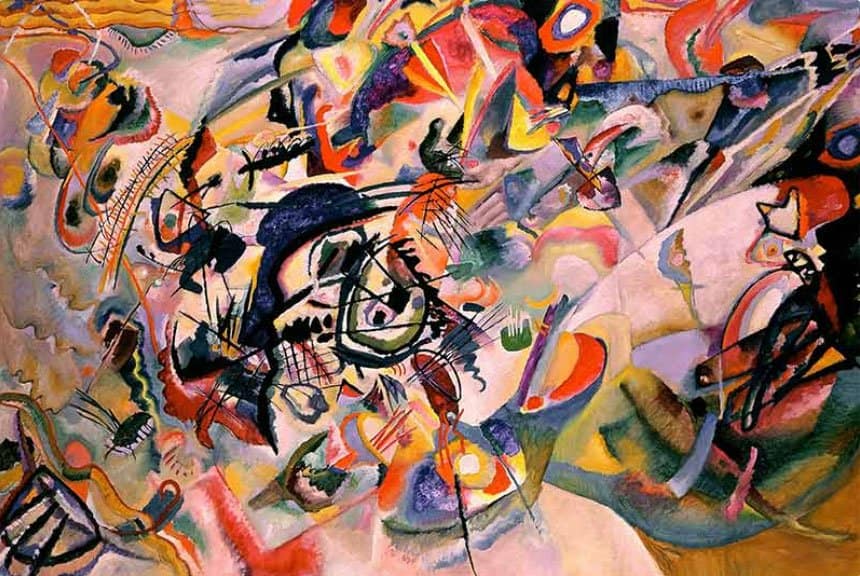
Setting realistic goals helps students remain motivated and organized throughout their artistic development. Learning to paint is a gradual process that involves experimentation, practice, and patience. Clear goals give students a sense of direction and help them recognize their achievements.
At the beginning of a Painting Class, students can focus on simple objectives. These might include learning basic brushstrokes, understanding color mixing, or painting simple shapes. As their confidence improves, they can gradually move toward more challenging exercises. Creating a realistic learning plan helps students develop their skills without unnecessary pressure.
Tracking progress is another useful part of artistic education. Students can save their sketches, exercises, and completed paintings in a dedicated collection. Comparing earlier work with recent projects can reveal improvements in technique, composition, and color selection. This process can also help students identify areas that require additional practice.
Instructor feedback provides further support during this process. Constructive suggestions can help learners understand their mistakes and find practical ways to improve. Students should also take time to reflect on their personal goals and celebrate their progress. Whether they are learning a new technique or completing their first painting, every achievement contributes to their artistic development.
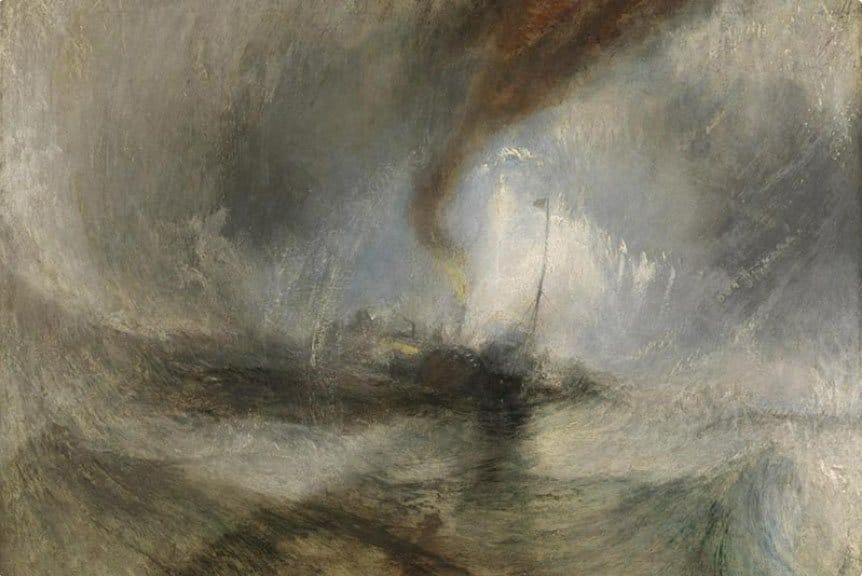
Maintaining and organizing art materials is an important part of creating a productive painting environment. Proper care can help students protect their supplies, reduce unnecessary waste, and prepare efficiently for each lesson. Developing these habits also encourages responsibility and independence.
Students attending a Painting Class should learn how to clean and store their brushes correctly. Brushes used with water-based paints generally need prompt cleaning with water. Oil painting brushes may require suitable cleaning products and careful handling. Following the manufacturer’s instructions helps protect brush bristles and extend their useful life.
Paints should also be stored according to their specific requirements. Keeping paint containers properly closed can help prevent unwanted drying. Palettes, mixing tools, and painting surfaces should be cleaned or protected after each session. Students should also organize their supplies so that frequently used materials remain easy to access.
Workspace organization can make painting sessions more comfortable and efficient. Keeping brushes, paints, canvases, and other tools in designated areas reduces distractions. Students should also understand basic studio safety, including appropriate ventilation and careful handling of painting materials. These simple habits allow learners to focus more effectively on their artwork and enjoy their creative experience.
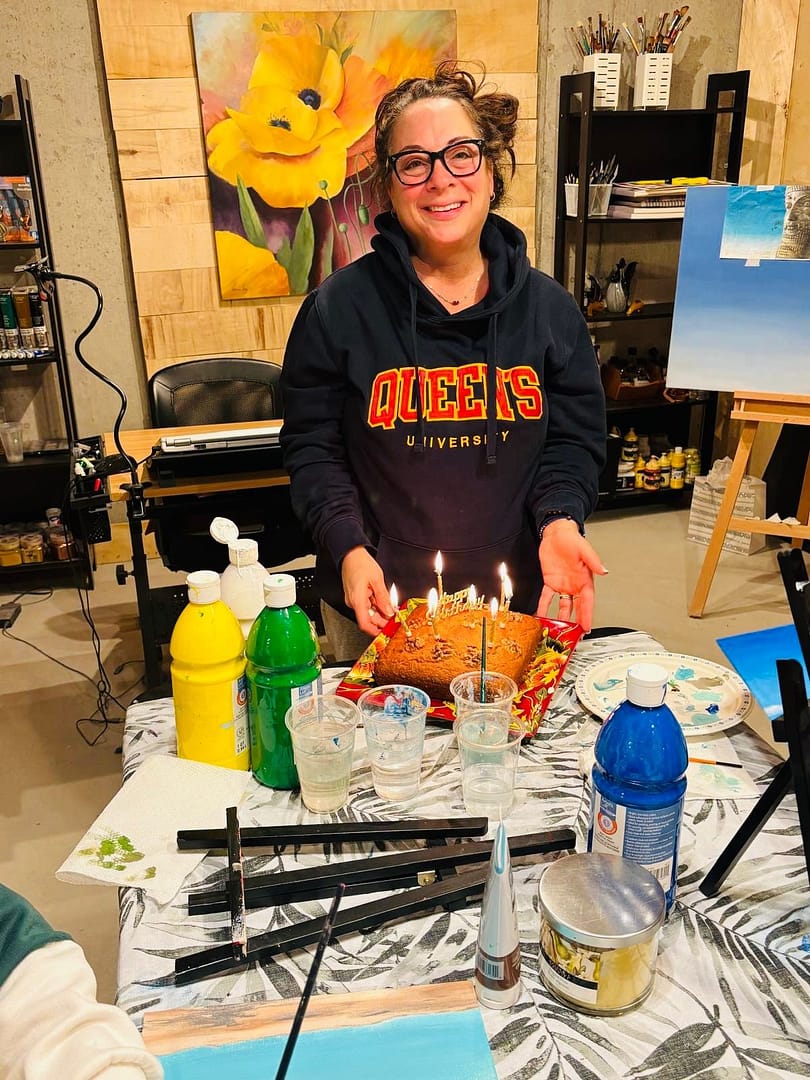
Building a personal art portfolio is a valuable way to document artistic development. A portfolio brings together selected paintings, sketches, and creative exercises. It provides students with a visual record of their progress and helps them recognize their growing abilities.
During a Painting Class, students can begin their portfolios with simple drawings and early painting exercises. As they gain experience, they can include more developed projects and experiments with different materials. Selecting artwork for a portfolio encourages students to reflect on their creative choices and identify their preferred subjects and techniques.
A portfolio can also help learners understand how their artistic style evolves. Comparing different pieces may reveal improvements in brushwork, color harmony, composition, and attention to detail. Students can include brief notes about their ideas, materials, and techniques. These reflections can make the portfolio more meaningful and useful for future learning.
For students interested in further art education or exhibiting their work, a portfolio can become an important resource. It allows them to present a selection of their artwork to instructors, galleries, or potential collaborators. Even for hobbyists, maintaining a collection of completed projects can provide a lasting sense of achievement. With consistent practice and thoughtful selection, a personal portfolio becomes a record of both artistic progress and creative exploration.
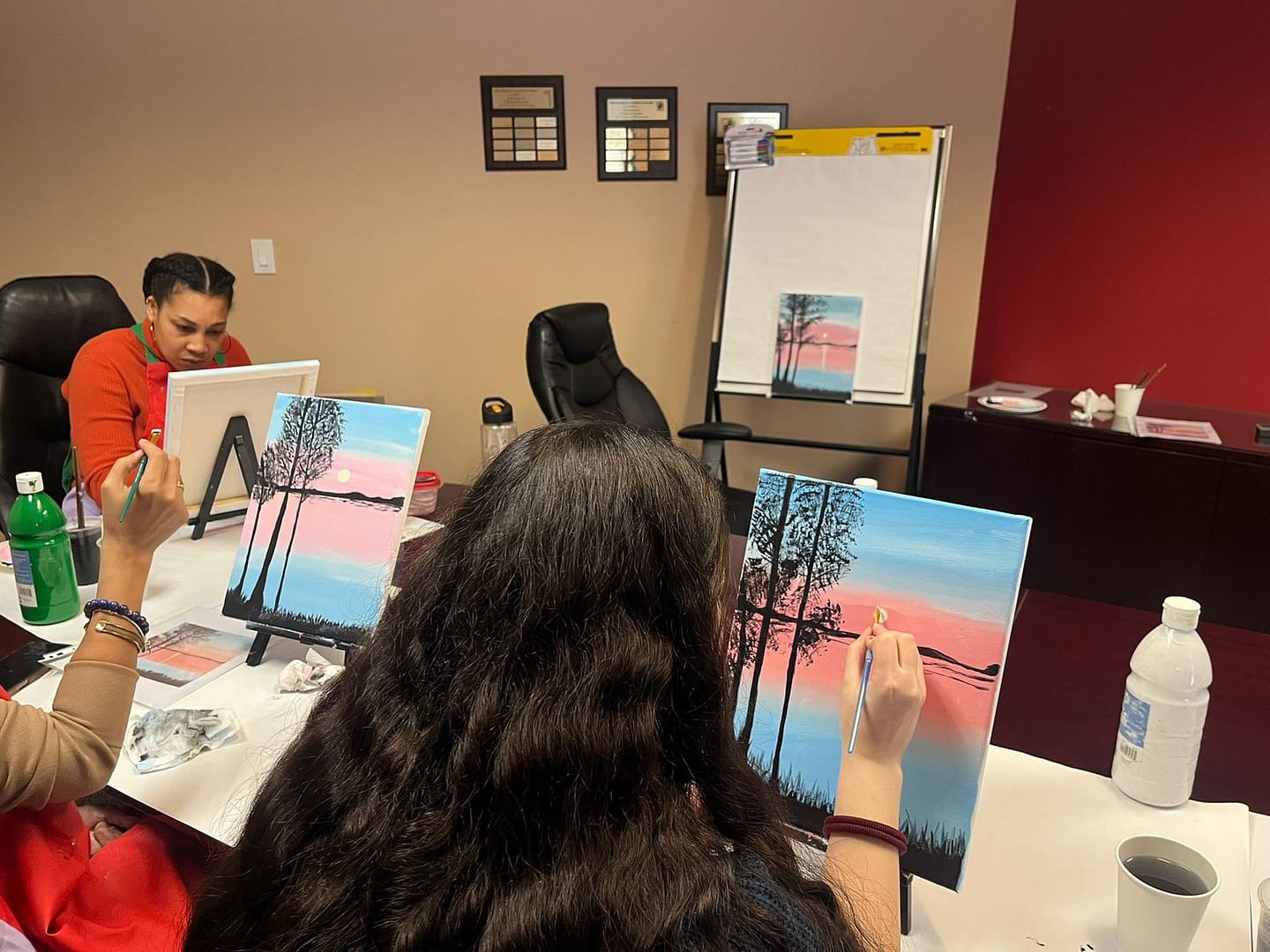
Preparing for a successful painting experience involves more than gathering art supplies. Students benefit from suitable materials, a comfortable workspace, experienced instruction, and a willingness to practice. Exploring different painting styles, understanding artistic fundamentals, and setting realistic goals can also support continued progress.
At Fania Art Gallery, students have opportunities to explore their creativity and develop practical painting skills in a supportive learning environment. Whether you are a beginner or an experienced artist, joining a painting program can help you discover new techniques and build confidence. Start exploring your artistic potential and take the next step in your creative journey with Fania Art Gallery.